Dwi Wanna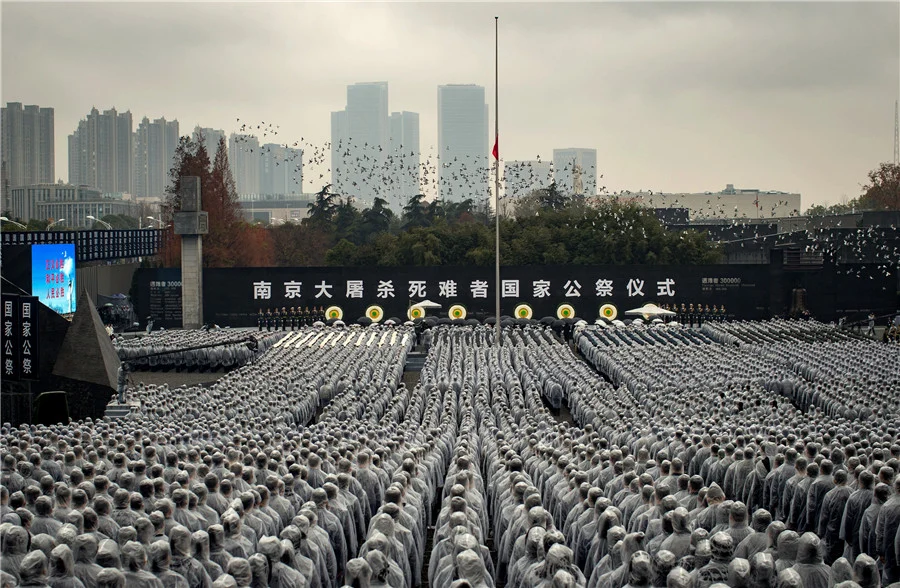
December 13 serves as a solemn occasion for China, marking the National Memorial Day for Victims of the Nanjing Massacre. This day is dedicated to commemorating the horrific atrocities committed by Japanese troops following the fall of Nanjing during World War II, an event that resulted in the tragic loss of an estimated 300,000 Chinese lives. The establishment of such memorial days by governments of major belligerents in global conflicts is a practice rooted in the profound need to remember those who perished or made immense sacrifices, and crucially, to serve as a stark reminder of the devastating human cost of war. This article will explore the significance of this day in China, providing historical context, outlining the chronology of events, presenting supporting data, and examining the broader implications of remembering such a dark chapter in history.
The Nanjing Massacre: A Historical Overview
The Nanjing Massacre, also known as the Rape of Nanjing, was a period of mass murder and mass rape committed by Imperial Japanese Army forces against the residents of Nanjing, then the capital of China, after it fell under Japanese occupation on December 13, 1937. The invasion of China by Japan began in earnest in 1937, escalating the Second Sino-Japanese War. Nanjing, strategically important and symbolic as the capital, became a primary target.
The fall of Nanjing was swift. Following intense fighting, the Chinese Nationalist Army, under Generalissimo Chiang Kai-shek, began a disorganized retreat, leaving the city largely undefended. The Japanese forces, fueled by a brutal military doctrine and a sense of racial superiority, then unleashed a campaign of unimaginable violence upon the civilian population and disarmed soldiers. For six weeks, from December 1937 to January 1938, Nanjing became a scene of systematic slaughter, widespread rape, looting, and arson.
Chronology of the Nanjing Massacre and its Aftermath
The events leading up to and following the fall of Nanjing are crucial to understanding the significance of the National Memorial Day.
- July 7, 1937: The Marco Polo Bridge Incident, a skirmish between Chinese and Japanese troops near Beijing, marks the beginning of the full-scale Second Sino-Japanese War.
- August 1937: Japanese forces launch a major offensive, capturing Shanghai after a protracted and bloody battle. This victory opens the path to Nanjing.
- December 1, 1937: The Japanese military command orders the advance on Nanjing.
- December 13, 1937: Japanese troops enter Nanjing, marking the city’s fall. The subsequent period of atrocities begins.
- December 1937 – January 1938: This period is characterized by widespread killings, rape, looting, and destruction. Estimates of the death toll vary, but the figure of 300,000, officially recognized by China, is widely cited.
- Post-War Trials: Following Japan’s surrender in 1945, the International Military Tribunal for the Far East (IMTFE) in Tokyo and the International Military Tribunal (IMT) for Japan in Nanjing conducted trials of Japanese war criminals. Several high-ranking Japanese military officers were convicted for their roles in the Nanjing Massacre.
- 1982: The Japanese Ministry of Education revises history textbooks, downplaying or omitting accounts of the Nanjing Massacre, sparking significant controversy and international outcry.
- 1995: The Nanjing Massacre Memorial Hall is established, serving as a permanent site for commemoration and education.
- 2014: The Standing Committee of the National People’s Congress of China designates December 13 as the National Memorial Day for Victims of the Nanjing Massacre.
Supporting Data and Testimonies
The scale of the atrocities committed during the Nanjing Massacre is documented through various sources, including survivor testimonies, contemporary accounts by foreign nationals present in the city, and post-war investigations.
- Death Toll: While precise figures are difficult to ascertain due to the chaotic nature of the events and the extensive destruction, the generally accepted figure of 300,000 victims is based on meticulous research and survivor accounts. This number encompasses both unarmed civilians and surrendered soldiers.
- Rape and Sexual Violence: Accounts consistently describe widespread and systematic sexual violence. Estimates suggest that tens of thousands of women, including very young girls and elderly women, were subjected to rape and sexual assault. The brutality often included gang rapes, mutilation, and murder following the assaults.
- Destruction and Looting: Japanese troops engaged in widespread looting of property and destruction of buildings, including cultural heritage sites. Large parts of the city were set ablaze, further exacerbating the suffering and making recovery challenging.
- Foreign Witness Accounts: Several foreign nationals, including missionaries, doctors, and journalists, remained in Nanjing during the massacre. Their diaries, letters, and reports provided crucial eyewitness evidence. Figures like John Rabe, a German businessman who led the International Safety Zone Committee, documented the horrors extensively, playing a vital role in saving thousands of lives. His diary, "The Good Man of Nanking," is a harrowing testament to the events.
- Survivor Testimonies: The Nanjing Massacre Memorial Hall preserves the testimonies of hundreds of survivors. These personal accounts, often recounted with immense pain and difficulty, provide a human face to the tragedy, detailing the loss of family members, the trauma of violence, and the enduring scars of the experience.
Official Responses and Commemoration
The establishment of the National Memorial Day for Nanjing Massacre Victims underscores China’s commitment to remembering this tragic event and its broader historical significance.
- Purpose of the Memorial Day: The day is intended to honor the victims, remember the immense suffering endured, and reflect on the devastating consequences of war. It also serves as a powerful educational tool to ensure that future generations understand the brutalities of war and the importance of peace.
- National Observances: December 13 is marked by solemn ceremonies across China, with the main event often held at the Memorial Hall of the Victims in Nanjing. These observances typically include memorial services, laying of wreaths, moments of silence, and public exhibitions detailing the history of the massacre.
- Government Statements: Official statements from Chinese government officials on this day invariably emphasize the need for peace, the importance of remembering history to prevent future atrocities, and the enduring friendship and cooperation between China and other nations. They often call for reflection on the lessons learned from the war and advocate for a shared future of peace and security.
- International Engagement: China also uses this occasion to engage with the international community, fostering dialogue on historical memory, international justice, and the prevention of genocide and war crimes. Educational exchanges and academic research into the Nanjing Massacre are also encouraged.
Broader Impact and Implications
The Nanjing Massacre and its commemoration have far-reaching implications, both domestically within China and internationally.
- National Identity and Historical Consciousness: The Nanjing Massacre is a deeply ingrained element of China’s modern historical consciousness. Remembering it reinforces national identity, a sense of shared suffering, and a collective resolve to prevent such atrocities from ever happening again. It is integral to the narrative of national rejuvenation and resistance against foreign aggression.
- Sino-Japanese Relations: The historical memory of the Nanjing Massacre, along with other wartime atrocities, continues to be a sensitive and sometimes contentious issue in Sino-Japanese relations. While official relations have seen periods of cooperation, differing interpretations of history and occasional revisionist sentiments in Japan can strain diplomatic ties. China’s emphasis on remembering the massacre serves as a consistent reminder of the historical grievances and the importance of Japan acknowledging its past actions fully and unequivocally.
- International Law and Human Rights: The Nanjing Massacre stands as a stark example of egregious war crimes and crimes against humanity. Its commemoration highlights the importance of international law, accountability for war crimes, and the protection of civilians during armed conflict. It contributes to the global discourse on human rights and the prevention of mass atrocities.
- Peace Education: The National Memorial Day is a critical component of peace education. By confronting the horrors of war, it aims to cultivate a profound appreciation for peace and to instill in younger generations a commitment to conflict resolution and the pursuit of harmonious international relations. The objective is to transform historical tragedy into a catalyst for a more peaceful future.
In conclusion, the National Memorial Day for Victims of the Nanjing Massacre on December 13 is more than just a date on the calendar. It is a solemn commitment by China to remember an immense human tragedy, to honor the lives lost, and to draw crucial lessons from the past. By dedicating this day to remembrance, China seeks to ensure that the sacrifices of hundreds of thousands are not forgotten, and that the devastating consequences of war serve as a perpetual reminder of the imperative for peace and understanding in the global community. The ongoing efforts to document, educate, and commemorate underscore the enduring significance of the Nanjing Massacre in shaping national memory and informing international dialogue on history, justice, and the pursuit of lasting peace.


 Nana Wu
 Suro Senen