Sagoh
Sagoh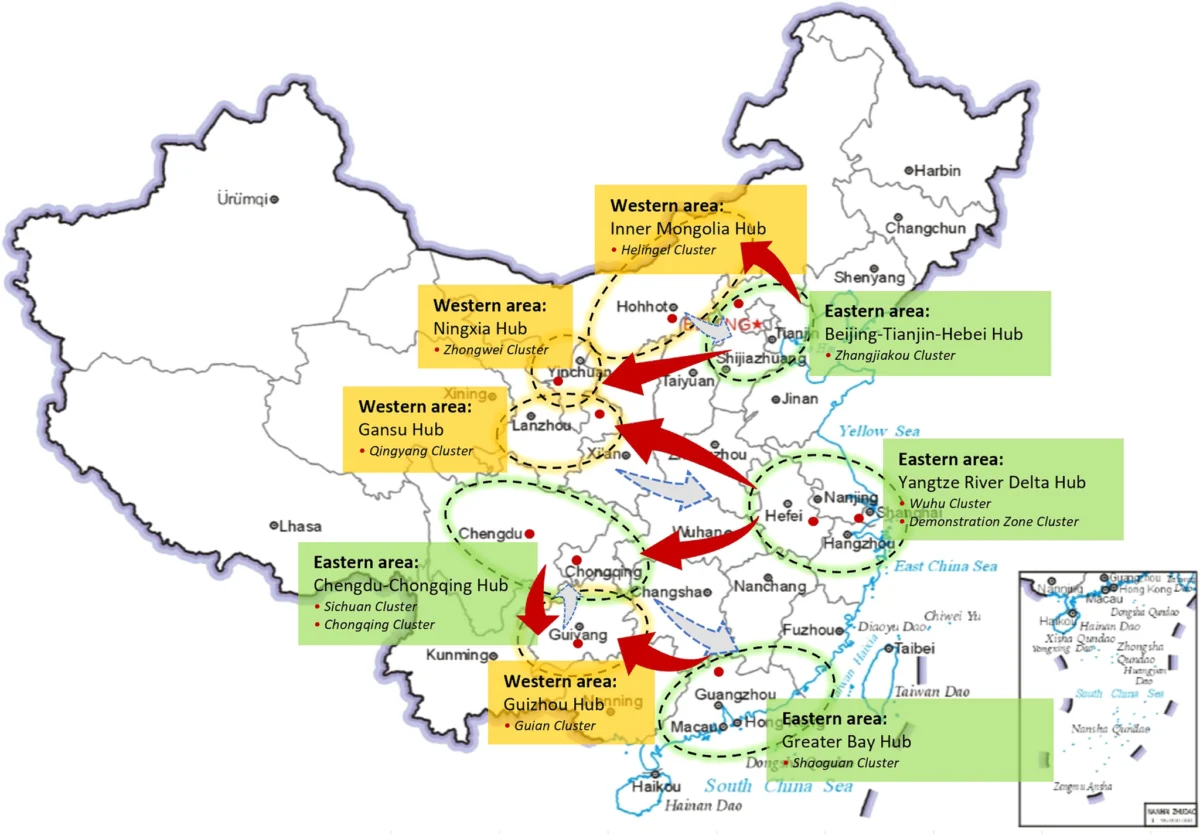
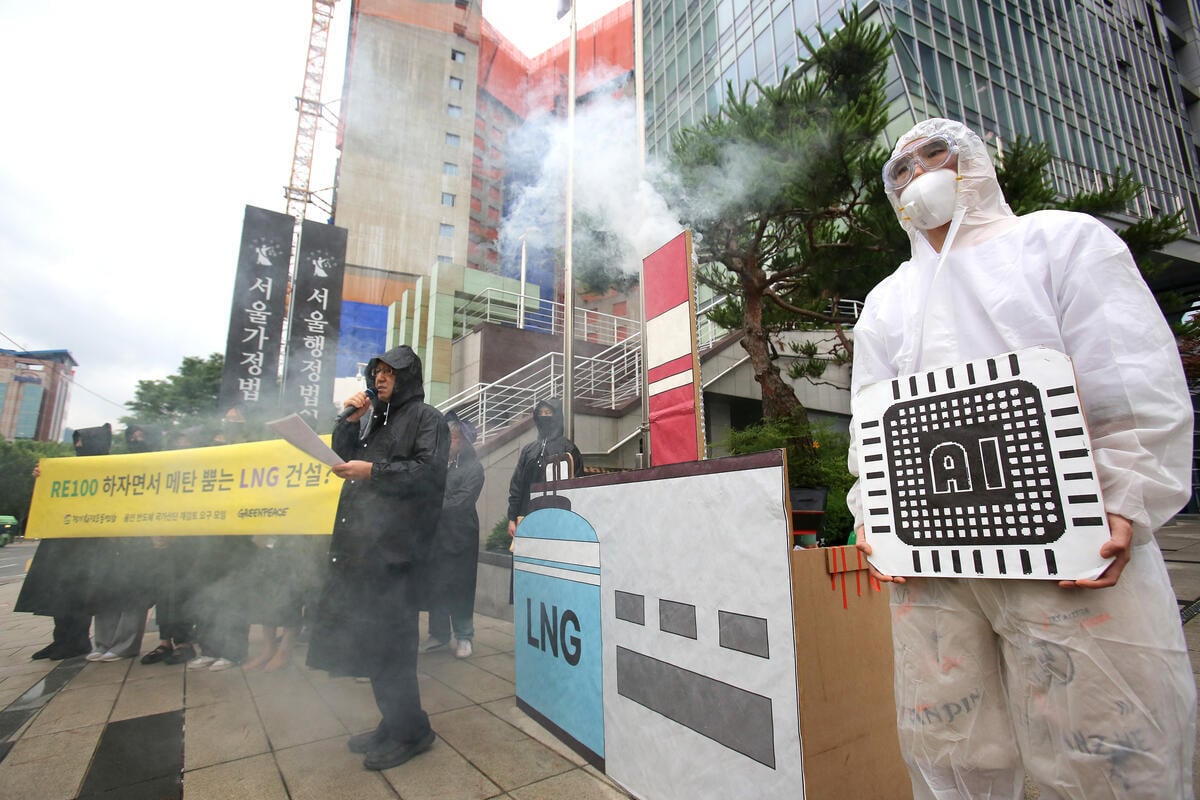
The unprecedented growth of artificial intelligence (AI) is encountering a significant physical bottleneck: the world’s electricity infrastructure. As technology giants push the boundaries of AI model complexity and scale, their insatiable demand for computational power is creating an immense and escalating need for physical energy. This burgeoning digital revolution, therefore, finds itself at odds with the planet’s energy capacity, with East Asia, the linchpin of the global hardware supply chain, situated at the epicenter of this critical challenge.
Mainland China, home to the second-largest data center market globally, also stands as the world’s preeminent electronics manufacturing hub, responsible for approximately 36% of all global electronics output. Taiwan, a small island nation with outsized influence, dominates the production of the most advanced semiconductors, the fundamental building blocks of modern computing, and serves as the leading manufacturing base for AI servers. Meanwhile, South Korea spearheads the memory-chip industry, with titans like Samsung Electronics and SK hynix holding commanding positions in DRAM and NAND flash memory. Together, these three East Asian economies form an indispensable nexus across the data center, semiconductor, server manufacturing, and memory chip sectors, all of which are fundamental to the functioning of contemporary AI systems.
This digital surge, however, comes with a substantial environmental toll. In 2024 alone, data centers are estimated to have consumed a staggering 415 terawatt-hours (TWh) of electricity worldwide, accounting for roughly 1.5% of total global electricity consumption. The International Energy Agency (IEA) reports that this figure has been growing at an annual rate of approximately 12% over the preceding five years. The situation is projected to intensify dramatically. Greenpeace East Asia estimates that the global electricity demand specifically for AI chip manufacturing could surge by as much as a staggering 170-fold between 2023 and 2030. Given the heavy concentration of logic and memory chip production for AI hardware in East Asia, much of this amplified manufacturing burden is anticipated to fall upon Taiwan, South Korea, and Japan.
Recognizing the urgency of this escalating challenge and the imperative to forge a more sustainable path forward, Greenpeace East Asia convened a global webinar on August 6th. The virtual forum brought together leading experts in energy policy and climate technology from the United States, Taiwan, and South Korea. The primary objective was to shift the discourse from questioning whether AI must be decarbonized to actively exploring how a clean, resilient, and sustainable AI supply chain can be effectively built.
"We would love to build shared momentum for a clearer and more sustainable AI and technology industry," stated Dr. Junyan Liu, deputy program director at Greenpeace East Asia, in her opening remarks. "We strongly believe that by partnering directly with industry leaders, we can transform complex environmental hurdles into viable, high-impact business models for the long haul."
Scaling Clean Tech: Lessons from China’s Industrial Policy
Addressing the immense power demands of AI necessitates a comprehensive understanding of how clean technologies can be scaled effectively at an industrial level. China’s remarkable ascent in sectors such as solar energy, electric vehicles (EVs), battery production, and grid infrastructure offers a compelling case study and valuable lessons for the rapid deployment of clean technologies amidst surging global demand.
Dr. Kyle Chan, a Fellow at the Brookings Institution’s John L. Thornton China Center, emphasized China’s strategic approach to building end-to-end dominance across its clean technology supply chains. This strategy involved absorbing foreign technologies, adapting them with remarkable speed, and fostering the co-development of robust local supply chains. Proactive support from local governments, including the provision of essential infrastructure, land, and targeted policy incentives, significantly accelerated this industrial push.
"China’s cleantech policy wasn’t a single linear path toward becoming a powerhouse," Dr. Chan explained. "It involved constant pivots, strategic shifts, and adaptation along the way. China made a broad bet across multiple technologies, and it paid off." Rather than placing its bets on a single technological winner, China simultaneously supported a diverse range of battery chemistries and clean technologies. This diversified approach enabled manufacturers to cater to various market segments while leveraging economies of scale and supply chain flexibility to drive down costs. Furthermore, China’s established heavy industries created valuable synergies with its burgeoning clean-energy sectors. For instance, its world-leading shipbuilding capabilities have been instrumental in constructing specialized vessels for offshore wind farm installation.
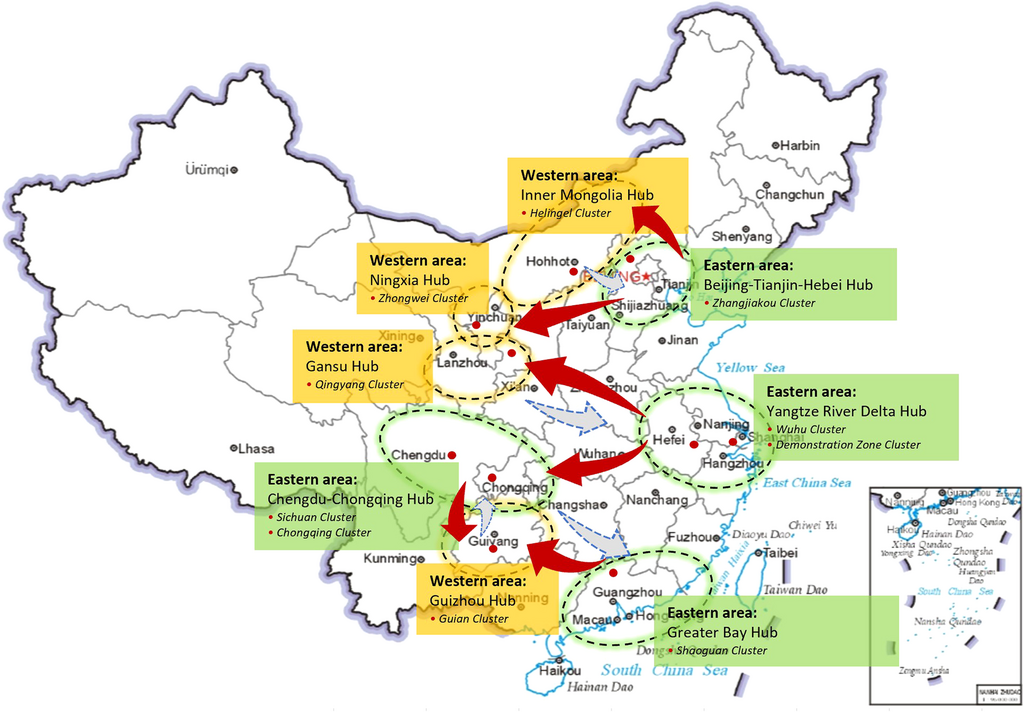
China is now extending these integrated principles to its data center development. Under the ambitious "East-West Computing Resources Transmission Project" (EWCRT Project), national policies actively encourage companies to relocate energy-intensive and less latency-sensitive computing workloads to the country’s resource-rich western provinces. These regions possess abundant land and significant wind and solar energy potential. The processed data and services generated in these western hubs can then be efficiently delivered to users in the more densely populated coastal cities through the nation’s extensive computing network infrastructure. This strategic redistribution aims to optimize energy consumption and leverage renewable resources more effectively for its growing digital economy.
The Economics of AI Power: Why Renewables Will Prevail in South Korea
In South Korea, the escalating demand for electricity driven by AI infrastructure presents a significant catalyst for accelerating the nation’s transition to clean energy, according to Jongkyu Kim, founder and chief executive officer of 60Hz and chair of the Korea Climate Tech Association.
South Korea has recently unveiled a series of ambitious mega-projects, collectively representing an investment of approximately 1,500 trillion Korean won, which translates to roughly US$1 trillion. This substantial financial commitment includes plans for four new state-of-the-art semiconductor fabrication facilities to be constructed by industry leaders Samsung Electronics and SK hynix. Additionally, the package supports regional robotics initiatives and sets an aggressive target of achieving 18.4 gigawatts (GW) of AI data center capacity by 2035. This projected capacity would represent a significant portion, approximately 18-19%, of South Korea’s recent peak electricity demand.
"AI has become an electricity story," Kim asserted. "Sam Altman said last year: ‘The cost of intelligence should eventually converge to near the cost of electricity.’ If true, AI competition becomes a race for the cheapest electricity, and future-proof sources will win."
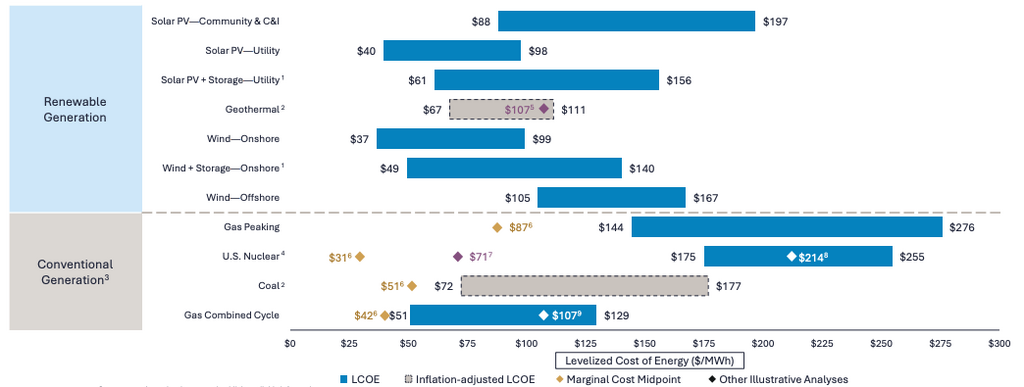
Kim presented a compelling economic argument, positing that renewable energy sources offer the most robust financial advantage when compared to traditional fossil fuels like natural gas or nuclear power. Data from Lazard’s 2026 Levelized Cost of Energy (LCOE+) report indicates that, on a per megawatt-hour (MWh) basis, unsubsidized renewable energy consistently remains the most cost-competitive option for new power generation. This trend is driven by declining technology costs, mature supply chains, and the inherent zero marginal cost of generating electricity from wind and solar once the initial infrastructure is in place.
"AI is not a burden on the energy transition; it is a catalyst," Kim declared. "Korea has anchored its AI build-out to renewables by location, law, and policy. Industry leaders have signed on to RE100, and the underlying economics close the loop. If the cost of AI is the cost of power, zero-marginal-cost renewables will win." This strategic alignment suggests that South Korea is positioning itself to leverage the cost efficiencies of renewable energy to power its AI ambitions, creating a virtuous cycle where clean energy deployment becomes essential for economic competitiveness in the AI era.
Overcoming Bottlenecks in Taiwan’s Chip Industry
As a preeminent global producer of advanced semiconductor chips and AI servers, Taiwan stands as a critical engine powering the world’s burgeoning computing capabilities. Allissa Tai, RE100 representative in Taiwan at the Chung-Hua Institution for Economic Research (CIER), detailed the structural obstacles and emerging opportunities that manufacturers face in their pursuit of securing reliable and abundant renewable electricity.
Taiwan’s Ministry of Economic Affairs forecasts a significant increase in electricity demand, projecting an average annual growth of 2.5% from 2026 to 2035. This surge is largely attributed to the expansion of semiconductor fabrication plants, the development of AI data centers, and the increased energy required for cooling these facilities. CIER estimates that AI and semiconductor-related projects alone could necessitate an additional 4.32 GW of power generation capacity by 2030.
In response to this projected demand, Taiwan’s Ministry of Economic Affairs has outlined plans to add approximately 26 GW of new natural-gas-fired power generation capacity by 2035. However, this strategy raises concerns given Taiwan’s heavy reliance on imported energy resources. In 2024, the island imported over 94% of its energy. A greater dependence on imported fossil fuels would inevitably expose Taiwan to the volatilities of international energy markets, potential shipping disruptions, and broader geopolitical risks, thereby undermining its energy security.
While major global technology corporations like Google and Apple are actively pursuing 100% renewable electricity for their operations and supply chains, their collective corporate procurement currently accounts for only about 5% of Taiwan’s total renewable energy generation, according to joint analyses by CIER and Climate Group’s 2024-2025 Taiwan Renewable Electricity Market Briefing. This disparity highlights significant structural impediments to the wider adoption of renewables within Taiwan’s industrial landscape. Key obstacles identified include:
- Limited Supply and Grid Constraints: The current renewable energy supply is insufficient to meet the burgeoning demand from industrial users, compounded by limitations in grid infrastructure to absorb and distribute larger volumes of renewable power.
- High Cost of Corporate Procurement: The price of renewable electricity available through corporate procurement channels remains prohibitively high for many businesses, particularly compared to the cost of conventional energy sources.
- Policy and Regulatory Hurdles: Existing regulations and market structures present challenges for the development of new renewable energy projects and for companies seeking to directly contract for renewable power. This includes complexities in power purchase agreements and the availability of suitable land for new installations.
- Social and Environmental Considerations: The development of renewable energy projects, particularly large-scale solar and wind farms, often faces public scrutiny and environmental impact assessments, which can lead to project delays and community opposition.
"To power the AI boom cleanly, we need energy infrastructure built at scale," Tai emphasized. "That requires policy stability, social consensus, and cross-party alignment. Transitioning to renewables is not just about climate; it is the bedrock of Taiwan’s economic security and global competitiveness." Her statement underscores the interconnectedness of energy policy, environmental stewardship, and national economic strategy in the context of Taiwan’s critical role in the global technology ecosystem.
An Action Plan for a Clean AI Ecosystem
To effectively align the rapid trajectory of AI growth with critical climate goals, the distinguished panelists at the Greenpeace East Asia webinar proposed a series of three targeted reforms designed to foster a cleaner and more sustainable AI ecosystem. These recommendations focus on systemic changes within policy, infrastructure, and market mechanisms.
Firstly, the experts advocated for "Accelerating Renewable Energy Deployment Through Policy Reform." This entails a comprehensive overhaul of existing energy policies to expedite the development and integration of renewable energy sources. Key actions include streamlining permitting processes for new solar and wind projects, implementing supportive feed-in tariffs or tax incentives for renewable energy producers, and establishing clear, long-term targets for renewable energy generation. Furthermore, this reform calls for the reform of electricity market structures to facilitate greater participation of renewable energy generators and to enable more flexible and dynamic power trading. The goal is to create an environment where renewable energy can compete effectively and scale rapidly to meet increasing demand.
Secondly, the panelists recommended "Mandating Energy Efficiency and Transparency in Data Centers." This involves establishing stringent energy efficiency standards for new and existing data centers, encouraging the adoption of advanced cooling technologies, and promoting the use of waste heat recovery systems. Crucially, this reform calls for mandatory disclosure of energy consumption and carbon emissions data by data center operators. This increased transparency would empower stakeholders, including investors, consumers, and regulators, to make more informed decisions and hold companies accountable for their environmental impact. It would also drive innovation in energy-efficient computing hardware and software.
Thirdly, the proposed action plan includes "Investing in Grid Modernization and Smart Infrastructure." The existing electricity grid infrastructure in many regions is not adequately equipped to handle the intermittent nature of renewable energy sources and the concentrated demand from large data centers. This reform emphasizes the need for significant investment in upgrading grid infrastructure, including the expansion of transmission and distribution networks, the deployment of advanced energy storage solutions, and the implementation of smart grid technologies. These technologies enable better management of electricity flow, improve grid stability, and facilitate the integration of distributed renewable energy resources. By modernizing the grid, countries can enhance their resilience, reduce energy losses, and create a more robust foundation for a clean energy future that can support the demands of the AI revolution.
The collective insights from these experts highlight a critical juncture. The boundless potential of artificial intelligence is inextricably linked to the availability of clean, sustainable energy. The choices made today by policymakers, industry leaders, and technology developers will determine whether the AI boom becomes a catalyst for a greener future or an accelerant of the climate crisis. The path forward requires a deliberate and concerted effort to prioritize environmental sustainability alongside technological innovation, ensuring that the digital revolution does not come at the irreversible expense of the planet.


 Asro
Asro