Muslim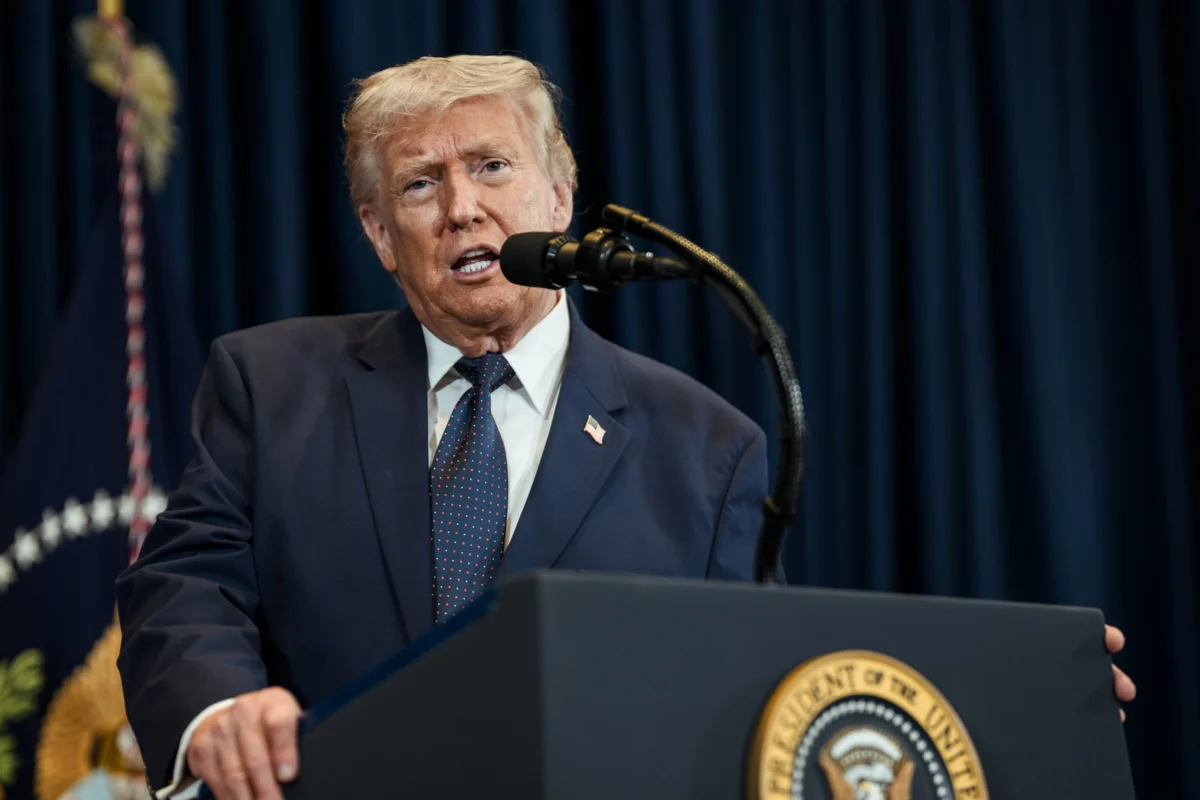
Washington D.C. – In a significant move aimed at bolstering domestic manufacturing and curbing reliance on foreign supply chains, President Donald Trump announced on Thursday a sweeping imposition of tariffs, reaching up to 100 percent, on imported unmanned drones and their constituent components. The decision, detailed in a White House statement, is primarily driven by national security concerns and targets an industry heavily influenced by Chinese manufacturers. The new tariff structure is set to take effect on September 3rd.
The most substantial tariffs, a punitive 100 percent duty, will be levied on certain Unmanned Aircraft Systems (UAS) that possess a takeoff weight exceeding 25 kilograms. This category specifically includes drones equipped with advanced capabilities deemed critical for national security, such as thermal imaging cameras and sophisticated docking stations. A lesser, yet still significant, tariff of 25 percent will be applied to smaller drones, often used by hobbyists and for less complex commercial applications.
The White House articulated that these measures are intended to "encourage increased domestic production" of drones and their essential components, thereby fostering greater self-sufficiency in a rapidly evolving technological sector. This strategic pivot seeks to mitigate vulnerabilities associated with dependence on foreign manufacturing, particularly from nations perceived as strategic competitors.

Escalating Tensions and a Shifting Drone Landscape
The announcement arrives amid a backdrop of escalating trade tensions between the United States and China, a nation that has established a formidable presence in the global drone market. The Chinese company DJI, founded in 2006, has emerged as a dominant force, capturing an estimated two-thirds of the worldwide drone market according to various industry analyses. This market dominance has long been a point of concern for U.S. policymakers.
For years, DJI has faced scrutiny from Washington. U.S. officials have accused the company of supplying products that have been utilized for surveillance purposes, particularly targeting ethnic minorities within China, such as the Uyghurs. These allegations have contributed to a growing unease regarding the potential misuse of drone technology and the data it collects.
Further compounding these concerns, DJI has been placed on a U.S. list of Chinese companies associated with the country’s military since 2022. This designation subjects the company to restrictions on accessing American technology, a move DJI has contested, asserting its independence from military control. The company reportedly engaged in efforts to challenge its inclusion on this list in 2024, underscoring the high stakes involved in this technological and geopolitical standoff.
National Security Imperatives and the "Dual-Use" Dilemma
The rationale behind the stringent tariffs extends beyond economic considerations, deeply embedding national security concerns. A statement from the White House highlighted the potential risks associated with foreign-manufactured drones, emphasizing the need to safeguard American airspace and sensitive data.

This perspective was echoed by the U.S. Federal Communications Commission (FCC) in December 2025. The FCC, responsible for regulating national telecommunications, argued that bolstering domestic drone production would "reduce the risk of direct UAS attacks and disruptions, unauthorized surveillance, sensitive data exfiltration, and other UAS threats to the homeland." The commission’s assessment underscored the inherent "dual-use" nature of drones, acknowledging their utility as both commercial platforms and sophisticated tools for military or paramilitary operations, including surveillance and data interception.
The ongoing conflict in Ukraine has provided a stark and potent illustration of this dual-use reality. Commercial and even hobbyist drones, readily available on the market, have been demonstrably adapted and employed for frontline military attacks, highlighting the potential for widespread application beyond their intended civilian purposes. This evolving battlefield dynamic has amplified concerns within the U.S. about the strategic implications of relying on foreign-produced aerial technology.
Joshua Steinman, a supply chain expert formerly associated with the Trump administration’s National Security Council, articulated the imperative for American self-reliance in this domain. He emphasized, "It is critical that America be able to produce its own unmanned capabilities without parts or even raw materials from China." This sentiment reflects a broader strategic objective to build resilient domestic industrial bases capable of meeting national security needs without external dependencies.
A Chronology of Trade Actions and Emerging Threats
The drone tariff announcement is not an isolated event but rather the latest development in a series of trade-related actions and escalating geopolitical concerns.

- December 2025: The FCC issues a statement highlighting the national security risks posed by foreign-produced drones and advocating for increased domestic production.
- 2024: DJI reportedly contests its inclusion on a U.S. list of Chinese companies linked to the military, seeking to maintain access to U.S. technology.
- Early 2026: In response to ongoing trade sanctions imposed by Washington over issues such as forced labor and national security, China announces retaliatory measures, including restrictions on drone exports to the United States and the blacklisting of six American companies.
- Days Prior to Drone Tariffs: The U.S. implements further tariffs on goods from China and 59 other countries, signaling a broad approach to trade policy adjustments.
- Late July 2026: The U.S. government expands its blacklist to include humanoid and quadruped robots, citing critical national security risks. This move also targets an industry where Chinese manufacturers hold a significant market share.
- August 14, 2026: President Trump announces the imposition of up to 100 percent tariffs on imported drones and their components, with the measures set to take effect on September 3rd.
This timeline illustrates a pattern of escalating trade actions and a broadening scope of national security concerns that now encompass advanced robotics alongside drone technology.
Implications for Industry and Consumers
The imposition of these substantial tariffs is expected to have a significant impact on various sectors of the U.S. economy. For industrial and commercial drone operators, the increased cost of imported drones and components could translate into higher operational expenses. This may spur greater adoption of domestically produced alternatives, provided they can meet existing performance and cost benchmarks.
Clayton Swope, a senior fellow at the Center for Strategic and International Studies, noted that the tariffs are "really targeting industrial and commercial drones, and to a lesser degree smaller drones used by hobbyists." This suggests a tiered approach to market impact, with businesses that rely heavily on sophisticated drone technology likely to feel the most immediate effects.
For consumers who utilize smaller drones for recreational purposes, the impact may be less pronounced, with a 25 percent tariff representing a noticeable but perhaps manageable increase in price. However, the long-term effect could be a shift in market availability, with a greater emphasis on American-made products.

The move also signals a broader strategy by the Trump administration to re-shore manufacturing and reduce reliance on global supply chains that are perceived as vulnerable or strategically compromised. This aligns with a broader trend of economic nationalism and protectionist policies being adopted by various governments worldwide.
A Global Context of Drone Regulation and Trade
The U.S. actions are occurring within a global context where drone technology is increasingly subject to regulatory scrutiny and trade disputes. China’s dominant position in the market, coupled with concerns about data security and potential military applications, has created a complex geopolitical landscape.
The recent retaliatory measures by China, restricting drone exports and blacklisting U.S. companies, underscore the interconnectedness of the global drone industry and the potential for tit-for-tat trade actions. The inclusion of robots on the U.S. blacklist further indicates a strategic focus on emerging technologies that could have significant national security implications.
The long-term success of these tariffs in fostering domestic drone production will likely depend on several factors, including the ability of U.S. manufacturers to scale up production, innovate, and compete on price and quality. The economic consequences for businesses and consumers, as well as the broader implications for international trade relations, will be closely watched in the coming months and years. The administration’s stated objective is to create a more secure and self-sufficient future for American drone capabilities, but the path forward is laden with economic and geopolitical complexities.

 Nana
Nana
 Reynand Wu