Dwi Wanna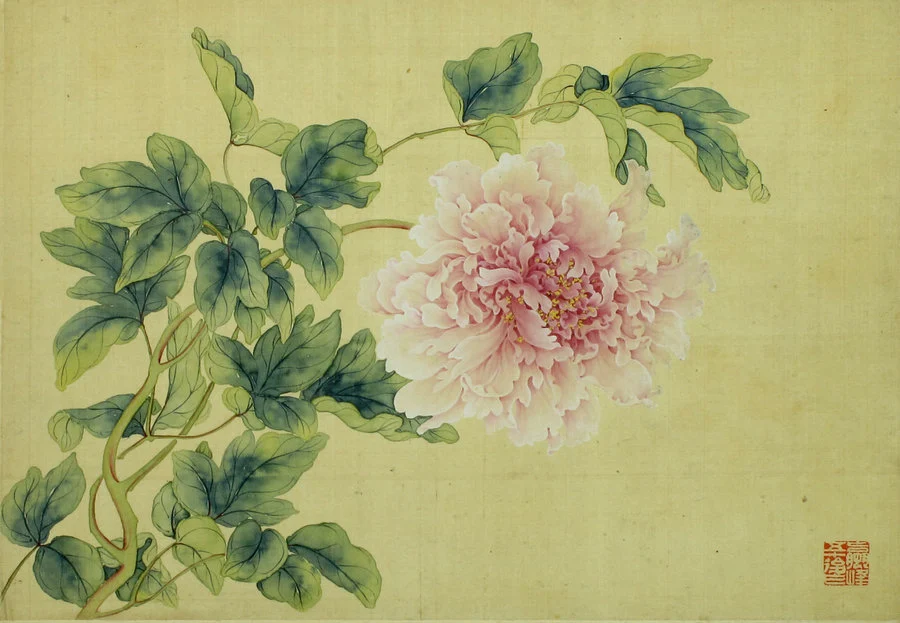
A significant exhibition at the Zhejiang Provincial Museum is shedding light on the often-overlooked contributions of ancient Chinese female artists, showcasing sixty meticulously preserved works from the Ming and Qing Dynasties. This landmark exhibition, which opened on November 25th, features the artistic talents of thirty distinct female painters, including luminaries such as Wu Dexuan, Yun Bing, and Ma Quan. For centuries, the artistic legacies of women in China, as in many other cultures globally, have been relegated to the shadows, their records and creations limited and rare due to societal constraints that often placed them in secondary roles to their male counterparts. However, this collection offers a rare and valuable glimpse into a vibrant, yet historically marginalized, artistic tradition.
The exhibition underscores a crucial point: while the historical narrative of Chinese art has predominantly focused on male masters, a discernible and impactful stream of female creativity existed, albeit with fewer surviving examples. The limited number of surviving works by these ancient female painters makes each piece on display at the Zhejiang Provincial Museum a treasure, offering invaluable insights into their artistic techniques, thematic preoccupations, and the social contexts in which they created. The rarity of these works is a direct consequence of historical circumstances, where women’s access to formal artistic training, patronage, and public recognition was significantly restricted compared to men.
A Glimpse into Dynastic Artistic Traditions
The Ming Dynasty (1368-1644) and the Qing Dynasty (1644-1911) represent pivotal eras in the development of Chinese art. While the court and literati circles were dominated by men, women from aristocratic families and those with exceptional talent managed to cultivate their artistic skills, often within the domestic sphere. The exhibition’s focus on these two dynasties is particularly significant, as they witnessed a flourishing of diverse artistic styles and a growing, albeit still constrained, presence of female artists.
Among the featured artists, Yun Bing and Ma Quan stand out as particularly well-known figures, both hailing from prominent upper-class families during the Qing Dynasty. Their shared expertise in painting flowers and birds is noteworthy, a subject matter often imbued with strong feminine characteristics and symbolism. The delicate rendering of petals, the vibrant hues of plumage, and the graceful depiction of natural scenes are testament to their mastery of brushwork and their keen observational skills. These subjects, while perhaps perceived as less monumental than landscape or historical narratives favored by male artists, offered a canvas for profound aesthetic expression and subtle commentary on the natural world and the human condition. The choice of such subjects by female artists can also be interpreted as a reflection of their lived experiences and the domains accessible to them within the patriarchal social structure of the time.
The Historical Marginalization of Female Artists
The historical obscurity of female artists is not unique to China. Across the globe, from ancient Greece to Renaissance Europe, women’s contributions to the arts have often been underdocumented, undervalued, or attributed to male contemporaries. Societal norms, educational barriers, and the very definition of "art" and "artist" have historically excluded or minimized female creative output. In China, while women were integral to the textile arts and calligraphy within the household, their participation in the more publicly recognized forms of painting, especially those that commanded high prices or critical acclaim, was significantly limited.
The few ancient female painters whose works have survived and are now being celebrated at the Zhejiang Provincial Museum represent a fraction of the potential artistic talent that existed but was not recorded or preserved. Factors contributing to this scarcity include:
- Limited Access to Formal Education: Women were largely excluded from formal academies and apprenticeships that provided rigorous training in artistic techniques, theory, and patronage networks.
- Societal Expectations: Women’s primary roles were traditionally confined to the domestic sphere, with little encouragement or opportunity for public artistic careers.
- Patronage Networks: Access to wealthy patrons, essential for commissioning and collecting art, was predominantly controlled by men.
- Inheritance and Property Laws: The transmission of artworks often followed patriarchal lines, meaning that works created by women might not have been as systematically preserved or passed down through generations as those by male artists.
- Historical Record-Keeping: The compilers of art histories and biographical records were overwhelmingly male, leading to a natural bias in what was deemed worthy of documentation.
The exhibition, therefore, serves a dual purpose: to celebrate the individual achievements of these talented women and to highlight the systemic challenges they faced, prompting a re-evaluation of art history’s established narratives.
Chronology of Artistic Influence and Preservation
The Ming Dynasty (1368-1644) marked a period of significant cultural and artistic development in China. Landscape painting reached new heights, and literati painting, emphasizing personal expression and scholarly pursuits, gained prominence. While male artists dominated these genres, there were nascent signs of female participation, often within elite circles.
The Qing Dynasty (1644-1911) saw a further evolution of artistic styles, with continued emphasis on traditional subjects and techniques. It was during this period that several prominent female painters, such as Yun Bing and Ma Quan, emerged. Their ability to gain recognition, even within their aristocratic backgrounds, suggests a growing, albeit still limited, appreciation for female artistic talent. These women likely benefited from access to education and resources within their families, enabling them to hone their skills and produce works of notable quality.
The preservation of their works is a testament to:
- Family Legacy: Many surviving pieces were likely kept within the artists’ families, passed down as heirlooms or cherished possessions.
- Collector Interest: A select group of collectors, perhaps recognizing the unique artistry or historical significance of these works, actively sought them out and preserved them.
- Scholarly Rediscovery: In more recent times, art historians and curators have actively researched and identified works by female artists, bringing them to the attention of the public and academic communities. The Zhejiang Provincial Museum’s exhibition is a direct result of such dedicated research and collection efforts.
Supporting Data and Artistic Significance
The exhibition features sixty works, representing a diverse range of subjects and styles within the confines of traditional Chinese painting. The focus on flower-and-bird painting by artists like Yun Bing and Ma Quan is particularly instructive. This genre, while often associated with feminine aesthetics, demands a high level of technical skill:
- Brushwork: The delicate control of the brush to create fine lines, subtle washes of ink, and textured strokes is paramount.
- Color Theory: The masterful use of vibrant mineral pigments and subtle ink tones to capture the ephemeral beauty of nature.
- Composition: The ability to arrange elements harmoniously, creating a sense of balance and depth on the two-dimensional surface.
- Symbolism: Flowers and birds often carry symbolic meanings in Chinese culture, representing virtues like purity, resilience, beauty, and longevity. Female artists may have employed these symbols to convey personal sentiments or societal ideals in a nuanced manner.
The inclusion of artists like Wu Dexuan further broadens the scope, suggesting a range of thematic and stylistic approaches among these ancient female painters. While specific details about Wu Dexuan’s artistic focus are not provided in the initial information, her inclusion implies a contribution that warrants recognition alongside flower-and-bird specialists.
Official Responses and Curatorial Intent
While direct statements from museum officials or participating artists (given the historical nature of the exhibition) are not available in the provided text, the act of organizing such an exhibition speaks volumes about the curatorial intent. Museums play a crucial role in shaping historical narratives and re-evaluating artistic canons. The Zhejiang Provincial Museum’s decision to dedicate a significant exhibition to ancient female painters signifies a commitment to:
- Rectifying Historical Omissions: The exhibition actively challenges the male-dominated narrative of Chinese art history by bringing previously marginalized voices to the forefront.
- Promoting Cultural Heritage: It showcases a vital but often overlooked aspect of China’s rich artistic heritage, making it accessible to a wider audience.
- Inspiring Future Generations: By highlighting the achievements of these pioneering women, the exhibition aims to inspire contemporary female artists and encourage a more inclusive understanding of artistic creation.
- Fostering Scholarship: Such exhibitions often spur further academic research into the lives and works of these artists, leading to new discoveries and deeper insights.
The exhibition’s title, "Obscure no more," is a powerful declaration of its mission to bring these artists out of historical anonymity and into public consciousness.
Broader Impact and Implications
The implications of this exhibition extend far beyond the walls of the Zhejiang Provincial Museum. It contributes to a global movement of re-examining art history through a more inclusive and equitable lens. The rediscovery and celebration of ancient female artists have several significant impacts:
- Challenging Gendered Perceptions of Art: By showcasing the technical prowess and artistic vision of these women, the exhibition dismantles the notion that certain art forms or subjects are inherently "feminine" or less significant.
- Expanding the Definition of Artistic Excellence: It broadens our understanding of what constitutes artistic mastery, moving beyond a singular, often male-centric, definition of genius.
- Enriching Historical Understanding: The artworks provide invaluable primary source material for understanding the social, cultural, and economic conditions that shaped the lives and creative outputs of women in dynastic China.
- Promoting Cultural Diplomacy: Exhibitions of this nature can foster cross-cultural understanding and dialogue, highlighting shared human experiences and artistic aspirations across different societies and historical periods.
- Inspiring Contemporary Discourse: The exhibition prompts contemporary discussions about gender equality in the arts, the importance of representation, and the ongoing efforts to ensure that all voices are heard and valued in the cultural landscape.
In conclusion, the exhibition at the Zhejiang Provincial Museum is more than just a display of ancient artworks; it is a significant act of historical reclamation and a powerful statement about the enduring legacy of female creativity. By illuminating the works of these talented women, the exhibition ensures that their contributions are no longer lost to the annals of obscurity, but are recognized and celebrated for their intrinsic artistic merit and their vital place in the grand tapestry of Chinese art history.

 Asep Darmawan
 Rifan Muazin