Jia Lissa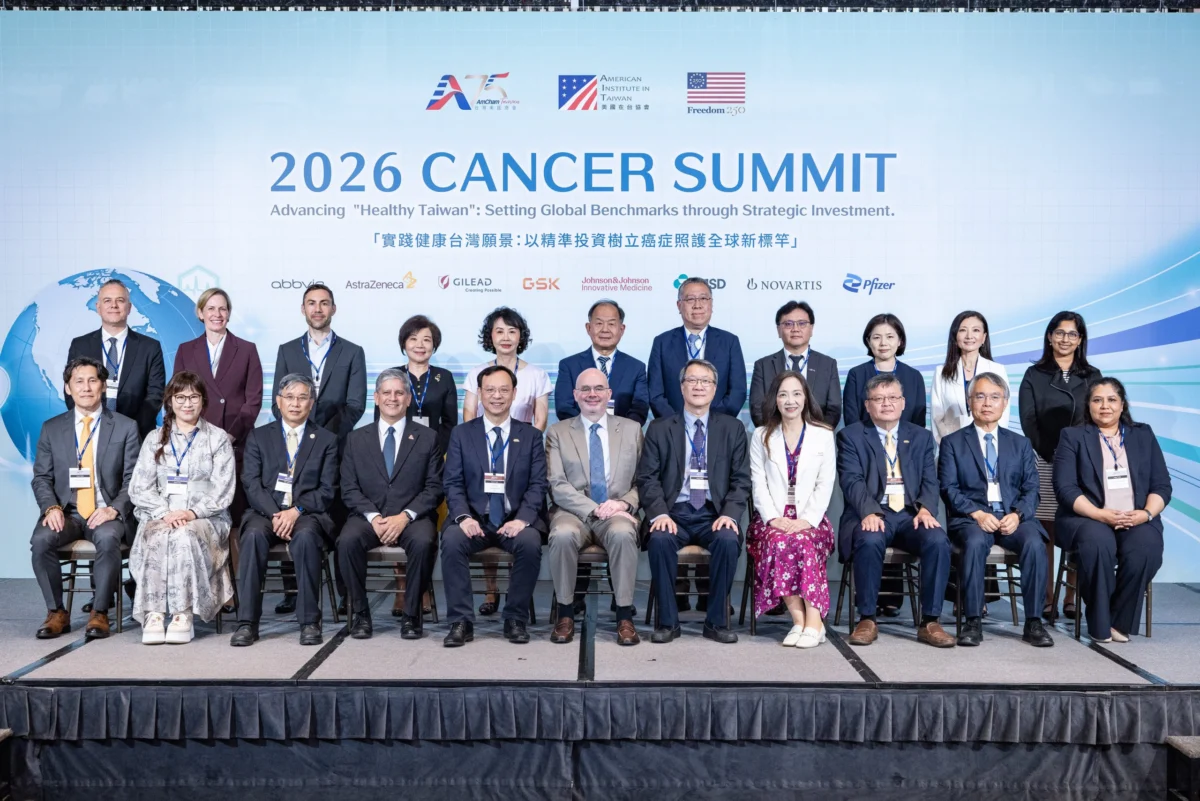
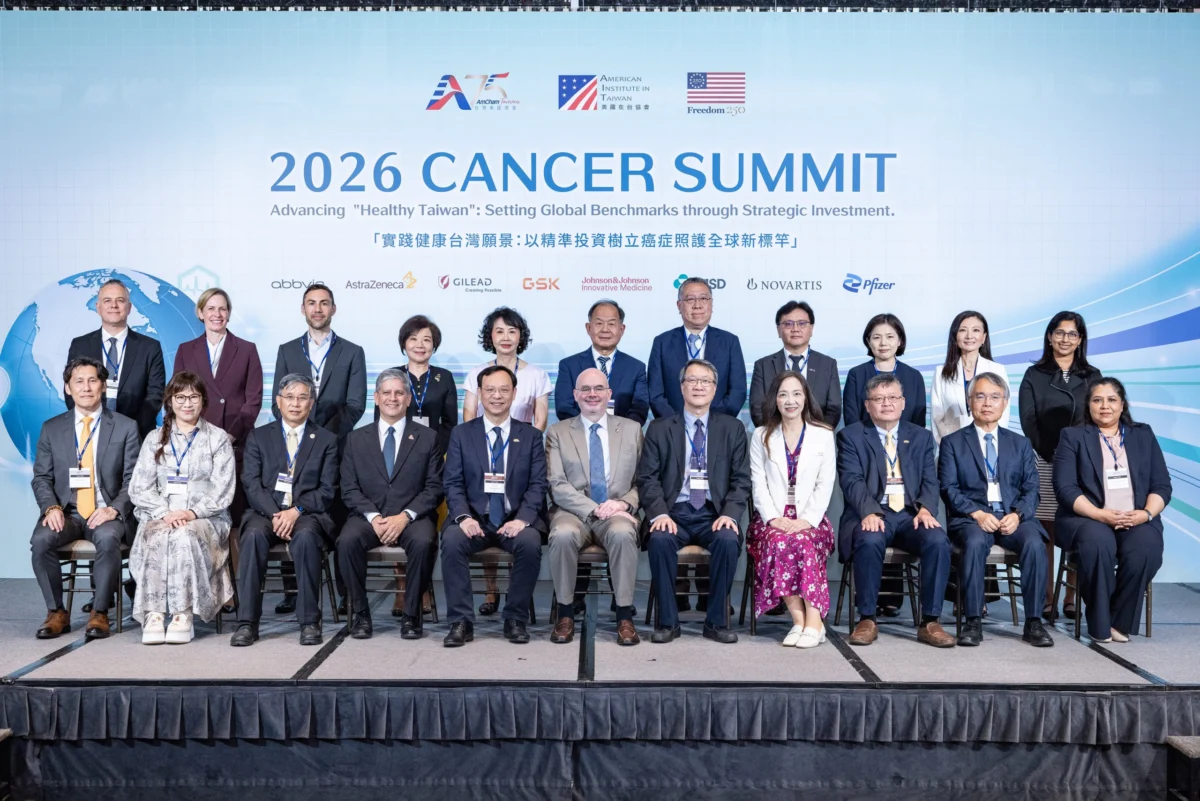
The American Chamber of Commerce in Taiwan (AmCham Taiwan), in strategic partnership with the American Institute in Taiwan (AIT), convened the 2026 AmCham Taiwan Cancer Summit on July 28 at the Regent Taipei. This high-level assembly, themed "Advancing ‘Healthy Taiwan’: Setting Global Benchmarks through Strategic Investment," served as a critical platform for multi-sectoral dialogue aimed at revolutionizing Taiwan’s oncological landscape. By bringing together prominent figures from government ministries, the pharmaceutical industry, academic research institutions, and patient advocacy groups, the summit sought to address the systemic challenges of resource allocation, the sustainability of the Cancer Drugs Fund (CDF), and the integration of international clinical standards into the domestic healthcare framework.
The 2026 summit arrives at a pivotal moment for Taiwan’s public health policy. As the nation grapples with an aging population and the increasing prevalence of complex chronic diseases, cancer remains the leading cause of death, a position it has held for over four decades. The event highlighted the urgency of aligning Taiwan’s National Health Insurance (NHI) system with the rapid pace of global pharmaceutical innovation, ensuring that Taiwanese patients have timely access to life-saving therapies that have already become standard in other developed economies.
A Vision for a "Healthy Taiwan" and the 2030 Mandate
Central to the summit’s discussions was the "Healthy Taiwan" initiative, a cornerstone policy of President Lai Ching-te’s administration. President Lai, a physician by training, has placed healthcare reform at the forefront of his national agenda, with the specific goal of reducing Taiwan’s standardized cancer mortality rate by one-third by the year 2030. This ambitious target requires more than incremental changes; it demands a total transformation of the cancer care ecosystem, from early detection and precision diagnosis to the reimbursement of advanced immunotherapies and cell treatments.
AmCham Taiwan President Carl Wegner opened the summit by emphasizing that the complexity of modern oncology necessitates a collaborative approach. Wegner noted that while scientific breakthroughs are occurring at an unprecedented rate, the true measure of success lies in the ability of a healthcare system to translate these innovations into accessible treatments for the general population. He advocated for a resilient, future-ready system built on the pillars of public-private partnerships and sustainable investment, suggesting that Taiwan has the potential to serve as a global benchmark for cancer care excellence.
Strategic Funding and the Evolution of the Cancer Drug Fund
A primary focus of the summit was the operational efficiency and long-term viability of the Cancer Drug Fund (CDF). Established in 2025, the CDF was designed to bridge the "reimbursement gap"—the period between the regulatory approval of a new drug and its inclusion in the National Health Insurance drug list. Historically, this delay has hindered patient access to innovative therapies, sometimes by several years.
Minister of Health and Welfare Shih Chung-liang, participating in the Grand Keynote Dialogue, provided an in-depth look at the government’s fiscal strategies. He revealed that the administration has significantly scaled up its commitment to cancer prevention, nearly tripling the cancer screening budget from NT$2.8 billion to NT$6.8 billion. This increase reflects a shift toward "upstream" intervention, aiming to catch malignancies at more treatable stages, thereby reducing the long-term financial burden on the state.
"Cancer prevention and control cannot be sustained without stable, long-term funding," Minister Shih stated. He explained that the CDF is not merely a financial reservoir but a strategic tool to align Taiwan’s reimbursement protocols with international treatment guidelines. By utilizing the CDF, the government can provide temporary coverage for promising new drugs while collecting real-world evidence (RWE) to determine their long-term cost-effectiveness and clinical impact.
Digital Transformation and Administrative Streamlining
The summit also addressed the "hidden" barriers to cancer care: administrative hurdles and data silos. Minister Shih highlighted the ongoing digital transformation within the Ministry of Health and Welfare (MOHW), which aims to streamline the prior authorization process for expensive treatments. By digitizing these procedures, the government intends to reduce the time patients must wait for approval, while simultaneously using the resulting data to evaluate treatment outcomes.
This data-driven approach is expected to optimize budget resources. By analyzing which therapies yield the best results for specific patient demographics, the MOHW can direct funding more precisely. This is particularly relevant for precision medicine, where genomic testing allows doctors to tailor treatments to the individual genetic profile of a tumor. The summit participants agreed that integrating digital health tools into the oncology pathway is essential for maintaining a connected care ecosystem that is both efficient and patient-centric.
Aligning with International Standards: The NCCN Benchmark
The second major pillar of the 2026 summit focused on clinical alignment with international standards. Experts from various oncology disciplines, including breast cancer, gynecologic cancers, and hematologic malignancies, discussed the importance of the National Comprehensive Cancer Network (NCCN) guidelines. These guidelines, developed by a consortium of leading U.S. cancer centers, are recognized globally as the gold standard for clinical policy in oncology.

Panelists argued that for Taiwan to maintain its status as a leader in medical technology, its domestic treatment protocols must mirror these international benchmarks. This includes the adoption of multidisciplinary care teams and the implementation of comprehensive care pathways that extend from initial screening through to survivorship or palliative care.
The discussion also touched upon the role of U.S.-Taiwan collaboration in clinical trials. By aligning clinical standards, Taiwan can become a more attractive destination for international multi-center trials, giving Taiwanese patients early access to experimental therapies and fostering a vibrant domestic biotechnology sector.
A Chronology of Collaboration: The Path to 2026
The 2026 Cancer Summit is the culmination of years of bilateral cooperation between Taiwan and the United States. The timeline of this partnership reflects an increasing depth of engagement:
- 2021: AmCham Taiwan and AIT launch the first Healthcare Innovation Forum, focusing on general health policy and digital health.
- 2022: The forum expands to include discussions on the sustainability of the National Health Insurance system and the role of innovative pharmaceuticals in economic growth.
- 2023: Under the leadership of AmCham’s Pharmaceutical Committee, the event is rebranded as the "Cancer Summit," specifically targeting the rising incidence of cancer in the Indo-Pacific region.
- 2024: The summit focuses on the "Cancer Moonshot" initiative, drawing inspiration from the U.S. program to accelerate discovery in cancer research.
- 2025: Taiwan officially establishes the Cancer Drug Fund (CDF), a major policy victory advocated for in previous AmCham summits.
- 2026: The current summit shifts focus to the "Connected Cancer Care Ecosystem," emphasizing the integration of funding, data, and clinical excellence.
This chronology demonstrates how the summit has evolved from a general policy dialogue into a specialized platform that drives tangible legislative and fiscal changes in Taiwan.
Economic and Social Implications of Enhanced Cancer Care
Beyond the clinical benefits, the summit explored the broader implications of improved cancer care for Taiwan’s society and economy. Cancer often strikes individuals during their peak productive years, leading to significant economic losses due to disability and premature mortality. By reducing the mortality rate by one-third, Taiwan stands to retain a significant portion of its skilled workforce, which is crucial given the nation’s demographic challenges.
Furthermore, the summit highlighted the potential for Taiwan to export its "Healthy Taiwan" model. As other nations in the region face similar challenges with aging populations and rising healthcare costs, Taiwan’s successful integration of a single-payer insurance system with a dedicated Cancer Drug Fund and high-tech digital monitoring could serve as a blueprint for others.
The partnership with the United States, facilitated through AIT, also reinforces Taiwan’s position in the global "soft power" arena. Healthcare collaboration is a powerful tool for international engagement, allowing Taiwan to share its medical expertise and contribute to global health security.
Future Outlook: Sustaining the Momentum
As the 2026 AmCham Taiwan Cancer Summit concluded, the consensus among participants was clear: the path to 2030 requires unwavering commitment from all stakeholders. AmCham Taiwan reaffirmed its dedication to working with government agencies and healthcare professionals to ensure that the policy recommendations discussed at the summit are translated into action.
The road ahead will involve navigating the complexities of drug pricing, managing the fiscal pressures on the NHI, and ensuring that the digital transformation of healthcare respects patient privacy while maximizing clinical utility. However, with the "Healthy Taiwan" vision providing a clear roadmap and the Cancer Drug Fund providing the necessary financial engine, Taiwan is well-positioned to achieve its ambitious goals.
In the words of the summit organizers, the event was not just a meeting of minds, but a call to action. By fostering a connected cancer care ecosystem that is strategically funded and internationally aligned, Taiwan is not only saving lives but is also setting a new global standard for what a modern, compassionate, and efficient healthcare system can achieve. The 2026 summit stands as a testament to the power of U.S.-Taiwan collaboration in addressing one of the most significant challenges of our time.

 Raul Delapena Setiawan
 Ammar Sabilarrohman