Nana Wu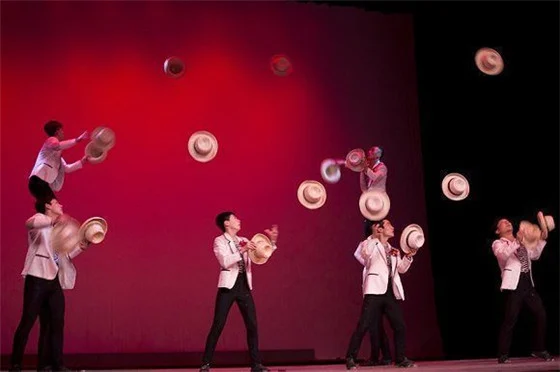
The historic streets of Havana resonated with the captivating sounds and sights of China as the esteemed Shandong Art Troupe presented a spectacular cultural gala on February 2nd at the prestigious Alicia Alonso Grand Theater. This enthralling performance, a vibrant tapestry of traditional Chinese music, dynamic dances, astonishing acrobatics, mesmerizing magic, and powerful martial arts, served as a warm and festive New Year’s greeting to the Cuban people, anticipating the imminent arrival of the Chinese New Year. The event was a significant highlight of the 27th Havana International Book Fair, where China was honored as the guest of honor nation, underscoring the deepening cultural ties between the two nations.
The gala, a jubilant celebration of Chinese culture, offered a breathtaking immersion into the spirit of the Spring Festival. Attendees were treated to the timeless elegance of Peking Opera, its dramatic narratives and distinctive vocalizations captivating the audience. This was seamlessly interwoven with a dazzling display of Chinese acrobatics, where performers showcased incredible feats of strength, flexibility, and coordination, eliciting gasps of awe from the captivated onlookers. The air was further enlivened by upbeat and vibrant Chinese music and dances, their infectious rhythms and colorful costumes drawing enthusiastic applause and setting a truly festive mood that resonated with local residents and international visitors alike. The performance not only entertained but also served as a profound cultural exchange, bridging continents and fostering understanding through the universal language of art.
A Cultural Diplomatic Milestone
The Shandong Art Troupe’s presence at the 27th Havana International Book Fair was not limited to a single spectacular evening. Their artistic contributions began with a significant performance during the book fair’s official opening ceremony on February 1st. This dual engagement underscored China’s commitment to actively participating in and enriching the cultural landscape of the event.
According to representatives from the Shandong Art Troupe, the Chinese cultural gala was more than just a series of performances; it represented a pivotal moment within the broader framework of China’s role as the guest of honor nation. This designation provided a platform for a diverse array of Chinese cultural activities, offering Cubans an unparalleled opportunity to engage with the multifaceted heritage of the People’s Republic of China. The troupe’s participation was a key element in China’s strategic cultural diplomacy, aimed at strengthening bilateral relations and fostering mutual appreciation.

Official Acclaim and Cultural Appreciation
The impact of the Shandong Art Troupe’s performances was widely recognized and lauded by Cuban officials. Abel Prieto, the Cuban Minister of Culture, expressed his profound satisfaction with the artistic offerings. He remarked that the "variety and beauty of the gala showcased China’s diversity," a testament to the rich and multifaceted nature of Chinese artistic expression.
Minister Prieto further elaborated on the significance of China’s role as the guest of honor, stating, "I am very happy with how the Chinese government assumed the commitment to be the nation guest of honor at our book fair… They made a real effort to bring China’s culture as an important gift for readers and in general for the Cuban public." This statement highlights the deliberate and concerted effort undertaken by China to share its cultural wealth, positioning it not merely as a participant but as a generous contributor to the intellectual and artistic vibrancy of the Havana International Book Fair. The minister’s words underscored the successful realization of a shared objective: to use cultural exchange as a powerful tool for building bridges and fostering goodwill.
The Havana International Book Fair: A Cultural Epicenter
The 27th Havana International Book Fair, the backdrop for these extraordinary cultural performances, is itself a landmark event within the Cuban cultural calendar. Commencing on February 1st, the fair was strategically held at the historic Fortress of San Carlos de la Cabana, a location steeped in Cuban history and offering a magnificent setting for intellectual and artistic discourse. The book fair is recognized as a cornerstone of the Cuban publishing sector and a significant cultural event for the nation, drawing participants and audiences from across the globe.
Organizers reported a robust attendance, with approximately 122 exhibitors from 22 nations participating at the main venue. The sheer scope of the event necessitated the utilization of 22 sub-venues throughout Havana, a reflection of its extensive academic, artistic, and literary program, which proved too vast to be contained within a single location. This expansive reach underscores the fair’s importance as a platform for intellectual exchange, literary discovery, and cultural celebration.
The fair’s itinerary was designed for maximum impact, with its initial stage concluding in Havana on February 11th. Following its Havana engagement, the fair embarked on a nationwide tour, extending its reach to the rest of Cuba before culminating its journey on May 13th in the eastern city of Santiago de Cuba. This extended duration and geographical spread ensured that the cultural and literary offerings of the fair could be experienced by a wider segment of the Cuban population.

A Legacy of Cultural Exchange and Artistic Excellence
The performances by the Shandong Art Troupe at the Havana International Book Fair exemplify a long-standing tradition of cultural diplomacy between China and Cuba. This exchange serves as a potent reminder of how artistic expression can transcend political and geographical boundaries, fostering mutual understanding and appreciation between diverse cultures. The troupe’s ability to seamlessly blend traditional artistry with contemporary flair, as demonstrated by acrobats performing in the style of Michael Jackson, reflects a dynamic and evolving cultural landscape that respects its roots while embracing innovation.
The success of the gala can be attributed to several key factors: the inherent richness and diversity of Chinese culture, the exceptional talent and dedication of the Shandong Art Troupe, and the enthusiastic reception from the Cuban audience. The event not only provided entertainment but also offered educational insights into Chinese traditions, arts, and history. It allowed Cubans to connect with China on a personal and emotional level, moving beyond media portrayals and engaging directly with the heart of its culture.
The implications of such cultural exchanges are far-reaching. They contribute to a more nuanced and informed global perspective, combating stereotypes and promoting empathy. For Cuba, hosting China as the guest of honor nation provided a unique opportunity to showcase its own cultural landscape while simultaneously enriching its understanding of another vibrant civilization. For China, it reinforced its image as a nation with a deep and enduring cultural heritage, actively engaging with the international community through soft power initiatives.
The photographs accompanying the news report, depicting acrobats juggling straw hats and performing Peking Opera, serve as visual testament to the artistry and energy of the performances. These images, alongside the official statements and the context of the Havana International Book Fair, paint a comprehensive picture of a successful cultural initiative. The troupe’s willingness to engage in multiple facets of the fair, from the opening ceremony to a dedicated gala, underscores their commitment to making a lasting impression.
In conclusion, the Shandong Art Troupe’s vibrant showcase in Havana was more than just a performance; it was a powerful demonstration of cultural diplomacy, a joyous celebration of shared humanity, and a fitting prelude to the Chinese New Year, leaving an indelible mark on the hearts and minds of the Cuban people and reinforcing the enduring bonds of friendship between China and Cuba. The event served as a potent reminder of the unifying power of art and the importance of cultural exchange in building a more interconnected and understanding world. The meticulous planning and execution of such events highlight the strategic importance placed by both nations on fostering deep and meaningful cultural connections, which often pave the way for broader cooperation in other sectors. The echoes of the festive music and the images of graceful dancers and daring acrobats are likely to resonate in Havana long after the book fair has concluded, a testament to the profound impact of this cultural bridge.

 Asep Darmawan
 Rifan Muazin