Layla Zulfa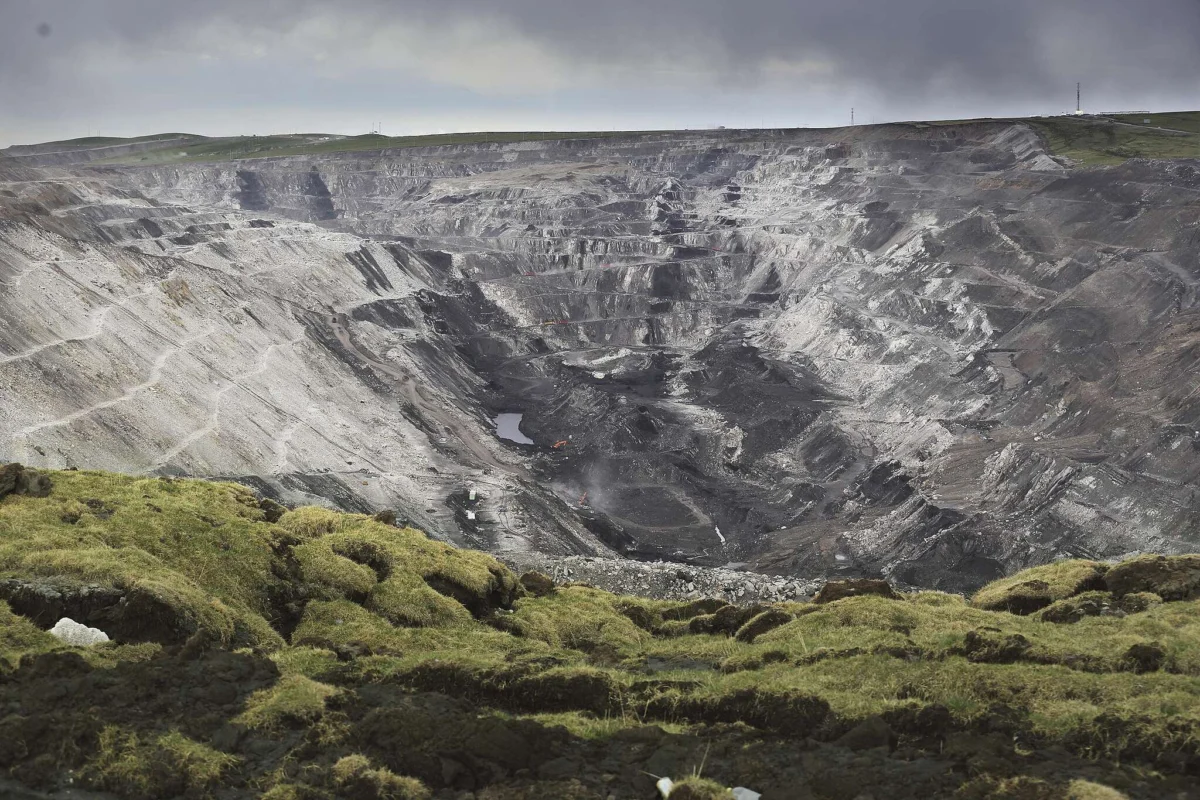
Shockwaves from escalating geopolitical tensions and the ensuing conflict in the Middle East have sent ripples across the globe, underscoring the fragility of international stability and its direct impact on global energy markets. In the month since military actions were initiated by the United States and Israel against Iran, and subsequently escalated in Lebanon, the world has been reminded of the volatile nexus between fossil fuel interests, geopolitical power plays, and the devastating human cost of war. The immediate casualties are borne by the populations in the affected regions, but the secondary impacts are felt worldwide, disrupting supply chains, inflating prices, and injecting a pervasive sense of uncertainty into daily life.
The conflict’s origins are deeply intertwined with the strategic importance of energy resources in the Middle East, a region that holds a significant portion of the world’s proven oil reserves. The escalating hostilities have triggered concerns about the stability of global energy flows, particularly through vital chokepoints like the Strait of Hormuz. Historically, disruptions in this region have led to dramatic fluctuations in crude oil prices, impacting everything from transportation costs to the manufacturing sector and ultimately, household budgets. The current situation has amplified these anxieties, with many watching the unfolding events with a mixture of dread and apprehension, as news cycles are dominated by real-time updates and personal connections are strained by the constant flow of alarming information.
Greenpeace has unequivocally called for an immediate cessation of all military hostilities, a steadfast adherence to international law, and a decisive pivot towards diplomatic solutions to de-escalate the crisis. The organization emphasizes that the reliance on fossil fuels has not only fueled past conflicts but continues to be a primary driver of global instability, posing a fundamental threat to both peace and planetary health.
The Shadow of Fossil Fuels on Global Stability
The interconnectedness of the global economy means that conflicts, especially those involving major energy producers, inevitably cast a long shadow. The recent military actions have reverberated through international trade, impacting the movement of goods, energy resources, and essential commodities. This disruption has contributed to imported inflation in various economies, including China, where concerns are rising about the economic repercussions.
However, China’s burgeoning embrace of renewable energy sources and its significant investment in electric vehicles (EVs) have provided a notable buffer against the full force of these oil price shocks. The widespread adoption of EVs, coupled with China’s substantial capacity in wind and solar power generation, has reduced the nation’s direct dependence on imported oil for its transportation and a growing portion of its electricity needs. This resilience, though not absolute, highlights the strategic advantage of transitioning away from fossil fuels.
Despite these advancements, China’s energy landscape remains significantly reliant on fossil fuels, particularly coal, for its overall energy mix. This ongoing dependence, as highlighted by the current crisis, represents a critical vulnerability. The volatile nature of fossil fuel markets, exacerbated by geopolitical instability, demonstrates that any nation heavily reliant on these resources remains susceptible to external pressures and price manipulation. This situation serves as a stark reminder of the inherent risks associated with fossil fuel dependence, risks that have historically instigated and perpetuated conflicts worldwide.
"Oil is War and Green is Peace": A Global Call for Change
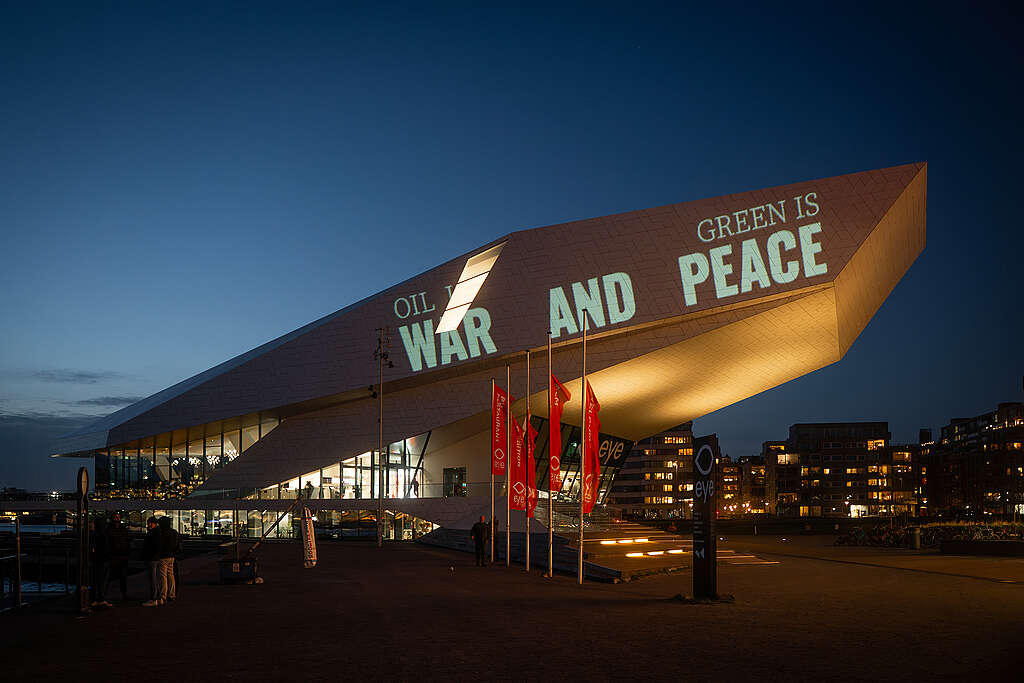
The stark contrast between the destructive impact of fossil fuel-driven conflicts and the sustainable promise of green energy was powerfully illustrated by a projection at the EYE Filmmuseum in Amsterdam, bearing the message "Oil is War and Green is Peace." This visual statement encapsulates a growing global sentiment that recognizes the intrinsic link between the world’s reliance on fossil fuels and its susceptibility to conflict and environmental degradation. The projection served as a potent reminder that the pursuit of energy security through traditional, finite resources often leads to insecurity and violence, while the transition to renewable energy offers a pathway towards genuine peace and long-term sustainability.
China’s Green Shield: Resilience Through Renewables and EVs
The recent geopolitical turmoil has amplified discussions around energy security and the role of renewable energy in mitigating the impact of global price shocks. In China, the extensive electrification of its transportation sector, with over 30 million EVs on the road, has been instrumental in offsetting the demand for gasoline. This vast EV fleet alone is estimated to offset approximately 430,000 barrels of gasoline daily, a significant reduction in reliance on imported oil.
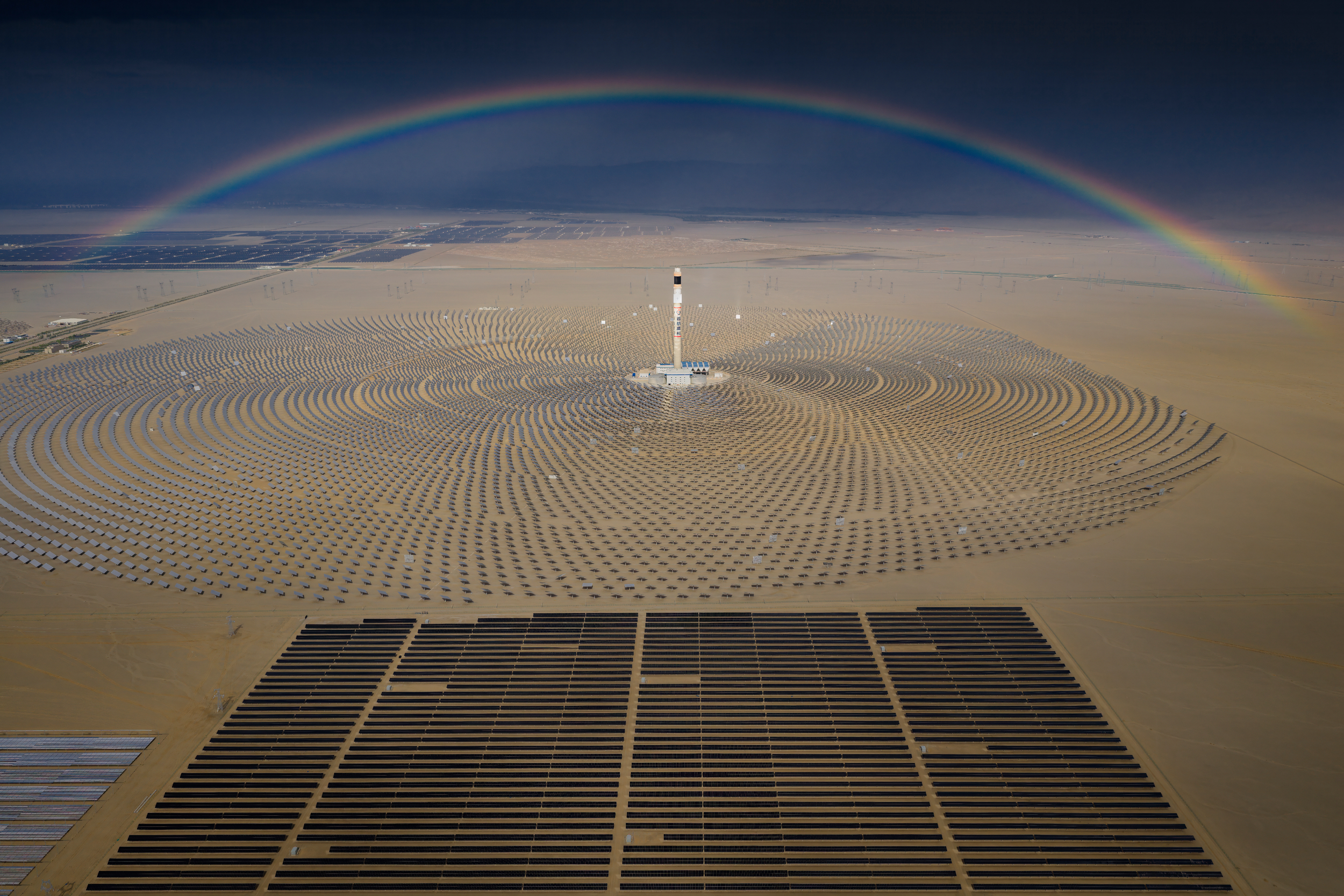
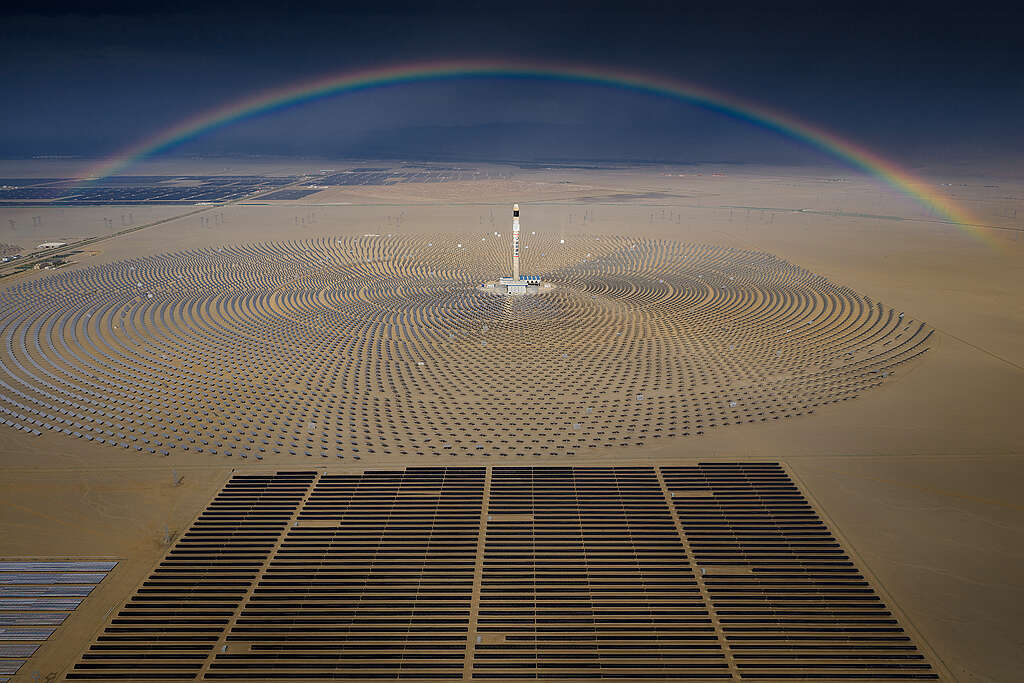
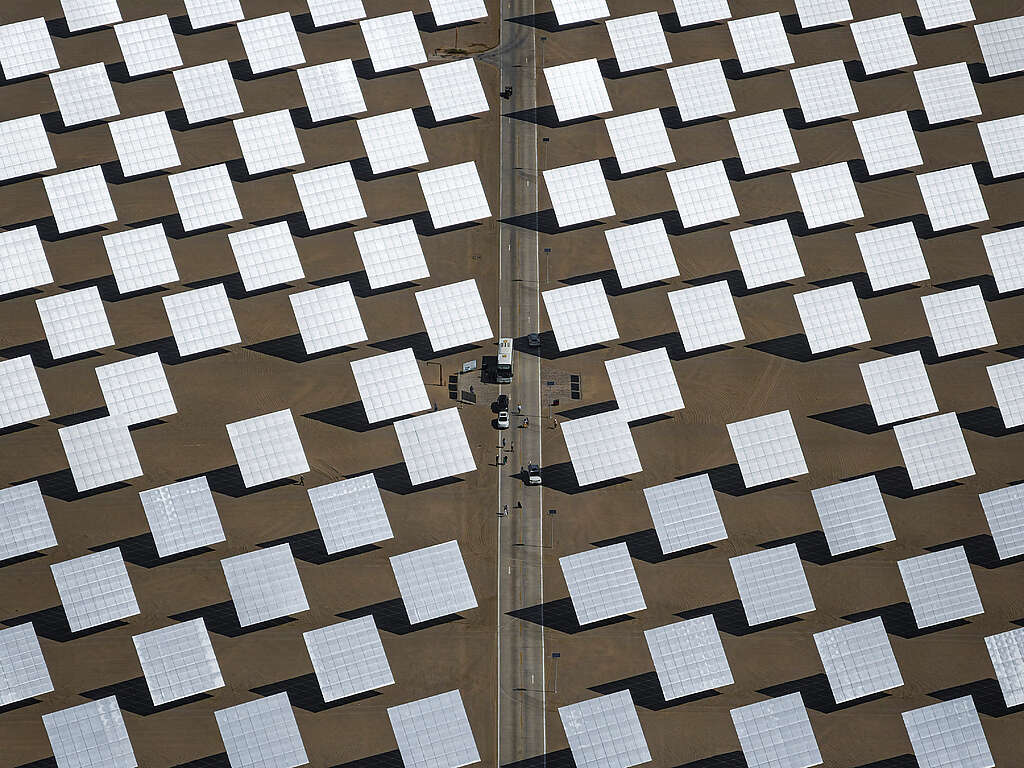
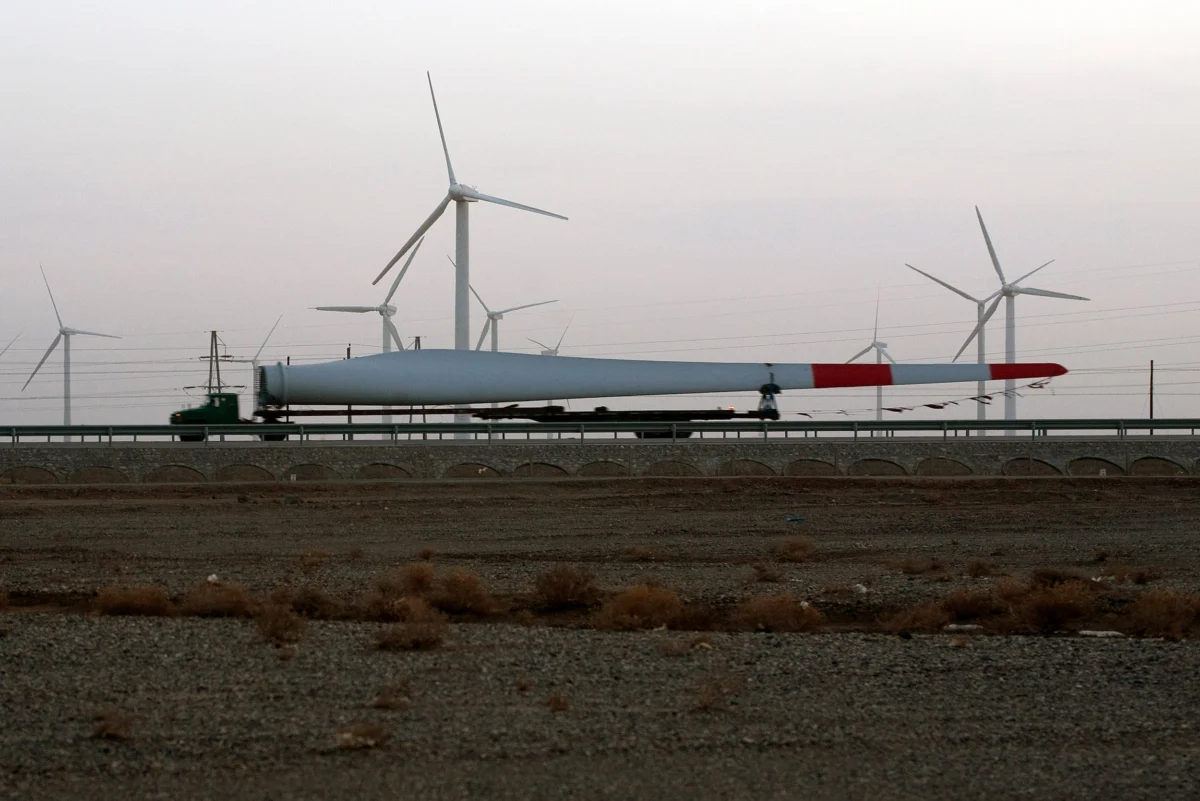
Furthermore, China’s commitment to expanding its wind and solar energy infrastructure has been substantial. The nation has emerged as a global leader in the installation of wind turbines and solar panels, demonstrating a clear strategy to diversify its energy sources. Recent policy initiatives and planning documents signal a dedicated focus on advancing a new power system, incorporating grid-scale energy storage solutions and smart grid technologies. These advancements are crucial for stabilizing the grid and further displacing the need for fossil fuels.
Projections indicate that at the current pace of renewable energy growth and grid modernization, China could generate 33% of its electricity from renewable sources by 2028, and aim for 40% of its total electricity consumption from renewables by 2030. This trajectory suggests a growing capacity to withstand external shocks to the global energy market.
The EV Boom: A Driving Force for Reduced Fossil Fuel Dependency
The rapid expansion of electric vehicle adoption in China is a pivotal trend significantly reducing the nation’s reliance on fossil fuels, particularly in the transportation sector. In Beijing, where Greenpeace East Asia maintains an office, approximately one in every six vehicles observed on the road is an electric vehicle. This surge in EV ownership has directly contributed to a decline in oil consumption for transportation purposes. Data indicates that since 2018, China’s oil consumption (encompassing gasoline and diesel) in the transportation sector has begun to decrease, with EVs being the primary catalyst for this shift. This trend is projected to accelerate considerably; the current daily offset of 430,000 barrels of gasoline by EVs could potentially quadruple by 2040, further diminishing the country’s vulnerability to oil price volatility.
The true cost associated with internal combustion engine (ICE) vehicles, encompassing not only fuel expenses but also their environmental impact and contribution to geopolitical instability, is staggering. The recurring oil price shocks serve as a potent reminder of the persistent risks inherent in these older automotive technologies. This escalating cost of operating and maintaining ICE vehicles, coupled with the growing awareness of their environmental and economic drawbacks, is a significant factor driving consumer preference towards EVs. Automakers, both within China and internationally, are increasingly recognizing this paradigm shift. The volatility in oil prices should serve as a critical wake-up call for the industry, urging a more rapid and decisive transition towards electric mobility.
China at a Crossroads: The Coal Dilemma
While China’s progress in renewable energy and EV adoption offers a promising shield against fossil fuel price shocks, the nation finds itself at a critical juncture. The ongoing geopolitical crisis intensifies the pressure on Beijing to accelerate its transition away from coal and solidify renewable energy as the cornerstone of its national energy system.
Despite the rapid growth of wind and solar power, coal continues to represent a significant portion of China’s energy consumption, accounting for more than half of its total energy needs. Consequently, wind and solar, while making up 22% of total electricity generation, constitute only about 10% of overall energy consumption. This disparity underscores the challenge of fully displacing coal from the energy mix.

However, there is substantial potential for renewable energy to replace coal. A recent Greenpeace report projected that China achieved its coal power emission peak in 2025. In the same year, the combined electricity generation from wind and solar was sufficient to meet 100% of China’s total increase in power demand. This milestone indicates that China no longer needs to construct additional coal-fired power plants to satisfy growing energy requirements.
The Systemic Barrier of Coal and the Path Forward
The continued reliance on coal presents a systemic barrier to the more robust adoption of wind and solar power. Since 2022, the narrative surrounding "energy security" has often been accompanied by an increase in the construction of new coal power plants. This approach, while perhaps intended to bolster immediate energy supply, paradoxically entrenches dependence on a volatile and polluting fuel source.
The lesson learned from the current oil price shocks is clear: dependence on finite, contested, combustible, and inherently corrupting fossil fuels creates systemic risk, regardless of stockpiling efforts. The international community has witnessed how geopolitical maneuvering and the pursuit of fossil fuel dominance can destabilize entire regions and economies.

The growing adoption of renewable energy, coupled with the expanding electrification of key sectors like transportation, provides a vital shield for China’s economy, protecting it from the severe fossil fuel price shocks experienced by many other nations. Nevertheless, a continued, albeit cautious, reliance on coal, alongside the slower pace of phasing out outdated ICE automotive manufacturing, risks undermining the effectiveness of this protective shield.
The pathway to true energy security and lasting peace lies in accelerating the transition to a fully renewable energy system. This transition not only mitigates economic vulnerability but also addresses the urgent imperative of climate action and fosters a more stable and equitable global future. The choice before China, and indeed the world, is to decisively move beyond the era of fossil fuels and embrace the power and promise of clean, sustainable energy for generations to come.
Yuan Ying is the Programme Director and Chief China Representative at Greenpeace East Asia, based in Beijing.

 Asep Darmawan
 Asro
Asro