Nana Wu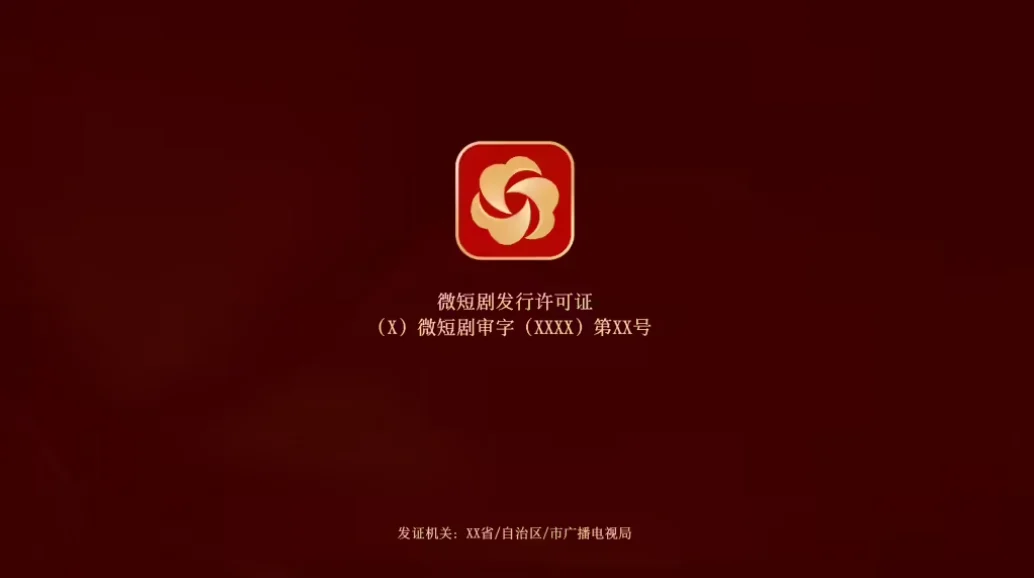
China has officially introduced a unified "Taihua" mark for a specific category of micro-dramas, signaling a significant move to standardize content management within the rapidly expanding short-form video industry. This new regulatory identifier is designed to appear for three seconds at the commencement of each episode and subsequently remain visible in the upper-right corner throughout the entire duration of the program. The implementation of this system took effect on September 1, with an initial cohort of 11 licensed productions already adopting the mark. All newly launched productions falling under this classification are mandated to integrate the "Taihua" mark into their content by the end of October, according to reports from IT Home.
Understanding the "Taihua" Mark and Its Regulatory Imperative
The introduction of the "Taihua" mark is a clear indication of Beijing’s increasing focus on governing the vast and often decentralized world of online short-form video content. Operated under the auspices of the National Radio and Television Administration (NRTA), the "Taihua" designation serves as a formal seal of approval, signifying that the associated micro-drama has undergone and successfully passed content review processes. This mark is not merely a branding element but a regulatory tool intended to ensure adherence to national content guidelines, promote positive social values, and foster a "healthy" online entertainment environment. By requiring its prominent display, the NRTA aims to provide immediate visual cues to viewers regarding the content’s vetted status, while simultaneously exerting greater control over production standards and thematic elements. The mark’s sustained presence throughout an episode underscores a continuous regulatory endorsement, aiming to build consumer trust and guide content creators towards compliant narratives.
The Phenomenal Rise of Micro-Dramas in China
Micro-dramas, often characterized by their concise episodes (typically ranging from 1 to 10 minutes), fast-paced narratives, and high production volume, have experienced an explosive surge in popularity across China over the past few years. This phenomenon is deeply intertwined with the country’s mobile-first internet penetration and the widespread adoption of short-video platforms like Douyin (TikTok’s Chinese counterpart) and Kuaishou. These platforms have transformed content consumption habits, favoring easily digestible, engaging, and shareable content. Micro-dramas, often designed for vertical viewing on smartphones, perfectly cater to this demand, offering quick bursts of entertainment that fit seamlessly into users’ daily commutes, breaks, or leisure moments.
The genres covered by micro-dramas are incredibly diverse, ranging from urban romance and fantasy to historical sagas, suspense thrillers, and even adaptations of popular web novels. Many leverage common internet tropes and cliffhanger endings to maximize viewer engagement and encourage binge-watching. Economically, this sector has become a significant player within China’s digital entertainment landscape. Market research indicates that the short-form video industry, of which micro-dramas are a rapidly growing segment, commands hundreds of millions of daily active users and generates substantial revenue through advertising, in-app purchases, and increasingly, pay-per-episode models. Production costs for micro-dramas can vary widely, from amateur-level creations to professional, high-budget series, attracting significant investment from media companies, tech giants, and independent studios alike. This burgeoning ecosystem has also created new avenues for content creators, screenwriters, and actors, contributing significantly to the digital economy.
A History of Content Regulation in China’s Digital Sphere
China’s digital content landscape has long been subject to stringent governmental oversight, driven by a comprehensive framework aimed at maintaining social stability, promoting national values, and curbing content deemed "harmful" or "inappropriate." The NRTA, along with other bodies like the Cyberspace Administration of China (CAC), plays a pivotal role in enforcing these regulations across various media forms, including traditional television, film, and increasingly, online platforms.
Over the past decade, regulatory actions have progressively expanded to encompass the rapidly evolving internet content sphere. Initial efforts focused on traditional web dramas and online movies, requiring licenses and content review processes similar to those for broadcast media. As short-form video platforms gained prominence, they too came under scrutiny. Past crackdowns have targeted issues such as "vulgar" content, excessive promotion of celebrity culture, content deemed politically sensitive, gambling, pornography, and misinformation. For instance, in 2018, several popular short-video apps faced temporary bans or content purges due to perceived violations of content guidelines. The government has consistently emphasized the promotion of "positive energy," which broadly refers to content that aligns with socialist core values, promotes patriotism, and fosters a harmonious society. This overarching directive has shaped the thematic boundaries and narrative approaches permissible within Chinese media. The "Taihua" mark can be seen as a natural progression of this regulatory trajectory, adapting established content management principles to a new, highly dynamic digital format.
Chronology of Implementation and Future Outlook
The groundwork for the "Taihua" mark system has likely been laid over several months, if not longer, as regulators observed the rapid expansion and increasing influence of micro-dramas. While specific dates for policy drafting and internal consultations are not publicly disclosed, the official implementation date of September 1 marks a critical juncture. From this date, all new micro-dramas intended for public distribution are expected to begin the process of obtaining this mark.
The initial batch of 11 licensed productions serves as a pilot group, demonstrating compliance and setting a precedent for the industry. These productions likely represent a cross-section of genres and production scales, providing valuable feedback to regulators on the practicalities of the new system. The end-of-October deadline for all newly launched productions to adopt the mark signifies a rapid rollout and a clear expectation for immediate industry-wide compliance. This short window implies that producers and platforms have been well-aware of the impending changes, or are now required to swiftly adapt their content submission and review workflows. The process for obtaining the mark is expected to involve submitting detailed scripts, production plans, and potentially even finished episodes to the NRTA or designated review bodies. Once approved, the "Taihua" mark will be granted, allowing for distribution. This structured approach aims to professionalize the sector, moving away from potentially unregulated, ad-hoc content creation towards a more formalized, state-sanctioned production model.
Industry Reactions and Compliance Challenges
While official statements from individual production houses or platforms regarding the "Taihua" mark are often carefully worded to express full support for regulatory initiatives, the introduction of such a system undoubtedly presents both opportunities and challenges for the micro-drama industry. Industry analysts suggest that major platforms and established production companies are likely to view the "Taihua" mark as a step towards greater legitimacy and market maturity. A standardized approval process could, in theory, streamline content distribution by reducing uncertainty about regulatory compliance, potentially attracting more institutional investment and higher-profile talent. For larger players already accustomed to navigating China’s complex regulatory landscape, integrating the "Taihua" mark into their production pipelines might primarily involve procedural adjustments.
However, for smaller independent studios, new entrants, or individual creators, the new system could pose significant compliance challenges. The costs associated with navigating the review process, potential delays in content release due to regulatory scrutiny, and the need to align creative vision strictly with official guidelines might be prohibitive. This could lead to a consolidation of the market, favoring well-resourced companies that can afford dedicated compliance teams and have established relationships with regulatory bodies. Producers will need to pay closer attention to thematic elements, dialogue, and visual content to ensure they avoid any potential pitfalls that could lead to rejection or necessitate costly revisions. The emphasis on "positive energy" and national values will likely steer content away from controversial topics, excessive violence, or narratives that could be interpreted as undermining social harmony.
Broader Implications for Content Creation and Consumption
The "Taihua" mark carries significant implications for both the creative process and the consumption experience within China’s micro-drama ecosystem. From a creative standpoint, while some might argue that stricter guidelines could stifle artistic expression and lead to more homogenized content, the regulatory intent is often framed as guiding content towards higher quality and more socially responsible narratives. Producers may increasingly opt for themes that are explicitly positive, educational, or aligned with national policy objectives, potentially leading to a surge in historical dramas promoting cultural heritage, stories celebrating technological advancements, or narratives focusing on community building. This could lead to a more polished, albeit potentially less edgy, output.
For consumers, the "Taihua" mark is intended to serve as a guarantee of content quality and safety. Viewers will theoretically be able to trust that any micro-drama bearing the mark has been vetted for appropriate content, free from elements that might be deemed offensive, misleading, or harmful, especially to younger audiences. This could enhance audience trust and contribute to a more family-friendly online viewing environment. However, it also means that the diversity of content might narrow, with certain niche or controversial themes becoming less common.
Ultimately, the "Taihua" mark is a testament to China’s unique approach to digital media governance. It seeks to balance the immense commercial potential and cultural influence of online entertainment with the government’s strong imperative for content control and ideological alignment. It represents a significant step in formalizing the micro-drama industry, bringing it further into the orbit of state-supervised media. As the system matures, its long-term impact on creativity, market dynamics, and audience engagement will become clearer, shaping the future trajectory of one of the world’s most dynamic digital content markets.


 Ali Ikhwan
 Reynand Wu