Asep Darmawan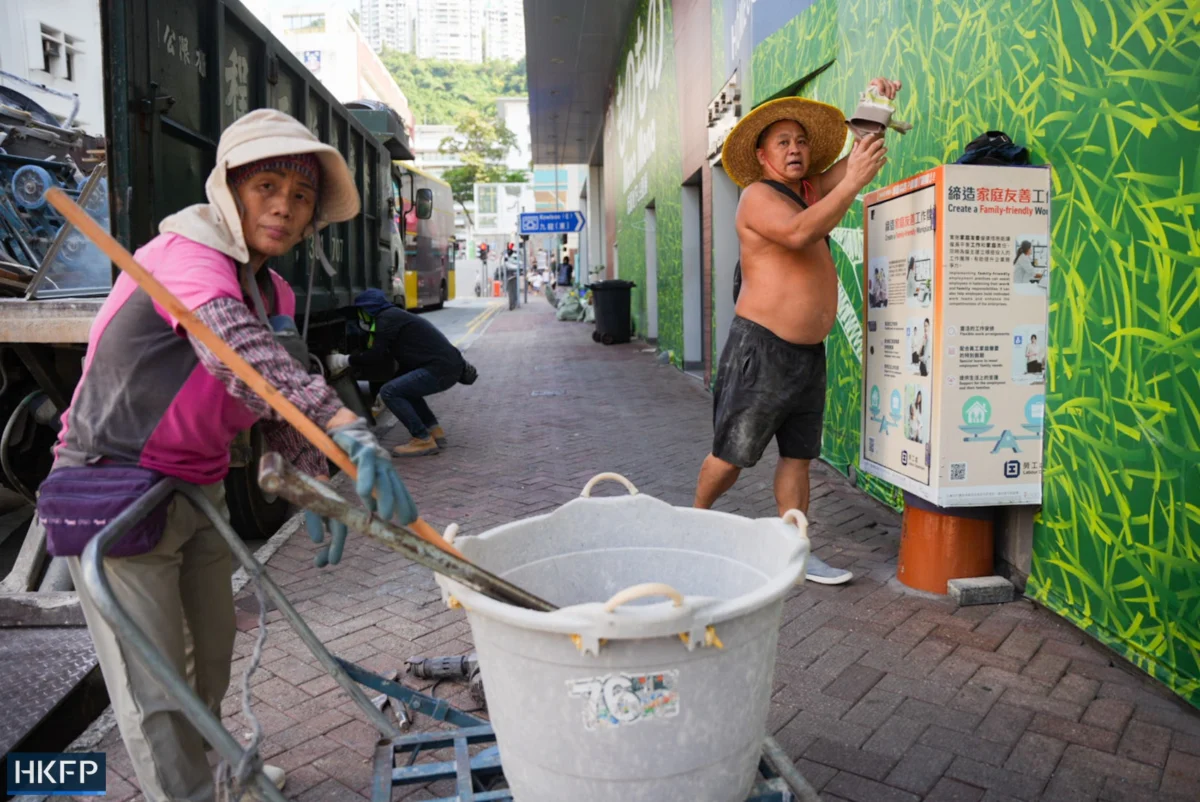
Nearly 80 percent of low-income elderly residents in Hong Kong are experiencing significant physical and mental distress due to extreme heat, according to a recent survey by Greenpeace. The findings underscore the profound vulnerability of this demographic to the escalating impacts of climate change and the city’s increasingly sweltering summers. The report, released on Monday, highlights a critical gap in public health support and preparedness for one of Hong Kong’s most susceptible populations.
The environmental watchdog’s comprehensive survey, conducted in June and July of the current year, polled 127 individuals aged 65 and above. These residents were drawn from seven districts in Hong Kong that are characterized by rapidly aging populations. The data reveals a stark picture of living conditions: over half of the surveyed elderly reside in public rental housing, while a significant 35.4 percent are housed in what the report terms "inadequate housing," a category that includes cramped subdivided units and precarious rooftop squatter huts. These living conditions often lack adequate ventilation and cooling infrastructure, exacerbating the risks associated with high temperatures.

Furthermore, the survey identified that a substantial 60 percent of respondents live alone or with only an elderly partner. This isolation can compound the challenges of coping with extreme heat, as there may be fewer individuals to provide assistance or recognize the early signs of heat-related illness.
The impact on well-being is alarming. A staggering 78.7 percent of those surveyed reported experiencing at least one form of heat-related discomfort that negatively affected their health, mood, or sleep patterns. The consequences are not merely discomfort; 5.5 percent of respondents indicated they had been hospitalized due to a heat-related illness within the past year, a figure that, while seemingly small, represents a serious health crisis within this vulnerable group.
The "Silent Killer": A Growing Threat to Seniors
Greenpeace campaigner Prudence Yeung aptly described extreme heat as a "silent killer" for the elderly population. "Elderly people are at high risk from extreme heat due to declining physiological functions, and some suffer from chronic illnesses," Yeung stated in a press release. This heightened susceptibility is a well-documented medical fact, as aging bodies are less efficient at regulating temperature, and pre-existing health conditions can be significantly aggravated by heat stress.

Yeung further highlighted the alarming trend by citing official data obtained by Greenpeace from the Department of Health. Between 2015 and 2024, the number of hospital discharges and deaths related to heatstroke among patients aged 65 or above saw a dramatic 16-fold increase, rising from just four to 68. This surge is particularly concerning as it represents the sharpest increase across all age demographics and does not even encompass other heat-related ailments that may lead to hospitalization. This data paints a grim picture of escalating health crises directly attributable to rising temperatures.
Underestimating Risks and Lacking Resources
A concerning finding from the Greenpeace survey is that more than 70 percent of the elderly respondents tended to underestimate the health risks associated with extreme heat. Many believed they would be safe from heatstroke simply by remaining indoors, a misconception that could lead to dangerous inaction during heatwaves. This perception gap is critical, as it suggests a need for more effective public health messaging tailored to the elderly population.
The survey also shed light on the inadequate use of cooling measures. Approximately one-third of respondents reported never or rarely using air conditioning, even during periods of extreme heat. This figure escalated to a stark 55 percent among those living in inadequate housing. The primary reasons cited for this lack of air conditioning use were the absence of air conditioner units in their homes or the prohibitive cost of electricity bills. This points to a socio-economic barrier that directly impacts health and safety during hot weather.

Deficiencies in Social Support and Government Response
The lack of accessible and effective social support for elderly residents facing extreme heat is another critical issue raised by the Greenpeace report. Nearly 80 percent of respondents indicated they had not received any heat-related community services in the previous two years. These services could include the provision of cooling supplies, access to community cooling centers, or educational resources on heat safety. This highlights a significant void in the support network designed to protect this vulnerable group.
The perception of government support among the surveyed elderly is also largely negative. About 60 percent of respondents found government assistance during extreme heat to be insufficient. Compounding this, a significant 27 percent stated they were unaware of any existing policy support aimed at mitigating the effects of heatwaves. Furthermore, a staggering 90 percent of respondents had never visited a government-designated heat shelter, suggesting either a lack of awareness of these facilities, accessibility issues, or a reluctance to use them.
A City Under Pressure: Record-Breaking Heat and Future Projections
Hong Kong has been grappling with an exceptionally hot summer. On August 9th, the Hong Kong Observatory’s Tsim Sha Tsui headquarters recorded a scorching 36.9 degrees Celsius, marking the highest temperature since records began over 140 years ago. This record-breaking heatwave is not an isolated incident but part of a concerning global trend.

The Hong Kong Observatory has warned that more record highs are anticipated this year, attributing this to the intensifying influence of climate change and a "super-strong" El Niño event currently developing in the Pacific Ocean. These large-scale climatic phenomena contribute to the increased frequency and intensity of extreme weather events worldwide.
The scientific consensus, as articulated by the Intergovernmental Panel on Climate Change (IPCC), confirms that human-caused climate change has led to a continuous increase in the intensity and frequency of heatwaves since the mid-20th century. The accumulation of greenhouse gases like carbon dioxide in the atmosphere traps heat, leading to a rise in the planet’s surface temperature. This, in turn, results in hotter and longer heatwaves, posing a significant and growing risk to human lives.
Research from the NGO Berkeley Earth indicates that Hong Kong has already experienced a warming of 1.7 degrees Celsius since the Industrial Revolution. Projections for the future are even more dire. A 2023 study published in PNAS (Proceedings of the National Academy of Sciences) warns that by the end of the century, heat and humidity in some parts of the world could reach lethal levels for prolonged periods, making it impossible for humans to survive outdoors. This underscores the urgent need for Hong Kong to adapt to a changing climate.

Greenpeace’s Call to Action
In response to these critical findings, Greenpeace is urging the Hong Kong authorities to implement a "people-centred" action plan for high-temperature events. This plan should include a significant strengthening of efforts to promote heatstroke prevention awareness, particularly among vulnerable groups like the elderly. The NGO emphasizes the need for proactive measures that go beyond reactive responses, focusing on building resilience within the community.
Specific recommendations likely include:
- Enhanced Public Awareness Campaigns: Targeted and accessible campaigns to educate the elderly and their caregivers about the risks of heatstroke, early warning signs, and preventive measures. This should utilize diverse communication channels, including community centers, elderly care services, and traditional media.
- Improved Housing Standards: Advocating for policies that ensure adequate ventilation and cooling in low-income housing, particularly for the elderly. This could involve subsidies for air conditioning installation or mandatory building codes for new developments.
- Expanded Community Support Services: Development and implementation of comprehensive community programs offering cooling centers, provision of cooling supplies (like fans and cooling mats), and regular welfare checks during heatwaves.
- Accessible Heat Shelters: Increased promotion, accessibility, and potentially extended operating hours of government heat shelters, ensuring they are welcoming and easy for the elderly to reach and use.
- Data-Driven Policy Making: Continued monitoring of heat-related health impacts and a commitment to using this data to inform and adapt public health strategies.
The Greenpeace survey serves as a crucial wake-up call, highlighting that the human cost of climate change is already being felt acutely by Hong Kong’s most vulnerable citizens. Addressing the escalating threat of extreme heat requires a multi-faceted approach involving government, community organizations, and individual action to safeguard public health and well-being in an increasingly warming world. The time for comprehensive and sustained action is now, before the "silent killer" claims more lives.

 Siti Muinah
 Sagoh
Sagoh