Asep Darmawan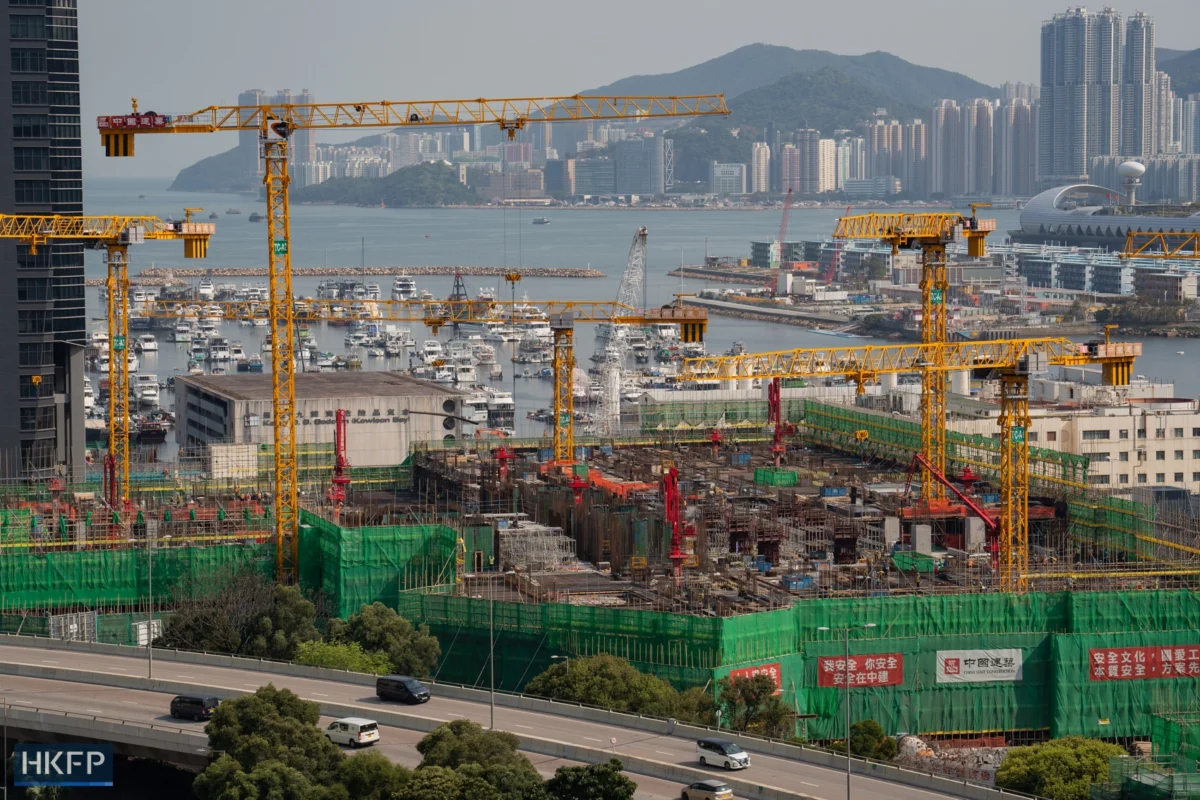
Hong Kong has implemented a sweeping ban on smoking at all construction sites, a move that took effect with the issuance of the first HK$3,000 fixed penalty notice on its inaugural day. The Labour Department reported that as of noon on Friday, its officers had visited 58 construction sites across the city and had already levied one fine, underscoring the immediate and strict enforcement of the new regulation. This initiative aims to enhance workplace safety and public health within the city’s bustling construction industry.
Expanded Scope of the Smoking Ban
The newly enforced rule unequivocally designates all types of construction sites as smoke-free zones. This broad scope encompasses not only active construction projects for new buildings but also sites involved in repair, maintenance, and renovation work. This inclusive approach aims to leave no room for ambiguity and ensures that the ban applies uniformly across the diverse landscape of the construction sector. Individuals caught smoking at these sites will face a fixed fine of HK$3,000, a substantial deterrent designed to curb the practice.

Contractor Responsibility and Penalties
Beyond individual offenders, the new legislation places significant responsibility on contractors. Those overseeing construction works are now legally obligated to ensure that no smoking occurs on their respective sites. Failure to comply with this mandate carries severe penalties, with contractors facing a maximum fine of HK$400,000. This dual-pronged approach, targeting both individual smokers and the site management, signals the government’s commitment to a comprehensive eradication of smoking in these environments.
Strict Enforcement Without Grace Period
Commissioner for Labour Sam Hui emphasized the uncompromising nature of the enforcement strategy. In statements made to reporters, Hui explicitly stated that the authorities would not be implementing a grace period or issuing prior warnings before taking action. "We will strictly enforce the law without an adjustment period or issuing prior warnings," he declared, leaving no doubt about the government’s zero-tolerance policy. This firm stance is intended to ensure immediate compliance and prevent any misinterpretation of the new regulations.
Background: The Tai Po Fire Catalyst
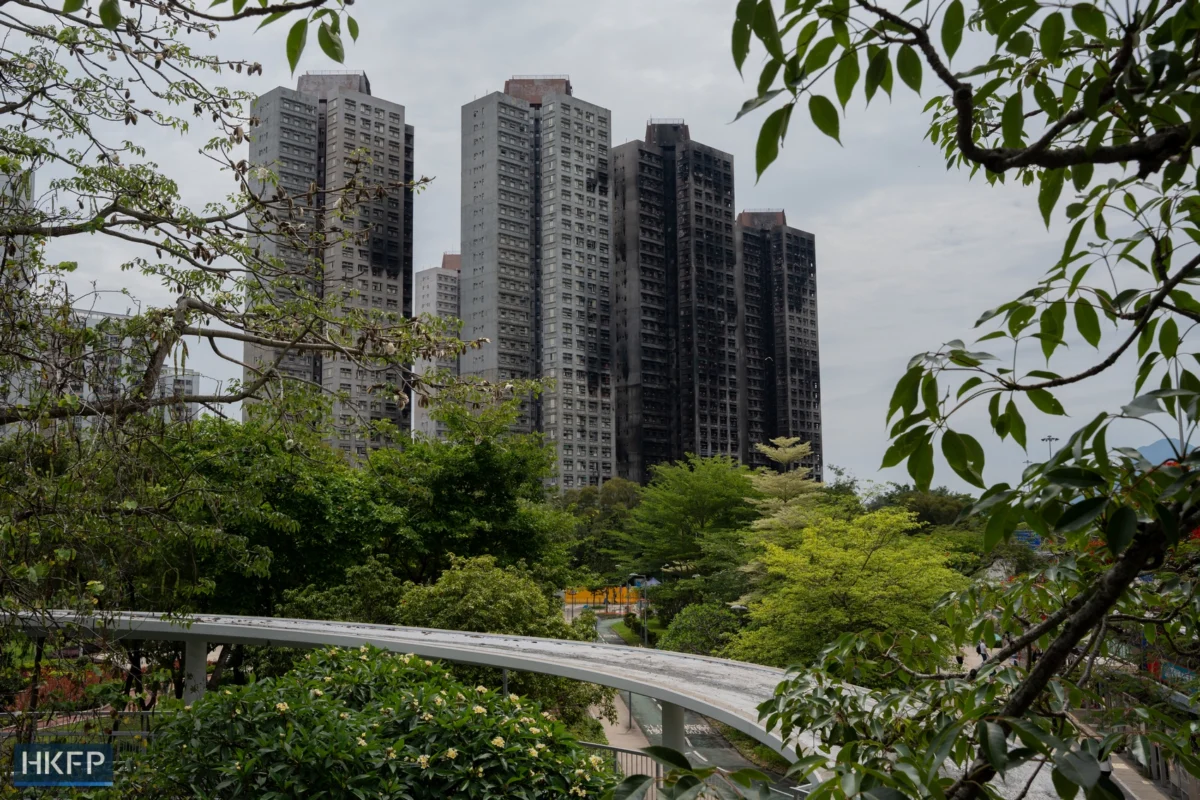
The stringent new smoking ban is a direct consequence of the devastating Tai Po fire that occurred in November of the previous year. This tragic incident claimed the lives of 168 people and displaced thousands, marking it as one of Hong Kong’s worst blazes in history. A subsequent cross-departmental investigation into the fire concluded that smoking was the most probable cause. The immense loss of life and widespread disruption prompted a thorough review of safety protocols and led to the swift introduction of measures aimed at preventing similar tragedies.

The fire’s origin, believed to be linked to a discarded cigarette, highlighted the significant fire risks associated with smoking in environments where flammable materials are prevalent, such as construction sites. This understanding has been a key driver behind the government’s decision to extend the smoking ban to these specific locations, prioritizing the safety of workers and the wider community.
Government’s Proactive Awareness Campaigns
In anticipation of the ban’s implementation, the government has undertaken a series of proactive publicity campaigns. These efforts are designed to raise awareness within the construction industry and among the general public regarding the new rules and their implications. By disseminating information through various channels, authorities aim to ensure that all stakeholders are informed and understand their responsibilities and the consequences of non-compliance.
The Labour Department has pledged to collaborate with other government agencies to foster a pervasive smoke-free culture. This includes providing support services for individuals seeking to quit smoking, recognizing that long-term behavioral change requires a multifaceted approach that extends beyond punitive measures.

Deterrent Fines and Encouragement of Healthy Practices
Commissioner for Labour Sam Hui expressed confidence in the efficacy of the HK$3,000 fine as a deterrent. He noted that the penalty amount would be subject to ongoing review to ensure its continued effectiveness in discouraging smoking on construction sites.
Furthermore, the government is actively encouraging construction contractors to implement incentive programs for their workers. Specifically, contractors are urged to reward employees who have successfully quit smoking. This initiative aims to foster a positive and supportive environment that promotes a smoke-free culture from within the industry, complementing the regulatory framework with proactive encouragement of healthy lifestyle choices.
Wider Implications and Future Outlook
The comprehensive smoking ban on construction sites represents a significant step in Hong Kong’s ongoing efforts to enhance public health and safety. The lessons learned from the Tai Po fire have evidently galvanized the government into taking decisive action, demonstrating its responsiveness to major public safety concerns.

The strict enforcement, coupled with the significant penalties for both individuals and contractors, is expected to lead to a tangible reduction in smoking-related fire risks. The focus on contractor accountability also introduces a layer of systemic oversight, ensuring that safety protocols are actively managed at the management level.
The success of this initiative will likely depend on sustained vigilance from the Labour Department and continued cooperation from the construction industry. The government’s commitment to promoting smoke-free environments and supporting cessation efforts suggests a long-term vision for a healthier and safer Hong Kong. The impact of this ban will be closely monitored, with potential for its principles to inform future safety regulations in other high-risk industries.
As Hong Kong continues to develop and rebuild, ensuring the safety of its construction workforce and the public remains paramount. This smoking ban, born from tragedy, stands as a testament to the city’s resolve to learn from its past and forge a safer future. The initial enforcement, marked by an immediate fine, signals that this is not a policy to be taken lightly, and adherence is expected from day one. The broader aim is to create a culture where safety and well-being are integrated into the very fabric of the construction industry, safeguarding against preventable accidents and promoting a healthier environment for all. The HK$3,000 fine for individuals, while significant, is dwarfed by the potential HK$400,000 penalty for contractors, a clear indication of where the primary responsibility for maintaining a smoke-free site lies. This policy is not merely about prohibiting smoking; it’s about fostering a comprehensive safety culture within a vital sector of Hong Kong’s economy.

 Siti Muinah
 Lina Irawan