Nila Kartika Wati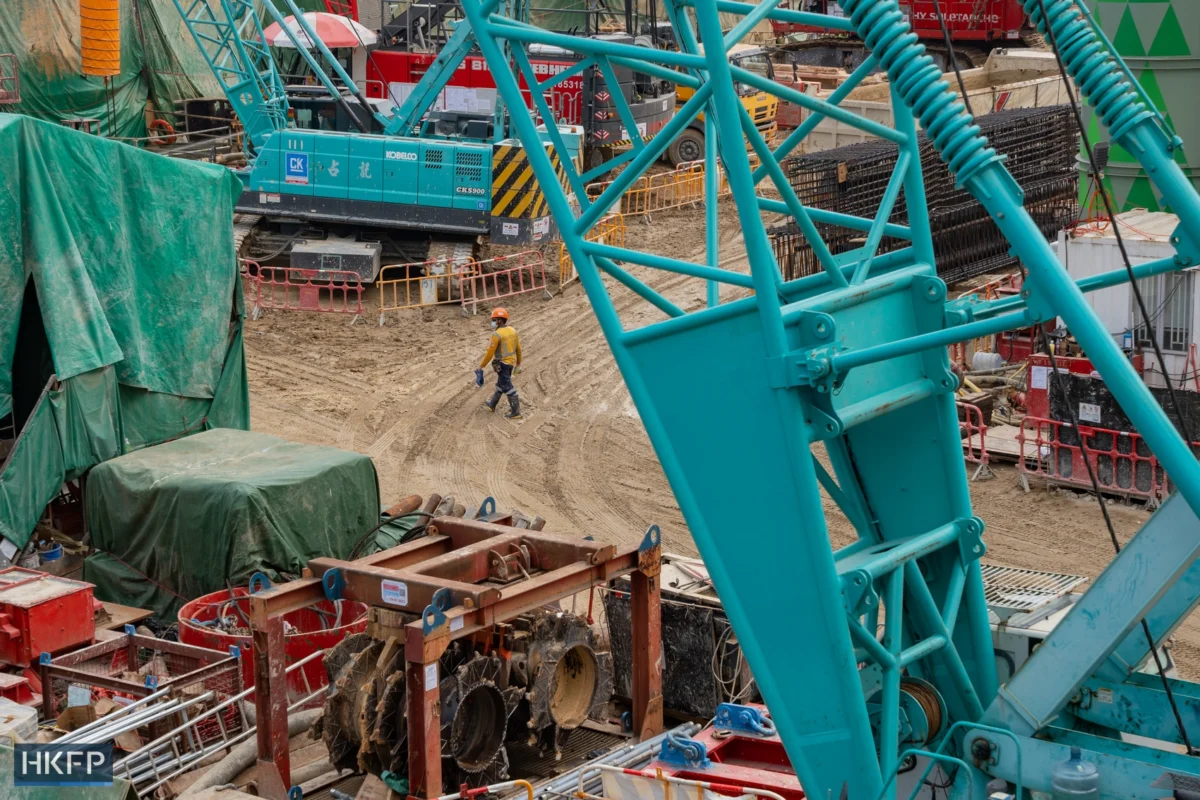
The Hong Kong construction industry is facing a critical juncture as 15 fatal worksite accidents have already claimed lives since the beginning of the year, prompting industry representatives to point fingers at a pervasive "crunch culture" that prioritizes speed and expediency over paramount safety protocols. This alarming trend underscores a systemic issue where the relentless pressure to meet deadlines and cost efficiencies appears to be overshadowing the fundamental responsibility to protect the lives of construction workers.
The grim statistics were brought to the forefront by Chau Sze-kit, chair of the Hong Kong Construction Industry Employees General Union. Speaking on RTHK radio, Chau articulated that a prevalent "aloof attitude" towards occupational safety has taken root on construction sites. This detachment, he explained, stems directly from an ingrained culture of rushing projects, compelling workers to prioritize convenience and, consequently, to sideline crucial safety precautions.

"When frontline management faces deadlines and potential penalties, they may choose to take shortcuts on certain safety procedures," Chau stated in Cantonese, highlighting a direct link between project pressures and compromised safety practices. He further elaborated that the industry’s prevalent practice of awarding contracts to the lowest bidder exacerbates this problem. This cost-driven approach inherently forces contractors to seek ways to reduce expenses, often leading to safety measures being sacrificed for speed. Contractors, in turn, may pass this pressure down to subcontractors who often possess "no bargaining power," further diminishing their capacity to insist on rigorous safety standards.
Adding to the discourse, Lawrence Ng, chair of the Construction Workers Registration Board at the Construction Industry Council, echoed these concerns. Ng pointed out on the same RTHK program that worksite bosses are frequently under immense pressure to accelerate project timelines. This drive for increased productivity is often a direct response to mounting delays, which have become increasingly frequent due to extreme weather events. Such delays necessitate a faster pace to compensate, potentially leading to a cascade of shortcuts that compromise safety.
Ng further underscored the issue by referencing a survey conducted by the Construction Industry Council. The survey revealed that a significant portion of the workforce, specifically between 5 to 7 percent of frontline managers and workers, exhibit "extremely weak" safety awareness. This finding suggests that the problem is not solely confined to management-level decisions but is also embedded within the operational fabric of the sites themselves, indicating a need for more comprehensive safety education and training at all levels.

Escalating Fatalities Despite Stricter Penalties
The timing of these revelations is particularly poignant, coming just a day after Thomas Ho, chairperson of the Construction Industry Council, lamented the persistent rise in worksite fatalities. Ho’s remarks, made during a construction safety event, highlighted a concerning paradox: the number of deaths is climbing even as penalties for negligent employers have been significantly increased.
In a significant legislative move in April 2023, Hong Kong amended the Occupational Safety and Occupational Health Legislation Ordinance. This revision dramatically escalated the maximum penalty for employers found guilty of serious safety violations, raising it from HK$500,000 to an imposing HK$10 million. Furthermore, offenders now face the possibility of up to two years in prison. Despite these deterrents, Ho’s observation that the 15 deaths this year represent an increase compared to the period before the penalty hike suggests that financial and legal repercussions alone are insufficient to curb the fatal trend.
"Safety culture hasn’t made its way to the worksite," Ho declared in Cantonese, a stark admission of the disconnect between policy and practice. His poignant observation that "even a safety supervisor died" among the 15 fatalities underscores the severity of the issue, questioning the true commitment to safety. "Why? Because we have only paid lip service and haven’t truly fulfilled our responsibility," he added, suggesting that a deeper, more ingrained commitment to safety is required.

The Role of "Crunch Culture" and Extreme Weather
The concept of "crunch culture" has long been a contentious issue in industries with tight deadlines, and the construction sector in Hong Kong appears to be no exception. This culture, characterized by prolonged working hours and intense pressure to deliver rapidly, often leads to burnout, reduced vigilance, and a higher propensity for errors and accidents.
Lawrence Ng’s commentary about delays caused by extreme weather adds another layer of complexity. As Hong Kong experiences more unpredictable and severe weather patterns—a trend linked to global climate change—construction projects are increasingly susceptible to unforeseen stoppages. The subsequent pressure to recover lost time can create a fertile ground for safety compromises. When project schedules are disrupted, there is a temptation for site managers to accelerate work upon resumption, potentially overlooking critical safety checks and procedures to catch up. This creates a vicious cycle where climate-related challenges indirectly contribute to unsafe working conditions.
Technological Advancements and Lingering Gaps
In response to the escalating safety concerns, the Hong Kong government has been actively promoting technological solutions. Bernadette Linn, Secretary for Development, highlighted the positive impact of the "4S" Smart Site Safety System during the same construction safety event. This system utilizes smart devices and communication networks for real-time data transmission, enabling the early identification of potential safety hazards. The system facilitates prompt follow-up actions, contributing to a more proactive approach to safety management.

The Development Bureau mandates the adoption of this safety monitoring system for all capital works contracts exceeding HK$30 million. This directive covers approximately 60 percent of construction works across the city, indicating a significant government commitment to integrating technology into safety protocols. While the implementation of such systems has reportedly led to a 20 percent decrease in worksite accidents more broadly between 2023 and 2025, the continued rise in fatalities suggests that technology alone cannot solve the problem.
The Critical Importance of Design for Safety (DfS)
Beyond operational and technological interventions, industry leaders are also advocating for a more fundamental shift in how construction projects are conceptualized and planned. Chau Sze-kit of the Construction Industry Employees General Union pointed to a 2025 Legislative Council research document, which emphasized the adoption of Design for Safety (DfS) good practices. DfS is an internationally recognized standard that prioritizes safety from the earliest stages of a project.
According to the Construction Industry Council, DfS is "the process of identifying potential hazards and reducing health and safety risks through adequate design earlier at the conceptual and planning phases and throughout the project lifecycle." This proactive approach recognizes that a significant proportion of worksite accidents can be traced back to design flaws or omissions. The LegCo document cited research indicating that over 60 percent of work accidents in Hong Kong could be attributed to inadequacies that originated during the design stage.

By embedding safety considerations into the design phase, potential hazards can be mitigated before construction even begins. This could involve designing structures that are inherently safer to build, incorporating features that reduce the need for high-risk activities, or ensuring that materials and construction methods are chosen with safety as a primary criterion. The adoption of DfS represents a paradigm shift from reactive safety measures to a more holistic and preventative approach, aiming to build safety into the very foundation of construction projects.
Broader Implications and Future Outlook
The current spate of fatal accidents casts a long shadow over Hong Kong’s construction industry, which is a vital engine of its economy. The human cost of these tragedies is immeasurable, impacting families and communities. Beyond the immediate grief, there are broader implications for the industry’s reputation, its ability to attract and retain skilled labor, and its overall sustainability.
The conflicting narratives—on one hand, increased penalties and technological advancements, and on the other, persistent fatalities and deeply ingrained cultural issues—highlight the complexity of the challenge. It suggests that a multi-pronged approach is essential, encompassing stricter enforcement of existing regulations, continued investment in innovative safety technologies, and, critically, a fundamental cultural transformation that embeds safety consciousness at every level of the construction process.

The focus on "crunch culture" and the impact of climate change-induced delays serves as a stark reminder that the pressures on the construction sector are multifaceted. Addressing these issues requires not only regulatory oversight but also a genuine commitment from all stakeholders—developers, contractors, subcontractors, and workers—to prioritize human life and well-being above all else. The coming months will be crucial in determining whether Hong Kong’s construction industry can shift from paying "lip service" to truly fulfilling its responsibility for a safer working environment. The lives of its workers depend on it.

 Reynand Wu
 Nana Muazin