Asro
Asro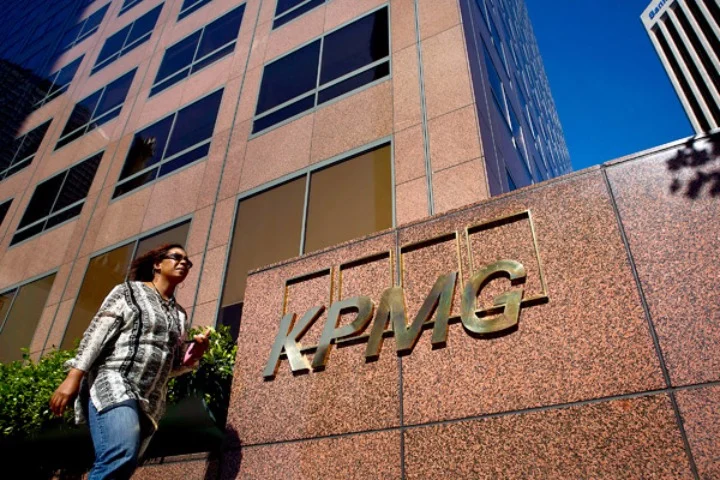
After a formidable two-year reign at the apex of the global initial public offering (IPO) market, Hong Kong is set to relinquish its much-coveted title as the world’s leading venue for new listings in 2017. A significant downturn in the value of blockbuster deals, despite a record number of individual listings, is projected to position the financial hub in fourth place globally, trailing behind major counterparts New York, Shanghai, and London, according to a comprehensive report from accounting and advisory firm KPMG. This strategic reordering underscores a pivotal transformation within global capital markets, signaling both increased competition among exchanges and a burgeoning investor appetite for innovative "new economy" enterprises.
The Shifting Landscape of Capital: Hong Kong’s Slide from the Summit
The financial year 2017 has marked a notable recalibration for Hong Kong’s IPO market. While the number of initial public offerings is expected to reach an all-time high of 160 by year-end, surpassing previous records, the aggregate value of these deals paints a contrasting picture. The total funds raised are projected to plummet by a substantial one-third, from HK$195 billion ($25 billion) in 2016 to an estimated HK$130 billion ($16.7 billion) in 2017. This figure represents the lowest level for the exchange since 2012, highlighting a significant contraction in the scale of capital attraction.
Further dissecting the decline, the amounts raised by the top ten newly listed companies in Hong Kong are estimated to have plunged by an even more dramatic 45.5 percent, falling from HK$148.2 billion in 2016 to HK$80.8 billion in 2017. The largest offering of the year, Guotai Junan Securities, managed to raise HK$17.2 billion. While a substantial sum, it was dwarfed by mega-deals from the preceding year, such as the Postal Savings Bank of China’s staggering HK$59.2 billion IPO in 2016. This disparity in individual deal size largely accounts for Hong Kong’s overall decline in raised capital, reflecting a broader trend where fewer mega-listings are choosing the Hong Kong market.
Emergence of the "New Economy" Driving Market Dynamics
Despite the fall from the pole position, Hong Kong’s stock exchange is concurrently experiencing a long-anticipated and strategically vital shift in the primary contributors to its IPO market. For years, the city’s listings were predominantly driven by traditional financial services firms, a sector that historically underpinned Hong Kong’s status as a regional financial powerhouse. In 2016, for instance, a remarkable nine out of the top ten flotations originated from the financial services sector, illustrating its overwhelming dominance.
However, 2017 has heralded a significant transformation, characterized by the rise of highly sought-after "new economy" companies. Maggie Lee, the Hong Kong-based head of capital markets development group at KPMG China, observed this pivotal shift, stating, "This year, the Hong Kong market has been transforming, with four ‘new economy’ firms making (their) entry into the territory’s top 10 largest IPOs." This change represents a strategic pivot, as the exchange seeks to diversify its listing base and align with global investment trends.
Key examples of this new wave include the mainland’s Tencent-backed China Literature, which earned the moniker of the city’s hottest and most profitable IPO in over a decade. Its successful debut was complemented by other headline-making listings such as Zhong An Online P&C Insurance, Yixin Group Ltd, and Razer. These high-profile offerings from the technology and innovation sectors provided a significant boost to the exchange’s profile and are seen as paving the way for a robust pipeline of other promising tech startups and digital enterprises to follow suit. This diversification is critical for Hong Kong’s long-term competitiveness and appeal to international investors looking for growth opportunities in cutting-edge industries.
A Global IPO Race: New York and Shanghai Ascend
While Hong Kong recalibrated its strategy, other global exchanges capitalized on different market dynamics. The New York Stock Exchange (NYSE) is projected by KPMG to claim the top spot globally for IPOs in 2017, driven by a strong performance from its domestic market and attracting a diverse range of international companies, particularly from the technology sector. The robust U.S. economic environment and deep liquidity pools continued to make New York an attractive destination for capital-raising.
Hot on its heels, and marking a significant regional shift, the Shanghai Stock Exchange (SSE) is expected to emerge as the worldwide venue of choice for companies undertaking IPOs in 2017, securing the second position globally, just behind New York. The total value of listings on the Shanghai exchange is projected to hover around HK$154 billion ($19.8 billion). This strong performance by Shanghai underscores the growing maturity and appeal of mainland China’s capital markets, as well as Beijing’s strategic efforts to encourage domestic listings. For many Chinese companies, listing closer to home on exchanges like Shanghai or Shenzhen offers advantages such as proximity to their primary customer base, favorable valuation multiples, and reduced foreign exchange risks. The growing wealth and sophistication of mainland investors also contribute significantly to the liquidity and demand for these domestic offerings.
London, another perennial contender in the global IPO league, is expected to secure third place, demonstrating resilience despite the ongoing uncertainties surrounding Brexit. Its robust institutional investor base and established reputation as a global financial hub continue to attract a steady stream of listings, particularly from Europe and emerging markets.
Historical Context: Hong Kong’s Reign and Its Foundations
Hong Kong’s ascendancy as a premier IPO destination was built on several foundational pillars that established its dominance over two consecutive years, 2015 and 2016, and frequently placed it among the top three globally for over a decade. Its strategic geographical location, serving as a vital gateway between mainland China and international capital markets, has historically been its strongest asset. The city’s free flow of capital, robust legal framework based on common law, transparent regulatory environment, and deep pool of experienced financial professionals made it an ideal launchpad for mainland Chinese enterprises seeking global capital.
For decades, Hong Kong provided a crucial avenue for state-owned enterprises (SOEs) and later, privately-owned Chinese companies, to access international investors and enhance their corporate governance standards. This symbiotic relationship fostered an environment where Hong Kong became the preferred choice for mega-IPOs from China’s banking, insurance, and energy sectors. The listing of major Chinese banks, for example, consistently propelled Hong Kong to the top of global IPO rankings, attracting significant investment from institutional funds worldwide. This historical context makes the current shift even more profound, as it signifies a potential re-evaluation of these long-standing dynamics.
Strategic Adjustments and Regulatory Evolution
Recognizing the evolving landscape and the imperative to remain competitive, the Hong Kong Stock Exchange (HKEX) has been proactively exploring and implementing strategic adjustments to its listing rules. The discussions around allowing companies with weighted voting rights (WVR) structures – often favored by tech and "new economy" companies to allow founders to retain control – intensified significantly around this period. While a full framework for WVRs wasn’t fully in place for all listings by the end of 2017, the successful IPOs of companies like China Literature and Razer underscored the urgent need for such reforms.
Market observers and analysts have consistently emphasized that Hong Kong’s future success hinges on its ability to attract innovative companies, particularly those from the technology, biotech, and internet sectors. The traditional reliance on financial services and real estate listings, while historically successful, is no longer sufficient to sustain its top-tier global position in an era dominated by digital transformation. The HKEX’s proactive engagement with stakeholders, including venture capitalists, founders, and investment banks, indicates a strong commitment to adapting its regulatory framework to better accommodate the needs of these high-growth, often pre-profit, technology firms. This strategic pivot aims to polish Hong Kong’s brand as a magnet for emerging global tech companies, ensuring its relevance in the rapidly changing global financial ecosystem.
Analyst Perspectives and Market Sentiment
Financial analysts and investment bankers largely view 2017 as a transitional year for Hong Kong, rather than a permanent decline. "The market is recalibrating its focus," stated a senior analyst at a major investment bank, speaking on condition of anonymity due to internal company policies. "The shift from traditional sectors to ‘new economy’ firms is not just a Hong Kong phenomenon; it’s a global trend. What’s crucial is how quickly and effectively HKEX can adapt its listing mechanisms to capture this new wave of innovation."
Market sentiment reflects a growing enthusiasm for technology-driven growth stories. Investors are increasingly seeking exposure to companies that are disrupting industries, leveraging digital platforms, and demonstrating scalable business models. The strong performance of recent tech listings in Hong Kong, such as China Literature, which saw significant oversubscription, indicates robust investor demand for quality "new economy" assets. "The appetite for tech and innovation is undeniable," commented a fund manager focusing on Asian equities. "Hong Kong has the potential to be a major hub for these listings, provided the regulatory framework supports their unique structures and growth trajectories."
The Road Ahead: Projections and Future Strategies
Looking ahead, KPMG places high hopes on the local bourse to regain significant momentum. The accounting firm projects that Hong Kong will attract approximately 160 offerings in 2018, with total funds raised expected to be no less than HK$200 billion ($25.7 billion). This optimistic outlook is predicated on the continued influx of "new economy" companies and the potential positive impact of anticipated listing rule reforms.
Maggie Lee of KPMG China articulated this forward-looking view, believing that 2017 merely marked a year of transition. She emphasized that over the coming few years, the Hong Kong market will continue to gain momentum from the burgeoning appetite for "new economy" companies. The strategic efforts by the HKEX to attract these innovative firms, coupled with Hong Kong’s inherent strengths as an international financial center, are expected to fuel its resurgence. This includes leveraging its strong connections to mainland China’s dynamic tech sector, which continues to produce a pipeline of globally significant companies.
Broader Implications for Global Capital Markets
The dynamics observed in 2017 hold broader implications for global capital markets. The increasing prominence of exchanges like Shanghai underscores a significant shift in financial power towards Asia. As mainland China’s economy continues to grow and its capital markets mature, more Chinese companies may opt for domestic listings, potentially reducing the flow of mega-IPOs to Hong Kong. This growing self-sufficiency within mainland markets presents both a challenge and an opportunity for Hong Kong – a challenge in terms of direct competition, and an opportunity to solidify its role as a sophisticated international bridge for companies seeking access to both Chinese and global capital.
The global competition among exchanges to attract "new economy" companies is also intensifying. Exchanges worldwide are reviewing their listing rules, adapting to the demands of tech founders and venture capitalists who prioritize flexibility and founder control. Hong Kong’s proactive steps in this direction are therefore not just about regaining its top spot but about maintaining its fundamental relevance and competitiveness as a leading international financial center in a rapidly evolving global economy. The year 2017 thus stands as a significant marker, not just for Hong Kong’s IPO market, but for the ongoing evolution of capital formation across the globe.


 Evan Lee Salim
 Suro Senen