Reynand Wu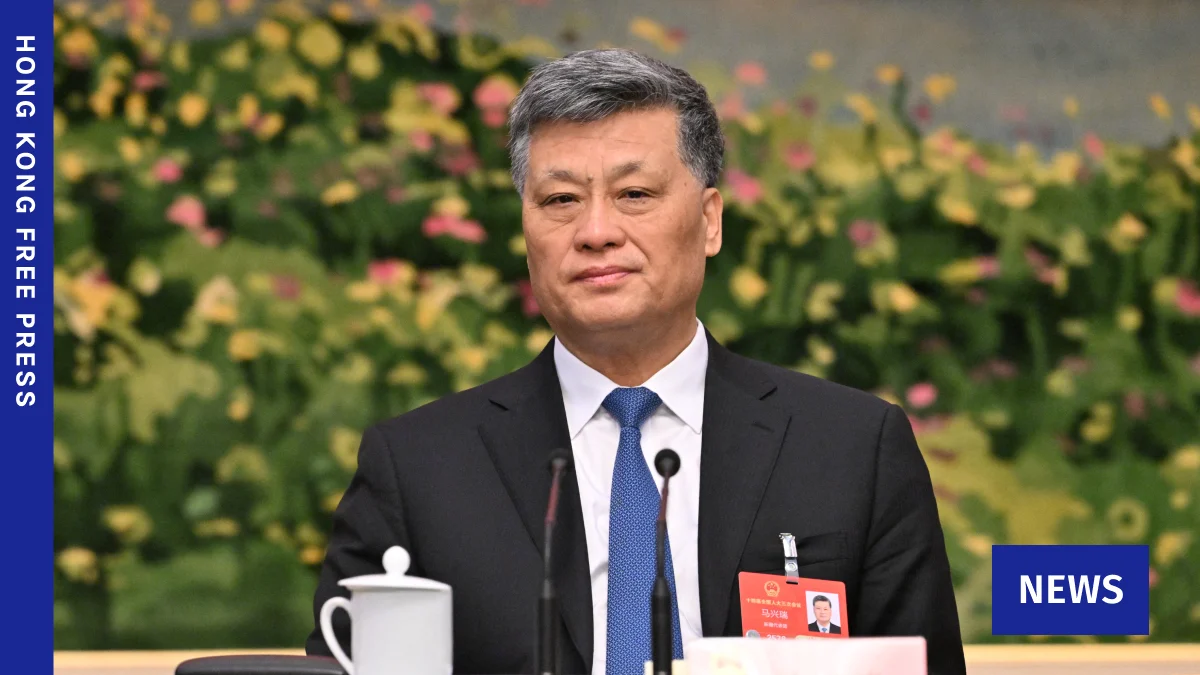
Ma Xingrui, a former high-ranking official who served as the Communist Party Secretary for the Xinjiang Uyghur Autonomous Region, has been expelled from the ruling Communist Party and stripped of all his official posts. The decision, announced by state media on Tuesday, follows a comprehensive investigation by the party’s anti-corruption watchdog that uncovered a litany of serious offenses, including bribery, nepotism, and abuse of power for sexual favors.
The expulsion marks a significant development in China’s ongoing campaign against corruption, particularly within its sensitive western regions. Ma, 66, was a member of the Communist Party’s Politburo, a powerful 24-member body that serves as the apex of decision-making under President Xi Jinping. His removal from this elite circle signifies the gravity of the charges leveled against him and underscores the party’s commitment to maintaining internal discipline, even among its most senior ranks.
A Trail of Allegations: Bribery, Nepotism, and Abuse of Power

According to a report by the official Xinhua news agency, the Politburo approved the findings of the party’s Central Commission for Discipline Inspection (CCDI), which had been investigating Ma since April. The investigation detailed a pattern of illicit activities that spanned several years, painting a picture of an official who allegedly leveraged his considerable power for personal gain and gratification.
The CCDI’s findings, as reported by Xinhua, indicate that Ma engaged in "power-for-sex and money-for-sex transactions." This phrase suggests a pattern of exchanging official influence or monetary benefits for sexual favors. Furthermore, the report accused him of facilitating the purchase of homes for his family members at prices significantly below market value, a clear act of nepotism and a misuse of his position.
Beyond these personal transgressions, Ma is also accused of exploiting his influence to secure "huge benefits" for his relatives. This likely involved directing business opportunities, project contracts, or preferential treatment to family members, thereby enriching them through his official capacity. The investigation also found that he actively sought benefits for others in various professional spheres, including business operations, project tendering, and job promotions, all while "illegally accepting huge amounts of money and valuables." The CCDI deemed his case "particularly serious," a strong indicator of the disciplinary actions that would follow.
Timeline of Investigations and Political Career

Ma Xingrui’s political career was marked by a rapid ascent through the ranks, culminating in his appointment as the Party Secretary of Xinjiang in 2021. Prior to his posting in the restive northwestern region, he held significant positions in Guangdong province, a major economic hub in southern China. His tenure in Xinjiang, which concluded with this expulsion, spanned from 2021 to 2025.
The investigation into Ma’s conduct reportedly began in April of the current year. The formal announcement of his expulsion and removal from all posts on Tuesday signifies the conclusion of the disciplinary proceedings. The timeline of his alleged corruption is not explicitly detailed, but the phrasing of the charges suggests a pattern of behavior that likely extended throughout his senior leadership roles.
Xinjiang: A Region of Geopolitical Sensitivity
Ma’s role as Party Secretary of Xinjiang places his downfall within a highly sensitive geopolitical context. For years, the Xinjiang region has been at the center of international scrutiny due to China’s extensive security crackdown, primarily targeting the Uyghur Muslim minority. Beijing claims these measures are necessary to combat terrorism, separatism, and religious extremism, citing a history of deadly attacks on civilians in the region until the mid-2010s.
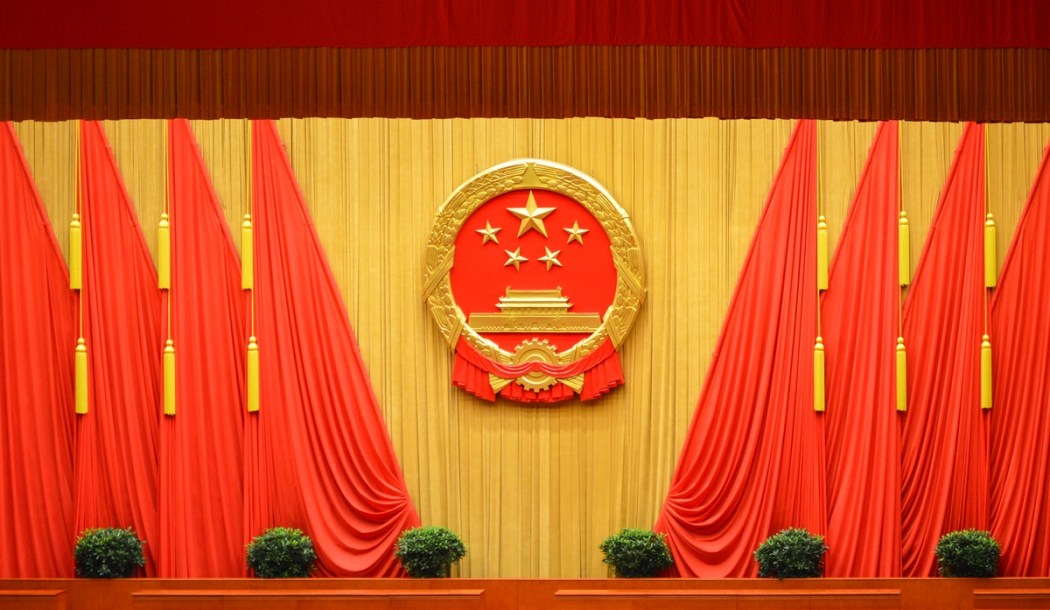
However, human rights organizations and many international governments have condemned China’s policies in Xinjiang, alleging widespread human rights abuses, including arbitrary detention, forced labor, surveillance, and cultural suppression. A significant report by former UN High Commissioner for Human Rights Michelle Bachelet in 2022 cited "serious human rights violations" in Xinjiang and stated that the extent of arbitrary and discriminatory detention of Uyghurs and other Muslim minorities may constitute "crimes against humanity."
The expulsion of a top official like Ma from such a strategically important and internationally scrutinized region raises questions about internal governance and accountability within the Chinese Communist Party, especially concerning its approach to ethnic minorities and regional security.
Broader Implications and Anti-Corruption Efforts
Ma Xingrui’s expulsion is the latest in a long line of high-profile officials to fall victim to Xi Jinping’s sweeping anti-corruption campaign, which began shortly after he assumed leadership of the party in 2012. This campaign has targeted hundreds of thousands of officials at all levels, from low-ranking cadres to Politburo members. While proponents argue it is essential for rooting out graft and ensuring party discipline, critics suggest it has also been used as a tool to eliminate political rivals and consolidate Xi’s power.

The specific allegations against Ma—bribery, nepotism, and abuse of power for personal gratification—are recurring themes in corruption cases within China. The inclusion of "power-for-sex" and "money-for-sex" in the charges highlights the party’s increasing willingness to publicly disclose details of such personal misconduct, signaling a zero-tolerance policy towards any form of moral turpitude among its members.
The implications of Ma’s downfall are multifaceted. Firstly, it reinforces the perception that no official, regardless of their seniority or political standing, is immune from prosecution if they engage in corruption. Secondly, it may be interpreted as an attempt by the central government to project an image of stringent oversight and accountability in Xinjiang, potentially to preempt further international criticism or to address internal concerns about governance in the region.
However, the focus on individual corruption might also serve to deflect attention from the broader systemic issues and human rights concerns associated with China’s policies in Xinjiang. The charges against Ma do not directly address the international allegations of human rights abuses in the region.
Official Reactions and Absence of External Comment

As is typical in such cases within China’s tightly controlled political system, there have been no immediate public statements or reactions from Ma Xingrui himself or his immediate family. The official pronouncements have come solely through state media channels, citing reports from the CCDI and the Politburo.
International human rights organizations and foreign governments have historically been vocal in their criticism of China’s policies in Xinjiang. However, specific reactions to the expulsion of Ma Xingrui have yet to be widely reported. It is plausible that observers will await further details or context before issuing formal statements. The focus for many will likely remain on the broader human rights situation in Xinjiang, regardless of individual corruption cases within the administration.
Analysis of Potential Future Impact
The expulsion of Ma Xingrui from the Communist Party and his removal from all posts sends a clear message about the consequences of corruption within the Chinese political system. It demonstrates the party’s continued commitment to its anti-graft campaign and its resolve to maintain public trust by weeding out dishonest officials.

For the Xinjiang region, Ma’s removal could lead to a reshuffling of leadership and potentially a shift in policy emphasis, though fundamental changes to Beijing’s overall strategy are unlikely in the short term. The appointment of a successor will be closely watched for any indications of changes in approach or priorities.
The case also highlights the complex interplay between internal political discipline and international human rights concerns. While China continues to face international pressure regarding Xinjiang, its domestic actions, such as this expulsion, are framed as internal matters of governance and law enforcement. The long-term impact of this expulsion will likely be viewed through the lens of both China’s internal political dynamics and its ongoing engagement with the global community on human rights issues.
The investigation and subsequent expulsion of Ma Xingrui underscore the formidable power of the anti-corruption apparatus within China. The detailed nature of the accusations, including personal misconduct, suggests a comprehensive and thorough investigation, leaving little room for doubt about the party’s findings. As China continues to navigate its domestic and international challenges, such high-profile disciplinary actions will likely remain a significant feature of its political landscape.

 Neng Nana
 Sagoh
Sagoh