Lina Irawan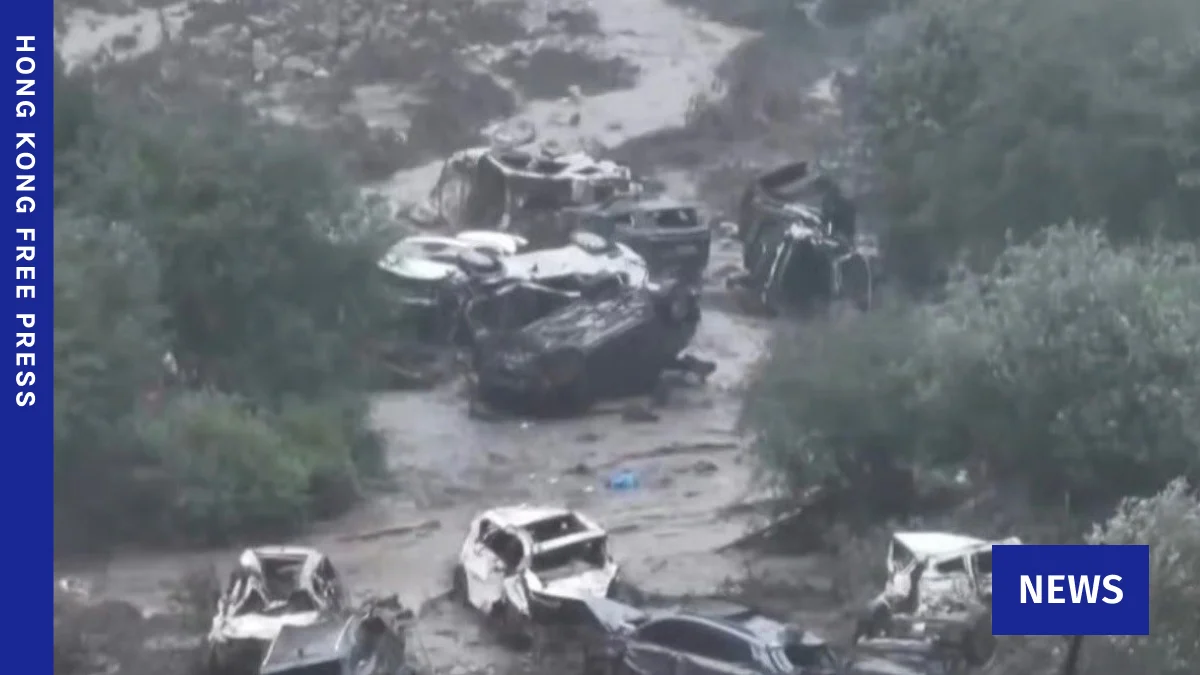
The death toll from a devastating flash flood that swept through the Shuangshimen Scenic Area in northwest China’s Gansu Province on July 26 has tragically risen to 25, with 23 individuals reported injured, state media confirmed on Sunday, a week after the disaster unfolded. This updated figure marks a significant increase from the initial report of 10 fatalities, underscoring the severe and rapidly evolving nature of the incident. The national commission for disaster prevention has announced it will oversee a comprehensive investigation into the event, as China grapples with an increasingly frequent and intense series of extreme weather phenomena this summer.
The Shuangshimen Tragedy: A Detailed Account
The Shuangshimen Scenic Area, nestled in mountainous southern Gansu, is renowned for its picturesque natural stone arches, lush alpine meadows, and serene mountain streams, making it a popular destination for day campers and tourists seeking respite in nature. On July 26, however, this tranquility was shattered by a sudden and ferocious flash flood. Videos circulated online depicted torrents of muddy water surging with immense force through a valley, engulfing an area where numerous tents and vehicles belonging to visitors were parked. The speed and intensity of the deluge left little time for evacuation, trapping many unsuspecting individuals.

The initial reports from state media indicated 10 deaths and 23 injuries, prompting immediate search and rescue operations. Over the subsequent days, rescue teams tirelessly combed the affected areas, navigating challenging terrain and debris left by the floodwaters. The recovery efforts were complex, compounded by the remote location and the destructive power of the flood, which had likely swept victims downstream or buried them under sediment. As operations continued and more victims were located, the grim reality of the disaster became clearer, leading to the revised casualty figures released a week later. The 23 injured individuals received immediate medical attention, with authorities focusing on their recovery and providing support to affected families.
Chronology of a Catastrophe
The unfolding of the Shuangshimen flash flood and its aftermath can be tracked through a series of critical developments:
- Pre-July 26: The region, like many parts of China this summer, had likely experienced periods of heavy rainfall, saturating the ground and increasing the vulnerability of river valleys to sudden water surges. While specific warnings for Shuangshimen are not detailed in initial reports, the broader meteorological context points to a heightened risk environment.
- July 26: The flash flood strikes the Shuangshimen Scenic Area. The precise trigger for the sudden deluge could have been an intense, localized downpour in the upper reaches of the mountain streams feeding the valley, leading to an extremely rapid rise in water levels. Tourists and campers, enjoying the scenic beauty, were caught off guard by the unexpected ferocity of the water.
- Immediate Aftermath (July 26-27): Emergency services, including local police, fire departments, and paramilitary units, were mobilized. Search and rescue operations commenced almost immediately, focusing on locating survivors and recovering bodies. Initial reports of casualties began to emerge, with state media confirming 10 deaths and 23 injuries. Medical teams were dispatched to provide first aid and transport the injured to hospitals.
- Subsequent Days (July 28 – August 1): Rescue efforts intensified, expanding the search area as the full extent of the disaster became apparent. The challenging terrain and potential for further localized rainfall complicated operations. Authorities focused on identifying victims and notifying their families, while also assessing the damage to infrastructure within the scenic area.
- One Week Later (August 2): State media announced the updated and significantly higher death toll of 25, alongside the confirmed 23 injured. This update likely reflects the recovery of additional bodies during the sustained search operations. Concurrently, the national commission for disaster prevention declared its intention to oversee an investigation into the incident, signaling a high-level commitment to understanding the causes and preventing future recurrences.
Broader Context: China’s Summer of Extreme Weather
The tragedy in Gansu is not an isolated incident but rather one of several severe weather events that have plagued China throughout this summer. The nation has experienced an alarming surge in extreme weather phenomena, including torrential rainfall, widespread flooding, and devastating landslides, impacting vast swathes of the country from its central plains to its southern and northwestern regions.

In July alone, other significant weather-related disasters underscore the pervasive nature of the crisis:
- Hubei Province: Storms in central Hubei province resulted in the deaths of at least 11 people, causing extensive damage to homes and agricultural land.
- Guangxi Region: In the southern Guangxi Zhuang Autonomous Region, torrential rainfall led to the breaching of several dams, necessitating the evacuation of over 130,000 people and claiming six lives. The scale of displacement highlighted the vulnerability of communities residing near water infrastructure.
- Gansu’s Dangchang County: Prior to the Shuangshimen flood, another devastating landslide struck Dangchang County, also in southern Gansu, killing 21 people. This incident, occurring in the same province, further emphasizes the geological instability and susceptibility to natural hazards in the region.
These events collectively paint a grim picture of a country increasingly battling the immediate and long-term consequences of a changing climate. Scientists and meteorological experts frequently link such an uptick in extreme weather patterns to global climate change, which can lead to more intense and unpredictable rainfall, heatwaves, and other meteorological anomalies. China, with its diverse geography and large population centers often situated near rivers and coastlines, is particularly vulnerable to these shifts. The economic toll of these disasters is substantial, running into billions of yuan annually, encompassing infrastructure repair, agricultural losses, and emergency response costs. More importantly, the human cost, measured in lives lost, injuries sustained, and livelihoods disrupted, is immeasurable.
Official Response and Investigation Mandate
The decision by China’s national commission for disaster prevention to oversee an investigation into the Shuangshimen flood underscores the gravity with which Beijing views such incidents. This commission, typically responsible for coordinating national disaster preparedness, response, and mitigation strategies, will likely delve into several key areas:

- Cause Analysis: Identifying the precise meteorological and hydrological factors that led to the flash flood. This would include examining rainfall data, river flow rates, and geological conditions of the scenic area.
- Early Warning Systems: Assessing the effectiveness of existing early warning systems for natural disasters in the Shuangshimen area and similar tourist sites. This could involve evaluating weather monitoring capabilities, communication protocols, and the dissemination of alerts to both operators and visitors.
- Safety Protocols for Scenic Areas: Reviewing the safety measures and emergency response plans in place at the Shuangshimen Scenic Area. This includes evaluating site management, visitor control, designated safe zones, and evacuation routes.
- Accountability: Determining if any negligence or shortcomings in management, planning, or oversight contributed to the high casualty count.
- Recommendations for Future Prevention: Developing actionable recommendations to enhance safety, improve early warning systems, and strengthen disaster preparedness across all vulnerable scenic and tourist areas nationwide.
Local authorities in Gansu have expressed profound sorrow over the loss of life and reiterated their commitment to supporting the victims’ families and ensuring a thorough investigation. They have also likely initiated reviews of other high-risk natural tourist attractions within the province to prevent similar tragedies.
Impact on Tourism and Local Economy
The Shuangshimen Scenic Area, like many natural attractions in China, plays a vital role in the local economy, providing employment opportunities and revenue for surrounding communities through tourism. Such a devastating event inevitably casts a long shadow over its future. The immediate impact includes the closure of the site for investigation and recovery, leading to significant financial losses for local businesses dependent on tourist traffic.
In the long term, there may be a decline in visitor numbers as public perception of the area’s safety is affected. Rebuilding trust and attracting tourists back will require not only extensive repairs and safety upgrades but also transparent communication about the measures implemented to prevent future incidents. This incident highlights a broader challenge for China: how to balance the economic benefits of tourism with the imperative of visitor safety, especially in natural environments increasingly susceptible to climate-induced hazards. Authorities will need to implement stringent risk assessments and develop robust emergency management plans for all scenic areas, particularly those in mountainous or riverine regions.

Broader Implications and Future Outlook
The recurring and intensifying natural disasters across China, exemplified by the Gansu flash flood, pose significant challenges to the nation’s development and stability. They underscore the urgent need for enhanced climate resilience and disaster preparedness strategies at all levels of government.
China has, in recent years, invested heavily in infrastructure projects designed to mitigate flood risks, such as dams, reservoirs, and sophisticated early warning systems. However, the sheer scale and unpredictability of current extreme weather events often overwhelm existing defenses. The national investigation into the Shuangshimen disaster is expected to contribute to a broader re-evaluation of national disaster management policies, potentially leading to:
- Stricter Regulations for Tourist Sites: Imposing more rigorous safety standards and mandatory emergency preparedness drills for scenic areas, especially those located in high-risk zones.
- Advanced Meteorological Forecasting: Further investment in state-of-the-art weather forecasting and hydrological modeling to provide more accurate and timely warnings.
- Public Awareness Campaigns: Educating the public and tourists about the risks of extreme weather and how to respond to emergency alerts, particularly when engaging in outdoor recreational activities.
- Ecosystem-Based Adaptation: Exploring natural solutions, such as reforestation and wetland restoration, to help regulate water flow and reduce the impact of flash floods and landslides.
The tragic loss of life in Shuangshimen serves as a stark reminder of the devastating consequences of natural disasters and the critical importance of proactive measures in a rapidly changing global climate. As China continues its economic growth and urbanization, the challenges of protecting its citizens and infrastructure from the increasing frequency and intensity of extreme weather events will remain a paramount national priority. The lessons learned from this disaster, and others like it this summer, will undoubtedly shape China’s approach to environmental management and public safety for years to come.


 Evan Lee Salim
 Jia Lissa