Siti Muinah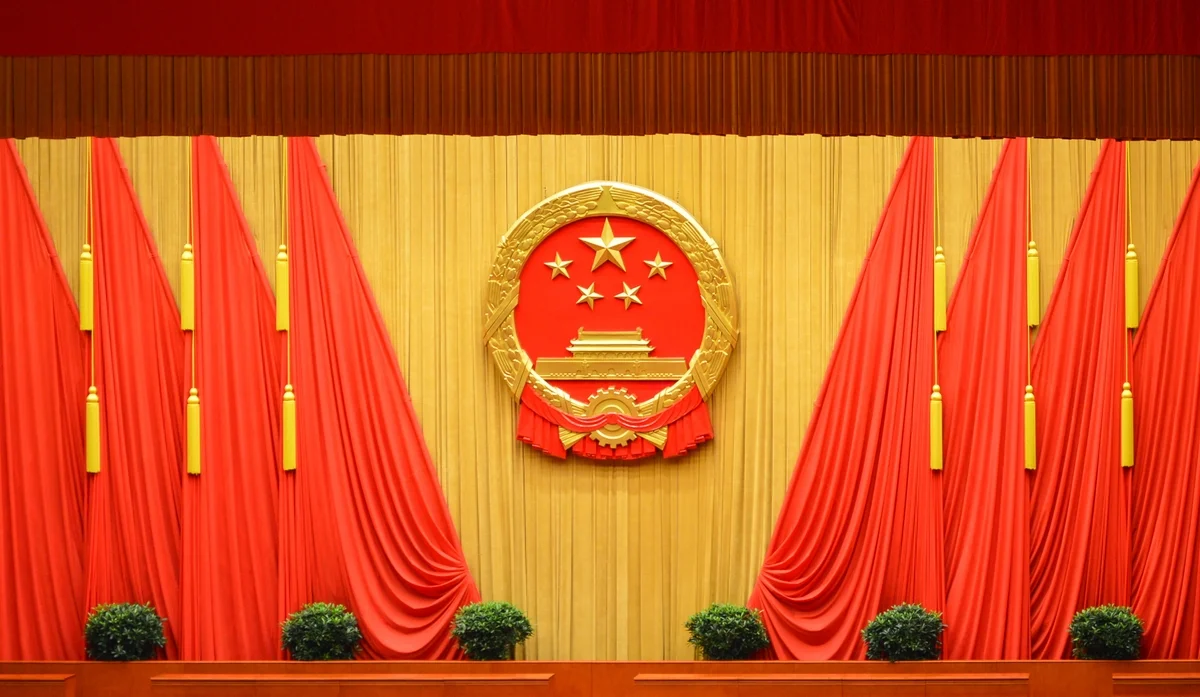
A prominent Chinese comedian, Guo Degang, is currently under investigation by local authorities in Wuhan for allegedly making disrespectful remarks about a patriotic song during a performance in July. The investigation, confirmed by the Wuhan culture and tourism bureau to Agence France-Presse (AFP) on Sunday, has cast a spotlight on the increasingly stringent control the ruling Communist Party exerts over China’s cultural landscape, particularly concerning national heroes and symbols.

The controversy stems from an alleged improvisation by the 53-year-old comedian during a July performance in Wuhan. Reports from Chinese media indicate that Guo Degang, a celebrated figure known for reviving the traditional comedic art form of xiangsheng (crosstalk), altered lyrics of a 1956 song titled "Playing My Beloved Pipa." This song, which commemorates Chinese soldiers defeating Japanese forces during World War II, was officially recognized in 2019 as an "outstanding" work celebrating the founding of the People’s Republic of China.
Allegations of Lyric Alteration and Disrespect
According to reports by the online outlet The Paper, Guo Degang is accused of modifying the lyric "quiet on Weishan Lake" to "quiet in the Forbidden City." The Forbidden City, once the imperial palace, is a potent symbol of China’s historical grandeur and national identity. The alteration, reportedly delivered with a "comedic" tone, is viewed by authorities as a transgression against the song’s patriotic intent and historical significance. The Paper further cited the Wuhan culture bureau, stating that Guo’s improvised changes had not received prior official approval before the performance.

The investigation is reportedly examining "suspected violations" of regulations governing commercial performances. This legal framework, bolstered in recent years, aims to protect national heroes and symbols from what the government deems slander or disrespect. The strict enforcement of these laws underscores the Party’s sensitivity to narratives surrounding national pride and historical memory, especially concerning events like the Second Sino-Japanese War.
Guo Degang’s Prominence and the Broader Context of Artistic Control
Guo Degang, a native of Tianjin, rose to national fame in the 2000s and 2010s for his dynamic performances of xiangsheng, a genre characterized by rapid-fire dialogue and witty repartee between two performers. His career has seen him grace prestigious stages, including state broadcaster CCTV’s annual Spring Festival Gala and the Great Hall of the People in Beijing, a venue synonymous with major state events. This level of public recognition and association with state-sanctioned platforms makes any perceived transgression against patriotic sentiment particularly consequential.
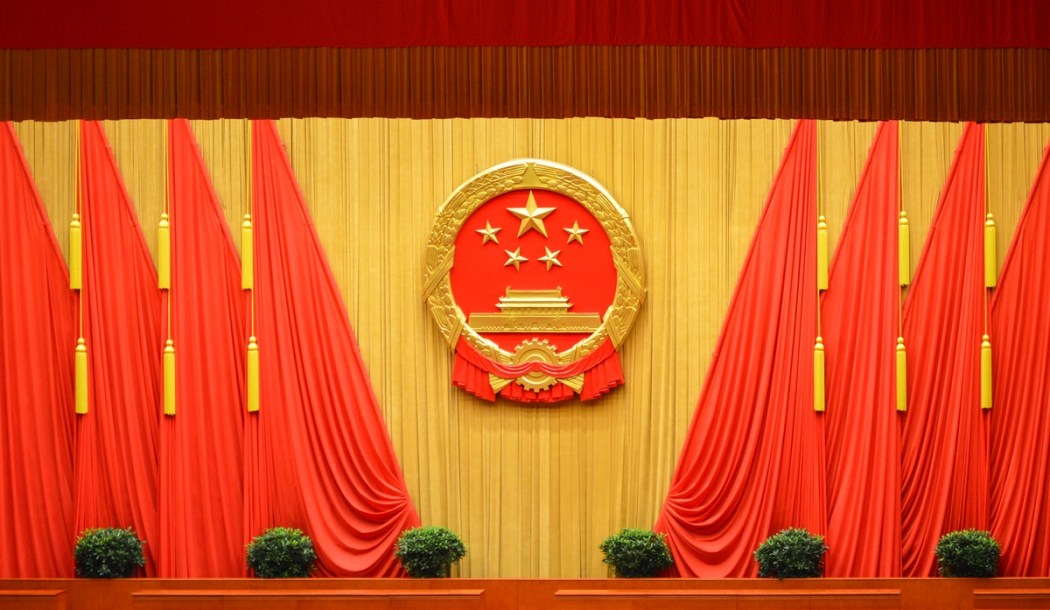
The current investigation into Guo Degang is not an isolated incident. Under President Xi Jinping’s administration, there has been a noticeable tightening of oversight across all artistic disciplines, including comedy. The government has increasingly prioritized the promotion of patriotic narratives and the protection of national symbols, viewing them as crucial elements in fostering national unity and ideological conformity.
A notable precedent occurred in 2023 when a performing group was subjected to immense penalties – a fine equivalent to millions of dollars and an indefinite suspension of their shows – after a comedian made an oblique joke referencing a well-known slogan of the People’s Liberation Army. The comedian, Li Haoshi, had reportedly linked the slogan to a mundane observation about his dogs chasing a squirrel. Officials deemed this to have "caused a bad social impact" and constituted a violation of the law, highlighting the broad interpretation of what constitutes an offense against national dignity.

Impact on Performances and Public Response
The fallout from the Wuhan incident has already begun to affect Guo Degang’s professional activities. Venues in other Chinese cities have reportedly postponed performances featuring the comedian this month. Ticketholders are being offered refunds, signaling a cautious approach by event organizers in the face of potential regulatory scrutiny.
Guo Degang himself has been largely unreachable for comment. His social media presence appears to have been curtailed, with his Weibo account showing no activity since August 9. This silence, coupled with the ongoing investigation, suggests a period of uncertainty and potential repercussions for the comedian.

Chronology of Events
- July [Year of performance]: Guo Degang reportedly performs in Wuhan, allegedly improvising and altering lyrics of the patriotic song "Playing My Beloved Pipa."
- [Date of report – e.g., August 2026]: Chinese media outlets begin reporting on the alleged incident and the potential investigation.
- Sunday [Date of AFP confirmation]: The Wuhan culture and tourism bureau confirms to AFP that an investigation into Guo Degang is ongoing.
- [Current Date]: Venues in other Chinese cities postpone Guo Degang’s performances, and refunds are being offered.
Broader Implications for Artistic Freedom in China
The investigation into Guo Degang underscores a broader trend of increasing state control over the arts in China. The Communist Party views cultural expression as a tool for shaping public opinion and reinforcing its ideology. While xiangsheng has historically been a platform for social commentary and satire, the current political climate appears to have narrowed the acceptable boundaries for such expression.
The government’s emphasis on protecting national symbols and historical narratives reflects a desire to consolidate national identity and preempt any perceived challenges to its authority. This approach can stifle creative expression, as artists may self-censor to avoid potential repercussions. The consequences for performers like Guo Degang, who have achieved widespread popularity, serve as a stark reminder of the delicate balance artists must maintain within China’s tightly regulated cultural sphere.

The incident also highlights the challenges faced by artists navigating the intersection of entertainment and state-sanctioned patriotism. While the intention behind patriotic songs is to foster national pride, the rigid enforcement of their sanctity can lead to an environment where even minor alterations, when perceived as disrespectful, can result in severe consequences. The lack of clear, universally understood guidelines for what constitutes acceptable humor or commentary in relation to patriotic themes leaves artists in a precarious position, subject to the interpretations of regulatory bodies.
As the investigation progresses, the outcome for Guo Degang will likely serve as another indicator of the evolving landscape of artistic freedom in China. The global attention drawn by this case, given Guo Degang’s international recognition, could also prompt broader discussions about the interplay between cultural expression, national identity, and state control in one of the world’s most populous nations. The precedent set by previous cases, such as the 2023 fine for an oblique joke, suggests that the authorities are prepared to take decisive action to maintain their interpretation of national dignity and order.

 Reynand Wu
 Nana Muazin