Reynand Wu
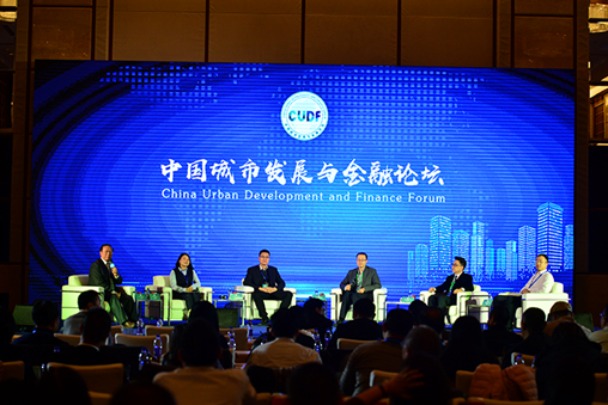
Beijing, China – December 9, 2017 – A pivotal gathering of urban planners, finance experts, government officials, and industry leaders convened in Beijing for the China Urban Development and Finance Forum, an event dedicated to addressing the complex challenges inherent in modern urban development and advocating for a greener, more sustainable trajectory for China’s burgeoning cities. Sponsored by Shunxin Construction, the forum served as a crucial platform for intellectual exchange and strategic collaboration, emphasizing a paradigm shift towards development that is "innovative, coordinated, green, open, and shared by all," principles increasingly central to China’s national agenda.
The Evolving Landscape of China’s Urbanization
China”s journey of rapid urbanization, a defining feature of its economic miracle over the past four decades, has transformed its landscape and demography profoundly. Since the launch of economic reforms in the late 1970s, the nation has witnessed an unprecedented migration from rural areas to urban centers, with the urban population surpassing 50% in 2011 and continuing its ascent. This dramatic shift has fueled immense economic growth and lifted hundreds of millions out of poverty, creating sprawling metropolises and dynamic economic zones.
However, this rapid expansion has not been without its considerable costs and challenges. Many Chinese cities grapple with severe environmental degradation, including air and water pollution, mounting waste management issues, and a significant loss of biodiversity. Infrastructure, despite massive investments, often struggles to keep pace with the influx of residents, leading to chronic traffic congestion, strained public services like healthcare and education, and soaring housing costs that exacerbate social inequalities. Furthermore, the previous development model, often characterized by extensive land consumption and resource-intensive industries, has placed immense pressure on finite natural resources and contributed to a significant carbon footprint.
Recognizing these multifaceted challenges, China’s leadership has initiated a strategic pivot from a quantity-driven growth model to one prioritizing quality, sustainability, and human-centric development. This policy recalibration gained significant momentum following the 19th National Congress of the Communist Party of China (CPC) in October 2017, just weeks before the forum. The Congress solidified the vision of an "ecological civilization" and "Beautiful China," embedding environmental protection and sustainable development at the core of national governance and planning. This forum, therefore, was not merely an academic exercise but a timely and practical response to the directives emanating from the highest levels of government, aiming to translate broad policy pronouncements into actionable strategies for urban transformation.
Forging a New Paradigm: Innovative, Coordinated, Green, Open, and Shared
The forum’s central discourse revolved around the "five development concepts" – innovation, coordination, green development, openness, and sharing – which were first articulated during the 13th Five-Year Plan (2016-2020) and profoundly re-emphasized at the 19th CPC Congress. These concepts represent a holistic framework for guiding China’s economic and social development, with profound implications for urban planning and governance:

- Innovation: Encourages technological advancement, scientific breakthroughs, and new models of governance and public service delivery to overcome developmental bottlenecks. In urban contexts, this translates to smart city initiatives, digital infrastructure, and leveraging big data for efficient urban management.
- Coordination: Aims to balance development across regions (e.g., addressing disparities between mega-cities and smaller towns), between urban and rural areas, and between economic and social progress. It seeks harmonious development, preventing isolated growth pockets and promoting integrated regional planning.
- Green Development: Places ecological protection and environmental sustainability at the forefront. This includes reducing pollution, conserving resources, promoting renewable energy, developing green buildings, and creating resilient urban ecosystems. It is a direct response to the environmental costs of past growth.
- Openness: Advocates for deeper integration with the global economy, fostering international cooperation, and attracting foreign investment and expertise. For cities, this means becoming global hubs for trade, finance, and culture, while also learning from international best practices in urban planning.
- Sharing: Emphasizes equitable access to public services and opportunities, ensuring that the benefits of development are distributed broadly among all citizens. This addresses issues of social equity, improving living standards, and enhancing public well-being through better housing, healthcare, education, and cultural amenities.
Attendees at the China Urban Development and Finance Forum collectively recognized these principles as the bedrock for achieving a truly sustainable urban future. The discussions highlighted the imperative for government bodies, private enterprises, and academic institutions to forge stronger partnerships, fostering a collaborative ecosystem where diverse stakeholders can contribute their expertise and resources to achieve mutually beneficial, win-win outcomes for urban residents and the environment.
Industry Leadership and Corporate Commitment: Shunxin Construction’s Vision for Sustainable Urban Futures
As the forum’s sponsor, Shunxin Construction, a prominent player in China’s vast construction and infrastructure sector, underscored its deep commitment to these new development philosophies. Wang Yawei, the esteemed Board Chairman of Shunxin Construction, articulated his company’s unwavering dedication to the principles of innovative, coordinated, green, open, and shared development. He emphasized that for a company of Shunxin’s stature, this commitment transcends mere compliance; it represents a strategic imperative for long-term viability and societal contribution.
Wang’s remarks also highlighted the critical role of "supply-side reform" in the context of sustainable urban growth. Initiated by the Chinese government, supply-side structural reform aims to shift the economy from reliance on low-quality, high-volume production to a focus on higher-quality, more innovative, and efficient supply. For the construction sector, this translates into several key areas:

- Quality over Quantity: Moving away from simply building more structures to constructing resilient, energy-efficient, and aesthetically pleasing buildings that integrate seamlessly into their environments.
- Technological Innovation: Embracing advanced construction techniques, smart building materials, prefabrication, and digital design to enhance efficiency, reduce waste, and improve safety.
- Green Building Standards: Adopting stringent environmental standards, promoting the use of sustainable materials, and integrating renewable energy solutions into urban infrastructure projects.
- Optimizing Resource Allocation: Ensuring that construction projects are aligned with actual urban needs, avoiding oversupply in some areas and undersupply in others, and promoting efficient land use.
Shunxin Construction, under Wang Yawei’s leadership, positioned itself as an active participant in this reform process, striving to lead by example in adopting sustainable practices and contributing to the nation’s broader goals of ecological civilization. This corporate vision reflects a growing trend among leading Chinese enterprises to align their business strategies with national development objectives, recognizing that long-term success is intertwined with environmental stewardship and social responsibility.
The Critical Role of Finance: Funding Sustainable Development and SOE Reform
The forum’s emphasis on finance, particularly in its title, underscored the recognition that sustainable urban development, with its ambitious goals for ecological restoration, smart infrastructure, and improved public services, requires substantial and strategically deployed capital. Wei Wuqun, General Manager of Shunxin Construction Investment and Fund, highlighted that innovative funding mechanisms are not just beneficial but indispensable solutions for propelling urban development and facilitating state-owned enterprise (SOE) reform.
The scale of investment required for China’s urban transformation is colossal. This includes funding for:

- Green Infrastructure: Projects like urban forests, wetland parks, wastewater treatment plants, and public transportation networks designed to be environmentally friendly.
- Smart City Technologies: Investments in IoT sensors, big data analytics platforms, AI-driven traffic management systems, and smart grids to enhance urban efficiency and liveability.
- Urban Renewal and Restoration: Capital for rehabilitating aging infrastructure, revitalizing historical districts, and upgrading residential areas.
- Public Services: Funding for schools, hospitals, cultural centers, and affordable housing initiatives.
Wei Wuqun’s remarks also touched upon the nexus between urban development funding and SOE reform. Many of China’s largest SOEs traditionally operated in heavy industries or basic infrastructure. As the national economy shifts towards high-quality, sustainable development, SOEs are being encouraged to diversify, innovate, and adopt market-oriented practices. This includes forming public-private partnerships (PPPs) for urban projects, attracting private and foreign capital, and leveraging financial instruments like green bonds and municipal bonds to fund sustainable initiatives. Shunxin Construction Investment and Fund, as a financial arm of a major SOE-related entity, is ideally positioned to facilitate such capital flows, channeling investment towards projects that embody the five development concepts. This financial innovation is crucial for mobilizing the vast sums needed and ensuring their efficient allocation.
"Urban Restoration" and Regional Spotlights: Revitalizing Cities with Culture and Ecology
A significant conceptual contribution at the forum came from Wang Zhongjie of the China Academy of Urban Planning and Design, who elucidated the concept of "urban restoration." Moving beyond mere demolition and reconstruction, urban restoration represents a holistic approach to urban renewal. It aims to revitalize cities by not only restoring their ecological environment but also preserving and enhancing their unique cultural identity and historical character. This approach acknowledges that cities are not just concrete structures but living organisms with distinct souls.
Wang Zhongjie cited Sanya, a renowned resort city in Hainan province, as a prime example for implementing urban restoration. Sanya, known for its pristine beaches and tropical climate, has experienced rapid development driven by tourism. However, this growth has also led to environmental pressures, including coastal erosion, ecosystem degradation, and potential loss of local cultural heritage. Urban restoration in Sanya would entail:

- Ecological Rehabilitation: Restoring degraded coastal wetlands, improving water quality in rivers and bays, enhancing urban green spaces, and promoting biodiversity. This aligns with China’s "sponge city" initiative, which aims to enhance urban water management through natural processes.
- Cultural Preservation: Protecting and renovating historical buildings, promoting local intangible cultural heritage, and integrating traditional architectural elements into new developments to maintain Sanya’s unique character.
- Aesthetic Enhancement: Improving the visual appeal of the city through thoughtful urban design, public art, and landscaping, ensuring that development is harmonious with the natural beauty of the region.
- Community Engagement: Involving local residents in the planning and implementation process, ensuring that restoration efforts meet community needs and foster a sense of ownership.
The discussion on Sanya highlighted a broader national imperative to ensure that urbanization does not erase local identities or damage precious natural assets. This focus on "urban restoration" signifies a mature phase of urban development, where the emphasis shifts from rapid expansion to thoughtful, qualitative improvement and the creation of liveable, culturally rich, and ecologically balanced urban environments.
In-Depth Discussions: Seminars and Best Practices: Balancing Environment, Economy, and Smart Solutions
The forum was further enriched by two parallel seminars that delved into specific, critical aspects of sustainable urban development. These sessions provided a platform for deeper technical discussions and the exchange of practical experiences.
Seminar 1: The Balance Between Urban Development and Environmental Resources
This seminar tackled one of the most pressing dilemmas facing China’s cities: how to sustain economic growth and accommodate increasing urban populations without exhausting natural resources or irrevocably harming the environment. Discussions centered on:

- Circular Economy Principles: Strategies for reducing, reusing, and recycling resources within urban systems, minimizing waste, and promoting sustainable consumption patterns.
- Green Infrastructure Solutions: Implementing natural systems like permeable pavements, green roofs, and urban parks to manage stormwater, improve air quality, and enhance biodiversity, moving beyond traditional grey infrastructure.
- Resource Management: Innovative approaches to water conservation, energy efficiency in buildings, and sustainable land use planning to ensure the long-term availability of essential resources.
- Pollution Control: Advanced technologies and policy frameworks for managing air pollutants, industrial wastewater, and solid waste, striving for cleaner urban environments.
Representatives from various pilot cities that have initiated urban restoration projects shared their first-hand experiences, offering valuable insights into the practical implementation of environmental protection measures, the challenges encountered, and the successes achieved. These discussions underscored the importance of integrating environmental considerations at every stage of urban planning and development.
Seminar 2: Smart Urban Finance
The second seminar explored the innovative financial models and technological solutions required to fund the ambitious goals of sustainable urban development. Topics included:
- Public-Private Partnerships (PPPs): Examining successful models of collaboration between government and private sectors to finance and deliver urban infrastructure and services, sharing risks and rewards.
- Green Finance Instruments: The growing market for green bonds, environmental impact bonds, and other financial products designed to channel capital towards environmentally sustainable projects.
- Smart City Technologies for Finance: Leveraging big data analytics and artificial intelligence to assess project viability, monitor environmental performance, and optimize resource allocation for urban investments.
- Digital Transformation of Municipal Services: How fintech and other digital solutions can improve the efficiency of urban governance, revenue collection, and public service delivery, creating more transparent and accountable financial ecosystems.
This seminar highlighted that innovative financing is not just about raising capital but also about creating resilient, transparent, and efficient financial ecosystems that can support long-term urban sustainability. The integration of "smart" technologies was seen as crucial for optimizing financial flows and maximizing the impact of investments.

Broader Implications and Future Outlook: Charting China’s Sustainable Urban Future
The China Urban Development and Finance Forum in Beijing marked a significant moment in China’s ongoing transition towards a new era of urban development. It served as a powerful testament to the nation’s unwavering commitment to building cities that are not only economically vibrant but also ecologically resilient, socially equitable, and culturally rich.
The discussions and collaborations initiated at this forum have far-reaching implications for China’s future urban landscape:
- Policy Implementation: The forum helped to translate the broad strategic directives from the 19th CPC Congress into concrete actionable plans for urban planners, policymakers, and industry leaders.
- Multi-stakeholder Collaboration: By bringing together government, enterprises, and research institutions, the forum fostered an environment of shared responsibility and collective action, crucial for tackling complex urban problems.
- Innovation and Best Practices: The exchange of experiences from pilot cities and the focus on smart finance and urban restoration will undoubtedly inspire new projects and approaches across the country.
- Economic Rebalancing: The emphasis on supply-side reform and sustainable growth signals a continued shift in China’s economic model, with urban development playing a key role in fostering high-quality, innovation-driven growth.
- Global Leadership: By actively pursuing sustainable urban models, China is positioning itself as a leader in addressing global challenges like climate change and resource scarcity, potentially offering valuable lessons for other rapidly urbanizing nations.
As China continues its urbanization journey, the principles championed at this forum – innovation, coordination, green development, openness, and sharing – will serve as guiding stars. The commitment to "urban restoration" and the strategic deployment of "smart urban finance" underscore a profound recognition that the future of its cities lies not in unchecked expansion, but in thoughtful, sustainable, and human-centric development that truly enhances the quality of life for all its citizens, contributing to a truly "Beautiful China" and a sustainable future for the world.

 Raul Delapena Setiawan
 Asro
Asro