 Neng Nana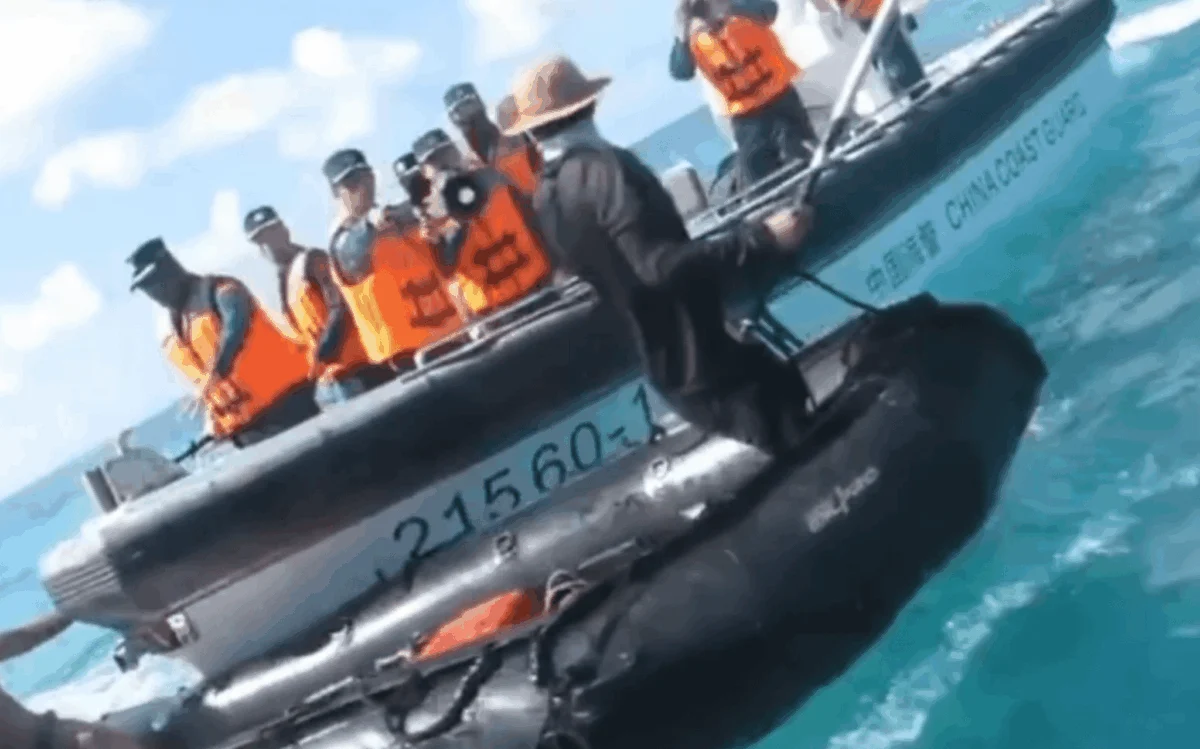
Beijing, China – In a dramatic escalation of long-simmering tensions in the South China Sea, China’s foreign ministry on Tuesday, July 20, 2026, urgently summoned the Philippine ambassador to lodge a formal protest following a violent confrontation at the disputed Second Thomas Shoal. The diplomatic rebuke came after Manila accused the China Coast Guard (CCG) of resorting to aggressive tactics, including clubbing a Filipino sailor with a baton, during a routine resupply mission to a Philippine outpost in the contested waters the previous day. This incident, which reportedly left several Filipino naval personnel injured and damaged Philippine vessels, has drawn swift international condemnation of Beijing’s actions from key allies of the Philippines, underscoring the volatile nature of territorial disputes in this strategically vital waterway.

The clash, which occurred on Monday, July 19, 2026, near the BRP Sierra Madre – a Philippine naval vessel deliberately grounded on Second Thomas Shoal since 1999 to assert sovereignty – marked a significant deterioration in maritime conduct. According to detailed accounts from the Philippine military, the CCG deployed multiple vessels, including large coast guard ships and rigid-hull inflatable boats (RHIBs), to intercept and obstruct the Philippine resupply convoy. Initial reports indicated that Chinese vessels not only employed water cannons and engaged in dangerous maneuvers, but also allegedly rammed Philippine craft. The most alarming development, however, was the accusation that CCG personnel boarded Philippine rubber boats, confiscated supplies, and used bladed weapons and batons, directly resulting in injuries to at least one Filipino sailor. This level of physical engagement and the alleged use of weapons represent a stark departure from previous confrontations, which typically involved water cannon attacks and blocking maneuvers.
China’s foreign ministry, in its statement, vehemently rejected the Philippine narrative, describing the events as the Philippines’ "deliberate provocation and attack" at Ren’ai Reef, as Beijing refers to the shoal. The ministry accused Manila of "turning the blame upside down, distorted the facts, and maliciously hyped the issue," maintaining that its coast guard actions were legitimate and necessary responses to protect China’s sovereign rights. This mutual recrimination highlights the deep chasm in interpretation and historical claims that defines the South China Sea dispute.

A Chronology of Escalation at Second Thomas Shoal
The incident on July 19, 2026, did not emerge in a vacuum but is part of a protracted and increasingly fraught series of encounters around Second Thomas Shoal, a flashpoint in the broader South China Sea territorial disputes.
- Monday, July 19, 2026: A routine resupply mission by the Armed Forces of the Philippines (AFP) to the BRP Sierra Madre was met with aggressive interdiction by China Coast Guard vessels. Philippine reports indicate that CCG ships engaged in dangerous blocking maneuvers, deployed high-pressure water cannons, and allegedly rammed Philippine rubber boats and support craft. Critically, CCG personnel reportedly boarded at least one Philippine vessel, physically assaulting a Filipino sailor with a baton, causing injury, and confiscating essential supplies and equipment meant for the troops stationed on the BRP Sierra Madre. Videos released by the AFP later showed intense close-quarters interactions between the two sides, with personnel visibly engaged in confrontations, marking an unprecedented level of direct physical aggression.
- Tuesday, July 20, 2026: Following the incident, the Philippine Department of Foreign Affairs immediately lodged a strong diplomatic protest with Beijing, demanding an explanation and accountability for the CCG’s actions, which they condemned as illegal and dangerous. Concurrently, China’s Ministry of Foreign Affairs summoned Philippine Ambassador Jaime FlorCruz to convey its own "solemn representations," accusing the Philippines of "deliberate provocation" and reiterating China’s "indisputable sovereignty" over the area. Internationally, reactions were swift: Washington condemned Beijing’s "dangerous and aggressive actions," while Australia’s Foreign Minister Penny Wong slammed China’s "destabilising and dangerous conduct." US Secretary of State Marco Rubio arrived in Manila on the same day for a summit of the 11-member Association of Southeast Asian Nations (ASEAN), with the South China Sea dispute now dominating the diplomatic agenda.
The Enduring Flashpoint: Second Thomas Shoal and the BRP Sierra Madre
Second Thomas Shoal, known as Ayungin Shoal in the Philippines and Ren’ai Reef in China, is a low-tide elevation in the Spratly Islands, approximately 105 nautical miles (195 km) west of Palawan, falling well within the Philippines’ Exclusive Economic Zone (EEZ). Its strategic significance is inextricably linked to the BRP Sierra Madre (LT-57), a World War II-era tank landing ship of the Philippine Navy. In 1999, the Philippines deliberately ran the dilapidated vessel aground on the shoal, turning it into a permanent, albeit decaying, military outpost. A small contingent of Philippine Marines is stationed aboard, living in spartan conditions, dependent on regular resupply missions for food, water, and building materials to maintain the ship’s structural integrity.

For decades, these resupply missions have been a focal point of contention. China views the presence of the BRP Sierra Madre as an illegal occupation of its territory and has consistently sought to prevent the delivery of construction materials that could be used to reinforce the ship, effectively aiming to starve out the Philippine presence and gain control of the shoal. The Philippines, conversely, asserts its sovereign rights over the shoal, citing its proximity to Palawan and the 2016 Permanent Court of Arbitration (PCA) ruling. The PCA, under the United Nations Convention on the Law of the Sea (UNCLOS), definitively ruled that China’s expansive "nine-dash line" claims have no legal basis and that Second Thomas Shoal is part of the Philippines’ EEZ and continental shelf. China, however, has consistently rejected this ruling as "null and void" and continues to assert "indisputable sovereignty" over almost the entire South China Sea, citing historical claims dating back centuries.
Strategic Importance of the South China Sea
The South China Sea is not merely a collection of disputed rocks and reefs; it is a geopolitical chessboard of immense global significance. An estimated one-third of global maritime trade, valued at over $5 trillion annually, transits through its waters, making it a critical artery for international commerce that connects major economies in Asia, Europe, and the Middle East. It is also believed to hold vast untapped reserves of oil and natural gas, estimated at billions of barrels of oil and trillions of cubic feet of natural gas, in addition to being one of the world’s richest fishing grounds, crucial for the food security of millions in the region. Control or significant influence over this sea lane grants enormous strategic, economic, and military advantages.

China’s aggressive assertion of its claims, including the construction of artificial islands on submerged features and their subsequent militarization with airfields, ports, and advanced missile systems, has dramatically altered the geopolitical landscape. These actions are perceived by many regional states and international powers as attempts to establish de facto control over the entire region, challenging freedom of navigation and overflight. The overlapping claims by other nations – including Vietnam, Malaysia, Brunei, and Taiwan, in addition to the Philippines – further complicate the situation, leading to a complex web of bilateral and multilateral disputes. The increasing frequency and intensity of maritime incidents reflect a determined effort by Beijing to enforce its claims, often through gray-zone tactics that fall short of outright armed conflict but exert significant coercive pressure.
International Reactions and Diplomatic Maneuvers
The international community has closely watched the escalating tensions, particularly the actions of China Coast Guard and maritime militia vessels, which often operate in concert to assert Beijing’s claims.

- United States: Washington has been a vocal critic of China’s assertiveness, consistently reiterating its commitment to freedom of navigation and overflight and the peaceful resolution of disputes based on international law. Secretary of State Marco Rubio’s arrival in Manila for the ASEAN summit underscored the US’s strategic pivot towards strengthening alliances in the Indo-Pacific. In an op-ed published in Philippine media outlets, Rubio reaffirmed the US defensive umbrella in the region, emphasizing Washington’s commitment "to freedom of navigation in Southeast Asia." He cautioned, "This freedom is by no means guaranteed. If these waters were to fall under the control of a power willing to use trade as a geopolitical weapon, both the United States and the ASEAN states would face serious new threats to their sovereignty, security, and economic future," a clear, albeit implicit, warning directed at Beijing. The Mutual Defense Treaty (MDT) between the US and the Philippines, which dates back to 1951, binds the two nations to come to each other’s aid in the event of an armed attack. Recent incidents have intensified discussions about the scope and application of this treaty to maritime clashes in the South China Sea, with calls for clearer definitions of what constitutes an "armed attack" in the gray zone.
- Australia: Foreign Minister Penny Wong’s condemnation of China’s "destabilising and dangerous conduct" echoed the sentiments of other like-minded nations. Australia, a key regional partner, has consistently advocated for adherence to international law, including UNCLOS, and has participated in joint exercises with the Philippines and the US to promote maritime security, underscoring its commitment to a free and open Indo-Pacific.
- Japan and European Union: While not directly involved in the South China Sea territorial disputes, countries like Japan and the member states of the European Union have frequently expressed concerns over the maintenance of a rules-based international order and freedom of navigation. Their statements, often made through diplomatic channels or joint declarations, contribute to the international pressure on all parties to exercise restraint and pursue peaceful solutions. Japan, a significant maritime power, has also increased its security cooperation with the Philippines.
- ASEAN: The Association of Southeast Asian Nations (ASEAN), of which the Philippines is a member, often finds itself in a delicate position. While many members have their own grievances with China over maritime issues, the bloc aims to maintain neutrality and strong economic ties with Beijing. The ASEAN summit, now featuring the latest clash prominently, will test the bloc’s ability to forge a united stance and facilitate de-escalation, especially with both US Secretary of State Rubio and Chinese Foreign Minister Wang Yi in attendance. Though a direct meeting between Rubio and Wang Yi was not publicly confirmed, their presence at the same summit offered a potential, albeit likely tense, opportunity for dialogue, following their previous encounters on the sidelines of an ASEAN gathering in Kuala Lumpur last year and in Munich in February.
Implications and Future Outlook
The recent confrontation at Second Thomas Shoal carries profound implications for regional stability, international law, and the future of maritime security in the Indo-Pacific.
- Risk of Escalation: The alleged use of physical force and weapons by the CCG marks a dangerous new precedent. It significantly raises the risk of miscalculation or accidental escalation, which could quickly spiral into a broader conflict involving external powers. The direct physical assault on personnel crosses a critical threshold that could provoke stronger retaliatory measures.
- Challenge to International Law: China’s continued disregard for the 2016 PCA ruling and its aggressive actions undermine the principles of UNCLOS and the international rules-based order, setting a troubling precedent for other maritime disputes globally. This selective adherence to international law erodes trust and makes peaceful resolution more difficult.
- Freedom of Navigation: The incidents pose a direct threat to freedom of navigation, not just for claimant states but for all nations whose trade relies on the unimpeded passage through the South China Sea. If China succeeds in controlling these waters, it could impose tariffs, restrict access, or use its position as a geopolitical leverage point, as hinted by Secretary Rubio.
- Strengthening Alliances: Beijing’s actions invariably push claimant states like the Philippines closer to allies such as the United States, Australia, and Japan, leading to enhanced military cooperation, joint patrols, and intelligence sharing, which China views as provocative. This reinforces a geopolitical divide in the region, potentially leading to the formation of stronger counter-balancing alliances.
- Economic Impact: While direct economic impacts from these specific clashes are limited, sustained instability and the threat of conflict could deter foreign investment, disrupt global supply chains, and negatively affect the economies of coastal states and global trade, particularly impacting industries reliant on maritime shipping.
- Diplomatic Stalemate: The mutual accusations and firm stances from both China and the Philippines, backed by their respective allies, suggest a continued diplomatic stalemate. Finding common ground for de-escalation and a long-term resolution remains exceedingly challenging. The presence of top diplomats at the ASEAN summit offers a glimmer of hope for dialogue, but past interactions between US and Chinese officials, such as their meetings last year in Kuala Lumpur and in Munich in February, have often yielded little tangible progress on core contentious issues. The Philippines’ domestic politics also play a role, with strong public sentiment demanding a firm stance against Chinese aggression, limiting Manila’s flexibility in negotiations.
The incident at Second Thomas Shoal serves as a stark reminder of the fragile peace in the South China Sea. As nations continue to vie for control and influence over these vital waters, the international community faces the critical challenge of upholding international law, preventing further militarization, and ensuring that diplomatic channels remain open to avert a potentially devastating conflict. The ongoing saga of the BRP Sierra Madre and the perilous resupply missions symbolize the broader struggle for sovereignty, resources, and the rules-based order in one of the world’s most contested maritime regions.


 Iffa Jayyana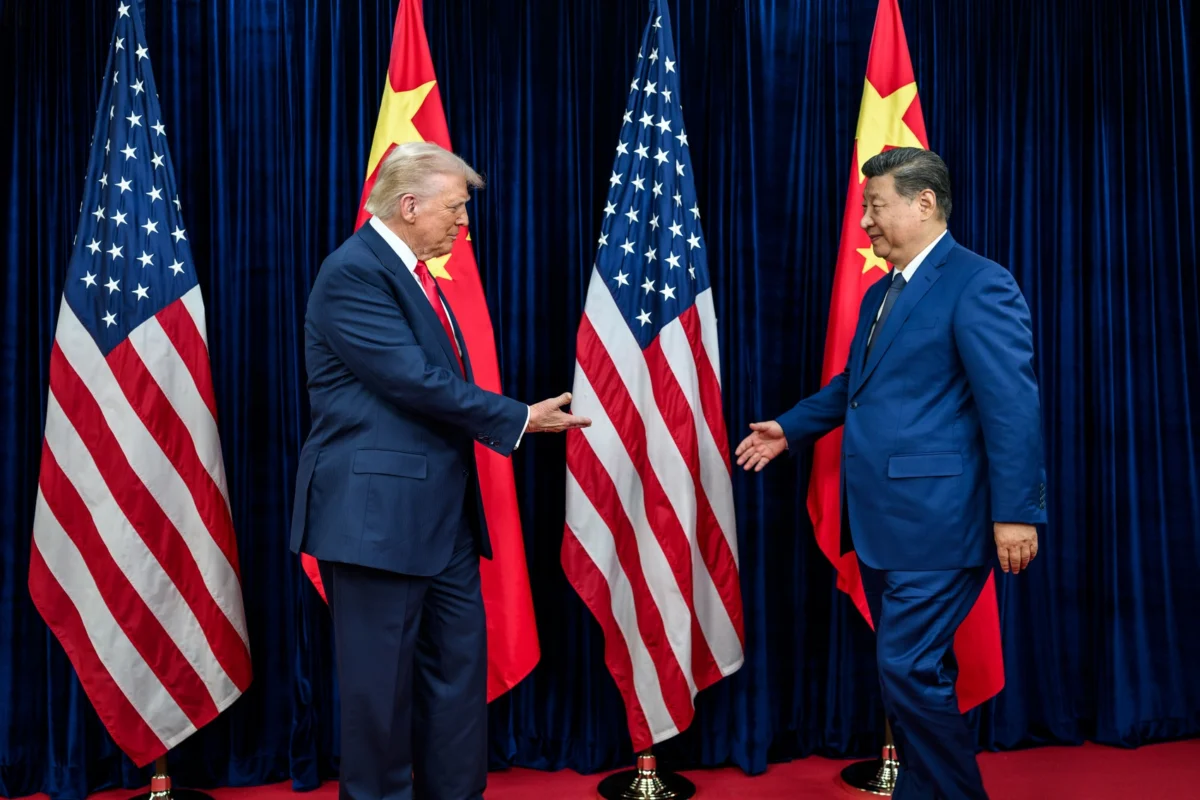
 Laily UPN