Nana Muazin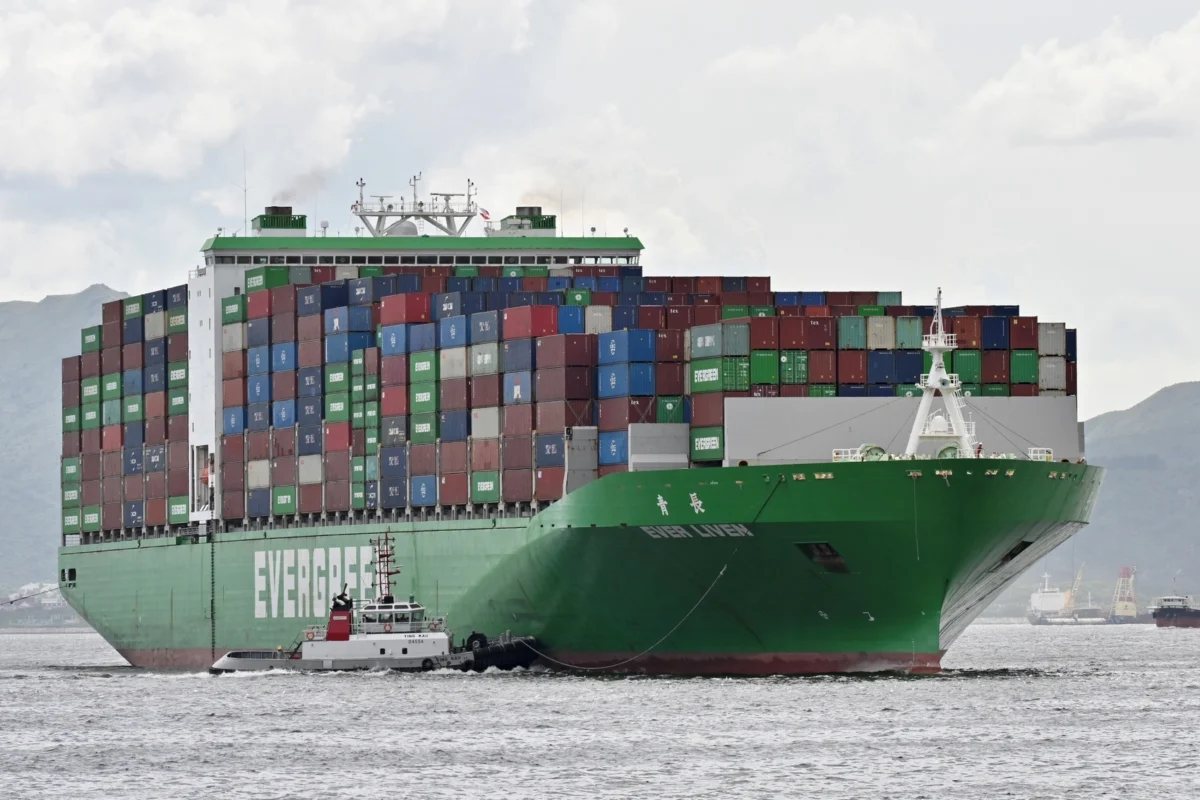
The world’s second-largest economy has navigated a period marked by persistent weakness in domestic consumption, with its export sector acting as a critical buffer. Last year, China achieved a historic trade surplus of nearly US$1.2 trillion, a testament to its formidable manufacturing capabilities and global supply chain integration. The current year appears poised to mirror this trend, with the cumulative trade surplus reaching US$687 billion through the end of July, putting it on track to potentially match or even exceed the previous year’s record.
Detailed Trade Performance in July
According to the General Administration of Customs (GAC), Chinese exports soared by an impressive 23.9 percent year-on-year in July. This figure comfortably surpassed the 23.0 percent growth forecast by Bloomberg, highlighting the unexpected strength of outbound shipments. This export boom has been significantly bolstered by escalating global demand for Chinese data-processing equipment and related components, as companies worldwide race to build and expand their artificial intelligence infrastructure. The GAC data further revealed a remarkable 45.2 percent year-on-year jump in overseas shipments of computers and their associated parts during the first seven months of the year, signaling a sustained and powerful trend.

Julian Evans-Pritchard, an economist at Capital Economics, commented on the robust figures, noting that "Export and import values remain elevated, helped by soaring global demand for electronics and green tech products." This observation underscores a broader shift in global trade dynamics, where China is increasingly positioning itself as a key supplier for the burgeoning green technology sector, encompassing products like electric vehicles, solar panels, and advanced battery storage systems, alongside its traditional dominance in electronics.
On the import side, China saw a 27.5 percent increase in July, extending a strong performance observed throughout the year. However, this growth rate was notably slower than the 36 percent surge recorded in June and also fell short of Bloomberg’s forecast of 29.5 percent growth. While imports remain strong, this slight deceleration in growth could reflect ongoing challenges within China’s domestic economy, where key indicators of internal demand have shown persistent weakness.
The AI Boom: A New Engine for Chinese Exports
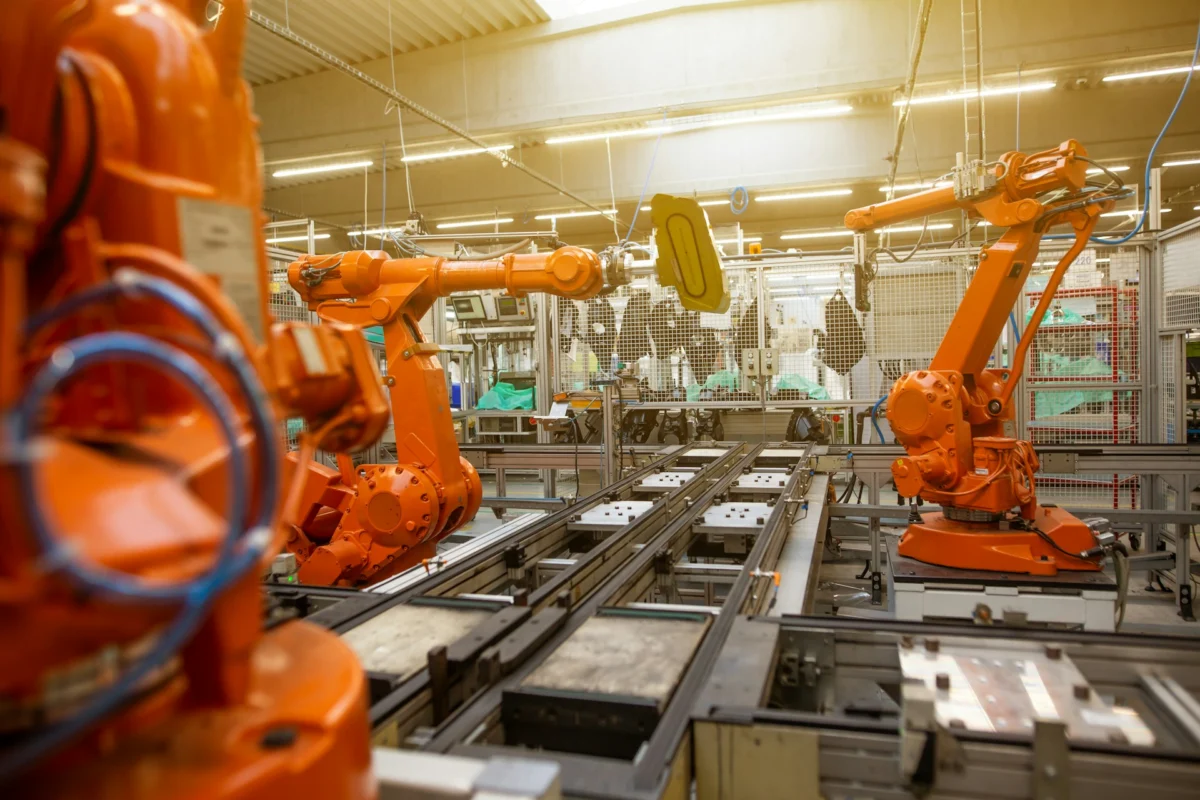
The global push for artificial intelligence has become a powerful new engine for China’s export sector. The development and deployment of AI technologies require massive amounts of specialized hardware, including high-performance computing components, servers, data storage solutions, and advanced cooling systems. China, with its sophisticated manufacturing base and extensive supply chain networks, is uniquely positioned to meet this demand. Factories across the country are ramping up production of these critical components, from intricate semiconductor packaging to complete server racks, catering to technology companies, cloud service providers, and research institutions worldwide.

This demand surge is not limited to just "data-processing equipment." It extends to a wide array of electronic goods that underpin the AI ecosystem, including specialized sensors, networking hardware, and even consumer electronics with enhanced AI capabilities. The sheer scale and cost-effectiveness of Chinese manufacturing allow it to capture a significant share of this rapidly expanding global market, further cementing its role as the "world’s factory" but with an increasingly high-tech focus. The strategic pivot towards advanced manufacturing, outlined in national industrial policies, appears to be yielding tangible results in this sector.
The Mounting Trade Surplus and International Concerns
While beneficial for China’s economic stability, the persistent and widening trade surplus has increasingly raised eyebrows abroad. Concerns are particularly acute in Europe, where leaders worry about a "flood" of competitively priced Chinese exports potentially squeezing out local manufacturers and stifling domestic innovation. European officials have voiced apprehension over what they perceive as unfair trade practices, including state subsidies and industrial policies that allegedly give Chinese companies an undue advantage. Sectors such as electric vehicles, renewable energy components, and certain high-tech goods are frequently cited as areas where European industries face intense pressure from Chinese imports.
Beijing has consistently insisted that it never deliberately pursues a trade surplus, framing it as a natural outcome of global market dynamics and its comparative advantages in manufacturing. However, the sheer scale of the surplus has prompted internal discussions within China’s highest echelons of power. At a key meeting late last month, the Communist Party’s Politburo, the powerful decision-making body headed by President Xi Jinping, urged a more "balanced" trade development. This directive signals an acknowledgment of the international pressures and a potential willingness to address the imbalance, though concrete policy shifts remain to be seen.

Zhiwei Zhang, president and chief economist at Pinpoint Asset Management, highlighted the inevitable diplomatic fallout from the trade figures. "Export growth continued to support the economy in July," he wrote in a note following Friday’s data release. "I expect intense negotiations between China and [its] major trading partners in coming months on what can be done to make trade more balanced." These negotiations are likely to involve the European Union, the United States, and other significant trading blocs, focusing on market access, industrial subsidies, and intellectual property rights.
Domestic Economic Challenges and Export Reliance
The robust export performance stands in stark contrast to the subdued state of China’s domestic economy. A prolonged slump in domestic consumption has been a major concern for policymakers. This weakness stems from several factors, including a crisis in the real estate sector, which has eroded household wealth and confidence; high levels of youth unemployment, which dampen overall consumer spending; and lingering uncertainties from past pandemic-related restrictions. With consumers hesitant to spend and businesses cautious about investing internally, the export sector has become an even more vital lifeline, providing employment, foreign exchange earnings, and overall economic stability.
This reliance on external demand, while currently advantageous, also exposes China to global economic fluctuations and geopolitical risks. A slowdown in global growth, increased protectionism, or further escalation of trade tensions could significantly impact China’s economic outlook, underscoring the Politburo’s call for more "balanced" development that ideally includes a stronger domestic demand component.

Geopolitical Undercurrents: The China-US Trade Flare-up
The impressive trade figures have been achieved despite considerable pressure on the global trading system, including ongoing geopolitical tensions. The war in the Middle East, for instance, has introduced uncertainties related to shipping routes, energy prices, and broader supply chain stability, though its direct impact on China’s July trade figures appears to have been mitigated by strong tech demand. More significantly, simmering trade frictions between Beijing and Washington continue to cast a long shadow over global commerce.
China’s shipments to the United States rose by 17 percent year-on-year last month, Friday’s data showed, even as the two economic superpowers remain locked in a protracted trade war despite periodic efforts to ease tensions. This rise in exports contributed to China’s trade surplus with its superpower rival reaching nearly US$171 billion through the end of July, according to official data.
The latest figures come just days after a fresh flare-up in trade tensions between the world’s top two economies. Following new sanctions imposed by Washington, citing concerns over forced labor in Xinjiang and national security risks associated with Chinese technology, Beijing swiftly retaliated. On Wednesday, China announced restrictions on drone exports to the United States and blacklisted six US firms. The drone restrictions are particularly notable, as China is a global leader in drone manufacturing, with its civilian drones often incorporating dual-use technologies. This tit-for-tat escalation highlights the deep-seated strategic competition that underpins the economic relationship.

Chronology of Key Trade and Diplomatic Events:
- Last Year (2023): China recorded a historic trade surplus of nearly US$1.2 trillion, largely driven by resilient manufacturing and global demand.
- Late July: The Communist Party’s Politburo, led by President Xi Jinping, convenes a key meeting, urging a more "balanced" trade development in response to international pressures and domestic economic concerns.
- Early August (Friday): The General Administration of Customs (GAC) releases July’s trade data, showing exports up 23.9% and imports up 27.5%, significantly driven by demand for AI-related tech.
- Days Prior to Data Release: Washington imposes new sanctions on Chinese entities, citing forced labor practices and national security concerns, particularly regarding advanced technology.
- Shortly After US Sanctions (Wednesday): Beijing announces retaliatory measures, including restrictions on drone exports to the United States and the blacklisting of six US firms.
- October (Previous Year, 2023): A temporary truce in the US-China trade war was reached when then-US President Donald Trump met Chinese President Xi Jinping, leading to a "Phase One" trade deal. However, many tariffs remained in place.
- Late September (Upcoming): Chinese President Xi Jinping is scheduled to undertake a state visit to the United States. This visit will likely serve as a crucial platform for high-level discussions aimed at managing the ongoing trade frictions and broader geopolitical competition.
Broader Implications and Outlook
The trajectory of China’s trade surplus and its export-driven growth model carries significant implications for the global economy. While it provides stability for China in the short term, it intensifies protectionist sentiments abroad and fuels calls for industrial decoupling, particularly in strategic sectors. The reliance on AI-related tech exports also underscores the evolving nature of global supply chains and the increasing importance of advanced manufacturing capabilities.
Looking ahead, the "intense negotiations" anticipated by economists will likely shape the future of global trade relations. Key areas of contention will include China’s industrial subsidies, intellectual property protection, and market access for foreign companies. The upcoming state visit by President Xi Jinping to the United States in late September will be a critical diplomatic moment, offering an opportunity to de-escalate tensions or, conversely, highlighting the intractable nature of certain disputes.

Ultimately, China faces the challenge of sustaining its export prowess while simultaneously addressing internal economic imbalances and navigating a complex geopolitical landscape. A truly "balanced" trade development, as called for by its leadership, would entail fostering stronger domestic demand, diversifying export markets, and engaging in constructive dialogue to alleviate international trade frictions, ensuring a more stable and equitable global trading environment.


 Ali Ikhwan
 Raul Delapena Setiawan