Lina Irawan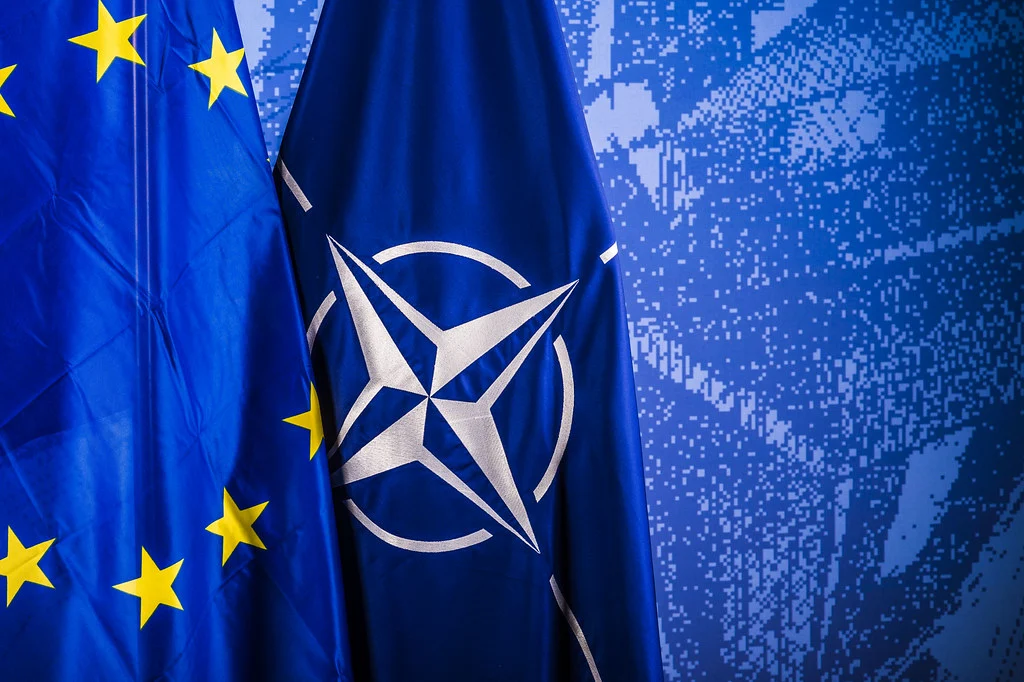
A Canadian citizen of Chinese origin has been arrested in Belgium on suspicion of engaging in espionage activities on behalf of a third country during an internship at NATO’s Supreme Headquarters Allied Powers Europe (SHAPE) in Mons. The arrest, which occurred on Thursday, was announced by Belgian authorities on Saturday, sending ripples of concern through the transatlantic defense alliance.
Allegations and Investigation
The Federal Prosecutor’s Office stated that the intern is suspected of spying for an unspecified "third country" and of being a member of a criminal organization. While the exact nature of the alleged espionage has not been detailed, the individual’s activities came to the attention of SHAPE’s security services. These services subsequently alerted the General Intelligence and Security Service (GISS), prompting an investigation.

The prosecutor’s office has assigned the investigation to the federal judicial police in Charleroi. Searches were conducted at the suspect’s residence and workplace on Thursday. A magistrate formally served the suspect with an arrest warrant on Friday, indicating that legal proceedings have commenced. The suspect’s identity has not been publicly disclosed.
Background Context: Espionage Threats and NATO Security
The arrest underscores the persistent threat of espionage faced by international organizations, particularly those involved in sensitive defense and security matters like NATO. In recent years, intelligence agencies worldwide have reported an increase in state-sponsored espionage, with cyber and human intelligence operations targeting critical infrastructure, government institutions, and international bodies.
NATO, as the cornerstone of Western defense, is a prime target for intelligence gathering by nations seeking to gain insights into the alliance’s strategies, capabilities, and internal deliberations. The alliance’s headquarters and its various components, including SHAPE, house classified information that could be of immense value to adversaries.

SHAPE, located in Mons, Belgium, serves as the operational headquarters for NATO’s military command structure. It plays a crucial role in planning and executing NATO’s operations and exercises, making it a highly sensitive environment. Internships at such facilities, while valuable for professional development and fostering international cooperation, also present potential security vulnerabilities if not managed with stringent vetting processes and continuous monitoring.
Chronology of Events
- Prior to Thursday: SHAPE’s internal security services detected suspicious activity or information related to the intern.
- Thursday: The GISS was alerted by SHAPE security. The Federal Prosecutor’s Office took over the case and initiated an investigation, leading to searches at the suspect’s home and workplace.
- Friday: A magistrate issued an arrest warrant for the suspect.
- Saturday: Belgian authorities publicly announced the arrest.
Supporting Data and NATO’s Counter-Intelligence Efforts
While specific data regarding this particular incident is limited due to ongoing investigations, broader trends highlight the importance of counter-intelligence within organizations like NATO. According to various national intelligence reports, states often employ a range of tactics for espionage, including:
- Human Intelligence (HUMINT): Cultivating sources within targeted organizations, often through recruitment or exploitation of individuals with access. Internships can sometimes be exploited for this purpose, particularly if individuals have pre-existing ties or allegiances to foreign powers.
- Cyber Espionage: Utilizing sophisticated hacking techniques to breach networks, steal data, and conduct surveillance.
- Technical Surveillance: Employing devices to intercept communications or monitor activities.
NATO has robust counter-intelligence measures in place, including stringent vetting procedures for personnel with access to classified information, continuous monitoring of staff, security awareness training, and close cooperation with national intelligence agencies of member states. The GISS, as Belgium’s primary intelligence agency, plays a vital role in protecting national security interests and collaborating with international partners on threats that transcend borders.

Official Responses and Broader Implications
At the time of reporting, NATO has not issued a formal public statement regarding the arrest. However, such incidents typically trigger internal reviews of security protocols and heightened vigilance across the alliance. Member states are likely to be briefed on the situation, and there may be increased scrutiny of personnel and access privileges within NATO facilities.
The arrest has significant implications for NATO’s security posture and its relationships with member states, particularly Canada and any identified "third country."
- Trust and Transparency: Incidents of espionage can erode trust among allies and raise questions about the effectiveness of security vetting and screening processes.
- Information Security: The potential compromise of sensitive information is a grave concern, as it could provide adversaries with strategic advantages.
- Geopolitical Tensions: Depending on the identity of the "third country," this incident could exacerbate existing geopolitical tensions and lead to diplomatic repercussions.
The Federal Prosecutor’s Office has stated that the investigation is ongoing and further details will be released as they become available and are deemed appropriate for public disclosure. The focus will be on determining the full extent of the alleged espionage, the specific information compromised, and the motivations behind the suspect’s alleged actions.

This event serves as a stark reminder of the persistent and evolving nature of intelligence threats in the current global landscape, particularly in an era of heightened geopolitical competition. Organizations like NATO, entrusted with collective security, must remain perpetually vigilant and adaptable in their efforts to safeguard sensitive information and protect against infiltration. The thorough investigation by Belgian authorities and the subsequent cooperation with NATO and other allies will be crucial in understanding the full scope of this alleged breach and reinforcing security measures for the future.

 Lina Hope
 Suro Senen