Nana Wu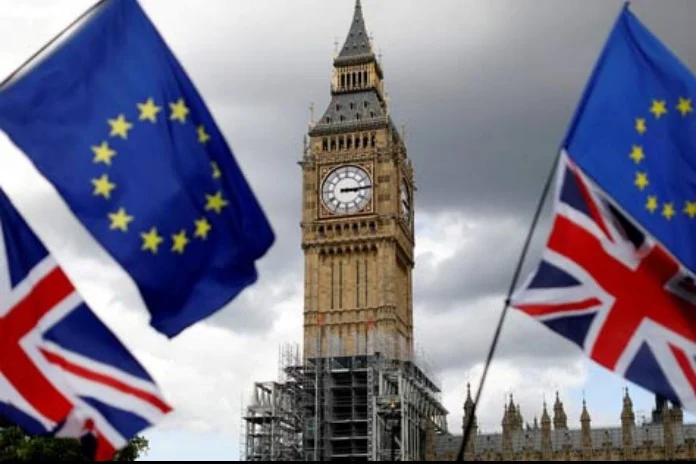
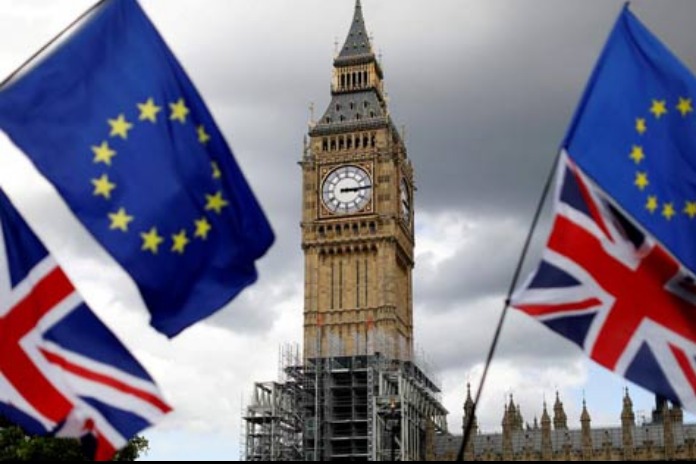
Brexit Secretary David Davis expressed optimism on Sunday, stating that the likelihood of Britain leaving the European Union without a trade agreement has significantly diminished following a pivotal agreement reached in Brussels. This breakthrough, achieved on Friday, is seen as a crucial step towards opening the door for more substantive negotiations regarding the future relationship between the UK and the EU.
A New Dawn for Brexit Negotiations
The sentiment from Davis suggests a palpable shift in the Brexit landscape. The deal brokered by Prime Minister Theresa May in Brussels on Friday was characterized by Davis as a "statement of intent," emphasizing that it is not yet legally binding. Its primary purpose, he elaborated, is to pave the way for the commencement of the next, more complex phase of discussions with EU negotiators. This phase will focus on the intricate details of the future economic partnership.
The significance of this agreement cannot be overstated. Without the "landmark progress" achieved in Brussels, European Commission President Jean-Claude Juncker would not have been in a position to recommend to the European Council that talks on Britain’s post-Brexit relationship be advanced to this critical juncture. This endorsement from Juncker is a strong signal from the EU that it is ready to engage in detailed discussions about the future, moving beyond the initial terms of the divorce.
The Vision for a "Canada Plus Plus Plus" Trade Deal
At the heart of the UK’s aspirations for a post-Brexit economic future lies the ambition to secure a free-trade agreement characterized by zero tariffs. Davis articulated this vision, describing it as a "Canada plus plus plus" deal. This descriptor is a direct reference to the comprehensive free trade agreement previously negotiated between Canada and the EU. However, Davis’s "plus plus plus" signifies a desire to go even further, specifically by including financial services within the tariff-free zone.
This inclusion of financial services is deemed critically important for the UK economy, particularly for the City of London, a global financial hub, and its extensive multi-billion dollar banking sector. These entities are not only major contributors to the British economy but also play a significant role in global financial markets. A deal that safeguards the frictionless flow of financial services is therefore seen as paramount to preserving the competitiveness and strength of the UK’s financial industry.
Davis further elaborated on his vision for a bespoke Brexit deal, stating, "We’ll probably start with the best of Canada, and the best of Japan and the best of South Korea and then add to that the bits that are missing which is the services." This approach underscores a desire to cherry-pick the most advantageous elements from various international trade agreements and tailor them to Britain’s specific economic needs and priorities. The aim is to construct a deal that is not merely a standard agreement but one that is uniquely suited to the UK’s post-EU landscape.

A Timeline for Resolution
Adding to the sense of progress, Davis expressed his belief that Britain and the EU are on track to finalize a "substantive trade deal within a year." This optimistic timeline suggests a commitment from the UK government to expedite the negotiation process and achieve clarity on the future economic relationship relatively quickly. Such an accelerated timeframe, if realized, would provide much-needed certainty for businesses and investors on both sides of the Channel, mitigating some of the economic uncertainties that have loomed since the Brexit referendum.
Addressing the Irish Border Challenge
A persistent and complex issue throughout the Brexit negotiations has been the border between Northern Ireland and the Republic of Ireland. Davis reiterated Britain’s commitment to maintaining a "frictionless and invisible border" between the two regions. This is a cornerstone of the Good Friday Agreement and a key concern for both the UK and the EU. Davis assured that a solution would be found to uphold this principle, even in the event of a "no deal" Brexit, signaling a determination to find practical and equitable arrangements.
Opposition’s Perspective and the Path Forward
While the government expresses optimism, the main opposition Labour Party, through its Brexit spokesman Keir Starmer, has outlined its own vision for the UK’s future relationship with the EU. Starmer indicated a preference for a partnership that would "retain the benefits of the European single market and the customs union." This stance suggests a desire for a closer economic alignment than the current government’s approach, emphasizing the preservation of existing trading advantages.

Prime Minister Theresa May is expected to convene a formal meeting of her cabinet in the coming days. This gathering will be crucial for her senior ministers to deliberate on the progress made in the Brexit talks and to strategize on the next steps. The UK has already agreed to a divorce settlement estimated at around 39 billion pounds (approximately 52.2 billion U.S. dollars). However, the final payment of this sum is contingent upon the successful negotiation and agreement of a future trade deal between the UK and the EU. This linkage underscores the interconnectedness of the divorce proceedings and the future economic partnership, highlighting the high stakes involved in the ongoing negotiations.
Background and Context
The United Kingdom voted to leave the European Union in a referendum held on June 23, 2016, with 51.9% voting to leave. The decision, often referred to as Brexit, triggered a period of intense political and economic uncertainty. The subsequent years have been marked by complex negotiations aimed at defining the terms of the UK’s withdrawal and establishing a new framework for its relationship with the EU.
Key Milestones in the Brexit Process:

- June 23, 2016: Referendum on EU membership.
- March 29, 2017: The UK formally triggered Article 50 of the Treaty on European Union, initiating the two-year countdown to departure.
- December 2017: The initial agreement on citizens’ rights, the financial settlement, and the Irish border was reached, allowing negotiations to move to the next phase.
- March 29, 2019: The UK was originally scheduled to leave the EU. This date has since been extended multiple times due to ongoing negotiations and parliamentary debates.
- December 11, 2017 (Date of Original Article): Brexit Secretary David Davis’s comments signaling progress towards a trade deal.
The agreement reached in Brussels in December 2017 was a significant development, breaking a deadlock that had threatened to derail the entire negotiation process. It addressed three key areas: the rights of EU citizens living in the UK and UK citizens living in the EU, the financial settlement the UK would owe to the EU, and crucially, the issue of the border between Northern Ireland and the Republic of Ireland. While this agreement was hailed as a step forward, it was recognized as only the first stage, with the more challenging task of negotiating the future trade relationship yet to come.
Supporting Data and Economic Considerations
The potential economic implications of Brexit remain a subject of considerable debate and analysis. The UK’s trade with the EU is substantial, with goods and services exports to the EU accounting for a significant portion of its GDP. According to the Office for National Statistics (ONS), in 2016, the EU accounted for 44% of UK exports and 53% of UK imports. The nature of the future trade deal will have a direct impact on these figures.
Key Economic Sectors and Their Stake:

- Financial Services: As mentioned, the City of London is a major global financial center. A deal that allows for continued access to the EU single market for financial services would be highly beneficial. Without it, firms might face increased costs and regulatory hurdles, potentially leading to relocation of some operations to EU countries.
- Manufacturing: Industries such as automotive and aerospace are heavily integrated into European supply chains. Tariffs and non-tariff barriers could disrupt these operations and increase production costs.
- Agriculture: The agricultural sector relies on access to EU markets and often benefits from EU subsidies. New trade arrangements will necessitate adjustments and potentially new support mechanisms.
The "Canada plus plus plus" vision aims to mitigate some of these potential negative impacts by seeking a comprehensive free trade agreement. However, even with such an agreement, it is widely anticipated that there will be increased friction in trade compared to the current frictionless single market and customs union membership.
Broader Impact and Implications
The outcome of the Brexit negotiations will have far-reaching consequences, not only for the UK and the EU but also for the global economic and political landscape.
Potential Implications:

- Economic Growth: The ability of the UK to forge new trade deals and adapt to its post-EU economic reality will be crucial for its future growth prospects. A smooth transition and a favorable trade agreement could foster stability and attract investment. Conversely, a disorderly exit or a weak trade deal could lead to economic contraction and reduced competitiveness.
- Geopolitical Standing: Brexit represents a significant shift in the UK’s international relationships. The nature of its future partnerships with the EU and other global powers will shape its geopolitical influence.
- Internal UK Politics: The ongoing Brexit process has deeply divided British society and politics. The successful implementation of a post-Brexit strategy will require considerable political capital and consensus-building.
The comments from David Davis reflect a government actively pursuing a specific vision for the UK’s future outside the EU. The coming months will be critical in determining whether this vision can be translated into a concrete and mutually beneficial agreement with the European Union, thereby shaping the economic and political trajectory of Britain for decades to come. The "statement of intent" from Brussels has indeed opened a new chapter, but the narrative of the UK’s post-Brexit journey is far from complete. The optimism expressed by the Brexit Secretary offers a glimpse of a potential resolution, but the complexities of trade, sovereignty, and international relations ensure that the path ahead remains challenging and uncertain.



 Suro Senen