Nana
Nana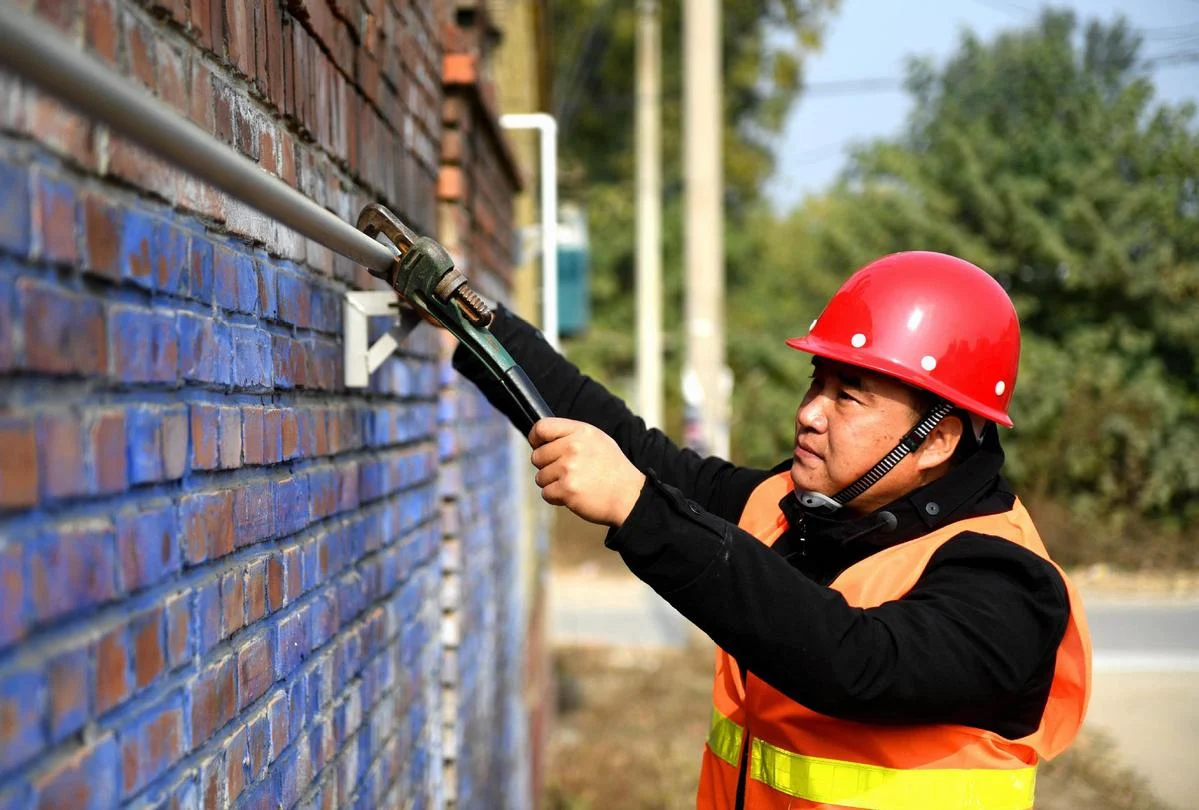
The Asian Infrastructure Investment Bank (AIIB) announced a significant $250 million loan on Monday, marking its inaugural investment in China, designated for a natural gas project in Beijing. This pivotal financing initiative aims to substantially reduce coal consumption and enhance air quality across the capital region, aligning with China’s ambitious environmental protection agenda. Beyond its geographical significance, the loan also represents the AIIB’s first foray into corporate financing, underscoring its evolving operational strategies and its commitment to supporting sustainable infrastructure development through various financial mechanisms.
A Crucial Step Towards Cleaner Air in China’s Capital
The recipient of this substantial loan is the Beijing Gas Group Co., a prominent energy utility responsible for the distribution and management of natural gas in Beijing. The funds are earmarked for critical coal-to-gas conversion projects, primarily targeting rural households within the capital’s administrative area. These projects are designed to facilitate the transition of these households from coal, traditionally used for cooking and heating, to cleaner-burning natural gas. The scope of work encompasses the construction of extensive natural gas distribution networks, the laying of new pipelines, and the installation of household connection facilities, ensuring a seamless and efficient shift for residents. According to a statement released by the Beijing-based multilateral financial institution, the project is slated for completion by 2021. Upon its full implementation, it is projected to enable approximately 216,750 households across some 510 rural villages to connect to the natural gas distribution network, leading to an estimated annual reduction of coal use by about 650,000 metric tons. This move is a direct response to China’s intensified efforts to combat pervasive air pollution by adopting more stringent environmental regulations and promoting cleaner energy alternatives.
China’s Arduous Battle Against Air Pollution
For years, major urban centers in China, including Beijing and its surrounding provinces like Hebei, have grappled with severe air pollution, frequently experiencing hazardous levels of particulate matter (PM2.5) that significantly exceed World Health Organization guidelines. This environmental crisis, often exacerbated by industrial emissions, vehicle exhaust, and the burning of coal for heating and power generation, has posed serious public health challenges and garnered widespread public concern. In response, the Chinese government launched a comprehensive "War on Pollution" in the early 2010s, which intensified significantly after 2013 with the introduction of the Air Pollution Prevention and Control Action Plan.
This national campaign, later evolving into the "Blue Sky Protection Campaign," has implemented a multi-pronged strategy to address the root causes of air degradation. Key initiatives include closing or upgrading highly polluting factories, restricting vehicle usage, and crucially, promoting the transition from coal to cleaner energy sources such as natural gas and electricity. The coal-to-gas conversion program, particularly in the Beijing-Tianjin-Hebei region, has been a cornerstone of this strategy. The government has poured significant resources into upgrading energy infrastructure, providing subsidies to households and businesses to encourage the switch, and enforcing stricter emissions standards across various sectors. The urgency of these measures is underscored by the tangible improvements in air quality observed in recent years, though the challenge remains substantial and requires sustained commitment and investment.
The AIIB’s Mandate and Strategic Alignment
The Asian Infrastructure Investment Bank, established in 2016, positions itself as a new-generation multilateral development bank focused on financing infrastructure projects in Asia and beyond. Its core mission is to foster sustainable economic development, create wealth, and improve infrastructure connectivity in Asia by investing in projects that are financially viable, environmentally sound, and socially acceptable. This $250 million loan to the Beijing Gas Group aligns perfectly with the AIIB’s strategic objectives, particularly its emphasis on "green" and sustainable development.
Jin Liqun, President of the AIIB, articulated the bank’s vision in a statement regarding the loan. He emphasized that the AIIB’s first investment in China is not merely a financial transaction but a testament to its mission of supporting member countries in their pursuit of green and sustainable development pathways. "China’s commitment to reducing its reliance on coal will change lives and improve the environment, and that is why we are investing in a project aligned with that ambitious plan," Jin stated. He further elaborated that the project would contribute to China’s introduction of sustainable infrastructure, leading to a reduction in greenhouse gas emissions and stimulating economic growth in one of Asia’s most vital economic hubs. This dual benefit—environmental protection coupled with economic impetus—is a hallmark of the AIIB’s investment philosophy.
Project Chronology and Expected Impact
While the formal announcement of the loan came on a Monday in late 2017, the groundwork for such a significant project would have involved extensive due diligence, feasibility studies, and negotiations between the AIIB and the Beijing Gas Group. The broader context for this project can be traced back to China’s heightened focus on environmental protection following the severe pollution episodes of the early 2010s. The "Blue Sky Protection Campaign," launched with renewed vigor around 2013-2014, set ambitious targets for coal reduction and air quality improvement, particularly in key industrial and population centers.
The project itself is expected to commence soon after the loan approval, with a target completion date of 2021. This timeline suggests a rapid deployment phase for the infrastructure, reflecting the urgency of the environmental goals. Once operational, the project’s impact will be multi-faceted. Environmentally, the annual reduction of 650,000 metric tons of coal will directly translate into a significant decrease in sulfur dioxide, nitrogen oxides, and particulate matter emissions in the targeted rural areas. This will lead to improved local air quality, reducing respiratory illnesses and enhancing public health. Socially, rural households will benefit from a cleaner, more convenient, and potentially more cost-effective energy source for heating and cooking, improving their quality of life. Economically, the construction phase will generate employment opportunities, and the long-term operation and maintenance of the gas networks will sustain local economic activity.
Expert Perspectives and Broader Implications
The AIIB’s decision to finance this project has been met with positive reactions from financial and energy experts, who see it as a strategic move with far-reaching implications. Zeng Gang, a financial researcher at the Chinese Academy of Social Sciences, highlighted the significance of this investment, stating that "Green financing in China will clearly be an important target for the AIIB." He further noted that it is "reasonable that the AIIB is the provider of long-term financing with relatively low cost for such infrastructure projects, especially when Chinese commercial banks are facing greater liquidity pressure." This observation points to the complementary role the AIIB can play alongside domestic financial institutions, offering specialized, long-term capital for large-scale, environmentally focused infrastructure development, which often requires patient capital and a different risk profile than typical commercial lending.
However, the rapid transition to natural gas is not without its challenges. Li Li, energy research director at ICIS China, an energy consulting firm, while welcoming the AIIB financing, offered a crucial caveat. She emphasized that while such investments are vital, China must also bolster its investment in seasonal gas storage facilities, diversify its import channels, and refine its pricing mechanisms. These measures are critical to address potential shortages, particularly during peak demand seasons in winter, and to ensure the long-term stability and affordability of natural gas supply. China’s growing reliance on natural gas, both domestically produced and imported, necessitates robust infrastructure for storage and transportation, as well as a flexible market mechanism to manage supply and demand fluctuations effectively.
The Future of Green Infrastructure Financing
This landmark $250 million loan sets a powerful precedent for the AIIB’s future engagement in China, its largest shareholder. It signals a clear intention to support China’s ambitious environmental agenda and its transition to a greener, more sustainable economic model. The project demonstrates the AIIB’s commitment to its founding principles of investing in "lean, clean, and green" infrastructure. By focusing on a project that directly addresses a pressing environmental and public health issue, the AIIB reinforces its credibility as a legitimate and impactful multilateral development bank.
Looking ahead, the energy project funded by the AIIB could well pave the way for more financing for environment-related infrastructure projects in China. As China continues to prioritize ecological civilization and sustainable development, the demand for green financing solutions will only grow. The AIIB, with its specialized mandate and growing financial capacity, is uniquely positioned to be a significant partner in this endeavor. Beyond China, the success of this project could also serve as a model for other developing nations in Asia that are grappling with similar challenges of balancing economic growth with environmental protection. The emphasis on coal-to-gas conversion, while a transitional solution, represents a tangible step towards a lower-carbon future, laying the groundwork for further integration of renewable energy sources into the national energy mix. The Beijing natural gas project, therefore, is not just about cleaner air for the capital but also about charting a course for sustainable infrastructure development across the continent.


 Sagoh
Sagoh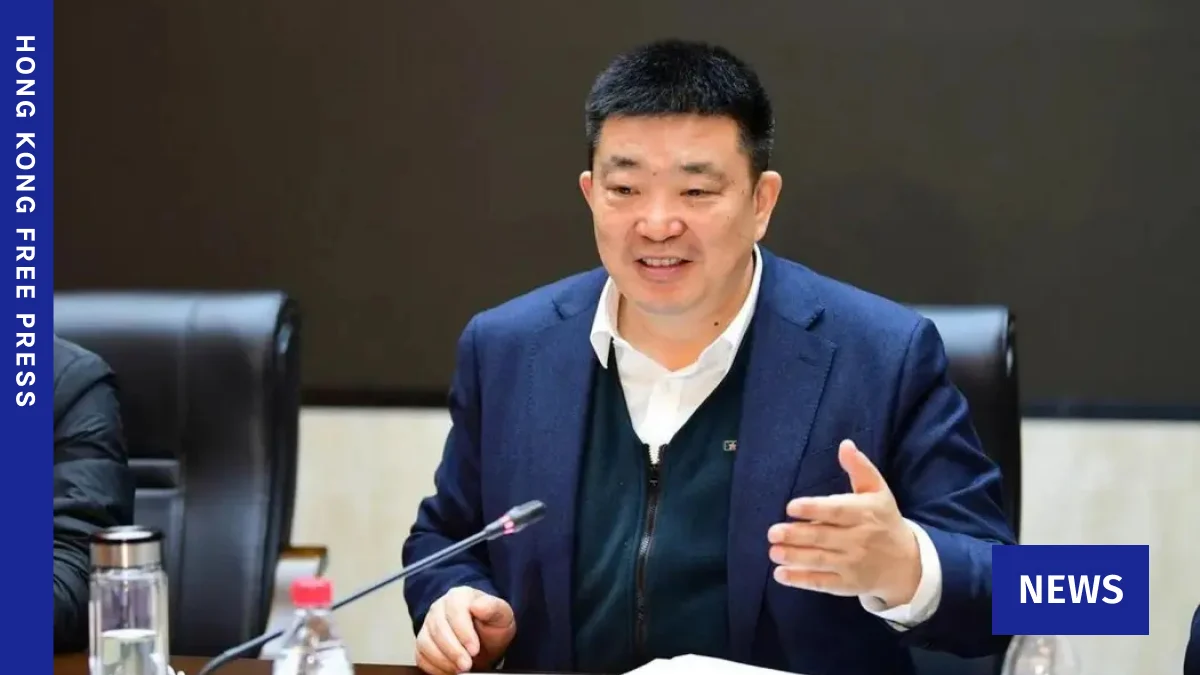
 Asro
Asro