Asro
Asro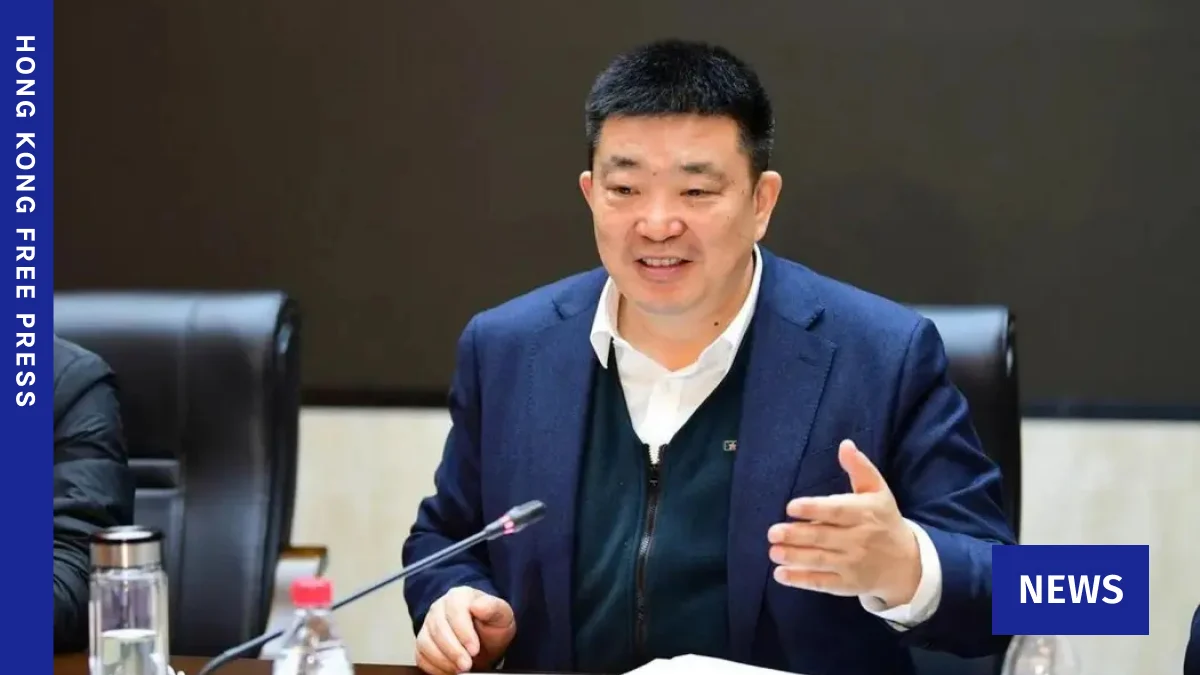
A Chinese court on Saturday delivered a stringent verdict against Zhou Xianwang, the former mayor of the central city of Wuhan, sentencing him to 14 years in prison after finding him guilty of accepting substantial bribes in connection with various business dealings. The ruling, handed down by the Shangqiu Intermediate People’s Court in central Henan Province, also included a hefty fine of five million yuan ($700,000 USD), underscoring the Chinese government’s unwavering commitment to its long-running anti-corruption campaign.
The Verdict and Charges
Zhou Xianwang was convicted of leveraging his official positions for personal financial gain over an extended period, spanning from 2003 until May 2025. The court statement detailed that Zhou exploited his various roles, including his prominent tenure as mayor of Wuhan, to "assist relevant entities and individuals with matters such as securing engineering contracts, business operations, and administrative approvals." In exchange for these illicit services, he accepted money and property totaling more than 60.5 million yuan, equivalent to approximately $9 million USD.

The severity of the sentence reflects the significant amount of illicit gains and the duration over which the corrupt activities transpired, involving multiple positions of public trust. The court’s pronouncement emphasized the clear violation of public duty and the undermining of fair competition and governance that such actions entail.
Zhou Xianwang’s Political Trajectory
Zhou Xianwang’s career in public service was extensive, marked by a series of high-level appointments within Hubei Province. Prior to his mayoral role in Wuhan, he held various influential positions that provided him ample opportunity, as the court found, to engage in corrupt practices. His most notable appointment was as the mayor of Wuhan, the provincial capital of Hubei, a position he held during one of the city’s most challenging periods in modern history. Following his tenure as mayor, Zhou continued to serve in significant capacities, including as vice chairman of a provincial committee under China’s top political advisory body from 2021 to 2023. This trajectory from local leadership to provincial advisory roles highlights the broad scope of his influence and the depth of his entanglement in corrupt networks.
Wuhan’s Crucible: The COVID-19 Outbreak

Zhou Xianwang’s name became globally recognized during his tenure as Wuhan mayor, coinciding precisely with the initial outbreak of the novel coronavirus (COVID-19) in late 2019 and early 2020. As the epicenter of the emerging pandemic, Wuhan faced unprecedented challenges, and its leadership came under intense international scrutiny. During this critical period, Zhou and other local officials were criticized for their initial handling of the crisis, particularly regarding perceived delays in disclosing information and implementing stringent containment measures.
In January 2020, amidst escalating public alarm and a rapidly spreading virus, Zhou Xianwang publicly admitted to information disclosure failures, stating that local authorities had not released information "in a timely fashion" due to strict regulations requiring central government approval. He even offered to resign in the face of public anger, taking responsibility for the city’s initial response. While the bribery charges are distinct from his performance during the pandemic, the public memory of his leadership is inextricably linked to this global health crisis. The immense pressure and unique circumstances of his mayoral term during the pandemic add a layer of historical context to his later downfall, even if the corrupt acts themselves predated and extended beyond this specific period. The investigation into his conduct began in July 2024, long after his departure from the mayoral office, but his past public profile likely contributed to the heightened attention surrounding his case.
The Investigation and Legal Process in China’s Anti-Corruption Drive
The investigation into Zhou Xianwang’s alleged corruption began in July 2024, initiated by China’s powerful anti-graft bodies. These investigations typically involve the Central Commission for Discipline Inspection (CCDI) and the National Supervisory Commission (NSC), which have broad powers to detain and investigate Party members and public officials. The process often begins with internal disciplinary probes, known as "shuanggui" or "liuzhi," which can involve prolonged detention without formal charges and limited access to legal counsel. Once sufficient evidence is gathered, cases are then transferred to the procuratorate for formal arrest and indictment, leading to trial in the people’s courts.

The Shangqiu Intermediate People’s Court, located in Henan Province, was tasked with hearing Zhou’s case. This choice of venue, a court outside Hubei Province where Zhou held most of his positions, is a common practice in high-profile corruption cases in China. It is intended to minimize potential local influence or interference and ensure a perception of impartiality in the judicial process. The court’s detailed statement outlining the scope and duration of his illicit activities reflects the meticulous nature of these investigations, which often involve extensive financial forensics and witness testimonies.
Xi Jinping’s Enduring Anti-Corruption Campaign: "Tigers and Flies"
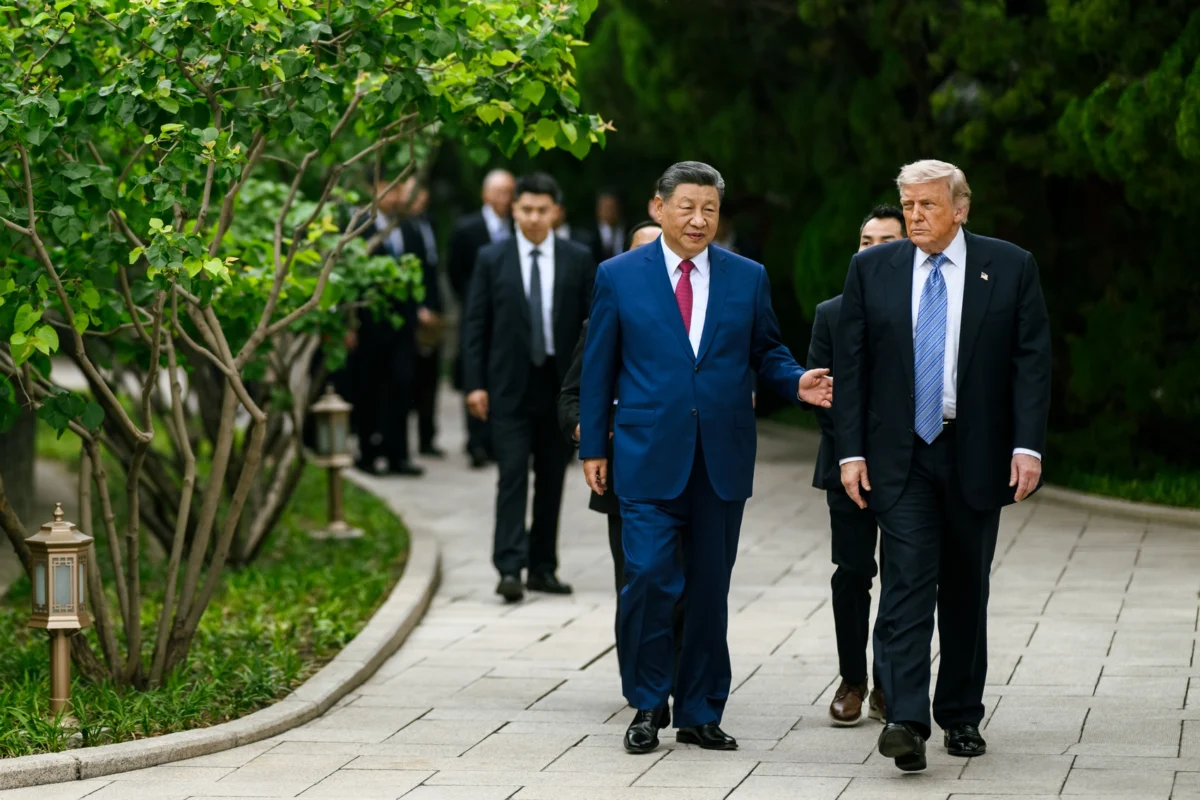
The sentencing of Zhou Xianwang is the latest high-profile example within President Xi Jinping’s ambitious and relentless anti-corruption campaign, a hallmark of his decade-plus rule. Launched shortly after Xi assumed power in 2012, the campaign, famously dubbed "Tigers and Flies," vowed to target both high-ranking "tigers" (senior officials) and lower-level "flies" (local bureaucrats).
Origins and Scale: The campaign’s stated objective is to promote clean governance, restore public trust in the Communist Party, and strengthen Party discipline. However, critics often suggest that it has also served as a potent tool for Xi to consolidate power, remove political opponents, and instill loyalty within the Party ranks. Since its inception, hundreds of thousands of officials, from ministerial-level cadres to village chiefs, have been investigated, disciplined, or prosecuted. Data from the CCDI regularly reports on the staggering number of officials caught in the dragnet, reflecting a systemic effort to root out pervasive corruption across all levels of government and state-owned enterprises.

Impact and Reach: The campaign has significantly altered China’s political landscape, creating a climate of fear and caution among officials, curbing ostentatious displays of wealth, and reshaping the country’s business environment. It has extended beyond domestic borders with initiatives like "Fox Hunt," aimed at repatriating corrupt officials who have fled overseas. The sheer scale and persistence of the campaign underscore its central role in Xi Jinping’s governance philosophy, emphasizing Party control, discipline, and ideological purity. High-profile cases like Zhou Xianwang’s, involving a figure who was once at the forefront of a global crisis, serve to continually reinforce the message that no official is beyond the reach of the Party’s disciplinary apparatus.
Chronology of Key Events in Zhou Xianwang’s Case:
- 2003: Zhou Xianwang’s illicit activities, including accepting bribes for business operations and administrative approvals, commenced.
- Late 2019 – Early 2020: Served as Mayor of Wuhan during the initial outbreak of the COVID-19 pandemic, a period of intense public scrutiny and criticism regarding information disclosure.
- 2021 – 2023: Held the position of vice chairman of a provincial committee under China’s top political advisory body, continuing his career in public service after his mayoral tenure.
- May 2025: The period during which Zhou Xianwang was found to have engaged in bribery officially concluded, as cited by the court.
- July 2024: Placed under investigation by China’s anti-graft authorities, signaling the formal commencement of proceedings against him.
- Saturday [Specific Date in 2025]: The Shangqiu Intermediate People’s Court delivered its verdict, sentencing Zhou Xianwang to 14 years in prison and imposing a five million yuan fine.
Implications for Governance and Public Trust
The conviction of Zhou Xianwang carries significant implications for China’s governance and public trust. Firstly, it reinforces the central government’s unwavering resolve to pursue corruption, regardless of an individual’s past prominence or the sensitivity of the roles they once held. This sends a clear message of deterrence to other officials, signaling that accountability is paramount and that past contributions, even during times of crisis, do not grant immunity from prosecution for illicit activities.

Secondly, such high-profile cases can contribute to a renewed public perception of justice and fairness. While skepticism about the political motivations behind certain anti-corruption probes persists, the visible prosecution and sentencing of powerful figures can assuage some public cynicism and demonstrate that the Party is addressing systemic issues within its ranks. This is particularly relevant in a city like Wuhan, which experienced significant public frustration during the early stages of the pandemic.
Finally, Zhou’s downfall highlights the persistent challenges of maintaining clean governance within China’s vast bureaucratic system. Despite years of intense anti-corruption efforts, cases involving large sums and long durations of illicit conduct continue to emerge, suggesting that the structural vulnerabilities that enable corruption remain potent. The ongoing campaign aims not only to punish offenders but also to instill a culture of integrity and transparency, a long-term endeavor critical for the Party’s legitimacy and the nation’s sustainable development.
The sentencing of Zhou Xianwang serves as a stark reminder of the risks associated with public office in China and the enduring power of Xi Jinping’s anti-corruption crusade, a campaign that continues to shape the political and social fabric of the nation.

 Evan Lee Salim
 Jia Lissa