Nana Wu
More than a thousand people are missing and hundreds found dead after a massive mudslide ripped through a valley in the Himalayas at the China-Nepal border, devastating communities in Tibet and Nepal. The catastrophic event, which occurred on the morning of Wednesday, August 26th, serves as a stark reminder of the increasing vulnerability of high-altitude regions to climate change impacts.
Initial Devastation and Emerging Details
The disaster unfolded with terrifying speed. Initial assessments suggest that an ice-rock avalanche, dislodged from the mountain slopes, struck the river at the base of the valley. This impact triggered a colossal flash flood, which in turn initiated a devastating mudslide that surged downhill, engulfing everything in its path. The sheer scale of the destruction has left communities in both the Tibet Autonomous Region of China and Nepal in ruins. Rescue operations are underway, but the remote and challenging terrain, coupled with the magnitude of the landslide, are significantly hampering efforts.
The exact number of casualties and missing individuals is still being determined as search and rescue teams navigate treacherous debris fields and unstable ground. Local authorities and international aid organizations are mobilizing resources, but the logistical challenges in such a remote and high-altitude environment are immense. Helicopters are being used for aerial reconnaissance and the transport of essential supplies and personnel, but the scale of the affected area makes comprehensive ground access extremely difficult.
Unraveling the Triggers: Climate Change’s Shadow
While investigations into the immediate cause of the mudslide are ongoing, experts are cautiously pointing towards the role of a warming climate. Dr. Anya Sharma, a glaciologist at the International Centre for Integrated Mountain Development (ICIMOD), stated, "While it’s crucial to conduct a thorough scientific analysis to pinpoint the exact trigger mechanisms, the increasing frequency and intensity of extreme weather events, coupled with rising global temperatures, are undeniably exacerbating the risks in regions like the Himalayas. Melting glaciers and thawing permafrost create inherently unstable environments."
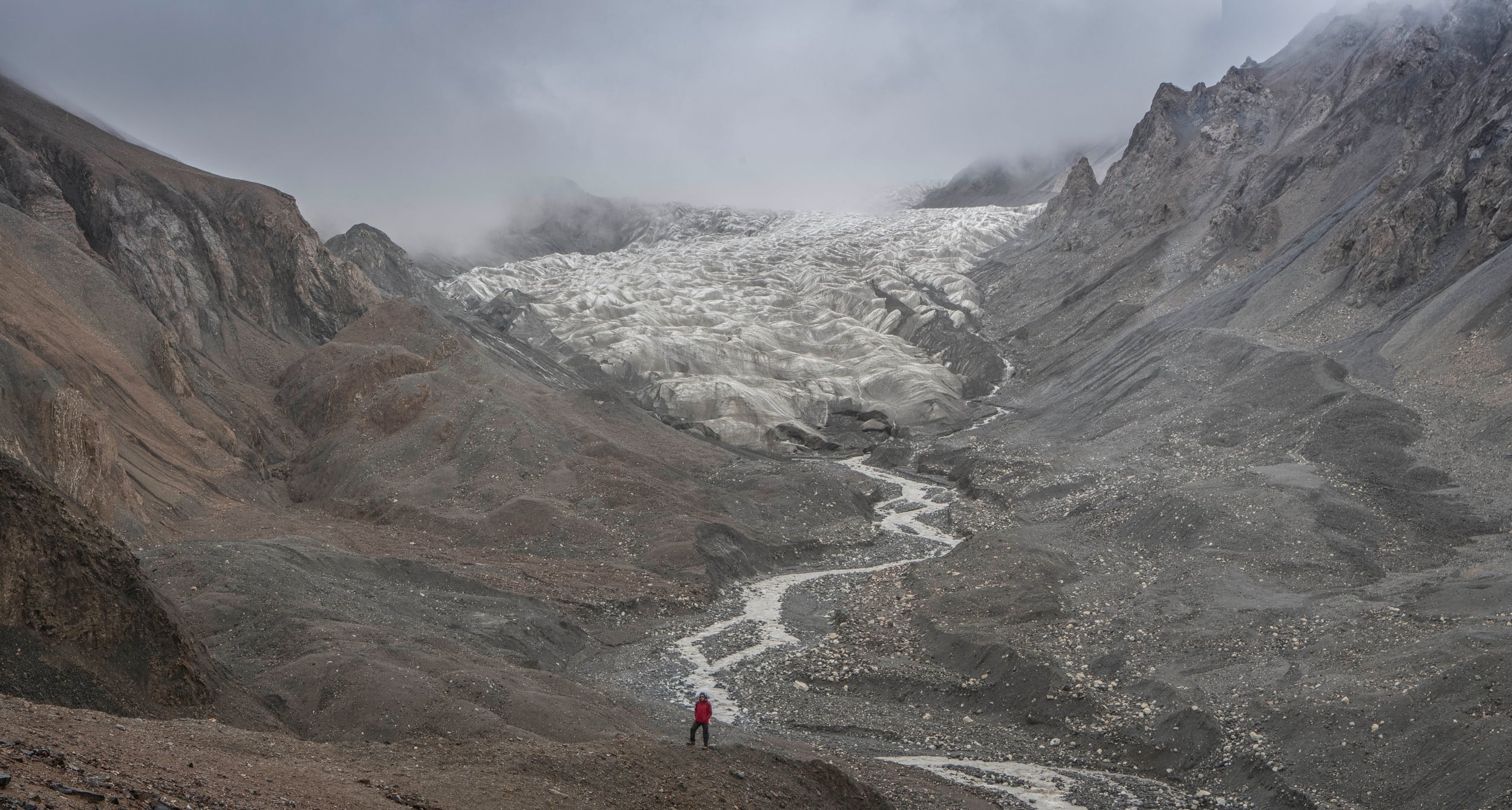
Scientists caution against definitively attributing Wednesday’s disaster solely to climate change as the immediate trigger. However, they emphasize that the broader context of rising global temperatures and the subsequent melting of glaciers have likely played a significant role in destabilizing the mountain environment. The Himalayas, often referred to as the "Third Pole," are particularly susceptible to these changes. Permafrost, the permanently frozen ground that underpins much of the high-altitude terrain, is thawing at an accelerated rate. This thawing weakens the soil structure, making it more prone to landslides and avalanches.
A Troubling Pattern: Echoes of Past Disasters
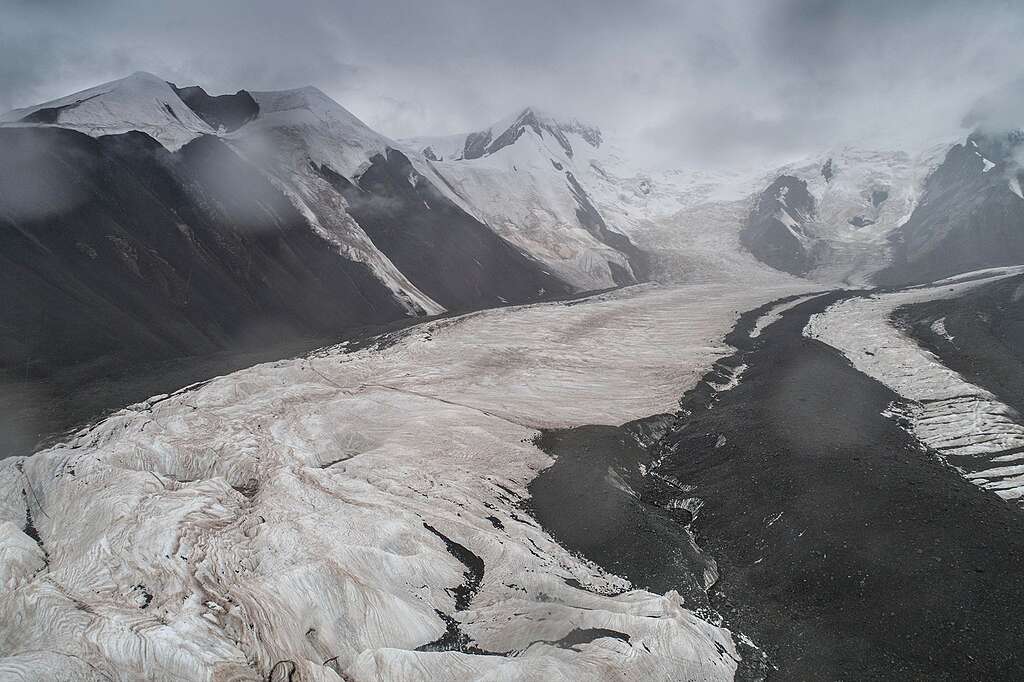
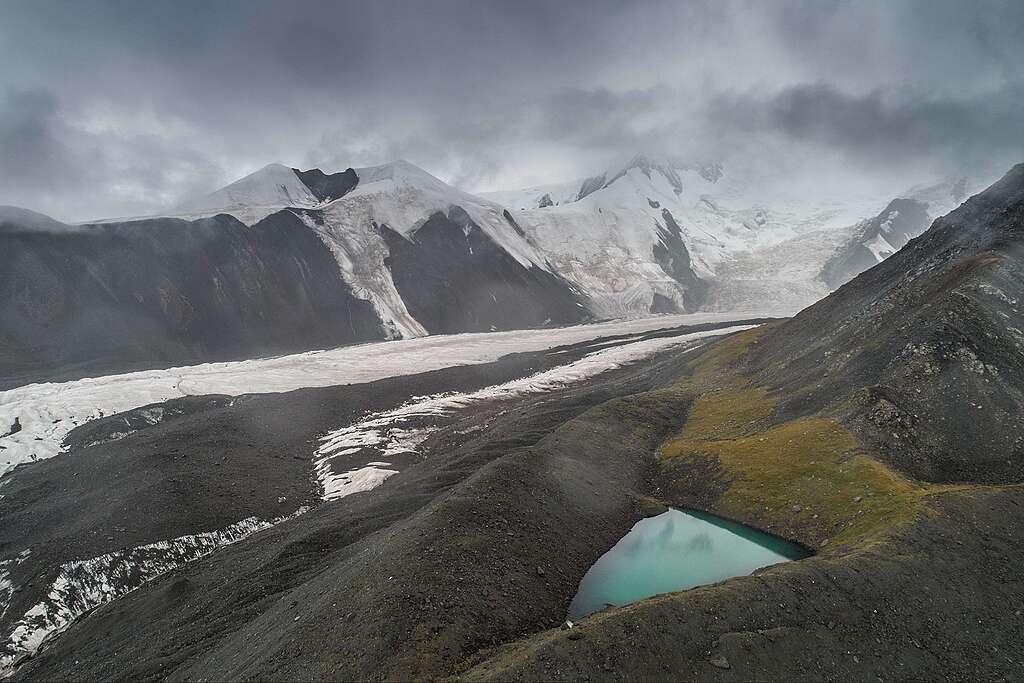
This catastrophic mudslide is not an isolated incident in the region. Last year, a similar disaster struck the same border area, caused by a glacial outburst flood (GLOF). A GLOF occurs when meltwater from a glacier accumulates in a lake, held back by a natural dam of ice and debris. When this dam fails, the immense volume of water is released, causing a destructive flood. The recurrence of such events underscores the escalating risks faced by communities in these fragile ecosystems.
The specific geological conditions of the Himalayas, including the presence of numerous glacial lakes and the inherent instability of high-altitude slopes, make them particularly vulnerable to climate-induced hazards. The rapid warming observed in these regions, occurring at a rate twice the global average, is a significant concern for both environmental scientists and local populations. Between 1981 and 2020, the Tibetan Plateau experienced an average temperature increase of 0.5°C every 10 years, accompanied by an average increase in precipitation of 14 millimeters every 10 years. These figures, while seemingly modest, represent profound shifts in a sensitive environment, impacting soil stability, river flow, and the overall integrity of mountain ecosystems.

The Fragility of High-Altitude Ecosystems
The implications of these climatic shifts extend far beyond immediate disaster events. The delicate balance of high-altitude ecosystems is being disrupted. Soil erosion is increasing, river courses are becoming more unpredictable, and the risk of localized events triggering chain reactions is heightened. The vulnerability of populations living in these mountainous areas to both natural and climate-induced disasters is amplified by their remoteness and limited access to resources and infrastructure.
Addressing the Threat: Policy and Practice
Recognizing these growing risks, environmental organizations and scientific bodies have been advocating for stronger mitigation and adaptation strategies. A 2018 report by Greenpeace East Asia, in collaboration with the Chinese Academy of Sciences and the Gansu Provincial Academy, provided a comprehensive analysis of climate change’s impact on glaciers across Asia. The report urged for the implementation of more robust early warning systems and risk prevention measures to address the escalating instability in high-altitude glacier regions.
In response to such scientific findings and growing global awareness, the Chinese government has taken steps to address climate risks. National strategy documents, including the "National Climate Change Adaptation Strategy 2035" and the "Qinghai-Tibet Plateau Ecological Protection Law," have been enacted. These policies emphasize the importance of strengthening monitoring and early warning systems in vulnerable regions.
However, despite these policy initiatives, significant gaps remain in climate adaptation efforts, particularly in the complex and challenging high-altitude environment. The development of real-time risk monitoring systems and effective on-the-ground emergency management mechanisms requires continuous upgrading and investment. The incident serves as a critical juncture, highlighting the urgent need to accelerate the implementation and effectiveness of these measures.
The Urgency of Early Warning Systems
The effectiveness of early warning systems was underscored by a simulation conducted in 2022 concerning a neighboring river valley with similar geological and geographical characteristics. The simulation, which included a glacial lake, a steep canyon, and a border crossing, revealed that a glacial lake outburst flood could reach a nearby town in as little as 5-11 minutes and the China-Nepal border in approximately 30 minutes. This analysis demonstrates the extremely limited window of opportunity for evacuation and response in such scenarios, emphasizing the critical need for advanced, real-time monitoring and rapid alert mechanisms.
Nepal and China have been collaborating on disaster preparedness, including initiatives such as disaster assessment, remote sensing, flood simulation, and cross-border information exchange. However, the scale and speed of Wednesday’s mudslide suggest that existing measures, while valuable, may not be sufficient to counter the increasing frequency and severity of these events.
Broader Implications and the Path Forward
The Himalayan mudslide is a tragic manifestation of a global crisis. It underscores the interconnectedness of climate change, environmental degradation, and human vulnerability. The devastating loss of life and livelihoods in Tibet and Nepal serves as a profound wake-up call for accelerated global action to curb greenhouse gas emissions and invest in comprehensive climate adaptation strategies.
For communities living in and around these high-altitude regions, the future hinges on a multi-faceted approach:
- Enhanced Monitoring and Early Warning: Investing in advanced satellite technology, ground sensors, and AI-powered predictive models to provide timely and accurate warnings of potential hazards.
- Robust Infrastructure and Land-Use Planning: Developing resilient infrastructure capable of withstanding extreme weather events and implementing land-use policies that minimize risks in vulnerable areas.
- International Cooperation: Strengthening cross-border collaboration for disaster response, information sharing, and joint research initiatives.
- Climate Change Mitigation: Aggressively pursuing global targets to reduce greenhouse gas emissions, thereby slowing the rate of warming and its impact on fragile ecosystems.
- Community Resilience Building: Empowering local communities with knowledge, resources, and training to prepare for and respond to disasters.
The catastrophic mudslide in the Himalayas is more than just a regional tragedy; it is a stark warning about the escalating consequences of climate change on the planet’s most vulnerable regions and populations. The international community must heed this warning and translate it into decisive action to protect lives and safeguard the future of these invaluable mountain ecosystems. The path forward demands a concerted and urgent effort to build resilience, adapt to changing conditions, and fundamentally address the root causes of climate change.


 Nana Muazin
 Asep Darmawan