
 Nila Kartika Wati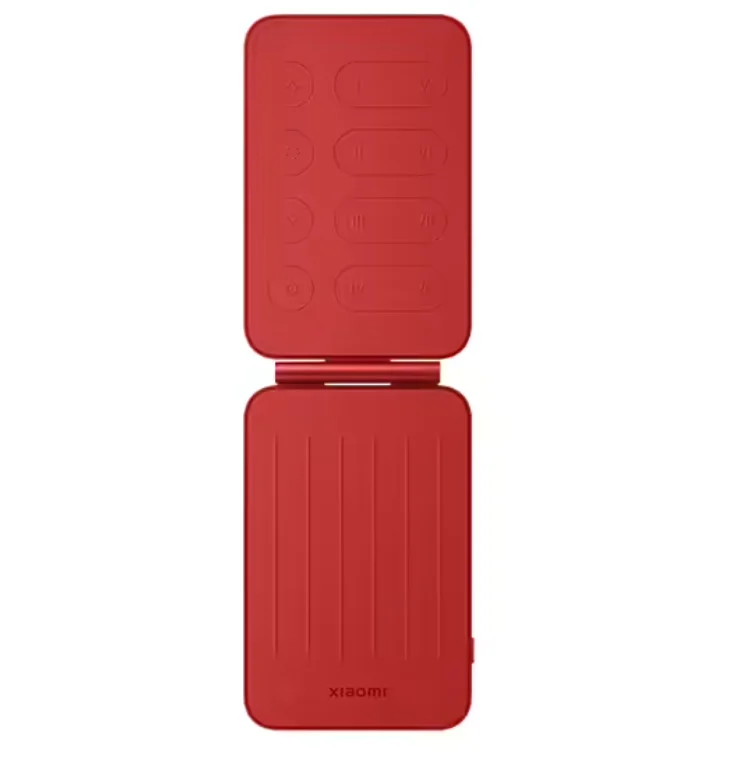
Xiaomi may be developing a groundbreaking, small flip-style accessory meticulously designed to synergize with the rear screens of its forthcoming flagship smartphones. This revelation stems from the diligent work of developer Kacper Skrzypek, who unearthed compelling code and accompanying renders within Xiaomi’s software. The discovered evidence strongly suggests the development of a unique controller, complete with tactile buttons and advanced touch-sensitive grooves, engineered to simulate the intricate mechanics of guitar chords and strumming. This novel device appears to be deeply integrated with Changba, a popular China-focused karaoke application, indicating a targeted strategy to enhance mobile entertainment experiences, specifically for Xiaomi handsets featuring secondary rear displays. While the company has yet to officially acknowledge or confirm the product or its launch timeline, the leak provides a fascinating glimpse into Xiaomi’s potential future trajectory in smartphone accessory innovation.
The Discovery: Unearthing Digital Evidence
The initial insights into this innovative accessory were brought to light by Kacper Skrzypek, a developer renowned within the tech community for his consistent and accurate uncovering of unreleased Xiaomi products and features. Skrzypek’s method typically involves deep-diving into MIUI codebases, firmware files, and associated assets, often revealing details long before official announcements. His track record includes predicting various Xiaomi and Redmi devices, software functionalities, and design elements, making his current findings particularly credible. In this instance, Skrzypek reportedly discovered specific lines of code that referenced an external accessory, alongside graphical renders that visually depicted its design and intended interaction.
The renders showcased a compact, flip-style device, suggesting a portable and potentially protective form factor when not in use. Its design elements included several physical buttons, likely for navigation, mode selection, or specific musical inputs, complemented by a series of touch-sensitive grooves. These grooves are the most intriguing aspect, as the accompanying code implied their capability to detect various finger positions and movements, effectively translating them into guitar chord presses and strumming actions. This dual input mechanism—physical and touch—hints at a nuanced and potentially intuitive user experience, aiming to replicate the tactile feedback of playing a stringed instrument on a miniature scale. The accessory’s reliance on the rear screen of a Xiaomi flagship phone suggests a dedicated interface displayed on the secondary panel, providing visual feedback for chords, lyrics, or game elements, thereby freeing the main display for other content or an unobstructed view.
The Role of the Rear Screen: A Strategic Frontier for Xiaomi
Xiaomi’s exploration into sophisticated rear-screen accessories is not an isolated development but rather a continuation of its ongoing commitment to innovating with secondary displays on its flagship devices. The concept of a rear screen gained significant traction with the launch of the Xiaomi Mi 11 Ultra in March 2021. This device featured a prominent 1.1-inch AMOLED secondary display nestled beside its impressive camera module. Initially, this screen served primarily for notifications, battery status, and as a miniature viewfinder for high-quality rear camera selfies. While its functionality was somewhat limited, it demonstrated Xiaomi’s willingness to experiment with dual-screen paradigms to enhance user interaction and camera capabilities.
Building on this, Xiaomi further showcased its vision with the Xiaomi 12S Ultra Concept Phone, unveiled in late 2022. This experimental device pushed the boundaries further, featuring a large, functional secondary display on its rear that could host more complex widgets and interactions, including potentially acting as a larger viewfinder for professional photography attachments. These past implementations underscore Xiaomi’s strategic interest in leveraging the rear of its smartphones as more than just a housing for cameras and branding. The proposed guitar accessory aligns perfectly with this trajectory, transforming the rear screen from a passive information panel into an active, interactive interface for a dedicated peripheral.
The choice of a rear screen for this accessory offers several advantages. Firstly, it provides a dedicated display surface that doesn’t obstruct the primary screen, which is crucial for activities like karaoke where lyrics or video content are central. Secondly, it allows for ergonomic positioning, enabling users to hold the phone naturally while interacting with the accessory, potentially mimicking the grip on a musical instrument. Thirdly, it creates a unique selling proposition, differentiating Xiaomi’s flagships in a crowded market by offering specialized functionality tied directly to their hardware design. This approach contrasts with general-purpose modular phone systems, focusing instead on deeply integrated, niche-specific enhancements.
Changba Integration: Tapping into China’s Karaoke Culture
The specific mention of Changba (唱吧) as a core application for this accessory is a critical detail, highlighting Xiaomi’s understanding of its primary market’s cultural nuances. Changba is one of China’s most popular online karaoke applications, boasting millions of active users who record, share, and listen to vocal performances. The app offers a vast library of songs, professional audio effects, and social features, making it a cornerstone of mobile entertainment in China. Karaoke, or KTV (Karaoke Television), holds immense cultural significance across East Asia, serving as a popular social activity, a form of stress relief, and a platform for aspiring vocalists.
By integrating the guitar accessory with Changba, Xiaomi is directly tapping into this massive and enthusiastic user base. The accessory would transform the mobile karaoke experience from purely vocal performance to a more interactive, instrumental one. Users could potentially play along with backing tracks, practice guitar parts for their favorite songs, or even create unique covers combining their vocals with simulated guitar accompaniment. This integration suggests a seamless user flow where the accessory, the rear screen, and the Changba app work in concert to deliver an enriched musical experience.
The potential for such an accessory extends beyond Changba. While the initial leak points to this specific app, the underlying technology could theoretically be adapted for other music-related applications, including guitar learning apps, rhythm games, or even basic digital audio workstations (DAWs) for mobile music creation. This strategic partnership with a leading entertainment platform like Changba demonstrates a well-thought-out approach to product-market fit, ensuring the accessory addresses a clear and existing demand within a significant segment of Xiaomi’s user base.
Design and Functionality: A Closer Look at the ‘Guitar’ Controller
The description of the accessory as "flip-style" implies a design that can be compactly stored and then opened or unfolded for use. This could mean it attaches to the phone and folds out, or it’s a separate unit that flips open and then interacts with the phone’s rear screen. The combination of physical buttons and touch-sensitive grooves is crucial for simulating guitar playing. Physical buttons might serve as fret selectors, capo positions, or mode switches, offering tangible feedback that is often preferred for precise inputs. The touch-sensitive grooves, on the other hand, would mimic the strings, allowing for strumming motions or individual string plucking.
The simulation of guitar chords would likely involve the user pressing a combination of physical buttons (representing frets) while simultaneously touching the grooves (representing strings) in a specific pattern. Strumming could be achieved by swiping across the grooves, with the software interpreting the speed and direction to produce different strumming effects. Advanced haptic feedback could further enhance the realism, providing subtle vibrations that simulate the resonance or impact of plucking a string. Connectivity would likely be wireless, most probably via Bluetooth, ensuring a clean setup without cables. Power for the accessory could come from a small internal battery, rechargeable via USB-C, or potentially even inductively from the phone itself if a proprietary attachment mechanism is used.
The technical challenge lies in translating these physical and touch inputs into a convincing and low-latency audio output within the Changba app. This requires sophisticated software algorithms that can accurately interpret user actions and render high-quality guitar sounds in real-time. The integration would need to be robust enough to minimize lag, ensuring a responsive and enjoyable playing experience, which is paramount for musical instruments. The success of such a device would heavily depend on the fluidity of this hardware-software synergy.
Xiaomi’s Innovation Strategy: Beyond the Smartphone
This potential accessory is indicative of Xiaomi’s broader innovation strategy, which extends far beyond the core smartphone experience. Xiaomi has cultivated a vast and diverse ecosystem of connected devices, often referred to as its AIoT (Artificial Intelligence of Things) strategy. This ecosystem includes smart home devices, wearables, laptops, electric scooters, and a plethora of niche accessories designed to enhance various aspects of daily life. The company frequently experiments with unique peripherals for its smartphones, such as gaming triggers, external cooling fans, and specialized camera lenses.
The development of a guitar-simulation accessory aligns with several key aspects of Xiaomi’s strategic vision:
- Ecosystem Expansion: It adds another unique product to Xiaomi’s growing portfolio, further integrating users into its hardware and software ecosystem.
- Differentiation: In a highly competitive smartphone market, offering unique accessories that leverage proprietary hardware (like rear screens) can be a significant differentiator, attracting users seeking specialized functionalities.
- Targeting Niche Markets: While mass appeal might be limited, there’s a substantial global market for mobile musicians, karaoke enthusiasts, and casual gamers who might be drawn to such an innovative device.
- Software-Hardware Integration: Xiaomi often excels at creating seamless experiences between its hardware and MIUI software. This accessory would be a prime example of leveraging both for a specialized function.
- User Engagement: By offering tools for content creation and entertainment, Xiaomi aims to increase user engagement with its devices and platforms.
This move positions Xiaomi not just as a smartphone manufacturer, but as a lifestyle brand that provides integrated solutions for various user interests, from productivity to entertainment. It underscores a willingness to invest in potentially niche products that offer novel user experiences, rather than solely focusing on mainstream features.
Market Implications and Potential Impact
The market implications of a Xiaomi guitar-simulation accessory are multifaceted. On one hand, it taps into a significant cultural phenomenon in Asia (karaoke) and a global interest in music creation and gaming. On the other hand, it faces challenges inherent in niche products and integrating complex hardware with software.
Potential Positive Impacts:
- Enhanced Entertainment: Provides a unique and interactive way to enjoy music and karaoke on mobile devices.
- Creative Tool: Could serve as an entry-level tool for aspiring musicians or a fun practice device for experienced players.
- Differentiation: Offers a clear competitive advantage for Xiaomi’s flagship phones with rear screens.
- Ecosystem Lock-in: Encourages users to stay within the Xiaomi ecosystem for specialized entertainment.
- New Revenue Stream: Creates opportunities for accessory sales and potentially premium features within integrated apps.
Potential Challenges:
- Niche Appeal: While significant, the market for a guitar-simulation accessory might still be smaller than more general-purpose smartphone features.
- Cost and Adoption: The price of the accessory, combined with the necessity of owning a specific Xiaomi flagship, could limit widespread adoption.
- Integration Complexity: Ensuring seamless, low-latency performance across hardware, OS, and application layers is a significant technical hurdle.
- Learning Curve: Users would need to learn how to effectively use the accessory, which might deter some.
- Competition: Other mobile music apps and accessories already exist, though perhaps none with this specific, integrated hardware approach.
If successfully implemented, this accessory could create a new sub-category of mobile entertainment peripherals, potentially inspiring other manufacturers to explore similar integrated solutions. It underscores a trend towards increasingly specialized smartphone accessories that aim to transform the device from a general-purpose tool into a dedicated platform for specific activities.
Official Silence and Future Prospects
As is customary with significant leaks concerning unreleased products, Xiaomi has maintained official silence regarding the guitar-simulation accessory. Companies typically refrain from commenting on rumors or speculative reports to avoid confirming unannounced products, managing expectations, or revealing strategic plans prematurely. This "no comment" stance is standard industry practice and offers no definitive confirmation or denial of the accessory’s existence or development status.
The nature of leaks, particularly those involving code and renders, can vary. Some represent early-stage concepts that may never see the light of day, while others are glimpses of products nearing completion. Given Kacper Skrzypek’s reputation for uncovering relatively mature development projects, there is a reasonable likelihood that this accessory is past the conceptual phase and is actively being engineered or prototyped.
For such a product to launch, several conditions would need to be met:
- Technical Feasibility and Refinement: The accessory would need to be technically robust, offering a compelling and reliable user experience.
- Market Validation: Xiaomi would likely assess the commercial viability and demand for such a niche product.
- Software Integration: The seamless operation with Changba and potentially other apps would be critical.
- Manufacturing and Supply Chain: Scaling production for a potentially complex peripheral.
The eventual release of this accessory, if it occurs, would likely coincide with the launch of a new Xiaomi flagship smartphone equipped with a capable rear display, as the accessory is explicitly designed to leverage this specific hardware feature. Until then, the leak serves as an intriguing indicator of Xiaomi’s continued pursuit of innovative, ecosystem-driven mobile experiences that push the boundaries of smartphone interaction and entertainment. It highlights a company unafraid to experiment with unique ideas to carve out new niches in the ever-evolving mobile technology landscape.


 Azzam Bilal Chamdy
 Nana Wu