Suro Senen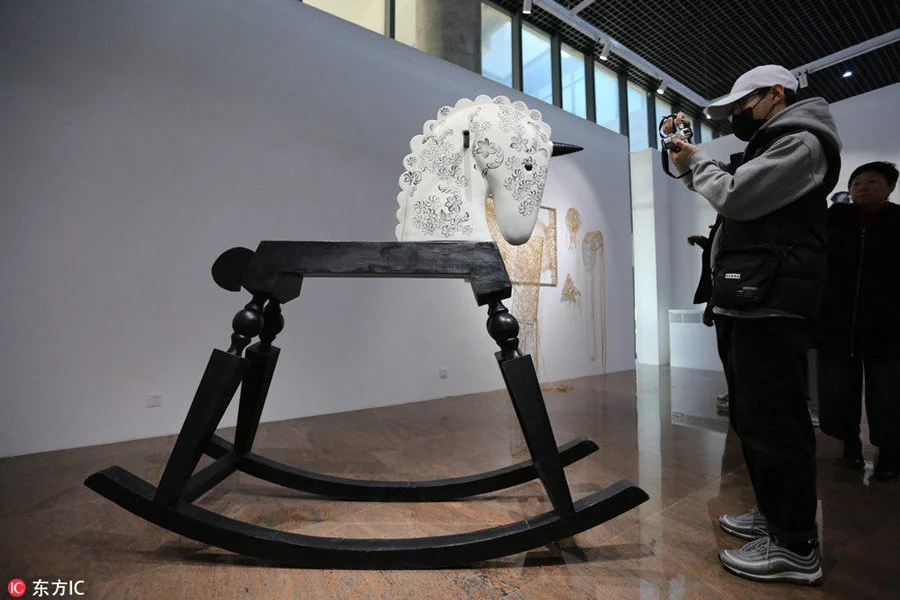
A vibrant showcase of the burgeoning talent and innovative spirit of China’s next generation of artists and designers is currently captivating visitors at the art museum of Luxun Academy of Fine Arts in Dalian, Liaoning province. The exhibition, which opened on December 3, 2017, features over 300 meticulously crafted artworks from students representing nine of China’s most prestigious art universities. This significant cultural event offers a comprehensive panorama of contemporary artistic expression, highlighting the diverse skill sets and imaginative concepts being nurtured within the nation’s leading art institutions. The exhibition is open to the public free of charge and will continue its run until December 24, providing ample opportunity for art enthusiasts, educators, and the general public to engage with the cutting edge of Chinese art education.
A Multifaceted Artistic Landscape
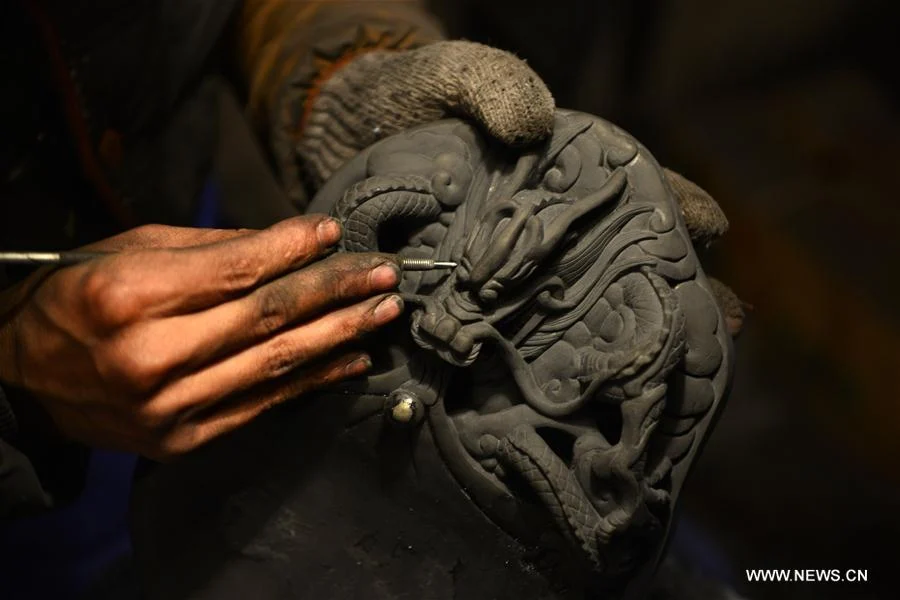
The breadth of artistic disciplines represented in the exhibition is a testament to the comprehensive nature of art education in China. Visitors are treated to a rich tapestry of creative outputs, spanning traditional and contemporary mediums. Chinese paintings and calligraphies, deeply rooted in the nation’s cultural heritage, stand alongside avant-garde sculptures that push the boundaries of form and material. The exhibition also features delicate and intricate porcelains, reflecting centuries of craftsmanship, and innovative industry designs that address contemporary societal needs and aesthetic sensibilities. This diverse selection allows for a comparative study of how different artistic approaches are being explored and developed by young Chinese creatives, from the preservation of classical techniques to the bold exploration of new frontiers in design and fine arts.
The sheer volume of over 300 artworks underscores the collaborative effort involved in curating such a significant event. Each piece represents countless hours of dedication, experimentation, and refinement by the students, supported by the guidance of their academic mentors. The selection process likely involved rigorous evaluation by faculty from each participating institution, ensuring that only the most representative and impactful works were chosen to embody the creative output of their respective schools. This collaborative spirit among institutions is crucial for fostering a national dialogue on art education and for elevating the profile of emerging Chinese artists on a broader stage.
Genesis of a National Artistic Dialogue
The exhibition at Luxun Academy of Fine Arts is not an isolated event but rather a significant milestone in a broader, ongoing initiative to foster inter-university collaboration and to promote the achievements of young Chinese artists. While specific details regarding the exact origin and previous iterations of this exhibition series are not provided in the initial report, it can be inferred that such a large-scale showcase is likely the result of a strategic partnership between these leading art academies. These collaborations often stem from a shared vision among academic leaders to create platforms for students to gain exposure, receive critical feedback, and engage with a wider audience beyond their immediate academic circles.
Such exhibitions serve multiple critical functions. Firstly, they act as a vital barometer of the current trends and pedagogical approaches within China’s top art schools. By bringing together diverse bodies of work, educators and critics can identify common themes, emerging styles, and areas where innovation is particularly strong. Secondly, for the students themselves, participating in such a prominent exhibition offers invaluable experience in presenting their work professionally, engaging with the public, and understanding the dynamics of the art market and critical reception. This exposure is crucial for their development as professional artists and designers.
The choice of Luxun Academy of Fine Arts as the host venue is also noteworthy. Founded in 1938, the academy is one of the oldest and most respected art institutions in China, named after the renowned writer Lu Xun, a pivotal figure in modern Chinese literature and cultural reform. Its historical significance and its prominent position in Northeast China lend considerable weight and prestige to the exhibition. Hosting such a gathering underscores the academy’s commitment to nurturing and showcasing emerging talent and to playing a leading role in the national art education landscape.
Chronology of a Creative Endeavor
The timeline of this exhibition, while concise in its initial reporting, implies a structured planning and execution process. The exhibition officially opened its doors to the public on December 3, 2017, a date that likely followed an intensive period of artwork selection, transportation, and installation. Prior to the public opening, there would have been a period of internal review, potentially including a private viewing for faculty, administrators, and invited guests, allowing for initial discussions and critical assessments of the displayed works.
The period leading up to December 3 would have involved significant logistical coordination. Artworks from nine different key art universities, spread across China, would have needed to be carefully packaged, insured, and transported to Dalian. The Luxun Academy of Fine Arts’ museum would have been prepared to receive these diverse pieces, with exhibition designers and technicians working to create an optimal display environment. This would include considerations for lighting, space allocation, security, and the presentation of each individual artwork to best highlight its artistic merit.
The exhibition’s duration, from December 3 to December 24, is strategically chosen to maximize public engagement, particularly during a period when interest in cultural events often increases. This three-week window allows ample time for various segments of the public – students, families, art aficionados, and tourists – to visit and experience the exhibition. The fact that it is free of charge further democratizes access, ensuring that financial barriers do not prevent individuals from appreciating the creative output of China’s young artists.
Supporting Data and Contextual Insights
While specific quantitative data on the number of visitors or the precise geographic distribution of the participating universities is not immediately available, the scale of the event – over 300 artworks from nine key art universities – provides a strong indication of its significance. The term "key art universities" suggests a selection of institutions that are recognized by the Chinese government or academic bodies for their excellence and influence in art education. These are likely institutions that have consistently ranked high in national assessments, attract top-tier faculty, and produce graduates who go on to achieve considerable success in their fields.
The inclusion of diverse mediums such as Chinese paintings, calligraphies, sculptures, porcelains, and industry designs points to a holistic approach to art education within these institutions. This reflects a trend in contemporary art education worldwide, where a strong foundation in traditional disciplines is often complemented by rigorous training in modern and emerging fields like digital art, animation, and product design. The presence of industry designs, in particular, signals a growing emphasis on the practical application of artistic skills and a recognition of the role of design in driving economic and social innovation.
Furthermore, the exhibition’s focus on "creative ideas and skills of China’s young generation" aligns with national strategies aimed at fostering innovation and talent development. China has placed a significant emphasis on cultivating a creative economy, recognizing that artistic and design thinking are crucial for competitiveness in the global marketplace. Exhibitions like this serve as vital platforms for identifying and nurturing this talent, providing young artists with the encouragement and recognition they need to pursue their careers.
Inferred Statements and Expert Reactions
While direct quotes from organizers or participating students are absent from the provided text, the nature of such an exhibition would undoubtedly elicit positive reactions and insightful commentary from various stakeholders. One can logically infer that the organizers, likely representatives from Luxun Academy of Fine Arts and the participating universities, would express pride in the caliber of the work presented and optimism about the future of art in China. They would likely emphasize the exhibition’s role in fostering cross-institutional dialogue and in providing a national platform for emerging artists.
Art educators and critics attending the exhibition would likely offer detailed analyses of the trends observed. They might comment on the increasing sophistication of conceptual approaches, the masterful execution of traditional techniques, and the innovative use of materials and technologies. Particular attention might be paid to how students are engaging with contemporary social, environmental, and technological issues through their work. The diversity of styles, from the highly personal and introspective to the socially engaged and critical, would be a recurring theme in such commentary.
For the students, the opportunity to exhibit their work in a prestigious venue alongside peers from other leading institutions would be an invaluable experience. Many would likely express gratitude for the platform, seeing it as a significant step in their professional development. They might also share their inspirations, their creative processes, and their hopes for how their art can contribute to broader societal conversations. The chance to interact with the public and receive direct feedback could be particularly motivating, offering insights into how their work resonates beyond the academic environment.
Broader Impact and Implications
The exhibition holds significant implications for the development of art education and the broader cultural landscape in China. Firstly, it serves as a powerful testament to the quality and dynamism of art education in the country. By showcasing the achievements of students from its most respected institutions, it reinforces China’s growing reputation as a hub for artistic talent and innovation. This can attract international attention, foster collaborations with global art institutions, and ultimately contribute to the internationalization of Chinese art.
Secondly, the exhibition plays a crucial role in shaping the perception of contemporary Chinese art, both domestically and internationally. It offers a nuanced and diverse perspective, moving beyond stereotypes and showcasing the complexity and originality of young Chinese artists’ visions. This can help to dismantle preconceived notions and foster a deeper understanding and appreciation of Chinese artistic contributions in the 21st century.
Furthermore, by highlighting industry designs, the exhibition underscores the growing integration of art and design with economic development. This signals a strategic national focus on fostering creativity as a driver of innovation and economic growth. The skills and ideas demonstrated in these designs have the potential to influence product development, urban planning, and various other sectors, contributing to China’s ambitions in technological advancement and creative industries.
Finally, the accessibility of the exhibition, being free to the public, democratizes cultural engagement. It provides an educational and inspiring experience for a wide audience, nurturing a greater appreciation for the arts and fostering a more culturally literate society. This broad engagement is essential for the long-term health and vibrancy of China’s cultural sector, ensuring that artistic innovation is not confined to elite circles but is accessible and relevant to all. The exhibition at Luxun Academy of Fine Arts is, therefore, more than just a display of art; it is a strategic investment in the future of creativity, education, and cultural exchange in China.

 Asep Darmawan
 Rifan Muazin