Asro
Asro
The Cyberspace Administration of China, in conjunction with several state ministries, has officially released a comprehensive set of regulations aimed at standardizing the operations of multi-channel networks (MCNs) and content distribution agencies. These new rules, titled the Provisions on the Management of Multi-Channel Distribution Services for Internet Information Content, establish a rigorous legal framework for the production, distribution, and monetization of online content within the mainland territory of the People’s Republic of China. Set to take effect on September 1, 2026, the provisions represent a significant escalation in the government’s efforts to govern the digital economy and ensure that the "online ecology" remains positive, healthy, and aligned with national laws and social ethics.
The regulatory move comes as the MCN industry in China has reached unprecedented scale, transitioning from a niche sector of the creator economy into a multi-billion-dollar industry that dictates public discourse and consumer behavior. By formalizing the responsibilities of both content distribution agencies and the internet platforms that host them, the State Internet Information Office (SIIO) seeks to address long-standing issues such as disinformation, data fraud, and the exploitation of minors.
Legal Basis and Administrative Oversight
The provisions are rooted in several cornerstone laws, including the PRC Cybersecurity Law and the Measures on the Management of Internet Information Services. Article 1 explicitly states that the primary goals are to safeguard the lawful rights and interests of citizens and legal persons while promoting the "regular and healthy development" of distribution services.
Under the new hierarchy, the State Internet Information Office (CAC) is designated as the lead agency for national coordination and oversight. However, the management of the sector is a multi-agency effort. The Ministry of Public Security, the Ministry of Culture and Tourism, the State Administration for Market Regulation (SAMR), the National Radio and Television Administration (NRTA), and the National Press and Publication Administration are all tasked with supervising different aspects of the industry based on their respective jurisdictions.
At the local level, provincial cyberspace departments are responsible for the governance of distribution services within their administrative regions. This decentralized yet coordinated approach ensures that enforcement can be tailored to local market conditions while remaining consistent with national policy.
The Evolution of the MCN Industry in China
To understand the necessity of these provisions, one must look at the rapid trajectory of China’s digital content market. Between 2018 and 2023, the number of MCN agencies in China surged from approximately 5,000 to over 24,000. These agencies act as intermediaries, signing thousands of influencers (Key Opinion Leaders or KOLs) and managing their content production, advertising deals, and live-streaming e-commerce activities.
Data from industry analysts at iiMedia Research indicates that the market size of China’s MCN industry exceeded 40 billion RMB in 2023, with projections suggesting continued growth as short-video platforms like Douyin, Kuaishou, and Bilibili further integrate social commerce. However, this "wild growth" phase was characterized by several systemic risks, including the "botting" of likes and views to deceive advertisers, the use of "rage-bait" or controversial topics to drive traffic, and the lack of clear accountability when influencers violated social norms or laws.
Mandatory Registration and Platform Accountability
One of the most significant changes introduced by the new provisions is the requirement for formal business registration. Article 6 mandates that any entity providing multi-channel distribution services must include "Internet information content multi-channel distribution services" in their official business scope. Existing agencies are given a 30-day window from the implementation date to update their registrations.
The regulations also place a heavy burden of "gatekeeping" on internet platforms. Platforms are now legally required to:
- Verify Agency Status: Platforms must check the business licenses and credentials of MCNs before allowing them to operate.
- Public Disclosure: Under Article 11, platforms must prominently display the name of the MCN agency on the profile pages of accounts managed by that agency. This "labeling" requirement is intended to provide transparency to the public regarding who is behind a specific content creator.
- Tiered Management: Platforms must implement a "classified and tiered" management system, where agencies are rated based on their compliance history, the number of followers they manage, and their credit evaluations.
Prohibited Behaviors and Content Standards
Chapter 3 of the provisions outlines a detailed "negative list" of behaviors that MCNs and their signed creators must avoid. Article 17 is particularly granular, prohibiting agencies from:
- Manipulating Public Opinion: Agencies are forbidden from using "hot topics," fabricated backgrounds, or artificial intelligence-generated content to mislead the public or create "internet rumors."
- Inciting Conflict: The rules prohibit the stoking of group-based confrontations or regional discrimination to generate engagement.
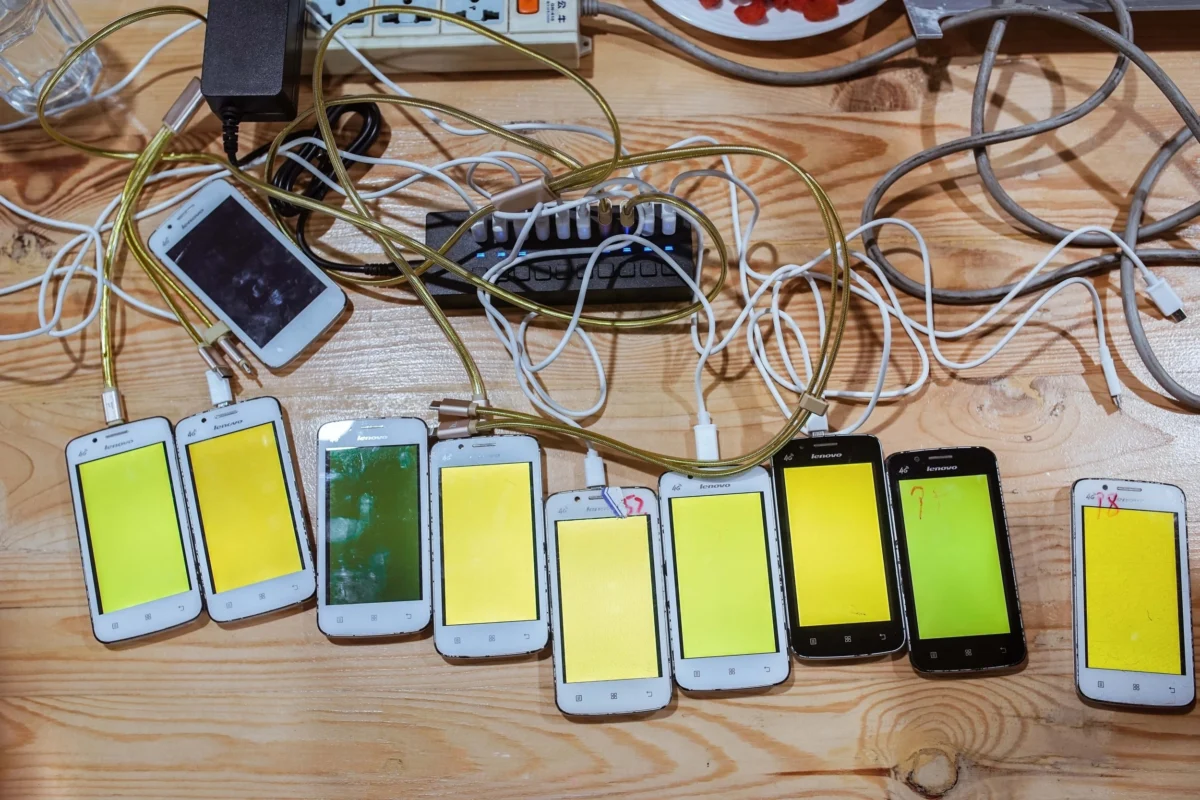
- Data Fraud: The "fabrication of attention," including the use of bots or manual "click farms" to inflate views, likes, comments, and transaction volumes, is strictly banned.
- Exploiting Minors: Article 18 explicitly forbids agencies from providing live-streaming services to minors under the age of 16. For those between 16 and 18, the agency must verify their identity and obtain explicit consent from a legal guardian.
Conversely, Article 15 encourages MCNs to produce content that promotes "Socialist Core Values," traditional Chinese culture, and the "spirit of the Chinese nation." This push for "Positive Energy" content is a recurring theme in Chinese digital regulation, aiming to align the commercial interests of the creator economy with national cultural objectives.
Timeline of Regulatory Milestones
The release of these provisions is the culmination of a multi-year regulatory cycle:
- June 2021: The CAC launched the "Fan Circle" (Qinglang) campaign to crack down on chaotic celebrity fan culture often fueled by MCN-managed accounts.
- April 2022: A special operation was launched specifically targeting MCNs for "information manipulation" and "spreading harmful content."
- July 2024: The draft version of the current provisions was circulated for public comment among industry stakeholders and legal experts.
- September 2026: Full implementation and enforcement of the final provisions.
Official Responses and Industry Reactions
While official statements from the CAC emphasize that the regulations are designed to "promote the healthy development of the industry," industry insiders suggest that the cost of compliance will rise significantly.
In a brief statement following the announcement, a spokesperson for a major short-video platform noted, "We welcome the clarity provided by the new provisions. Standardizing the relationship between platforms, agencies, and creators is essential for long-term market stability."
Legal analysts, however, point out that the "joint liability" aspects of the law—where platforms can be held responsible for the failures of the MCNs they host—will lead to more aggressive internal policing by tech giants. "The platforms will likely become much more selective about which MCNs they allow to stay on their systems," said a Beijing-based technology lawyer. "Small, undercapitalized agencies that cannot afford robust content moderation teams may find themselves pushed out of the market."
Supervision, Enforcement, and Penalties
The provisions provide enforcement agencies with a wide array of tools to ensure compliance. Under Article 25, provincial-level authorities have the power to summon the legal representatives of MCNs for "regulatory talks" if security risks are identified.
Penalties for violations are severe. According to Article 26, agencies that fail to comply with the rules can face:
- Official warnings and public criticism.
- Fines ranging from 10,000 to 100,000 RMB.
- In cases involving "harm to the life and health of citizens" or other serious consequences, fines can reach up to 200,000 RMB.
- Blacklisting: Article 27 allows authorities to include repeat offenders on a "serious dishonesty list," which effectively bars them from providing internet services for a set period.
Furthermore, platforms are required to terminate agreements with MCNs that engage in illegal activities, and in some cases, the individual accounts of influencers may be permanently banned if their managing agency is found to be orchestrating systemic violations.
Broader Impact and Implications
The implementation of the Provisions on the Management of Multi-Channel Distribution Services for Internet Information Content signals the end of the "unregulated era" for China’s influencer economy. For the estimated 10 million people employed in the broader livestreaming and short-video sectors, the rules introduce a new level of professional accountability.
From a market perspective, these regulations are expected to lead to industry consolidation. Larger MCNs with established legal departments and content review processes are better positioned to absorb the costs of mandatory filings and real-time monitoring. For consumers, the intended result is a digital environment with fewer "click-bait" traps, more transparent advertising, and a higher standard of factual accuracy in online content.
As China continues to refine its digital governance model, these provisions serve as a template for how other jurisdictions might approach the regulation of decentralized content networks. By placing the onus of responsibility on the commercial entities that profit from distribution, rather than just the individual creators, the Chinese government is betting that institutional oversight will lead to a more stable and predictable internet landscape.


 Sagoh
Sagoh
 Siti Muinah