Nana
Nana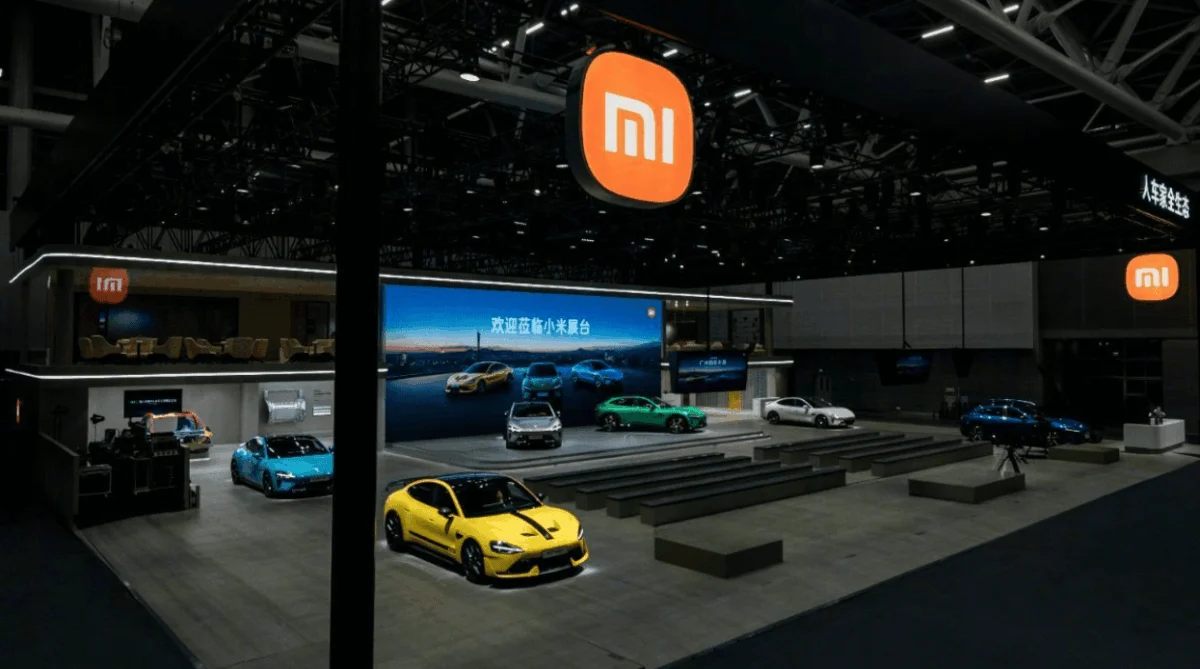
A camouflaged test vehicle believed to be a high-performance variant of the recently launched Xiaomi SU7 electric sedan has been observed undergoing trials in China. This prototype, tentatively identified as the SU7 Ultra Extreme, exhibits several significant design modifications, most notably a substantially larger rear wing and other indicators of an aggressive aerodynamic package. The appearance of this vehicle signals Xiaomi’s potential ambition to enter the ultra-performance electric vehicle segment, pushing the boundaries of engineering and design beyond its initial mass-market offerings.
Emergence of a Performance Prototype
The test mule, cloaked in typical automotive camouflage, was first reported by Chinese media outlet IT Home, sparking considerable interest within the automotive and technology communities. The most striking visual alteration is a significantly enlarged rear wing, a hallmark of vehicles engineered for high-speed stability and downforce generation. Beyond this prominent feature, observers have noted other subtle yet indicative changes suggesting a comprehensive aerodynamic overhaul. These could include revised front splitters, more aggressive side skirts, and a re-engineered rear diffuser, all designed to optimize airflow and enhance grip at elevated speeds. Such modifications are crucial for performance vehicles, allowing them to maintain traction and control during aggressive cornering and high-speed maneuvers, effectively glueing the car to the road.
While Xiaomi has yet to issue any official statement regarding the model name, specific body style, power output, or launch schedule, industry speculation is rife. The designation "SU7 Ultra Extreme" has emerged as a probable name for this limited-edition performance model, implying a vehicle at the apex of Xiaomi’s automotive engineering capabilities. Earlier unverified reports have further fueled speculation, suggesting the vehicle could adopt a two-door layout, diverging from the standard SU7’s four-door sedan configuration. More remarkably, these reports have hinted at a powertrain capable of exceeding an astonishing 2,000 horsepower, a figure that would place it firmly in the hyper-EV category, competing with some of the world’s most powerful electric vehicles.
Deep Dive into Aerodynamic Enhancements and Performance Potential
The adoption of a much larger rear wing on the SU7 Ultra Extreme prototype is a direct engineering response to the demands of extreme performance. At high speeds, aerodynamic lift can reduce tire contact with the road, compromising stability and handling. A substantial rear wing generates significant downforce, pressing the rear wheels onto the tarmac and enhancing grip. This is particularly critical for a vehicle potentially targeting a 0-100 km/h acceleration time well under 2 seconds and top speeds exceeding 300 km/h. Other "aggressive aerodynamic design" elements likely visible or inferred from the prototype include more pronounced air intakes and outlets for enhanced cooling of the battery and powertrain components, wider wheel arches to accommodate performance tires, and potentially active aerodynamic elements that can adjust in real-time to optimize for either drag reduction or downforce as needed.
The rumored powertrain output of over 2,000 horsepower is an audacious claim that, if realized, would place Xiaomi among an elite group of manufacturers producing hyper-performance electric vehicles. For context, the Tesla Model S Plaid offers 1,020 horsepower, the Lucid Air Sapphire delivers 1,234 horsepower, and the Rimac Nevera, a purpose-built hypercar, boasts 1,914 horsepower. Achieving and managing over 2,000 horsepower in a production vehicle presents immense engineering challenges, particularly concerning battery energy density, discharge rates, thermal management, and the durability of electric motors and drivetrain components. Such a power output would necessitate advanced multi-motor setups, sophisticated torque vectoring systems, and a robust high-voltage architecture.
The speculation regarding a two-door layout is also significant. While the standard SU7 is a full-sized sedan, a two-door configuration often implies a focus on sportiness, reduced weight, and increased structural rigidity, all beneficial for a high-performance variant. This would further differentiate the "Ultra Extreme" from its siblings, positioning it as a dedicated performance machine rather than merely a more powerful version of the existing sedan.
Xiaomi’s Ambitious Automotive Journey: A Timeline
The emergence of the SU7 Ultra Extreme prototype is a testament to the rapid pace of Xiaomi’s entry into the fiercely competitive electric vehicle market. The company’s automotive ambition was officially declared by CEO Lei Jun in March 2021, when he announced Xiaomi’s commitment to invest $10 billion over the next decade into its new electric vehicle division. This marked a pivotal moment, signaling a major strategic diversification for the tech giant.
In August 2021, Xiaomi EV Co. Ltd. was formally registered, laying the legal and operational groundwork for its automotive venture. The subsequent two years, 2022 and 2023, were characterized by intensive research and development, aggressive talent acquisition from established automotive firms, and the construction of a state-of-the-art manufacturing facility in Beijing. This facility, boasting high levels of automation and advanced manufacturing processes like gigacasting, was designed to produce up to 300,000 vehicles annually.
The culmination of these efforts arrived in December 2023, with the grand unveiling of the Xiaomi SU7 electric sedan. The event showcased the company’s design philosophy, technological prowess, and strategic vision for integrating its "Human x Car x Home" smart ecosystem. Following this highly anticipated debut, the SU7 officially commenced sales in March 2024. The launch was met with overwhelming market enthusiasm, exceeding initial sales targets and leading to extended waiting lists for consumers. Xiaomi reported receiving over 100,000 locked-in orders within weeks, demonstrating strong consumer confidence in its inaugural automotive product.
The current sighting of the SU7 Ultra Extreme prototype in mid-2024 indicates Xiaomi’s rapid progression from initial market entry to exploring specialized, high-performance niches. This accelerated timeline underscores the company’s aggressive strategy to not only establish a foothold but also to quickly innovate and differentiate itself within the global EV landscape, aligning with Lei Jun’s stated long-term goal for Xiaomi to become one of the top five global automakers within 15 to 20 years.
Background Context: Xiaomi’s Broader Strategy and the SU7’s Impact
Xiaomi’s foray into electric vehicles is not merely about producing cars; it’s a strategic extension of its broader "Human x Car x Home" smart ecosystem vision. The company aims to seamlessly integrate its smartphones, smart home devices, and now electric vehicles into a unified, intelligent user experience. This leverages Xiaomi’s extensive expertise in software development, artificial intelligence, and user interface design, areas where it holds a competitive advantage over traditional automakers. The SU7, with its advanced infotainment system powered by Xiaomi’s HyperOS and deep integration with the company’s other products, serves as the cornerstone of this vision.
The initial market reception of the SU7 has been overwhelmingly positive, challenging established players in the Chinese EV market, including domestic giants and international brands. Its competitive pricing, compelling design, and robust technological package have resonated strongly with consumers, contributing to the intense demand. The SU7’s success has demonstrated Xiaomi’s ability to execute complex manufacturing and supply chain operations, transitioning from consumer electronics to large-scale automotive production with remarkable efficiency. The Beijing factory’s utilization of advanced techniques like gigacasting, which allows for the casting of large body parts in a single piece, not only streamlines production but also enhances structural integrity and reduces weight, key attributes for performance-oriented vehicles.
Market Landscape and Competition in the Performance EV Segment
The high-performance EV segment, while niche, is rapidly expanding and increasingly competitive. Traditional luxury and sports car manufacturers like Porsche (Taycan Turbo S) and Tesla (Model S Plaid) have established strong footholds. More recently, new entrants and established brands are pushing boundaries with even more extreme offerings, such as the Lucid Air Sapphire, Nio ET9, and especially the Zeekr 001 FR, which boasts over 1,200 horsepower and advanced torque vectoring for capabilities like tank turns and drift mode.
The "horsepower wars" in the EV space are reminiscent of the internal combustion engine era, with manufacturers continuously striving for higher power outputs and quicker acceleration times. For a Chinese brand like Xiaomi to potentially enter this segment with a rumored 2,000+ horsepower vehicle would be a significant statement. It would not only demonstrate the technological maturity of Chinese engineering but also intensify competition, forcing established players to innovate further. This segment is not just about raw power; it also demands sophisticated chassis tuning, advanced thermal management systems, high-performance braking, and durable battery technology capable of sustained high-power discharge and rapid recharging.
Inferred Official Stance and Analyst Reactions
Consistent with standard industry practice, Xiaomi has maintained official silence regarding unconfirmed models and speculative reports. This approach allows the company to control its messaging and build anticipation for future announcements. However, the very existence of such a test vehicle, even under camouflage, suggests a deliberate strategy to test boundaries and explore new market segments.
Industry analysts are likely to interpret the appearance of the SU7 Ultra Extreme prototype as a strategic move by Xiaomi to solidify its brand image and demonstrate its technological prowess beyond the mass-market appeal of the standard SU7. While high-performance, limited-edition models may not contribute significantly to overall sales volumes, they serve as powerful halo cars. These vehicles showcase a company’s engineering capabilities, attract premium buyers, and generate considerable brand prestige and media attention. For Xiaomi, a company still relatively new to the automotive sector, such a statement vehicle could be crucial in establishing credibility and overcoming any lingering perceptions of it being merely a "budget" electronics brand. Analysts would also note Xiaomi’s commitment to aggressive research and development, as evidenced by its substantial investments and rapid product rollout strategy. The move aligns with the broader trend of technology companies leveraging their software and AI expertise to disrupt traditional industries, using advanced products as proof of concept.
Broader Implications and Future Outlook
If the SU7 Ultra Extreme comes to fruition with the rumored specifications, its implications would be far-reaching:
- Brand Image Elevation: The vehicle would significantly elevate Xiaomi’s brand perception in the automotive world, positioning it as an innovator and a serious contender in the premium and performance segments, rather than just a value-oriented player. This shift in perception is vital for long-term growth and global expansion.
- Technological Showcase: A 2,000+ horsepower EV would serve as a powerful technological showcase, demonstrating Xiaomi’s advanced capabilities in battery chemistry, electric motor design, thermal management systems, power electronics, and sophisticated aerodynamic engineering. This intellectual property could then trickle down into future mass-market models, improving efficiency and performance across its entire lineup.
- Market Dynamics: The entry of such a formidable contender from China would further intensify competition in the high-performance EV sector. It would likely spur other manufacturers, both domestic and international, to accelerate their own R&D in this niche, driving innovation across the industry.
- Global Ambitions: While initially targeting the Chinese market, a halo car like the SU7 Ultra Extreme could play a pivotal role in Xiaomi’s future global expansion plans. It would generate international headlines, attract attention from automotive enthusiasts worldwide, and help build a desirable brand image that transcends geographical boundaries.
- Challenges and Profitability: Developing and producing such an extreme performance vehicle comes with immense technical challenges and high costs. The niche nature of the hyper-EV market also means sales volumes would be inherently low, making profitability a secondary concern to brand building and technological demonstration. However, the strategic value in terms of R&D advancement and brand prestige often outweighs direct profit margins for such flagship projects.
In conclusion, the sighting of the Xiaomi SU7 Ultra Extreme test car represents more than just a new model; it symbolizes Xiaomi’s bold declaration of intent within the global automotive industry. Should the rumored specifications be confirmed, this vehicle would not only redefine the boundaries of electric performance for a Chinese manufacturer but also cement Xiaomi’s position as a serious and innovative force in the evolving landscape of future mobility. It marks an exciting chapter in the company’s journey from a consumer electronics giant to a comprehensive technology ecosystem provider with a formidable presence in the automotive sector.


 Rifan Muazin
 Ali Ikhwan