Rifan Muazin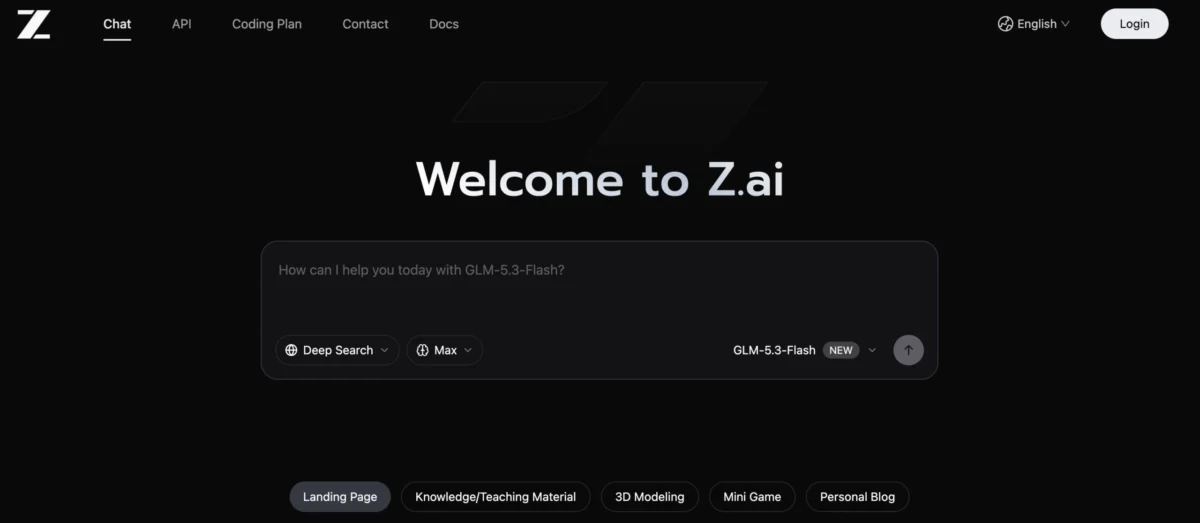
The newly launched digital storefront currently offers a tiered subscription model for individual users, featuring Lite, Pro, and Max plans. Each plan is designed to cater to varying levels of usage and feature requirements, providing flexibility for a diverse user base ranging from hobbyist developers to professional coders seeking advanced AI assistance. This initiative represents a concerted effort to simplify the acquisition of AI subscriptions and usage credits, presenting consumers with a purchasing experience akin to buying any other digital or physical product online. Furthermore, Zhipu has indicated that these plans may be subject to promotional discounts during major shopping events throughout the year, a common practice on Chinese e-commerce platforms designed to incentivize purchases and capitalize on consumer spending sprees. This direct engagement with the vast consumer market through a well-established e-commerce channel signals a new phase in the commercialization of sophisticated AI tools in China.
Zhipu AI’s Strategic Pivot to Consumer Market
Zhipu AI’s decision to establish a direct presence on Tmall is a pivotal strategic move that reflects a broader industry trend towards monetizing advanced AI models directly with end-users. Founded in 2019 and spun out of Tsinghua University’s Knowledge Engineering Group (KEG), Zhipu AI has rapidly emerged as a frontrunner in China’s generative AI race. Initially, the company’s focus was predominantly on developing large language models (LLMs) and providing API access to enterprise clients and developers for integration into their applications and services. Its flagship GLM series, particularly ChatGLM and the more recent GLM-4, have garnered significant attention for their capabilities in understanding, generation, and particularly, coding assistance.
The shift to a direct-to-consumer model via Tmall indicates Zhipu’s ambition to broaden its user base beyond technical professionals. By making its "Coding Plan" available on a platform with hundreds of millions of active users, Zhipu is effectively positioning its AI services as a mainstream digital utility rather than a niche developer tool. This move allows the company to tap into a burgeoning segment of individual users—students, freelancers, small business owners, and tech enthusiasts—who may benefit from AI-powered coding assistance but might not traditionally engage with developer-centric platforms or direct API subscriptions. The simplicity of purchasing through Tmall removes significant friction, fostering wider adoption and familiarity with Zhipu’s brand and capabilities.
Understanding the Coding Plan Offerings
The "Coding Plan" subscriptions offered on the Zhipu Flagship Store are tailored to provide varying degrees of access and features related to AI-powered coding assistance. While specific details on each tier (Lite, Pro, Max) would typically include parameters like monthly token limits, access to advanced models, dedicated support, and specialized coding features (e.g., code generation, debugging, refactoring, natural language to code translation), the general framework indicates a progressive scaling of benefits.
The Lite plan is likely designed as an entry point, offering basic coding assistance suitable for casual users or those exploring AI’s potential in programming. The Pro plan would cater to more active developers, providing higher usage limits and potentially access to more advanced model capabilities or faster processing. The Max plan, as the premium offering, would target power users or professionals requiring extensive AI support, potentially featuring the highest token limits, priority access to the latest models, and perhaps even exclusive features or dedicated support channels. This tiered structure is a common and effective strategy in the subscription economy, allowing providers to segment their market and optimize revenue streams based on user needs and willingness to pay.
The Power of Tmall and Taobao in China’s Digital Ecosystem
The choice of Tmall and Taobao as the launchpad for Zhipu’s consumer-facing AI services is strategically astute, leveraging the unparalleled reach and established trust of Alibaba Group’s e-commerce ecosystem in China. Taobao, launched in 2003, is China’s largest consumer-to-consumer (C2C) online shopping platform, while Tmall, introduced in 2008, focuses on business-to-consumer (B2C) sales, hosting official brand flagship stores. Combined, these platforms command a dominant share of China’s vast e-commerce market, boasting hundreds of millions of active users and facilitating trillions of yuan in transactions annually.
For Zhipu AI, establishing a flagship store on Tmall means instant access to this immense user base, circumventing the need to build a new, standalone consumer acquisition channel from scratch. Chinese consumers are deeply ingrained in the habit of purchasing virtually everything online through these platforms, from groceries to luxury goods, and now, increasingly, digital services. The familiar user interface, secure payment gateways, and established customer support infrastructure of Tmall significantly lower the barrier to entry for consumers interested in AI services. This move also aligns with Tmall’s evolving role beyond traditional retail, as it increasingly hosts digital products, cloud services, and educational content, positioning itself as a comprehensive digital marketplace.
A Timeline of Zhipu AI’s Ascent and the Broader AI Landscape
Zhipu AI’s journey from academic research to a leading commercial entity has been rapid, paralleling the broader acceleration of AI development globally.
- 2019: Zhipu AI is formally established as a spin-off from Tsinghua University, building upon years of research by the Knowledge Engineering Group (KEG). Its academic roots provide a strong foundation in cutting-edge AI research.
- Early 2020s: The company focuses on developing large-scale pre-trained models, particularly the GLM (General Language Model) series, which are foundational for generative AI capabilities.
- 2022-2023: Zhipu AI secures significant funding rounds from prominent investors, including Alibaba, Tencent, Meituan, and Xiaomi, signaling strong industry confidence in its technological prowess and market potential. This period also sees the public release of models like ChatGLM, making advanced LLMs more accessible to developers in China.
- Late 2023 – Early 2024: The competition in China’s generative AI space intensifies, with major tech giants like Baidu (Ernie Bot), Alibaba (Tongyi Qianwen), Tencent (Hunyuan), and Huawei (Pangu) launching and continuously refining their own LLMs. Zhipu AI solidifies its position as one of the "AI Four Little Dragons" (alongside Baidu, Alibaba, and Tencent, or sometimes SenseTime/iFlytek in broader contexts), distinguishing itself with strong technical capabilities, especially in areas like coding and scientific research.
- Q2 2024: Zhipu AI launches its official flagship store on Tmall, marking its strategic pivot towards direct consumer engagement and monetization through a mainstream e-commerce platform. This move follows a period of rapid iteration on its models and increasing demand for consumer-grade AI applications.
This chronology highlights Zhipu’s consistent growth and its timely adaptation to market demands, culminating in the Tmall store opening as a natural progression in its commercialization strategy.
Inferred Statements and Industry Reactions
While official statements from Zhipu or Tmall beyond the initial announcement are not readily available, logical inferences can be drawn about their perspectives and potential industry reactions.
From Zhipu AI Executives (Inferred):
"This launch on Tmall is a crucial step in our mission to make advanced AI accessible to everyone, not just large enterprises or specialized developers. We believe that by integrating our services into a platform as ubiquitous and user-friendly as Tmall, we can significantly lower the barrier to entry for individual users who stand to benefit immensely from AI-powered coding and other generative capabilities. This move aligns with our long-term vision of fostering innovation and empowering a broader community with cutting-edge AI tools. We are particularly excited about the potential to engage with a vast consumer base and gather direct feedback, which will be invaluable for the continuous improvement and evolution of our models and services."
From Tmall/Alibaba Representatives (Inferred):
"We are thrilled to welcome Zhipu AI, a leading innovator in China’s artificial intelligence sector, to the Tmall ecosystem. This partnership underscores Tmall’s commitment to evolving beyond traditional retail, embracing cutting-edge digital products and services that enrich the lives of our users. Hosting Zhipu’s AI subscription services demonstrates our platform’s versatility and our ability to facilitate the growth of emerging tech industries. We believe that integrating advanced AI capabilities into our marketplace will provide immense value to our users, offering them convenient access to tools that can enhance productivity and creativity."
Industry Analysts and Experts (Inferred):
"Zhipu AI’s move onto Tmall is a significant indicator of the maturation of China’s AI industry. It signifies a transition from purely B2B or developer-centric models to a more diversified, direct-to-consumer monetization strategy. This step not only broadens Zhipu’s potential revenue streams but also positions AI services as a mainstream digital commodity, akin to software subscriptions or cloud storage. We anticipate that this move could set a precedent for other leading Chinese AI companies, potentially leading to a wave of similar direct-to-consumer offerings on major e-commerce platforms. The emphasis on discounted plans during shopping festivals also highlights a shrewd understanding of consumer behavior in the Chinese market, indicating a proactive approach to user acquisition and retention." – Lead AI Industry Analyst, Major Consulting Firm.
Broader Impact and Implications
The opening of Zhipu AI’s Tmall store carries several significant implications for the company, the Chinese AI market, and consumers.
For Zhipu AI:
This move represents a diversification of revenue streams, reducing sole reliance on enterprise contracts and API usage. It provides a direct channel for brand building and customer engagement with a broader audience, which is crucial for long-term growth and market leadership. The direct feedback loop from individual consumers can also be invaluable for product iteration and identifying new use cases. However, it also brings challenges, such as managing a high volume of consumer-level customer support and educating a general audience about the nuances and value of AI services.
For the Chinese AI Market:
Zhipu’s initiative could catalyze a trend among other leading AI model developers in China to explore direct-to-consumer channels. This would intensify competition in the consumer AI space, potentially leading to more innovative offerings, competitive pricing, and a greater emphasis on user experience. It further normalizes the concept of paying for advanced AI capabilities as a subscription service, driving the overall market growth for consumer AI. The integration with e-commerce platforms also positions these platforms as critical distributors for digital and AI services, expanding their role in the technology ecosystem.
For Consumers:
The primary benefit for consumers is easier and more familiar access to sophisticated AI tools. The convenience of purchasing AI subscriptions alongside everyday items through a trusted platform like Tmall removes significant barriers. This increased accessibility can empower a wider range of individuals to leverage AI for personal and professional growth, from learning new coding skills to automating tasks. The potential for discounts during major shopping events also makes these advanced tools more affordable and attractive. Over time, this could lead to a greater understanding and adoption of AI in daily life, accelerating the digital transformation at the individual level.
Economic and Technological Implications:
From an economic standpoint, the direct monetization of AI models through consumer channels contributes to the "subscription economy" and the broader digital economy. It creates new revenue streams for tech companies and potentially new job categories related to AI application and support. Technologically, it encourages AI developers to refine their models for consumer-grade applications, focusing on user-friendliness, robustness, and specific consumer pain points, thereby driving further innovation in the field.
In conclusion, Zhipu AI’s launch on Tmall is more than just an e-commerce expansion; it is a strategic declaration of intent to democratize advanced AI. By tapping into China’s vast and digitally savvy consumer base through a highly trusted platform, Zhipu is not only seeking to diversify its revenue and expand its user base but also setting a potential new benchmark for how AI services are distributed and consumed in one of the world’s most dynamic technology markets. The move underscores the growing maturity of the AI industry and its inevitable integration into the fabric of everyday digital life.

 Ali Ikhwan