
 Nila Kartika Wati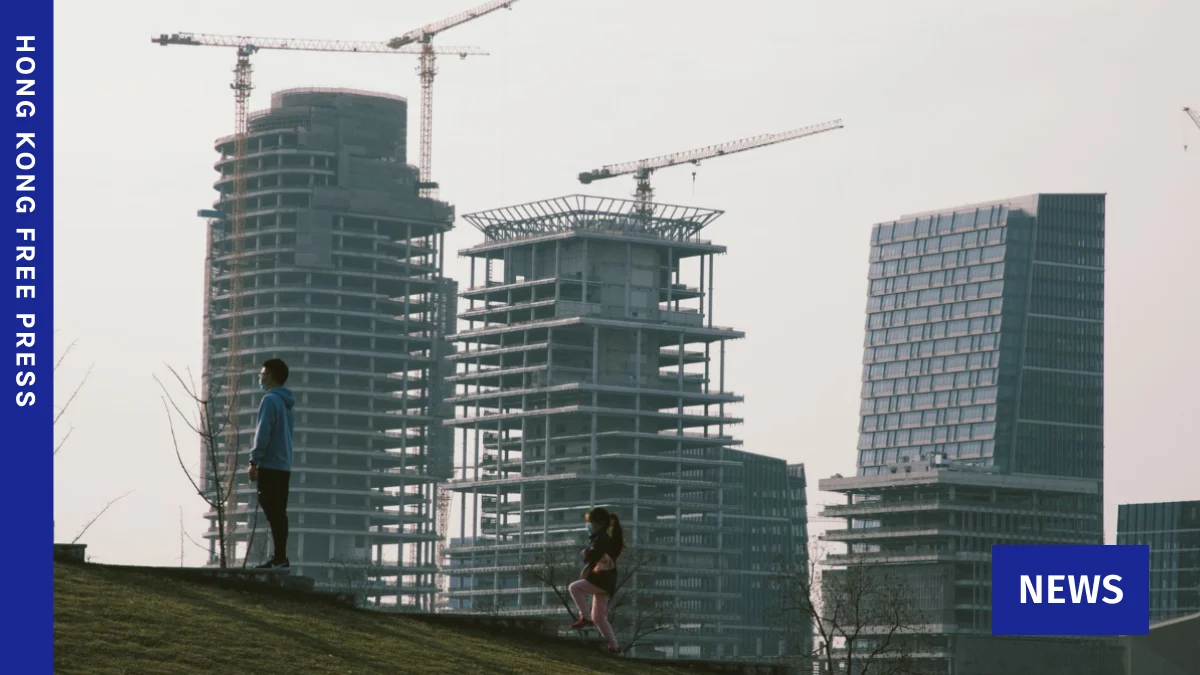
Beijing, China – Chinese authorities have introduced a raft of new regulations aimed at stabilizing the nation’s beleaguered property sector and reigniting domestic consumption, which has been significantly dampened by a prolonged real estate slump. The measures, announced on Friday, signal a concerted effort by Beijing to address the deep-seated issues that have left countless homebuyers with unfinished properties and developers grappling with mounting debt.
The core of the new policy package involves a directive to local governments to "vigorously and orderly promote the sale of ready-to-move-in commercial housing." This directive signifies a strategic pivot towards encouraging the completion and sale of existing, finished properties, thereby providing immediate relief to the market and potential buyers. Concurrently, officials have pledged increased protections for individuals who have already purchased homes that are still under construction, acknowledging the significant financial and emotional distress caused by these stalled projects.
These crucial instructions were jointly issued by China’s National Financial Regulatory Administration (NFRA), along with the Ministry of Housing and Urban-Rural Development and the Ministry of Natural Resources. This multi-agency approach underscores the systemic importance of the property market to China’s overall economic stability and the government’s commitment to a coordinated response.

In a related development, the NFRA and the People’s Bank of China (PBOC) unveiled new lending guidelines that extend the maximum term for personal housing loans from the current 30 years to a substantial 40 years. This significant adjustment is designed to alleviate the monthly debt burden on prospective homebuyers, making property ownership more accessible and affordable in the long run. By spreading mortgage payments over a longer period, the government hopes to stimulate demand and encourage individuals to re-enter the housing market.
A Market in Distress: The Genesis of the Crisis
The current predicament of China’s property market is a direct consequence of a significant downturn that began in 2020. For years, China experienced a property boom, fueled by readily available credit and a widespread belief in ever-increasing housing values. This led to rapid urban development and the construction of numerous residential complexes. However, this growth was often accompanied by excessive borrowing by developers and speculative investment, creating an unsustainable bubble.
In an effort to curb financial risks and rein in speculative behavior, the Chinese government implemented a series of stringent deleveraging policies, most notably the "three red lines" introduced in August 2020. These regulations imposed strict limits on the amount of debt property developers could take on, based on key financial ratios. While intended to create a healthier financial ecosystem, these policies had a profound and immediate impact on many highly leveraged developers, leading to liquidity crises, defaults, and a halt in construction for numerous projects.
The fallout has been severe for millions of Chinese citizens who had invested their life savings, and often borrowed heavily, to purchase apartments in these unfinished developments. The inability to secure completed homes has not only led to financial losses but has also created widespread social discontent and a significant erosion of consumer confidence. The visual representation of this crisis is stark, with half-built apartment buildings becoming a common sight in cities across China, serving as a somber reminder of the market’s downturn.

Strategic Interventions: Promoting Ready-to-Move-In Housing
The directive to prioritize the sale of ready-to-move-in housing represents a pragmatic shift in policy. By focusing on completed properties, the government aims to:
- Stimulate immediate sales: This can help developers with cash flow issues that are still solvent, allowing them to complete other projects or meet their financial obligations.
- Provide certainty to buyers: Purchasing a finished home eliminates the risk of a project being abandoned, offering immediate peace of mind and security to consumers.
- Clear existing inventory: A significant portion of the market’s overhang consists of completed but unsold units. Moving these properties can help rebalance supply and demand.
Local authorities are expected to implement this directive through various means, potentially including incentivizing developers to offer discounts on completed units, facilitating easier access to financing for buyers of these properties, and streamlining the sales and handover processes. The emphasis on "orderly promotion" suggests a desire to avoid a fire sale that could further depress prices, aiming instead for a controlled and sustainable recovery.
Extended Mortgage Terms: Easing the Financial Burden
The extension of housing loan terms to 40 years is a significant policy lever designed to improve affordability. For many prospective homebuyers, the prospect of a 30-year mortgage can still represent a substantial monthly payment. By extending this period, the government aims to:
- Reduce monthly payments: A longer repayment period directly translates to lower installment amounts, making homeownership more attainable for a broader segment of the population.
- Increase borrowing capacity: Lower monthly payments can enable individuals to borrow larger sums, potentially allowing them to purchase more desirable properties or invest in areas with higher housing costs.
- Boost long-term demand: The prospect of a more manageable long-term debt commitment could encourage individuals who have been hesitant due to financial concerns to proceed with home purchases.
This policy acknowledges that the economic environment has changed, and traditional lending models may no longer be sufficient to stimulate a moribund market. The extended terms are a direct response to the need to make housing more accessible in a landscape where incomes may not have kept pace with property price appreciation over the past decade.
Expert Analysis and Implications
Financial analysts have largely welcomed these new measures as a positive step towards stabilizing the property market. Zhiwei Zhang, President and Chief Economist at Pinpoint Asset Management, commented, "These policies are a meaningful step in the right direction. The decision to allow mortgage loans up to 40 years helps to mitigate the home buyers’ debt burden."
Zhang further elaborated on the broader economic context, stating, "China’s leaders have battled sluggish domestic spending since the end of the Covid-19 pandemic, which has threatened growth even as exports and certain high-tech sectors boom. The weak domestic demand is to a large extent due to the troubled property sector." He added that the new housing policies demonstrate that officials "understand the urgency" to stabilize the market.
The implications of these policies extend beyond the immediate property sector. A healthy real estate market is a significant driver of China’s economy, influencing a wide range of related industries, including construction materials, home furnishings, and appliances. Furthermore, household wealth in China is heavily concentrated in real estate, meaning a prolonged downturn can have a chilling effect on consumer spending across the board. By addressing the property market’s woes, Beijing aims to unlock pent-up consumer demand, which is crucial for achieving sustainable economic growth.
Broader Economic Context: The Property Market’s Influence
The property sector’s troubles have been a major drag on China’s economic performance since 2021. Several major developers, including Evergrande and Country Garden, have faced significant financial distress, leading to defaults and a loss of confidence among investors and homebuyers. This has contributed to a slowdown in construction activity, job losses in the sector, and a decline in local government revenues, which are heavily reliant on land sales.

The impact on consumer sentiment has been particularly acute. Fears about the safety of pre-sale investments and the overall economic outlook have led many households to postpone major purchases, including homes and durable goods. This has resulted in a notable weakening of domestic demand, a key pillar of China’s economic strategy for rebalancing away from export-led growth.
The government’s recent policy interventions are part of a broader effort to stimulate domestic demand and shore up economic growth. This includes measures to support consumption, boost employment, and encourage investment in strategic industries. The success of these property market initiatives will be critical in determining the overall trajectory of China’s economy in the coming years.
Looking Ahead: Challenges and Opportunities
While the new regulations offer a much-needed injection of optimism, significant challenges remain. The sheer scale of the property market downturn and the deep-seated issues of developer debt will require sustained and careful management. The effectiveness of the "ready-to-move-in" sales push will depend on the cooperation of local governments and the willingness of developers to offer attractive terms.
Furthermore, ensuring adequate protection for buyers of unfinished homes will be paramount in restoring trust and confidence. This may involve establishing robust escrow accounts, providing clearer recourse for buyers in case of developer default, and potentially offering government-backed guarantees for certain projects.

The extended mortgage terms, while beneficial for affordability, will also need to be carefully monitored to avoid creating new risks of household over-indebtedness in the long term. Regulators will need to balance the goal of stimulating demand with the imperative of maintaining financial stability.
Ultimately, the success of these latest measures will be judged by their ability to not only stabilize the property market but also to translate that stability into renewed consumer confidence and robust domestic demand. The coming months will be crucial in assessing whether Beijing’s latest intervention marks a turning point for China’s property sector and its broader economy. The global economic landscape will be closely watching these developments, as China’s economic health has far-reaching implications for international trade and investment.


 Evan Lee Salim





A Political Commentator Claims Lack of Caution Over National Security Investigation Details Amidst Trial
Wong Kwok-ngon, a political commentator widely known by his pen name Wong On-yin, asserted in the District Court that national security police failed to explicitly caution him about the confidentiality…