
 Nana Wu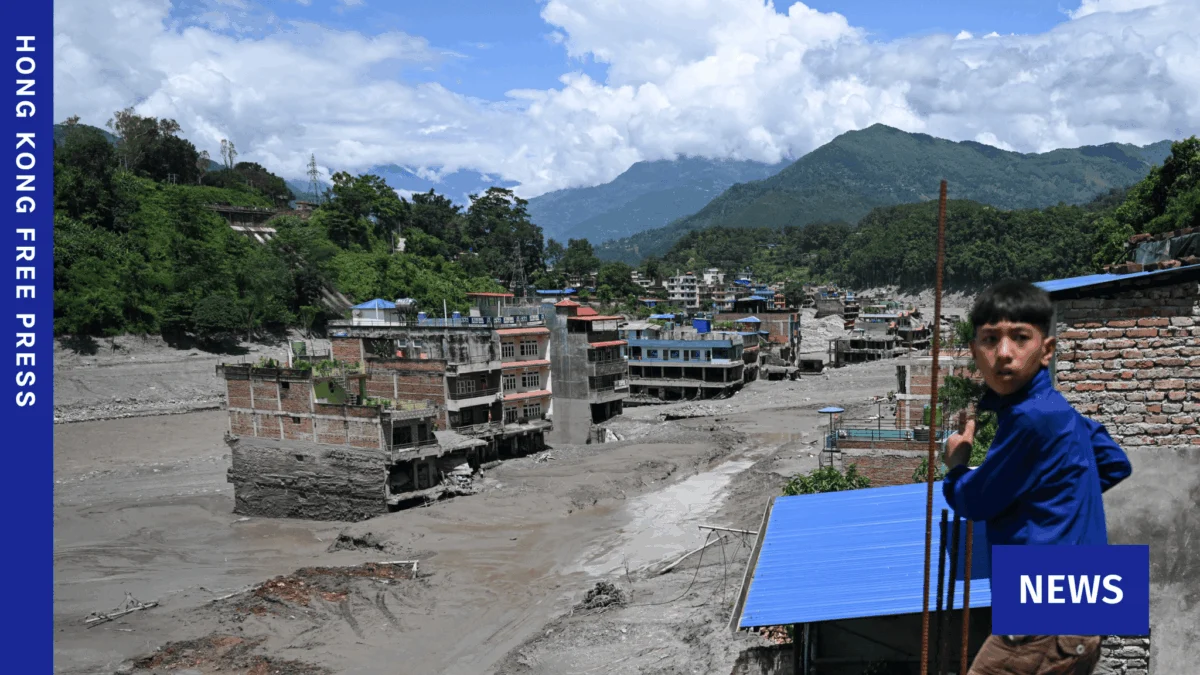
Nepal has ordered a precarious halt to ongoing search and rescue operations for survivors of devastating floods that struck on Wednesday, as a new and urgent threat emerged: a debris dam has burst in Tibet, unleashing torrents of water and mud and raising fears of further devastation downstream. The order comes as the death toll continues to climb, with emergency teams having recovered 472 bodies in Nepal alone following a catastrophic, tsunami-like wall of water and debris that ravaged communities in both Nepal and the Tibet Autonomous Region of China.
The disaster, described as the deadliest for Nepal since the devastating 2015 earthquake, was initially attributed by the US Geological Survey to a massive glacial collapse. This event triggered a vast flow of icy debris that descended with terrifying force, obliterating homes, collapsing bridges, and sweeping away vehicles. The sheer scale of destruction has left over 1,400 people missing, including trekkers in the remote Himalayas and scores of Hindu pilgrims en route to the sacred Mount Kailash in Tibet. The sudden eruption of a new flood threat from Tibet casts a dark shadow over the already desperate efforts to locate the missing and provide aid to the displaced.
A Growing Human Toll and Mounting Fear

The human cost of the initial deluge is staggering. In Nepal, the number of confirmed fatalities has risen to 469, according to police reports. Across the border in Tibet, Chinese authorities have reported hundreds missing and three confirmed deaths. The true scale of the tragedy, however, remains obscured by the vast number of individuals unaccounted for. In Nepal, 910 people, including 517 foreign tourists, are currently out of contact. Among the missing foreign nationals, Indians constitute the largest group, with the United States reporting 90 of its citizens unaccounted for.
The devastating impact has been felt most acutely in low-lying areas and river valleys. Images emerging from Nepal depict scenes of utter devastation, with homes submerged in thick layers of mud and sludge, and essential infrastructure reduced to rubble. The Trishuli river valley, a vital corridor for both transportation and hydropower projects, has been particularly hard hit.
New Threat from Tibet: A Burst Debris Dam
The immediate cause for the urgent withdrawal of rescue teams stems from the alarming news of a burst debris dam in Tibet. This dam, formed by immense piles of debris from the initial glacial collapse, began overflowing on Friday, creating a new and imminent danger. Nepali authorities received intelligence about the breach and swiftly issued a directive for all rescuers to "immediately move to a safe location," citing information that "a water dam has burst again on the Tibetan side."

This development has forced a temporary suspension of vital search and rescue operations, as emergency personnel are rerouted to safety. In Tibet, Chinese authorities had already proactively paused their own rescue efforts in the hardest-hit area of Gyirong, acknowledging the grave risk of renewed flooding. State broadcaster CCTV reported that a lake formed by the massive debris accumulation had started to overflow, directly threatening the areas where rescue teams were operating. Consequently, all rescue teams in Gyirong have been ordered to stand by and await further instructions, with those who had previously reached the area instructed to withdraw by one kilometer.
A Chronology of Catastrophe and Emerging Dangers
The events unfolded with terrifying speed, transforming a landscape of natural beauty into a scene of widespread destruction.
- Wednesday: A massive glacial collapse in Tibet triggers a colossal flow of ice and debris, descending into Nepal. This surge creates a tsunami-like wave of mud and water that devastates communities in both regions. Homes are buried, bridges are destroyed, and vehicles are swept away. The initial impact leaves hundreds missing and presumed dead.
- Thursday: Search and rescue efforts commence in earnest, hampered by the extensive damage to infrastructure and the challenging terrain. Reports begin to surface of people trapped in tunnels and remote areas, with dwindling supplies of food and water.
- Friday: The gravity of the situation escalates as a large debris dam in Tibet, formed by the initial collapse, bursts. This unleashes a new wave of water and mud, posing a direct threat to rescue operations. Nepal orders all its rescuers to a safe distance, while China temporarily halts its efforts in Gyirong. The full extent of the missing, including trekkers and pilgrims, becomes clearer.
- Present: Rescue teams are on standby, awaiting further assessment of the new flood threat. Efforts continue to reach those trapped in inaccessible locations, including the Trishuli 3A hydropower project tunnel in Nepal.
The Human Element: Stories of Survival and Loss

Amidst the unfolding crisis, poignant stories of survival and profound loss are emerging. Workers rescued from dam projects along the Trishuli valley described the suddenness and ferocity of the flood. Buddha Tamang, a worker who survived by being inside a tunnel at his workplace, recounted his harrowing experience. "I survived as I was in the tunnel," he stated, having been airlifted after being marooned for over 24 hours. "The senior officers working on the other side, they were all swept away."
In makeshift hospitals, survivors grapple with the agonizing wait for news of their loved ones. Kula Priya, whose eldest son is among the missing, spoke of losing everything. "I don’t care for wealth. I just want my son back," she pleaded. "If any of you could rescue my son, please do it for me. I don’t know where to go. We had three houses, all of which were washed away by the floods."
The plight of pilgrims to the sacred Mount Kailash has added another layer of concern. Scores of Hindu devotees from around the world are among the missing, having been on pilgrimage routes that were directly in the path of the deluge. Logadarrsiny Raman, from Malaysia, shared her anxiety over her missing parents, aunt, and uncle, who were part of a group of 17 Malaysians. Their last known contact was on Wednesday morning as they traveled towards the Nepal-China border, shortly before the floodwaters struck the area. "I’m very anxious," Raman expressed, her hope resting on hearing that her family is safe.
Challenges and Wider Implications

The disaster highlights the vulnerability of regions prone to glacial lake outburst floods (GLOFs) and other climate-related events. The Himalayan region, in particular, is a hotspot for such phenomena due to rapid glacial melt caused by rising global temperatures. Experts have long warned of the increasing risk of GLOFs, and this event serves as a stark reminder of the devastating consequences.
The logistical challenges facing rescue teams are immense. Damaged infrastructure, including roads and bridges, severely impedes access to affected areas. The remote and rugged terrain of the Himalayas further complicates search and rescue operations. Furthermore, the ongoing threat of secondary flooding from the breached Tibetan debris dam necessitates extreme caution, putting rescue personnel at risk.
Tunnel Rescue Operation: A Race Against Time
Despite the overarching dangers, desperate efforts are underway to rescue individuals trapped in perilous locations. The Nepali military has located people inside the tunnel of the Trishuli 3A hydropower project. Two helicopters have been dispatched, but locating the tunnel’s entry points and navigating the hazardous conditions present significant difficulties. Approximately 350 workers and residents have been safely evacuated from the site, but over 100 individuals remain trapped within the tunnel complex, underscoring the urgency of the situation.

In Tibet, Chinese President Xi Jinping chaired a meeting on Friday where leaders acknowledged the "many hidden dangers of glaciers, ice lakes and geological disasters in the surrounding area." They warned that "rescue is facing great difficulties," underscoring the complex and perilous nature of the ongoing operations. Chinese authorities have reported the evacuation of 555 stranded tourists and 499 residents from Tibet, indicating a significant mobilization of resources on their side.
International Response and Broader Concerns
The disaster has prompted responses from international bodies and neighboring countries. Indian authorities have reported recovering seven bodies from rivers flowing from Nepal, believed to be victims of the floods. The scale of the missing foreign nationals underscores the need for coordinated international efforts in tracing and assisting those affected.
This catastrophic event raises critical questions about disaster preparedness and climate change adaptation in the Himalayan region. The interconnectedness of the ecosystems across Nepal and Tibet means that events in one region can have profound consequences for the other. The repeated bursting of debris dams, even if smaller in subsequent events, highlights the unstable nature of the landscape post-collapse and the potential for prolonged disruption.

The long-term implications of this disaster extend beyond the immediate rescue and recovery efforts. The destruction of homes, infrastructure, and agricultural land will have significant socio-economic repercussions for the affected communities. The loss of life and the trauma experienced by survivors will require extensive support and rehabilitation. Furthermore, the event serves as a potent warning about the escalating risks posed by climate change in high-mountain environments, urging a renewed focus on mitigation and adaptation strategies to protect vulnerable populations and fragile ecosystems. The coming days will be critical as authorities assess the stability of the remaining debris formations and determine when and how rescue operations can safely resume in the face of this evolving natural disaster.

 Evan Lee Salim





A Political Commentator Claims Lack of Caution Over National Security Investigation Details Amidst Trial
Wong Kwok-ngon, a political commentator widely known by his pen name Wong On-yin, asserted in the District Court that national security police failed to explicitly caution him about the confidentiality…