
 Muslim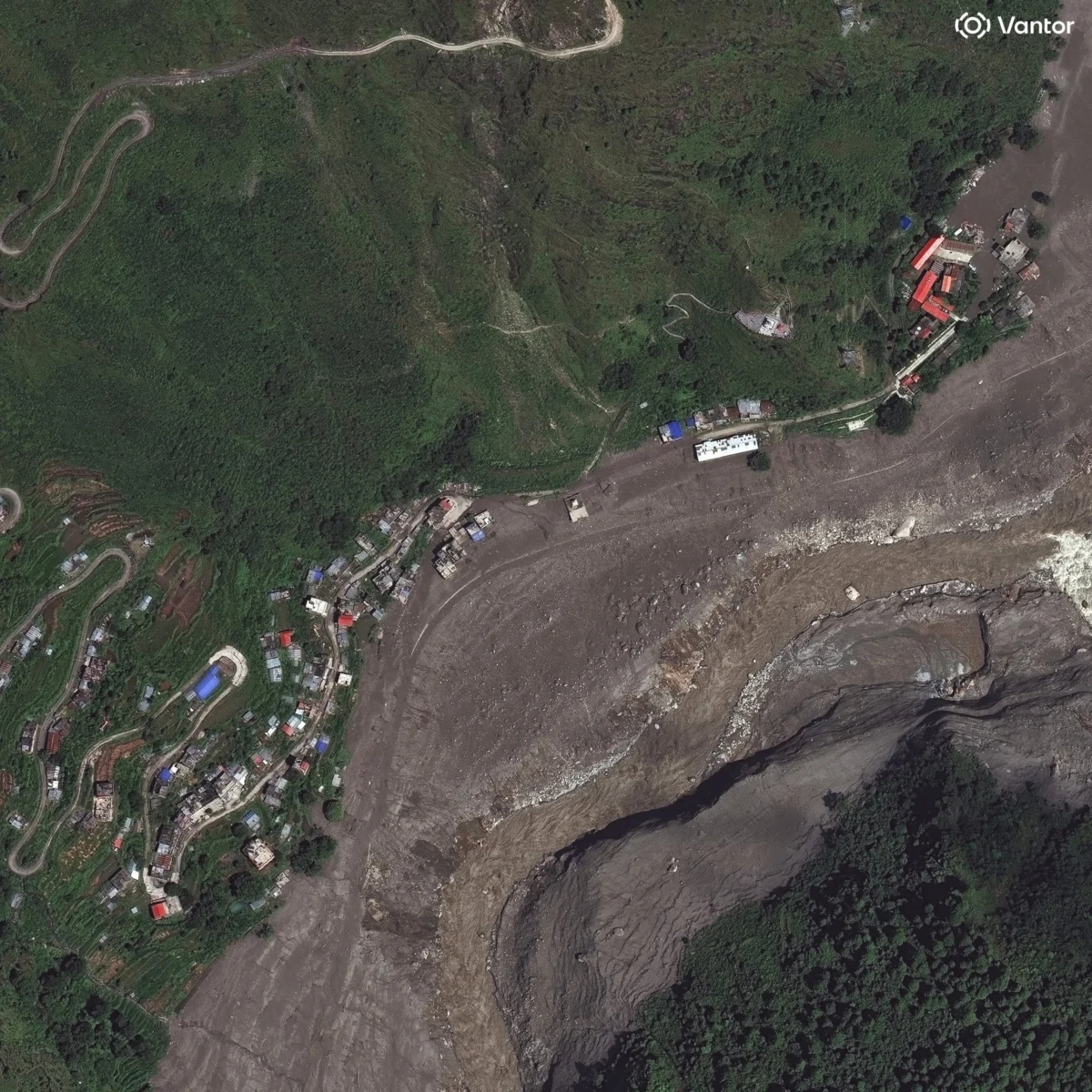
The delicate and perilous rescue operation for hundreds missing after a catastrophic mudslide in Tibet has been suspended by Chinese authorities, a decision necessitated by the escalating threat of renewed flooding. State media reported on Friday that the suspension was a direct response to the high risk of further inundation from a rapidly expanding lake formed by the immense debris from the disaster. This pause in rescue efforts underscores the volatile and dangerous conditions confronting emergency teams in the region, as the natural landscape itself poses a significant threat to ongoing recovery efforts.

The lake, a grim testament to the mudslide’s destructive power, has begun to overflow, its surging waters now encroaching upon the very areas where rescue teams were attempting to operate. State broadcaster CCTV confirmed that the lake’s formation by "immense piles of debris" has created a critical situation. Consequently, all rescue personnel have been ordered to stand down and await further directives, effectively halting immediate efforts to locate and assist those still unaccounted for. Emergency teams that had managed to reach the affected zone have been instructed to withdraw a kilometer (0.6 miles) to ensure their safety from the potential deluge.
The disaster struck on Wednesday, August 26, 2026, when a colossal wall of mud and debris swept through the border hub of Gyirong in Tibet, a region known for its strategic importance and its proximity to the Nepal border. Initial reports indicated that hundreds of individuals, both Chinese nationals and foreigners, were caught in the devastating event. The sheer scale of the mudslide, which transformed the landscape into a chaotic expanse of earth and rubble, has presented an unprecedented challenge to rescue and recovery operations.

According to CCTV, the formation of the lake is a direct consequence of the mudslide’s impact, trapping vast quantities of water behind the colossal dam of debris. The situation is exacerbated by continued rainfall in the region, which is forecast to persist over the next three days. Projections suggest that water levels at the lake will continue to rise, potentially reaching a critical peak around September 1. This sustained increase in water volume significantly heightens the risk of a breach.
Escalating Flood Threat and Evacuations
The state news agency Xinhua reported late Thursday that the potential for a lake breach poses a grave threat, warning that "floodwaters downstream and potentially cause further damage in areas including Gyirong Port and elsewhere downstream." This imminent danger has prompted precautionary measures, with emergency engineering teams actively monitoring the lake’s stability and water levels. The situation demands a delicate balance between the urgency of rescue operations and the imperative of safeguarding lives from secondary disasters.

In a significant effort to mitigate the human impact of the disaster, Chinese authorities have been actively transporting individuals out of the affected zone. As of Friday, CCTV reported that 499 Chinese nationals and 555 foreigners had been successfully evacuated from the disaster area. This large-scale evacuation highlights the significant international presence in the region and the cross-border implications of the mudslide.
Advanced Rescue Techniques Amidst Difficulties
Despite the suspension of direct rescue operations, efforts to locate the missing continue through advanced technological means. Rescue workers are employing sophisticated tools, including drone-based 3D modeling and thermal imaging detection, to scan the treacherous terrain. These high-tech approaches are being supplemented by traditional manual searches, albeit with extreme caution due to the unstable environment. The combination of these methods aims to maximize the chances of locating survivors or recovering the remains of those lost.

The gravity of the situation has prompted a high-level governmental response. Chinese President Xi Jinping chaired a meeting of top leaders on Friday to discuss the ongoing rescue operations and the multifaceted challenges they entail. The readout from the meeting, as reported by Xinhua, acknowledged the immense difficulties faced by rescue teams. "There are still many hidden dangers of glaciers, ice lakes and geological disasters in the surrounding area, and rescue is facing great difficulties," the leaders stated, underscoring the complex and dangerous nature of the disaster zone. This recognition of inherent risks further explains the rationale behind the temporary suspension of rescue activities.
Background and Chronology of the Disaster
The incident unfolded on Wednesday, August 26, 2026, with the catastrophic mudslide originating in Tibet and impacting the China-Nepal border region. The immediate aftermath saw the formation of a massive debris dam, which subsequently created a rapidly expanding lake. This lake’s instability and overflow have become the primary concern for authorities and rescue teams.

- Wednesday, August 26, 2026: A devastating mudslide occurs in Tibet, near the China-Nepal border, leading to significant destruction and the formation of a large debris dam. Hundreds are reported missing.
- Thursday, August 27, 2026: Initial rescue efforts commence. State media reports on the growing concern over a lake formed by the debris and the potential for flooding. Emergency engineering teams begin monitoring the situation.
- Friday, August 28, 2026: Chinese authorities announce the suspension of rescue operations due to the high risk of renewed flooding from the overflowing debris lake. Rescue teams are ordered to stand by and withdraw from immediate operational areas. President Xi Jinping chairs a high-level meeting on the disaster response.
Supporting Data and Broader Implications
The geographical context of the disaster is crucial to understanding its potential severity. Tibet, situated on the Tibetan Plateau, is characterized by high altitudes, glacial landscapes, and a high susceptibility to geological events. The region is prone to landslides and glacial lake outburst floods (GLOFs), particularly with changing climatic conditions that can lead to glacier melt and increased instability.
The number of missing individuals, reported to be in the hundreds, signifies a substantial humanitarian crisis. The evacuation of over a thousand people underscores the scale of displacement and the immediate need for shelter, food, and medical assistance for those affected. The presence of both Chinese nationals and foreigners in the border region highlights the international dimension of the disaster and the potential for diplomatic engagement with neighboring countries, particularly Nepal, which is also likely to be affected by downstream flooding.

The economic implications of the mudslide are also significant. Gyirong Port is a vital trade route and a key entry point for tourists and goods between China and Nepal. The disruption to this crucial infrastructure will have repercussions for regional trade, tourism, and livelihoods. The long-term recovery of the area will involve not only the arduous task of clearing debris and rebuilding infrastructure but also addressing the underlying geological vulnerabilities that contributed to the disaster.
Official Responses and International Context
The Chinese government’s immediate response, including the high-level meeting chaired by President Xi Jinping, signals the seriousness with which the situation is being treated. The emphasis on monitoring and technological rescue methods, while temporarily suspending direct operations, reflects a pragmatic approach to managing the inherent risks.

While the provided text focuses on the Chinese response, it is highly probable that Nepal has also been coordinating its own disaster management efforts and assessing the impact on its territory. Given the shared border and the potential for transboundary flooding, close communication and cooperation between Chinese and Nepalese authorities would be essential for effective disaster response and mitigation.
The event serves as a stark reminder of the increasing frequency and intensity of natural disasters in mountainous regions, often linked to climate change. The rapid formation of a massive debris lake and the subsequent threat of flooding underscore the need for enhanced early warning systems, robust infrastructure development in disaster-prone areas, and international collaboration in addressing these complex challenges. The long-term implications will require sustained efforts in disaster preparedness, risk assessment, and environmental management to build resilience in vulnerable communities. The pause in rescue operations, though difficult, is a critical measure to ensure the safety of those tasked with the vital mission of saving lives.

 Evan Lee Salim





A Political Commentator Claims Lack of Caution Over National Security Investigation Details Amidst Trial
Wong Kwok-ngon, a political commentator widely known by his pen name Wong On-yin, asserted in the District Court that national security police failed to explicitly caution him about the confidentiality…