Laily UPN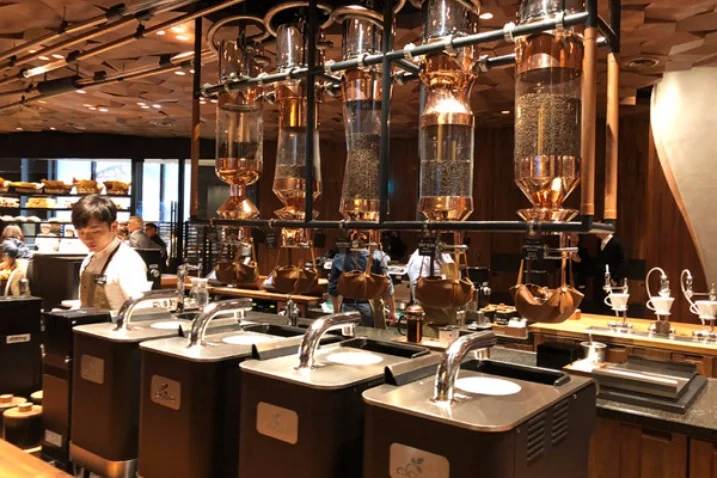
Despite the transformative power of e-commerce in recent years, the physical retail experience maintains its foundational dominance within the global retail sector. This enduring presence, far from being a relic of a bygone era, underscores a strategic evolution where online and offline channels are increasingly converging and cooperating, rather than competing in isolation. This perspective is championed by industry leaders like Victor Cha, Managing Director and Deputy Chairman of HKR International Ltd., a prominent real estate developer whose latest venture in Shanghai, HKRI Taikoo Hui, serves as a compelling testament to the future of integrated retail.
The Evolving Retail Landscape: A Global and Local Perspective
The narrative of a "retail apocalypse" often promulgated by swift e-commerce growth statistics has proven to be an oversimplification. While online platforms have undeniably reshaped consumer habits and supply chains, the brick-and-mortar format continues to command the lion’s share of consumer spending. Globally, e-commerce sales reached approximately $4.9 trillion in 2021, representing around 19.6% of total retail sales, a figure projected to climb but still leaving the vast majority of transactions occurring in physical spaces. In China, a market renowned for its aggressive adoption of digital technologies, online retail sales of physical goods totaled 4.19 trillion yuan ($633.5 billion) in 2016. While this represented a robust 25.6 percent year-on-year increase, it accounted for only 12.6 percent of the total retail value of all consumer goods purchased. This data, issued by the Ministry of Commerce, clearly illustrates the significant headroom and continued relevance of physical retail even in the world’s largest e-commerce market.
The rise of digital giants like Alibaba and JD.com has indeed presented formidable challenges to traditional retailers, forcing many to re-evaluate their strategies. These platforms, leveraging vast capital resources and sophisticated big data analytics, initially posed an existential threat. However, this pressure has also catalyzed innovation, prompting physical retailers to adapt by enhancing the in-store experience, integrating technology, and cultivating unique brand propositions. A recent survey by financial research firm Gordon Haskett further highlights this nuanced consumer preference, indicating that outside of categories like music, books, movies, and small appliances, consumers overwhelmingly favor in-store purchases. This preference is particularly pronounced for experience-based categories such as groceries, household goods, health and beauty products, pet supplies, and automotive products, where tactile interaction, immediate fulfillment, and expert advice remain highly valued.
HKRI Taikoo Hui: A Blueprint for Experiential Retail
Against this backdrop of evolving consumer behavior and market dynamics, HKR International’s Victor Cha asserts that "shopping malls are no longer a place purely for shopping, but a one-stop experience provider for shopping, lifestyle and social." He emphasizes a stark choice for retailers: "Retailers have to either embrace this trend peacefully or be phased out." This philosophy underpins the strategic design and operational model of HKRI Taikoo Hui, a monumental commercial complex designed to captivate and retain consumers through bespoke design and unparalleled quality.
Officially opened in early November 2017, HKRI Taikoo Hui stands majestically on Shanghai’s bustling West Nanjing Road, a prime commercial artery. This sprawling 322,000-square-meter development represents an ambitious investment of up to 18 billion yuan ($2.7 billion), a testament to HKR International’s long-term commitment to the Chinese market. The complex is a microcosm of urban living, featuring a sophisticated shopping mall, two luxury hotels, a serviced apartment building, and two modern office towers. This multi-faceted approach aims to create a self-contained ecosystem where work, leisure, and lifestyle seamlessly intertwine, encouraging extended dwell times and repeat visits. HKR International projects that this single project alone will generate revenue equivalent to two-thirds of its 11 total projects of similar size in 2018, underscoring the confidence in its innovative retail model.
Strategic Brand Curation and Unique Offerings
A critical element in HKRI Taikoo Hui’s strategy to differentiate itself in Shanghai’s competitive retail landscape is its meticulous brand curation. Recognizing the "high homogeneity of shopping malls’ brands" prevalent across the city, as noted by Qi Xiaozhai, head of the Shanghai Society of Commercial Economy, HKRI Taikoo Hui deliberately eschewed an exclusive focus on ubiquitous top-tier luxury brands like Louis Vuitton or Gucci. Instead, its developers opted for a diverse and refreshing tenant mix designed to surprise and delight.
Among approximately 250 diversified brands housed within the mall, a significant proportion represents novel retail concepts for the Chinese market. Eight brands made their China debut within HKRI Taikoo Hui, introducing fresh international flavors and trends to discerning local consumers. Furthermore, 22 brands chose the complex for their inaugural outlet in Shanghai, signifying the mall’s prestige and strategic importance. An additional 15 brands established special concept stores, offering unique product lines, interactive experiences, or innovative retail formats not found elsewhere. This deliberate strategy of introducing novelty and exclusivity aims to cultivate a sense of discovery and distinction, drawing consumers seeking more than just transactional shopping. As Qi Xiaozhai articulates, "On average, more than 70 percent of the brands in Shanghai’s department stores and shopping malls are the same, so what brands the developer chooses will decide how successful it is." HKRI Taikoo Hui’s approach directly addresses this challenge by prioritizing distinctiveness.
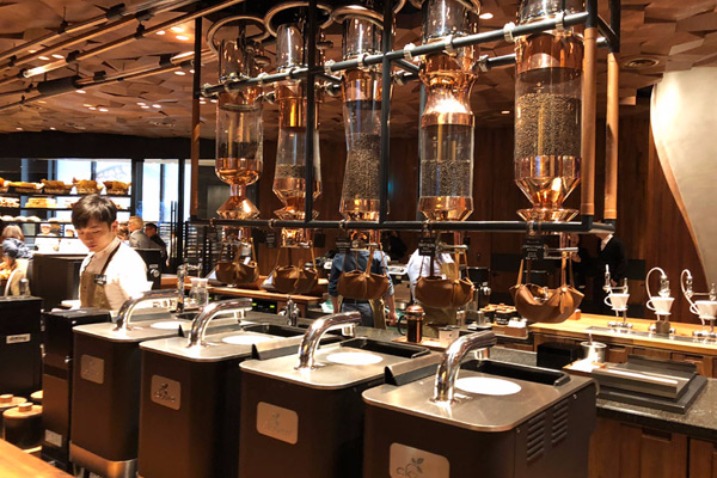
A prime example of this experiential focus is the location of China’s newly opened Starbucks Reserve Roastery within HKRI Taikoo Hui. This flagship establishment is only the second of its kind globally, outside of the company’s headquarters city of Seattle. The Starbucks Reserve Roastery transcends the typical coffee shop experience, offering an immersive journey into the art and science of coffee. Visitors can observe the roasting process, engage with master roasters, explore rare coffee blends, and enjoy a variety of artisanal beverages and culinary offerings in an expansive, architecturally stunning environment. This particular anchor tenant perfectly aligns with the Gordon Haskett survey’s findings regarding consumer preference for in-store experiences, especially in categories that offer sensory engagement and a premium, curated atmosphere. It transforms coffee consumption from a routine purchase into a memorable event, becoming a destination in itself.
The Synergy of Online and Offline: Leveraging Technology and Data
The success projections for HKRI Taikoo Hui are not solely based on its physical grandeur and unique brand mix. Victor Cha emphasizes the crucial role of "the interaction made between online and offline" and "the application of big data to analyze the preferences and habits of their target customers." This reflects a broader industry shift towards an omnichannel retail strategy, where the digital and physical realms are seamlessly integrated to create a cohesive customer journey.
As internet retailers like Alibaba and JD.com increasingly venture into physical stores, leveraging their extensive capital and data resources, traditional retail operators are compelled to adopt state-of-the-art technologies to remain competitive. This includes integrating digital touchpoints within the mall experience, such as interactive digital signage, mobile payment solutions, personalized recommendations via loyalty apps, and even augmented reality (AR) experiences that blend the virtual with the physical. For instance, customers might use an app to navigate the mall, receive real-time promotions tailored to their shopping history, or virtually try on clothes.
Big data analytics plays a pivotal role in this integrated strategy. By collecting and analyzing consumer data—from purchasing patterns and dwell times to demographic information and online browsing behavior—HKRI Taikoo Hui can gain profound insights into its target customers. This data empowers retailers to optimize store layouts, personalize marketing campaigns, manage inventory more efficiently, and even influence future brand selection. The ability to understand and anticipate customer needs allows the mall to continually refine its offerings and experiences, ensuring its relevance in a rapidly changing market. This data-driven approach positions physical retail not as a passive space for transactions, but as an intelligent, responsive environment that learns and adapts to its visitors.
HKR International’s Enduring Vision in Mainland China
HKR International’s commitment to the Chinese mainland is deep-seated and strategic. Over the past 15 years, the company has channeled approximately 20 billion yuan into various projects across the mainland, representing nearly half of its total investment during that period. This substantial financial commitment underscores its belief in the long-term growth potential of the Chinese market.
Looking ahead, Victor Cha affirms that HKR International’s "weighing in the Chinese mainland, especially in the Yangtze River Delta region, will continue to grow." He emphasizes the company’s identity as a Chinese entity, stating, "we are a Chinese company, and we will continuously look for real estate investment opportunities both in residential and commercial sectors, in line with the central government’s policies and strategies." This alignment with national development plans suggests a symbiotic relationship, positioning HKR International to capitalize on strategic growth areas.
Beyond commercial developments like HKRI Taikoo Hui, the company also maintains a strong focus on the residential sector. Cha highlights the profound societal changes that have fueled this demand: "The Chinese people in the past two decades have generated abundant wealth; in regards to their strong attachment in buying property, high-quality residential property will continue to be sought after by the expanding middle class." This insight into the cultural significance of homeownership and the rise of a discerning middle class forms a cornerstone of HKR International’s residential strategy. He concludes with a powerful statement of enduring commitment: "that is what we were doing for the past four decades and will continue to do in the coming four decades."
Implications and Outlook for the Retail Sector
The success of models like HKRI Taikoo Hui carries significant implications for the broader retail sector. It demonstrates that the future of retail is not a zero-sum game between online and offline but rather a complex, integrated ecosystem. Physical spaces must evolve beyond mere points of sale to become vibrant hubs for community, culture, and personalized experiences.
For traditional retailers, the message is clear: innovation is no longer optional. Embracing technology, leveraging data, and focusing on unique experiential offerings are critical for survival and growth. This includes investing in appealing store designs, engaging customer service, and seamless integration with digital channels. Shopping malls, in particular, are transforming into "lifestyle destinations" that offer a diverse mix of retail, dining, entertainment, wellness, and cultural activities, catering to a holistic consumer experience.
The ongoing "New Retail" movement, pioneered by figures like Alibaba’s Jack Ma, further solidifies this trend. New Retail posits a future where online, offline, logistics, and data converge into a single value chain. This means physical stores becoming showrooms, logistics hubs, and data collection points, while online platforms provide personalization and convenience. Companies that can effectively bridge this gap, creating a frictionless and engaging journey for consumers across all touchpoints, will be best positioned for long-term success.
While challenges persist, including rising operational costs for physical stores and the relentless pace of digital innovation, the opportunities for collaboration and creativity are immense. The HKRI Taikoo Hui stands as a powerful example of how strategic investment, innovative design, and a deep understanding of evolving consumer preferences can not only ensure the continued relevance of brick-and-mortar retail but also propel it into a dynamic and prosperous future. The emphasis on unique brands, experiential anchors, and data-driven insights positions it as a significant benchmark for retail development in China and beyond, illustrating that the physical store, far from being obsolete, is entering a new era of importance and transformation.

 Evan Lee Salim
 Suro Senen