Ali Ikhwan
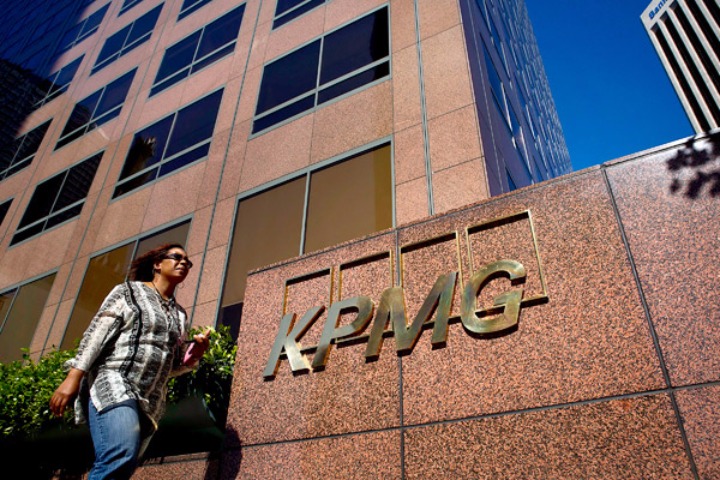
Hong Kong, a financial powerhouse long celebrated for its vibrant capital markets, is projected to relinquish its esteemed position as the world’s leading destination for Initial Public Offerings (IPOs) in 2017. After two consecutive years at the pinnacle of global listing venues, the Special Administrative Region is set to fall to fourth place in the global IPO league table, according to a comprehensive report issued by accounting firm KPMG. This significant shift signals a crucial inflection point for the city’s financial landscape, driven by a notable decline in the aggregate value of deals, despite a record-breaking number of individual listings.
A Decline in Deal Value Outweighs Listing Volume
The KPMG report highlights that while the total number of IPOs in Hong Kong is expected to reach an unprecedented 160 by the close of 2017 – a testament to the continued attractiveness of its listing platform for numerous smaller and mid-sized enterprises – the cumulative value of these offerings has experienced a substantial contraction. Projections indicate a plummet of approximately one-third in funds raised, from HK$195 billion ($25 billion) in 2016 to an estimated HK$130 billion ($16.6 billion) in 2017. This figure represents the lowest level for the Hong Kong IPO market since 2012, underscoring a pronounced shift in the market’s composition towards smaller-scale listings.
The diminished overall deal value has allowed other major global financial centers to surpass Hong Kong. New York, Shanghai, and London are all poised to outrank Hong Kong in terms of total capital raised from IPOs for the year. This reordering reflects not only a moderation in the size of Hong Kong’s offerings but also robust activity and larger blockbuster listings in competing jurisdictions. Specifically, the Shanghai Stock Exchange is anticipated to emerge as a formidable contender, with the total value of its listings hovering at an estimated HK$154 billion ($19.7 billion), positioning it second only to the New York Stock Exchange globally. This performance by Shanghai underscores the increasing sophistication and appeal of mainland China’s domestic capital markets, drawing significant capital within its own borders.
Mega-Deals Dwindle: A Comparison of Top Offerings
A deeper dive into the composition of Hong Kong’s IPO market reveals the primary cause for the dip in capital raised: the absence of mega-sized offerings that characterized previous years. The amounts raised by the top 10 newly listed companies in Hong Kong are estimated to have fallen by a substantial 45.5 percent, from HK$148.2 billion in 2016 to HK$80.8 billion in 2017. This stark contrast is exemplified by the largest offering of 2017, Guotai Junan Securities, which raised HK$17.2 billion. While a significant sum, it was dwarfed by the Postal Savings Bank of China’s mega-deal in 2016, which alone garnered a staggering HK$59.2 billion. The lack of comparable listings in 2017 created a substantial deficit in overall capital aggregation, directly impacting Hong Kong’s global standing.
This trend indicates a temporary shift in the preference of very large enterprises seeking to go public, perhaps opting for other global venues or delaying their listing plans amidst prevailing market conditions or specific industry considerations. The capital raising environment for large-cap entities is complex, influenced by global liquidity, investor appetite, and geopolitical factors, all of which likely played a role in the subdued mega-deal activity in Hong Kong in 2017.
The Emergence of the "New Economy" as a Market Driver
Despite the retreat from the pole position in terms of capital raised, Hong Kong’s stock exchange is undergoing a pivotal and long-anticipated transformation. Traditionally, the city’s IPO market has been heavily dominated by financial services firms and companies from conventional industries. For instance, in 2016, a remarkable nine out of the top 10 flotations originated from the financial services sector, highlighting the market’s historical reliance on this segment. However, 2017 marked a significant pivot towards the highly sought-after "new economy" companies.
Maggie Lee, Hong Kong-based head of capital markets development group at KPMG China, emphasized this crucial shift, stating, "This year, the Hong Kong market has been transforming, with four ‘new economy’ firms making their entry into the territory’s top 10 largest IPOs." This change represents a strategic diversification for the Hong Kong exchange, aligning its market offerings more closely with global trends favoring innovation and technology.
The "new economy" typically encompasses sectors driven by advanced technology, digital platforms, and innovative business models, such as fintech, e-commerce, biotechnology, and internet services. The prominent listings of mainland China’s Tencent-backed China Literature, often hailed as the city’s most profitable and hottest IPO in over a decade, alongside headline-making offerings from Zhong An Online P&C Insurance, Yixin Group Ltd, and Razer, served as powerful catalysts. These successful entries provided a significant boost to the exchange’s profile and paved a clear pathway for other promising tech startups and digitally-driven enterprises to consider Hong Kong as their preferred listing venue.
This shift is not merely statistical; it reflects a conscious effort by the Hong Kong Stock Exchange (HKEX) and regulatory bodies to adapt to the evolving global capital market landscape. For years, there had been discussions and pressures for Hong Kong to become more attractive to innovative tech companies, many of which had historically opted for exchanges like Nasdaq or NYSE due to their more flexible listing rules concerning dual-class share structures or profitability requirements. The successful IPOs of these "new economy" giants in 2017 are a strong indication that Hong Kong is actively addressing these concerns and is beginning to reap the benefits of its strategic adaptations.
Background Context: Hong Kong’s IPO Dominance and Challenges
For many years, Hong Kong’s status as a premier global financial hub has been underpinned by its robust IPO market. Its unique position as a gateway to mainland China, coupled with a transparent regulatory environment, strong rule of law, and deep liquidity, made it an attractive destination for Chinese companies seeking international capital and for global investors looking to access China’s growth story. The "H-share" mechanism, allowing mainland Chinese companies to list in Hong Kong, has been a cornerstone of its success. This strong connection to the booming Chinese economy provided a steady pipeline of large state-owned enterprises and private sector giants seeking to raise significant capital.
However, over the past few years, Hong Kong faced increasing competition from other global exchanges and also internal pressures to modernize its listing framework. Critics often pointed to stringent profitability requirements and a reluctance to accommodate innovative company structures, such as dual-class shares, which are favored by many tech founders to maintain control post-IPO. This regulatory stance, while upholding investor protection, inadvertently channeled some of the most promising "new economy" companies towards other markets.
The year 2017, therefore, can be viewed as a transitional period where the long-standing strengths of Hong Kong’s market were tested, while new strategies began to bear fruit. The decline in overall capital raised highlights the vulnerability of relying heavily on a few large deals and traditional sectors. Simultaneously, the rise of "new economy" listings signals a successful diversification effort that promises long-term resilience and relevance.
Implications for Hong Kong’s Financial Future
The implications of these trends are multi-faceted. For Hong Kong’s status as a global financial center, the temporary loss of the top IPO spot serves as a stark reminder of the intense competition in the global capital markets. However, the pivot towards "new economy" companies offers a more optimistic outlook. It suggests a strategic evolution that could solidify Hong Kong’s position as a hub for innovation and technology financing in Asia, complementing its traditional strengths in finance and trade.
For investors, the shift means a broader array of investment opportunities, moving beyond conventional banking and real estate to include high-growth tech and internet firms. This diversification can potentially enhance market dynamism and attract a new class of investors interested in emerging sectors. For companies seeking to go public, Hong Kong is increasingly positioning itself as a viable alternative to U.S. exchanges for tech-centric businesses, particularly those with strong ties to mainland China or the broader Asian market.
The competition from Shanghai is particularly significant. As mainland China continues to develop its own capital markets and loosen capital controls, Shanghai’s appeal to domestic companies will naturally grow. Hong Kong’s role will likely evolve to focus on its distinct advantages, such as its international liquidity, free flow of capital, and adherence to international regulatory standards, which remain crucial for companies seeking global exposure and foreign capital.
Outlook for 2018 and Beyond: A Resurgent Hong Kong?
Looking ahead, KPMG expresses strong optimism for Hong Kong’s IPO market. Maggie Lee articulated the firm’s belief that 2017 was merely a year of transition, and that over the coming few years, the Hong Kong market is poised to "continue to gain momentum from the burgeoning appetite for ‘new economy’ companies."
The accounting firm places high hopes on the local bourse to attract approximately 160 offerings in 2018, aiming to raise total funds of no less than HK$200 billion ($25.6 billion). This projection suggests a rebound in both the number and, crucially, the value of IPOs, indicating an expectation of larger deals returning to the market, driven in part by the sustained influx of "new economy" firms.
To facilitate this anticipated growth, the HKEX has been actively reviewing and proposing amendments to its listing rules. Discussions around allowing dual-class share structures and providing a pathway for pre-revenue biotech companies to list are central to these efforts. Such reforms, if successfully implemented, would significantly enhance Hong Kong’s competitiveness against exchanges in New York and London, directly addressing the needs of innovative companies that require more flexible capital structures.
The ongoing efforts to polish its brand as a magnet for emerging global tech companies are critical for Hong Kong’s long-term prosperity. By adapting to global market trends and proactively reforming its regulatory framework, Hong Kong aims not just to reclaim its top spot but to ensure its relevance and attractiveness in an increasingly dynamic global financial ecosystem. The success of "new economy" listings in 2017 serves as a strong foundation for this ambitious future, signaling a proactive and adaptive approach by one of the world’s most resilient financial centers. The coming years will reveal the full extent of this transformation and Hong Kong’s renewed capacity to attract the titans of tomorrow’s economy.


 Evan Lee Salim
 Suro Senen