Muslim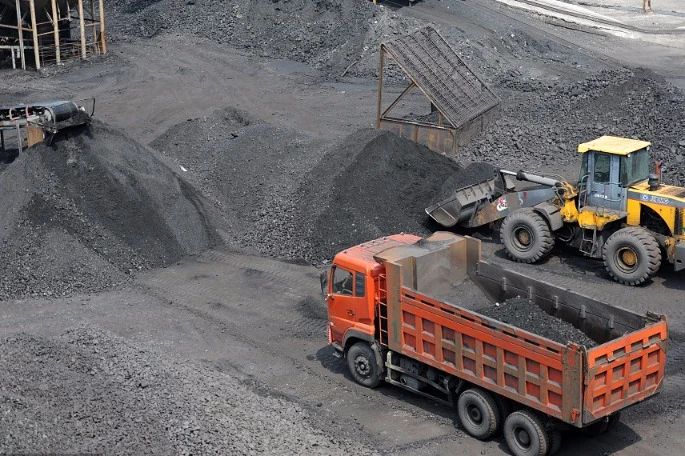
China is on track to significantly surpass its ambitious targets for reducing industrial overcapacity in key sectors, including coal and steel, well ahead of schedule. Official statements from top industry representatives indicate that the nation’s efforts to streamline its industrial landscape, improve environmental quality, and enhance economic efficiency are yielding rapid results, particularly within the framework of its 13th Five-Year Plan (2016-2020) and broader supply-side structural reform initiatives. This aggressive push is not only reshaping domestic industries but also profoundly influencing global commodity markets, particularly for iron ore, as China moves to shut down smaller, more polluting domestic mines.
Accelerated Coal Capacity Reduction Exceeds Expectations
A central pillar of China’s industrial overhaul is the dramatic reduction of its coal production capacity. Jiang Zhimin, vice-president of the China National Coal Association, recently confirmed that the country is likely to achieve its goal of cutting 500 million metric tons of coal capacity by next year, substantially earlier than the initially planned three to five years. This accelerated timeline underscores the government’s resolve to address chronic oversupply, enhance energy efficiency, and combat severe air pollution.
The sheer scale of this transformation is evident in the diminishing number of coal mines across the nation. From approximately 10,800 mines in 2015, the figure is projected to fall to around 7,000 by the end of this year. This consolidation strategy favors larger, more efficient, and environmentally compliant operations. Jiang highlighted that over 1,200 coal mines, each boasting an annual production capacity exceeding 1.2 million tons, now account for more than 75 percent of China’s total coal capacity. This shift towards larger, more modern mines is crucial for improving safety standards, reducing environmental impact, and enhancing overall industry competitiveness.
The progress in capacity reduction has been consistently strong. In 2016, China successfully eliminated more than 290 million tons of coal capacity, demonstrating a robust start to the program. The momentum continued into 2017, with the year’s target of 150 million tons accomplished by November, according to data from the National Bureau of Statistics (NBS). These figures illustrate a sustained and effective policy implementation, driven by a combination of administrative directives, market mechanisms, and stricter environmental enforcement. The overarching goal of the 13th Five-Year Plan was to cut coal capacity by approximately 500 million tons, alongside the reorganization and consolidation of an additional 500 million tons of capacity by 2020. The current pace suggests the hard target will be met well ahead of the deadline.
Significant Strides in Steel Sector Overhaul
Parallel to the coal sector’s transformation, China has made equally significant progress in rationalizing its vast steel industry, long plagued by overcapacity, low-quality production, and environmental challenges. Xu Wenli, head of the Iron and Steel Division at the Ministry of Industry and Information Technology (MIIT), reported that China has already cut more than 115 million tons of steel capacity. This achievement brings the nation remarkably close to the upper limit of its 13th Five-Year Plan target for the steel sector, which aimed for a reduction of 100 million to 150 million tons by 2020.
A critical component of this overhaul has been the crackdown on "low-quality" or "zombie" steel production, particularly those relying on induction furnaces using scrap metal, known as "ditiao steel." These operations were often characterized by poor safety standards, high pollution levels, and substandard product quality, distorting market competition and hindering the development of legitimate, high-quality steel producers. By the end of June, China had phased out approximately 140 million tons of this low-quality steel production, as confirmed by the NBS. This targeted elimination has been instrumental in improving overall product quality and environmental performance across the industry.
The annual breakdown of steel capacity cuts further highlights the consistent effort. In 2016, over 65 million tons of steel production capacity were eliminated. The momentum carried into 2017, with the year’s target of 50 million tons met by the end of August, three months ahead of schedule. The government’s commitment extends beyond mere numerical cuts; Xu Wenli emphasized that "the country will continue to cut outdated steel capacity and prevent shuttered or illegal steel mills from returning to the market." This ongoing vigilance is crucial to ensure that capacity reductions are permanent and that market discipline is maintained, preventing the resurgence of inefficient and polluting operations that could undermine the reform efforts.
The Broader Context: Supply-Side Reform and Environmental Imperatives
These sweeping industrial capacity reductions are integral to China’s overarching "supply-side structural reform" agenda, initiated in late 2015. This comprehensive strategy aims to shift the economy from one driven by investment and exports to one focused on domestic consumption, innovation, and higher-quality growth. Addressing industrial overcapacity—one of the "five major tasks" of supply-side reform, alongside destocking, deleveraging, reducing costs, and improving weak links—is fundamental to this transition. Overcapacity had led to plummeting industrial profits, mounting corporate debt, and an inefficient allocation of resources, posing significant risks to financial stability and sustainable economic development.
Beyond economic restructuring, environmental protection has emerged as an equally powerful driver for these reforms. China’s "war on pollution," declared by the government, has intensified regulatory scrutiny and enforcement, particularly in heavily industrialized regions prone to severe smog. The industrial sectors, especially coal and steel, are major contributors to air and water pollution. The closure of smaller, less efficient, and environmentally non-compliant mines and mills directly contributes to cleaner air and water, aligning with the public’s growing demand for a healthier environment. This commitment is also reflected in China’s international climate pledges, as reducing coal consumption and improving industrial efficiency are vital steps toward achieving its carbon emission targets.
The social implications of these reforms, though challenging, are also being addressed. The closure of mines and factories has led to job losses in affected communities. The government has implemented various support measures, including retraining programs, relocation assistance, and unemployment benefits, to mitigate the social impact and ensure stability. This demonstrates a comprehensive approach that balances economic and environmental goals with social welfare considerations.
Shifting Dynamics in Iron Ore Imports and Domestic Mining
The industrial restructuring in China has direct implications for global commodity markets, particularly for iron ore. As China shutters its small, polluting domestic mines in a concerted effort to improve air quality, its reliance on imported iron ore is set to increase significantly. Lei Pingxi, chief engineer at the Metallurgical Mines Association of China, projects a notable rise in iron ore imports.
According to Lei, iron ore imports were expected to increase by 5.5 percent year-on-year to 1.08 billion tons in 2017 and are forecast to rise by a further 3 percent to 1.12 billion tons in 2018. This trend highlights a strategic shift: while China is reducing its overall steelmaking capacity, it is simultaneously consolidating and upgrading its remaining steel mills. These larger, more efficient mills often prefer higher-quality imported iron ore, which is more cost-effective to process and produces fewer pollutants compared to lower-grade domestic ores.
The crackdown on domestic iron ore mining is substantial. Lei indicated that China plans to eliminate approximately one-third of its iron ore mining licenses, primarily targeting small, environmentally damaging operations. Over 1,000 mining licenses are slated for cancellation under this government-led initiative against smog and outdated industrial capacity. This represents a reduction of 15 to 20 percent of the country’s total iron ore capacity. The closure of these smaller mines not only contributes to environmental protection but also streamlines the domestic mining sector, pushing towards greater efficiency and responsible practices. This move strengthens the position of major international iron ore suppliers, such as Australia and Brazil, who stand to benefit from China’s increased demand for high-quality raw materials.
Economic and Environmental Implications and Future Outlook
The comprehensive industrial capacity reduction program in China carries profound economic and environmental implications. Economically, the elimination of overcapacity has helped stabilize and even boost commodity prices, improving the profitability of remaining, more efficient enterprises. This has contributed to a healthier financial standing for industrial firms, facilitating debt reduction and enabling reinvestment in modernization and environmental technologies. The consolidation of industries, particularly in coal and steel, is fostering the emergence of larger, more competitive national champions capable of driving innovation and sustainability.
Environmentally, the impact is tangible. Reduced coal consumption directly translates to lower carbon dioxide emissions and a decrease in air pollutants like sulfur dioxide and particulate matter, contributing to clearer skies in many urban centers. The closure of polluting steel mills and iron ore mines has significantly lessened local environmental burdens, from water contamination to soil degradation. These efforts are crucial for China to meet its domestic environmental targets and fulfill its commitments under international climate agreements, such as the Paris Agreement.
Looking ahead, China’s commitment to supply-side structural reform and environmental protection remains unwavering. While significant progress has been made, the journey is ongoing. The focus will likely shift towards maintaining the achieved reductions, preventing the re-emergence of illegal capacity, and further optimizing the industrial structure to promote higher value-added production and green development. The early achievement of these ambitious capacity reduction goals positions China as a leader in industrial transformation, demonstrating its resolve to balance economic growth with environmental stewardship and sustainable development. The success of these reforms will not only redefine China’s industrial landscape but also continue to exert a substantial influence on global trade, commodity markets, and environmental efforts for years to come.

 Evan Lee Salim
 Suro Senen