Dwi Wanna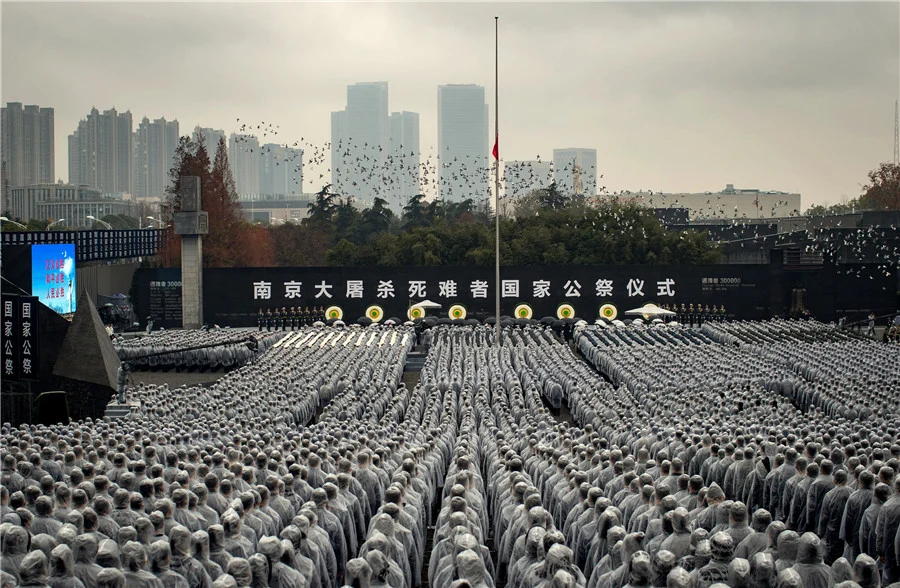
December 13 serves as a solemn reminder of one of the darkest chapters of the 20th century: the National Memorial Day for Nanjing Massacre Victims. This day is dedicated to commemorating the estimated 300,000 Chinese civilians and disarmed soldiers who were brutally murdered by Japanese troops in the aftermath of the fall of Nanjing during World War II. The establishment of such memorial days by nations, particularly those heavily impacted by war, is a critical practice aimed at honoring those lost, acknowledging profound sacrifices, and serving as a perpetual warning against the devastating human cost of conflict. As the world observes this day, it is pertinent to examine how various nations endeavor to preserve the memory of wartime histories, ensuring that the lessons learned from past atrocities are not forgotten.
The Horrors of Nanjing: A Historical Reckoning
The Nanjing Massacre, also known as the Rape of Nanjing, commenced on December 13, 1937, when Japanese Imperial Army forces captured the Chinese capital. What followed was a horrific six-week period of unparalleled brutality. Historical accounts and survivor testimonies paint a grim picture of mass killings, systematic rape, looting, and arson. The scale of the violence was staggering, with estimates of the dead ranging from 200,000 to over 300,000, though exact figures remain difficult to ascertain due to the chaos and destruction. The atrocities included mass executions, beheadings, bayoneting, and the use of victims for bayonet practice. The widespread and systematic sexual violence against women and girls, including infants and the elderly, was a particularly heinous aspect of the massacre.
The international community at the time was largely preoccupied with the escalating tensions in Europe, which would soon erupt into World War II. However, a small number of foreign nationals, including missionaries and journalists, remained in Nanjing and documented the horrors they witnessed, providing crucial evidence for future historical accounts and war crimes tribunals. Their courage in the face of extreme danger helped to bring the world’s attention, albeit belatedly, to the atrocities unfolding in China.
Establishing a Day of Remembrance: The Significance of December 13
China officially designated December 13 as the National Memorial Day for Nanjing Massacre Victims in 2014. This act was a significant step in formalizing the nation’s remembrance and ensuring that future generations would be educated about this critical period of Chinese history. The decision was not merely symbolic; it was a governmental recognition of the profound trauma inflicted upon the nation and a commitment to never allowing such a tragedy to fade into obscurity. The memorial day serves as a focal point for national mourning, reflection, and a powerful statement of historical truth.
The establishment of such memorial days globally underscores a shared human imperative to remember. Countries that have endured immense suffering during wartime often create specific dates to honor their fallen, commemorate resistance efforts, and educate their populations about the consequences of aggression and the importance of peace. These observances are not solely about lamenting the past; they are active efforts to shape a more peaceful future by learning from historical lessons.
Global Practices of Wartime Commemoration
The way nations choose to remember their wartime past varies significantly, reflecting their unique historical experiences, cultural values, and political contexts. These commemorations often involve a combination of solemn ceremonies, educational initiatives, memorial sites, and public discourse.
Europe’s Legacy of Remembrance
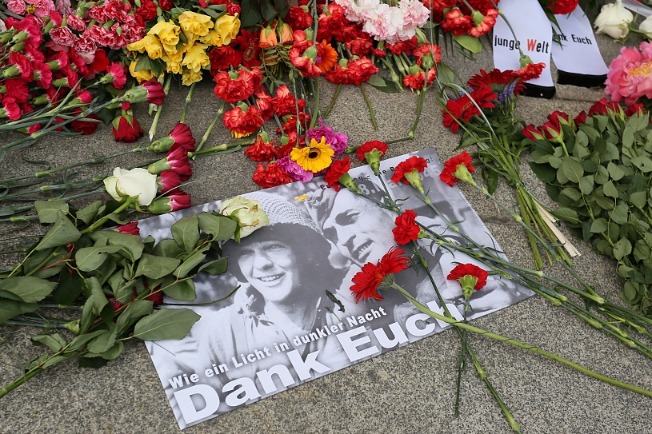
In Europe, numerous countries have established memorial days and sites dedicated to World War II. Germany, for instance, has a complex and ongoing process of confronting its past, particularly the Holocaust. Remembrance Day (Volkstrauertag), observed on the second Sunday before Advent, is a national day of mourning for all victims of war and tyranny. Berlin hosts the Memorial to the Murdered Jews of Europe, a vast field of stelae that serves as a stark and poignant reminder of the Holocaust. German society has largely embraced a culture of remembrance, with extensive educational programs and public discussions aimed at preventing the recurrence of such atrocities.
France observes Armistice Day on November 11, commemorating the end of World War I. This day also serves to remember all those who have died in wars. The Musée de l’Armée (Army Museum) in Paris and numerous war cemeteries across the country are testaments to France’s enduring remembrance of its wartime sacrifices. The country also has memorials dedicated to the Holocaust and the French Resistance.
The United Kingdom marks Remembrance Day on November 11, with a two-minute silence observed at 11 a.m. The iconic Poppy Appeal raises funds for veterans and their families, with the red poppy becoming a powerful symbol of remembrance. Major memorial sites include the Imperial War Museums and the National Memorial Arboretum.
Asia’s Diverse Approaches to Memory
In Asia, the landscape of wartime commemoration is also diverse, often shaped by the specific experiences of invasion, occupation, and liberation.
South Korea observes Memorial Day (Hyeonchungil) on June 6, a day to honor soldiers and civilians who died in military service or during wartime. Given Korea’s history of Japanese occupation and the Korean War, remembrance plays a crucial role in national identity. The War Memorial of Korea in Seoul is a significant institution dedicated to preserving the history of the Korean War and other military conflicts.
Japan, while commemorating the end of World War II on August 15 (known as "Obon" or "End of War Memorial Day"), has a more debated approach to remembrance. The Peace Memorial Park and Museum in Hiroshima and the Nagasaki Atomic Bomb Museum serve as powerful testaments to the devastating consequences of nuclear warfare. However, the interpretation and public acknowledgment of wartime atrocities, particularly those committed by the Imperial Japanese Army, remain sensitive and sometimes contentious issues, both domestically and internationally. The Nanjing Massacre, in particular, has been a recurring point of historical friction between China and Japan.
Other Nations and Their Memorials
Beyond Europe and Asia, many other nations have their own unique ways of remembering wartime events. The United States observes Memorial Day on the last Monday in May, honoring all those who have died in military service. Veterans Day on November 11 honors all those who have served. Numerous national cemeteries, war memorials, and museums across the country serve as focal points for remembrance.
Russia, with its immense losses during World War II (known as the Great Patriotic War), observes Victory Day on May 9 with elaborate parades and ceremonies, celebrating the Soviet Union’s victory over Nazi Germany. The Piskaryovskoye Memorial Cemetery in St. Petersburg, where over 400,000 civilians died during the Siege of Leningrad, is a profoundly moving site of mass remembrance.
The Nanjing Massacre Memorial Hall: A Center for Remembrance
In Nanjing itself, the Memorial Hall of the Victims in the Nanjing Massacre by Japanese Invaders stands as the primary institution dedicated to preserving the memory of the event. Established in 1985, the hall has been expanded and updated over the years. It houses an extensive collection of artifacts, documents, photographs, and survivor testimonies. The museum’s architecture and exhibits are designed to evoke a somber and reflective atmosphere, confronting visitors with the grim reality of the massacre.
The Memorial Hall is not just a repository of history; it is an active center for education and advocacy. It hosts lectures, exhibitions, and public events aimed at raising awareness about the massacre and promoting peace. The hall also plays a crucial role in collecting and preserving the testimonies of the dwindling number of survivors, ensuring their voices are heard for posterity. As of late 2023, the number of registered survivors is critically low, making the preservation of their accounts an urgent priority.
Supporting Data and Evidence
The historical evidence supporting the Nanjing Massacre is extensive and multifaceted. It includes:
- Survivor Testimonies: Thousands of documented accounts from individuals who endured the atrocities, providing firsthand narratives of the killings, rapes, and destruction.
- Eyewitness Accounts from Foreign Nationals: Reports from missionaries, journalists, and diplomats who were present in Nanjing during the massacre, such as John Rabe, a German businessman who documented the events in his diary.
- Photographic and Film Evidence: Photographs taken by both Japanese soldiers and foreign observers, offering visual documentation of the destruction, mass graves, and the scale of the violence.
- Japanese Military Records: While often incomplete or selectively released, some Japanese military documents and diaries provide corroborating evidence of troop movements, orders, and the general atmosphere of brutality.
- Post-War Trials: The International Military Tribunal for the Far East and subsequent Chinese war crimes trials convicted Japanese officers for their roles in the Nanjing Massacre, based on extensive evidence presented.
- Archaeological Evidence: The discovery of mass graves in and around Nanjing has provided physical evidence of the scale of the killings.
These various sources collectively build a robust historical foundation for understanding the Nanjing Massacre as a horrific event of systematic brutality.
Official Responses and International Reactions
China’s designation of December 13 as a national memorial day underscores its commitment to historical accountability and remembrance. The annual observances typically involve solemn ceremonies, including the ringing of sirens, moments of silence, and the laying of wreaths at the Memorial Hall. These events are often attended by high-ranking government officials, foreign dignitaries, and descendants of the victims, signaling the national importance of the day.
The international reaction to China’s memorial day has been varied. While many countries acknowledge the historical significance of the Nanjing Massacre and support China’s efforts to remember its victims, the issue remains a sensitive point in Sino-Japanese relations. Japan’s official stance has evolved over the decades, with various apologies and expressions of regret issued by different Japanese governments. However, historical interpretations and public discourse within Japan can still be a source of tension, with some individuals and groups questioning or downplaying the scale and severity of the atrocities.
Statements from related parties, such as descendants of victims and international human rights organizations, often emphasize the importance of truth, reconciliation, and preventing the recurrence of such crimes against humanity. They frequently call for greater historical accuracy and a more sincere acknowledgment of past wrongdoings by all parties involved.
Broader Impact and Implications
The National Memorial Day for Nanjing Massacre Victims serves several crucial functions:
- Historical Education: It ensures that younger generations are educated about this pivotal and tragic event, fostering a deeper understanding of China’s modern history and the devastating consequences of war.
- National Healing and Identity: For many Chinese, the day is an opportunity for collective mourning and a reinforcement of national identity, emphasizing resilience in the face of immense suffering.
- International Diplomacy: It serves as a consistent reminder to the international community, particularly Japan, of the enduring historical grievances and the need for continued dialogue and reconciliation.
- Advocacy for Peace: By highlighting the horrors of war, the memorial day contributes to a broader global discourse on peace, human rights, and the prevention of future atrocities.
The act of remembering is not a static process; it is an ongoing engagement with the past that shapes the present and informs the future. The National Memorial Day for Nanjing Massacre Victims is a testament to China’s commitment to this vital endeavor, ensuring that the echoes of history serve as a perpetual warning and a call for a more humane world. As the number of direct survivors dwindles, the responsibility to carry forward their stories and the lessons of Nanjing falls increasingly upon the shoulders of subsequent generations and the institutions dedicated to preserving this painful yet essential chapter of human history.


 Nana Wu
 Suro Senen