Muslim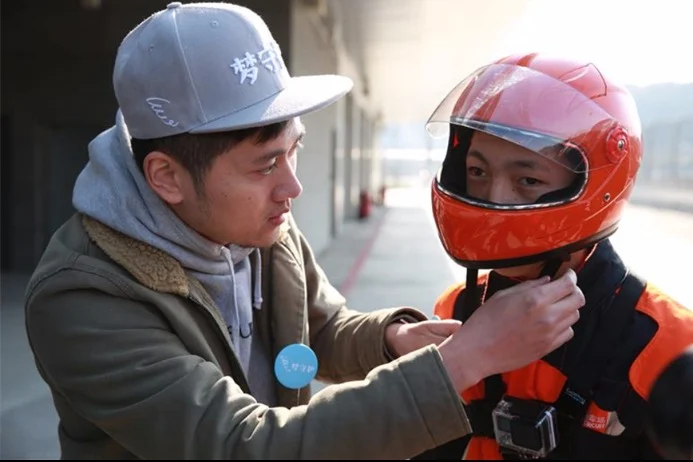
Shaoxing, Zhejiang Province – December 11, 2017 – In a poignant display of resilience and community spirit, a 14-year-old boy from eastern China, living with the daily challenges of epilepsy, saw his lifelong ambition of riding a race car come to fruition on Monday, December 11, 2017. Yang Tao, whose life has been marked by frequent debilitating seizures, experienced the thrill of a professional racetrack, reaching speeds of up to 210 kilometers per hour, thanks to the dedicated efforts of Childream, a non-governmental organization based in Hangzhou. The transformative event, meticulously arranged over three months, unfolded at the Zhejiang Circuit in Shaoxing, providing a powerful testament to the importance of spiritual and emotional support for children facing critical illnesses.
A Dream Takes Flight: The Day on the Track
The morning of December 11, 2017, began with an air of palpable excitement and careful preparation at the state-of-the-art Zhejiang Circuit. For Yang Tao, a moment that had previously existed only in the vivid landscapes of his imagination was about to become a tangible reality. Hailing from Nantong, Jiangsu province, Yang’s journey to the circuit was itself a significant undertaking, marking a departure from his usual home-bound existence. Upon arrival, he underwent a session of professional training, carefully tailored to ensure his safety and maximize his understanding of the high-performance environment he was about to enter. This training likely included detailed safety briefings, an introduction to the vehicle, and perhaps a simulated experience, all designed to acclimate him to the unique demands of a racing circuit.
The culmination of the day’s preparation was the ride itself. Yang Tao was strapped into a high-performance vehicle, one with a notable pedigree, having been previously driven by acclaimed racing driver Jiang Tengyi and best-selling author and rally driver Han Han. Under expert supervision, the car accelerated around the challenging curves and straightaways of the international circuit, reaching exhilarating speeds that peaked at 210 kilometers per hour. For a boy whose world had often been constrained by his medical condition, the sensation was nothing short of liberation. "I felt like I was flying," Yang Tao recounted afterwards, his words echoing the profound joy and freedom experienced in those unforgettable moments. This sentiment encapsulates the essence of the event: a brief but powerful escape from the physical and social limitations imposed by his illness, replaced by an overwhelming sense of exhilaration and accomplishment. The roar of the engine, the blur of the track, and the sheer velocity offered a sensory feast, a stark contrast to the quietude of his daily life.
Beyond the Track: Yang Tao’s Journey with Epilepsy
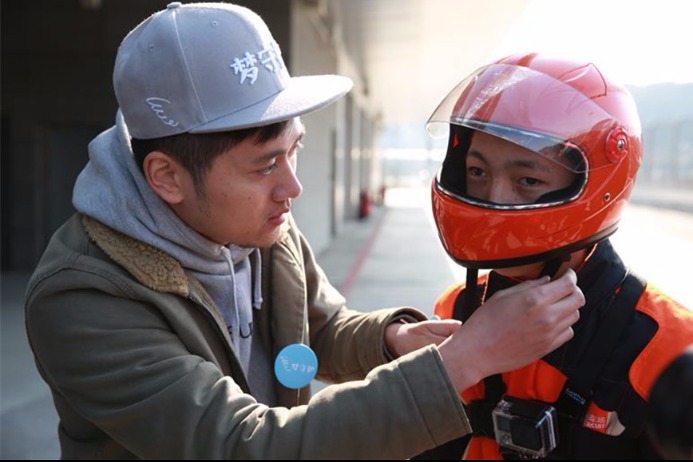
Yang Tao’s path to this extraordinary day has been fraught with challenges. Since birth, he has endured convulsions approximately every four days, a relentless neurological battle that has profoundly shaped his young life. The constant threat of seizures necessitates him wearing a protective helmet at all times, a visible reminder of his vulnerability and the ever-present need for caution. This pervasive condition has not only impacted his physical safety but also significantly altered his social and educational development. He was compelled to withdraw from school in the third grade of primary school, an unfortunate reality for many children globally who grapple with chronic health issues that disrupt conventional learning environments. Consequently, Yang Tao has often found himself isolated, rarely engaging in play with other children and primarily confined to his home.
Despite these formidable obstacles, Yang Tao nurtured an ardent passion for cars from a very young age. This fascination transcended mere interest; it evolved into a fervent dream of racing, a desire that burned brightly even amidst the gloom of his medical struggles. For many children facing chronic illnesses, such dreams serve as vital lifelines, offering a psychological refuge and a powerful source of motivation. Yang’s love for the speed, design, and mechanics of automobiles provided a window into a world of excitement and possibility, a stark contrast to the often restrictive reality of his condition. This enduring dream became the catalyst for the extraordinary intervention by Childream.
Childream NGO: Championing Spiritual Support
The realization of Yang Tao’s dream was spearheaded by Childream, a non-governmental organization based in Hangzhou, Zhejiang province. Childream operates with a distinctive philosophy, as articulated by Xu Wenjun, a representative from the organization. "Many NGOs offer financial aid to help children who are critically ill," Xu explained, "but we feel it is equally important to give them spiritual support." This statement underscores Childream’s unique approach, recognizing that while financial assistance is crucial for medical treatments and basic needs, the psychological and emotional well-being of critically ill children is just as vital. Hope, joy, and the fulfillment of personal aspirations can have a profound impact on a child’s resilience, outlook, and even their physical recovery.
Upon learning about Yang Tao’s ambition, Childream embarked on an intensive three-month planning phase to transform his dream into reality. This process involved significant logistical coordination, meticulous safety assessments, and securing access to a professional racing facility. Arranging such an event for a minor with a chronic medical condition like epilepsy requires careful consideration of every detail, from medical supervision on site to ensuring that the experience itself is safe and beneficial. The collaboration with the Zhejiang Circuit, a premier motorsport venue, was pivotal, demonstrating the willingness of various entities to come together for a philanthropic cause. Childream’s operational model likely relies on a network of volunteers, donors, and partnerships with local institutions, allowing them to identify children in need and orchestrate complex wish-granting initiatives. Their focus on the holistic well-being of children, extending beyond purely material support, sets a compelling precedent for charitable endeavors in the region.
The Silent Battle: Understanding Epilepsy in China

Yang Tao’s story brings into sharp focus the realities of living with epilepsy, a chronic noncommunicable neurological disease affecting people of all ages. Globally, approximately 50 million people have epilepsy, making it one of the most common neurological diseases worldwide. In China, the prevalence of epilepsy is significant, with millions affected, and a substantial proportion being children. The condition is characterized by recurrent seizures, which are brief episodes of involuntary movement that may involve a part of the body (partial) or the entire body (generalized) and are sometimes accompanied by loss of consciousness and bowel or bladder control. The frequency and severity of these seizures, as experienced by Yang Tao, can severely impair daily life, education, and social integration.
Children with epilepsy often face a unique set of challenges. Beyond the direct medical aspects, they frequently encounter social stigma, discrimination, and misconceptions. This can lead to isolation, bullying, and difficulties in forming friendships, exacerbating the psychological toll of the disease. Educational attainment can be severely impacted, as evidenced by Yang Tao dropping out of school. Schools may lack the resources or trained personnel to adequately support epileptic students, and the unpredictable nature of seizures can disrupt learning environments. Furthermore, the constant vigilance required from parents and caregivers can be emotionally and financially draining.
Over recent decades, China has made considerable strides in improving healthcare access and managing chronic diseases. Efforts have been directed towards enhancing neurological care, increasing public awareness, and reducing the stigma associated with conditions like epilepsy. However, gaps remain, particularly in rural or less developed areas, where access to specialized care and comprehensive support services may be limited. NGOs like Childream play a crucial role in bridging these gaps, offering supplementary support that extends beyond the traditional medical framework to address the holistic needs of affected individuals and their families.
A Global Perspective on Wish-Granting
The concept of wish-granting for critically ill children is not unique to Childream or China; it is a globally recognized form of therapeutic intervention. Organizations such as the Make-A-Wish Foundation, which originated in the United States and now operates worldwide, have long championed the idea that fulfilling a child’s most cherished wish can provide profound psychological and even physical benefits. Research and anecdotal evidence consistently suggest that such experiences can infuse children with renewed hope, boost their self-esteem, provide a sense of control, and offer a much-needed distraction from the rigors of medical treatments.
For children like Yang Tao, who face long-term battles with their health, these moments of pure joy and accomplishment are invaluable. They offer a psychological anchor, a positive memory to draw upon during difficult times, and a powerful reminder that their dreams are valid and achievable. The act of planning, anticipating, and finally experiencing their wish can foster resilience, encourage positive coping mechanisms, and significantly improve their overall quality of life. Childream’s emphasis on "spiritual support" aligns perfectly with this global understanding of the therapeutic power of wish fulfillment, highlighting the universal need for emotional nourishment alongside physical care.

Voices of Support and Gratitude
While the original report did not detail reactions from all parties, it is highly plausible to infer the profound impact the event had on those involved. Yang Tao’s parents, who have undoubtedly carried the immense burden of their son’s condition for 14 years, would have experienced overwhelming relief and gratitude. Witnessing their child, often confined and vulnerable, experience such unbridled joy and freedom would be a moment of immense emotional significance, offering a rare glimpse of a life unhindered by illness. They likely expressed deep appreciation for Childream’s initiative, noting how the experience reignited a spark in their son’s life and offered a beacon of hope for his future.
From the perspective of the racing community, individuals like Jiang Tengyi and Han Han, whose names are associated with the car Yang Tao rode, would likely find such an event deeply moving. Professional drivers often speak of their passion for motorsport as a source of inspiration and challenge. To share this passion with a young boy battling a severe illness, and to witness the pure joy it brings, would undoubtedly be a humbling and rewarding experience, reinforcing the idea that racing can transcend competition to inspire and uplift. The management of Zhejiang Circuit, by facilitating the event, showcased a commitment to community engagement and corporate social responsibility, demonstrating that their state-of-the-art facility can serve purposes beyond professional racing. Medical professionals, while emphasizing the critical importance of safety protocols for individuals with epilepsy, would likely commend the positive psychological impact of such an experience, acknowledging the holistic benefits of emotional well-being in managing chronic conditions.
The Broader Implications: A Beacon of Hope
Yang Tao’s experience, orchestrated by Childream, carries significant broader implications. Firstly, for Yang Tao himself, this singular event could serve as a powerful psychological catalyst. The memory of "flying" at 210 km/h is likely to provide an enduring source of strength and motivation, potentially fostering a renewed sense of purpose and self-worth. It demonstrates that despite his epilepsy, extraordinary experiences are not beyond his reach, encouraging him to pursue other passions and perhaps even to envision a future where his condition does not define his limitations.
Secondly, Childream’s success in this endeavor validates its unique model of prioritizing spiritual and emotional support. This case study can serve as an inspiring example for other NGOs, both within China and internationally, encouraging them to broaden their scope beyond purely material aid and to consider the profound impact of wish-granting and emotional well-being on critically ill children. It highlights the potential for innovative approaches in philanthropy and social welfare.

Thirdly, the story contributes significantly to raising public awareness about epilepsy and the challenges faced by children with chronic illnesses. By bringing Yang Tao’s story into the public eye, it helps to demystify epilepsy, reduce stigma, and foster greater empathy and understanding within society. It underscores the importance of inclusive communities that support and accommodate individuals with special needs, recognizing their inherent worth and potential.
Finally, this event reflects the evolving landscape of social welfare and philanthropy in China. The increasing role of NGOs, often working in conjunction with local authorities and private enterprises, signifies a growing societal commitment to addressing diverse social needs. It showcases the power of collaboration and the profound impact that individual and collective acts of compassion can have in transforming lives. The heartwarming story of Yang Tao and Childream stands as a powerful testament to human resilience, the enduring power of dreams, and the transformative potential of compassionate action in a world often marked by hardship.

 Evan Lee Salim
 Jia Lissa