Iffa Jayyana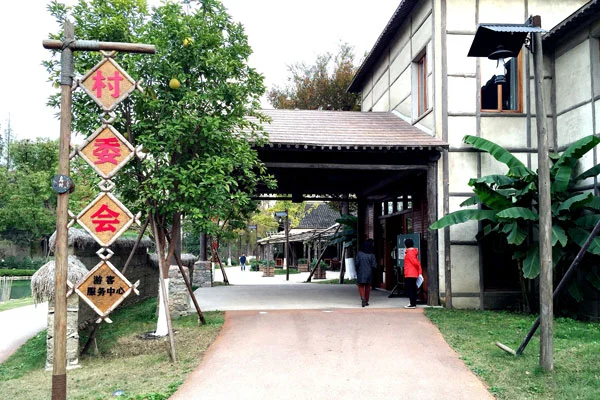
Wucun village, a picturesque destination in Zhejiang province renowned for its serene agrarian landscapes and traditional white-walled farmhouses, has unveiled a new culture center that is significantly amplifying its appeal to tourists, particularly families. Since its opening in July, the center has become a vibrant hub of activity, offering a diverse array of engaging programs designed to immerse visitors in both the historical charm of rural life and contemporary interactive experiences. This initiative represents a strategic effort to further solidify Wucun’s position as a premier tourism hot spot within the globally recognized Wuzhen water town area.
A New Chapter in Wucun’s Pastoral Charm
The introduction of the Wucun Culture Center marks a pivotal moment in the village’s evolution as a tourist destination. Wucun, which opened its doors to the public at the beginning of 2016, was initially conceived to showcase the tranquility and authentic beauty of pastoral life. Nestled in close proximity to the historic Grand Canal, a waterway that historically linked the imperial capital of Beijing to the provincial capital of Hangzhou, Wucun offers a unique blend of natural beauty and historical significance. The addition of the culture center, however, injects a new layer of dynamism into this established appeal.
According to Zhong Ying, an official from Wucun, the center has been instrumental in "spicing up what Wucun already has and attracted more visitors." This sentiment underscores the strategic intent behind the center’s development: to build upon the existing strengths of Wucun and enhance its attractiveness to a broader audience. The focus on parent-child experiences suggests a keen understanding of contemporary tourism trends, where families increasingly seek destinations that offer educational, engaging, and bonding opportunities.
A Blend of Nostalgia and Modern Engagement
The core offerings of the Wucun Culture Center are designed to bridge generational divides and provide a rich tapestry of experiences. Central to its appeal are the parent-child programs, which encompass a wide spectrum of activities. These include hands-on sessions in baking, creative engagement with Lego blocks, artistic endeavors, culinary exploration, and even the adventurous pursuit of rock climbing.
A particularly resonant aspect of the center’s programming is its deliberate inclusion of activities that allow children to connect with the games and toys that were popular among their parents and even grandparents. This nostalgic element is a powerful draw, offering a unique opportunity for intergenerational learning and shared memories. It taps into a growing desire among parents to expose their children to simpler, more traditional forms of play and engagement, fostering a deeper appreciation for the past.
Driving Tourism Growth and Visitor Engagement
The impact of the culture center on Wucun’s tourism landscape has been demonstrably positive. Zhong Ying notes that the center has "attracted more visitors," a claim substantiated by significant visitor growth figures. The village experienced a remarkable surge in visitor numbers in August, with a 150 percent increase compared to the preceding month of July. This rapid growth trajectory indicates the immediate and substantial impact of the center’s offerings.
This surge in attendance was partly fueled by a month-long children’s festival held in Wucun in August. The festival provided an immersive experience for young visitors, allowing them to engage in a variety of traditional rural activities. These included planting and harvesting vegetables, fishing in the village ponds, picking fresh fruits directly from the trees, and experiencing life in traditional rural courtyards. Such authentic, hands-on engagements are precisely what Wucun aims to provide, and the festival served as a highly successful platform for showcasing these opportunities.
Popular Programs and Their Appeal
Within the culture center, certain programs have emerged as particularly popular. Western pastry baking, a hands-on and rewarding activity, consistently draws crowds. Similarly, art projects such as crochet and plaiting rattan have garnered significant interest. These crafts not only offer a creative outlet but also connect participants with traditional artisanal skills.
Zhong Ying highlights the highly interactive nature of these activities, emphasizing that they "bring parents and their children closer to each other." This focus on fostering family bonds is a key differentiator for Wucun’s tourism strategy. In an era where screen time often dominates, these programs offer a welcome opportunity for genuine, shared experiences and collaborative learning.
The operational structure of these classes is also noteworthy. Most classes are fully booked during peak tourism seasons, indicating strong demand. Each session typically lasts between 45 and 60 minutes and can accommodate up to 20 participants, ensuring a focused and engaging experience for all. The popularity of these sessions means that advance booking is often necessary, particularly during weekends when travelers from nearby Shanghai and Zhejiang’s capital, Hangzhou, frequently visit.
Contextualizing Wucun’s Development within Zhejiang’s Tourism Ecosystem
Wucun’s strategic location within the Wuzhen water town area is a significant advantage. Wuzhen is one of China’s most celebrated ancient water towns, attracting millions of domestic and international tourists annually. By integrating Wucun and its culture center into the broader Wuzhen tourism circuit, Wucun benefits from the established reputation and extensive visitor base of its more famous neighbor.
The development of Wucun as a rural tourism destination is also part of a larger provincial strategy in Zhejiang to diversify its tourism offerings and promote sustainable rural development. Zhejiang province has been actively investing in rural tourism initiatives, aiming to leverage its rich cultural heritage and natural landscapes to create unique visitor experiences. The success of Wucun can serve as a model for other villages seeking to capitalize on their local assets.
Data-Driven Insights into Visitor Trends
While specific visitor demographics beyond "family visitors" are not detailed, the strong performance in August, with a 150% increase in visitor numbers from July, suggests a significant uptick in overall attendance. This growth can be attributed to a confluence of factors: the novelty of the culture center, the appeal of the August children’s festival, and the continued allure of Wucun’s pastoral setting.
The preference for interactive activities like baking and crafts points to a demographic that values experiential tourism. These are not passive observers but active participants seeking to learn, create, and connect. The fact that classes are booked in advance and accommodate groups of 20 suggests a well-managed flow of visitors and a consistent demand for these specific experiences.
The mention of travelers from Shanghai and Hangzhou highlights the importance of accessible day-trip and weekend destinations for urban populations. These cities are major economic and demographic centers, and their residents represent a crucial segment of the domestic tourism market. Wucun’s proximity and engaging offerings make it an attractive option for short breaks.
Broader Implications and Future Outlook
The success of Wucun’s culture center has several broader implications for rural tourism development in China. Firstly, it demonstrates the effectiveness of integrating modern, interactive attractions with traditional rural charm. This hybrid approach can appeal to a wider range of visitors than a purely heritage-focused or purely activity-based destination.
Secondly, the emphasis on family-oriented programming aligns with evolving consumer preferences. As families seek more quality time together and educational opportunities for their children, destinations that cater to these needs are likely to thrive. The focus on intergenerational activities is particularly noteworthy, addressing a societal trend of reconnecting with heritage and family roots.
Thirdly, the strategic positioning within a larger, established tourism area like Wuzhen provides a valuable lesson in destination synergy. Wucun is not competing with Wuzhen but rather complementing it, offering a different yet related experience that enhances the overall appeal of the region.
Looking ahead, Wucun is well-positioned to continue its growth. The sustained demand for its cultural programs, coupled with the village’s inherent natural beauty and historical context, suggests a promising future. Further development could involve expanding the range of traditional crafts, introducing more educational workshops on local agriculture, or developing themed events that celebrate Zhejiang’s rich cultural heritage. The positive feedback and visitor numbers are strong indicators that the Wucun Culture Center has successfully added a new, vibrant dimension to the village’s enduring appeal, solidifying its place as a must-visit destination for those seeking authentic rural experiences blended with engaging modern activities.

 Asep Darmawan
 Rifan Muazin