Ammar Sabilarrohman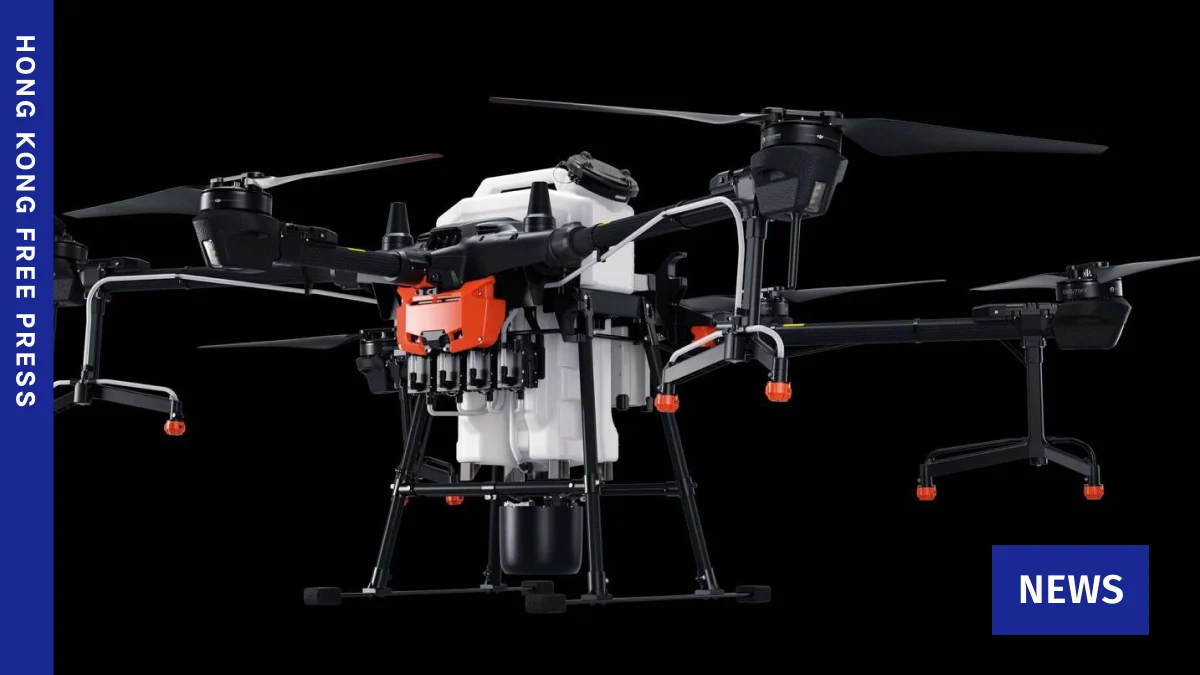
China has announced significant restrictions on drone exports to the United States and concurrently blacklisted six American companies, marking a decisive escalation in the ongoing trade dispute between the world’s two largest economies. The measures, revealed on Wednesday by Beijing, are presented as direct countermeasures to a series of recent trade sanctions imposed by Washington, which cite concerns over alleged forced labor practices and national security. This latest development underscores a deepening rift that threatens to unravel previous attempts at trade truces and reshape global supply chains.
The retaliatory actions by Beijing come just days after the United States implemented fresh tariffs not only on Chinese goods but also on imports from 59 other countries, further intensifying a period of heightened economic protectionism. China’s Ministry of Commerce issued a strong statement, asserting that the U.S. actions "seriously harm China’s legitimate rights and interests" and necessitate a firm response. "China can only take necessary countermeasures in response, including strengthening export controls on drones, and their key components and technology to the US," a ministry spokesperson declared.
Background to the Escalation: A Tit-for-Tat Dynamic

The current surge in trade hostilities is rooted in a complex interplay of economic, technological, and human rights issues that have long strained U.S.-China relations. Washington’s stated rationale for its recent sanctions primarily revolves around concerns over national security risks posed by Chinese technology and allegations of forced labor, particularly targeting the Uyghur Muslim minority in China’s Xinjiang region. The Uyghur Forced Labor Prevention Act (UFLPA), enacted by the U.S., presumes that all goods produced wholly or in part in Xinjiang are made with forced labor and are thus prohibited from entering the U.S. market, unless proven otherwise. This legislative framework has been a significant driver of U.S. import restrictions and sanctions on Chinese entities.
Beyond human rights, the U.S. has also voiced increasing apprehension over China’s rapid advancements in critical technologies and its potential military applications, leading to export controls and restrictions on Chinese tech companies. This fear of technological dominance and potential dual-use capabilities—where commercial technology could serve military purposes—has fueled a broader strategy of "de-risking" or "decoupling" from China in sensitive sectors.
China, in turn, views these U.S. measures as an attempt to stifle its economic growth, contain its technological progress, and interfere in its internal affairs. Beijing consistently denies all allegations of forced labor in Xinjiang, portraying its policies in the region as aimed at poverty alleviation and combating extremism. It frames U.S. sanctions as politically motivated and protectionist, designed to undermine Chinese companies and maintain American technological supremacy.
Details of China’s Retaliatory Measures

Beijing’s comprehensive set of countermeasures extends beyond just drone exports and corporate blacklisting. The specific actions include:
-
Enhanced Drone Export Controls: China will now subject drones and their "key components and technology" destined for the U.S. to stricter export controls. This move is particularly significant given China’s dominant position in the global drone manufacturing market. Companies like DJI, a Chinese firm, hold a substantial share of the commercial and consumer drone market worldwide. These controls could impact various U.S. industries, including agriculture (precision farming), logistics (delivery services), infrastructure inspection, aerial photography, and even recreational use, as many rely on Chinese-made drone technology or components. The potential for such controls to affect U.S. defense contractors who might use commercial-off-the-shelf (COTS) Chinese drone technology for certain applications also raises national security implications for the U.S. itself.
-
Blacklisting of U.S. Companies: China has sanctioned six specific U.S. businesses. While the official statement named biotech company Applied DNA Sciences and geoscience research firm Stratum Reservoir, it indicated that four other entities were also included in the blacklist. The Commerce Ministry explicitly stated that these six entities "have assisted and supported illegal US sanctions related to Xinjiang; the nature of their actions is egregious." Consequently, organizations and individuals within China are now barred from "engaging in relevant transactions, cooperation, or other activities with them." Applied DNA Sciences is known for its DNA-based supply chain security solutions, which could be relevant in verifying product origins, including those related to Xinjiang. Stratum Reservoir provides geoscience data and analysis services, potentially interacting with global supply chains and resource verification. The blacklisting aims to sever their commercial ties and operational capabilities within China or with Chinese partners, impacting their global business reach.
-
Suspension of Factory Inspections: Beijing is suspending factory follow-up inspections by Chinese certification bodies. This could create significant hurdles for U.S. companies requiring such certifications for their products manufactured in China or for compliance with Chinese market standards. It adds an additional layer of regulatory uncertainty and operational difficulty for businesses reliant on smooth certification processes.

-
Blacklisting U.S. Compliance Testing Companies: China is also blacklisting U.S. companies involved in compliance testing. This move directly targets the infrastructure that U.S. firms use to ensure their products meet various standards, including those related to environmental, safety, or quality regulations, often critical for international trade. By hindering compliance testing, China could indirectly make it more difficult for U.S. products to meet market entry requirements or maintain operational integrity.
-
National Security Investigations into Imports: The ministry announced the launch of national security investigations into imports of office printers and copiers. This signals a broader intent to scrutinize U.S. technology imports under the guise of national security, mirroring the U.S.’s own rationale for restricting Chinese tech. Such investigations could lead to delays, increased costs, or even bans on these products, impacting U.S. manufacturers and Chinese consumers/businesses that rely on them.
The Xinjiang Conundrum: A Geopolitical Flashpoint
The reference to Xinjiang in China’s justification for sanctioning U.S. companies highlights the enduring and contentious nature of this issue in U.S.-China relations. International bodies, including the United Nations, have expressed grave concerns over reports of widespread human rights abuses in Xinjiang, including mass arbitrary detention, forced labor, and cultural repression targeting the predominantly Muslim Uyghur minority. A UN report in 2022 stated that "serious human rights violations" had been committed in Xinjiang, concluding that these "may constitute international crimes, in particular crimes against humanity." Human rights organizations and some Western governments have also labeled China’s actions as genocide, a claim vehemently denied by Beijing.

China maintains that its policies in Xinjiang are necessary for counter-terrorism and de-radicalization, asserting that vocational training centers provide education and job skills, not forced labor. Despite these denials, the allegations have prompted numerous sanctions from the U.S. and its allies, leading to a significant chill in economic and diplomatic relations. By sanctioning companies for "assisting and supporting illegal U.S. sanctions related to Xinjiang," China is sending a clear message that it will actively retaliate against any entity perceived to be undermining its sovereignty or economic interests on this highly sensitive issue.
A Chronology of Mounting Tensions
The current trade skirmish is not an isolated incident but rather the latest chapter in a protracted period of economic friction between the U.S. and China.
- 2018-2020: The Initial Trade War: Under the Trump administration, the U.S. initiated a sweeping trade war, imposing tariffs on hundreds of billions of dollars worth of Chinese goods. China retaliated with its own tariffs, leading to significant disruption in global supply chains and economic uncertainty.
- October [Year]: A Brief Truce: Following intense negotiations, then-U.S. President Donald Trump and Chinese President Xi Jinping reached a "Phase One" trade deal in October of the preceding year (implied 2025 given the article’s context), which eased some tariffs in exchange for China committing to increase purchases of U.S. agricultural products and other goods. This agreement offered a temporary reprieve from the escalating tensions.
- Last Week [Implied Early 2026]: U.S. Robot Import Ban: Washington banned imports of humanoid and quadruped robots manufactured abroad, a move that China quickly criticized as an attempt to "suppress" its companies and technology. This action, separate from the broader tariffs, signaled a continued U.S. focus on restricting Chinese technological advancement.
- Days Ago [Implied Early 2026]: New U.S. Tariffs: The United States imposed fresh tariffs on China and 59 other countries, reigniting fears of a global trade war and putting immense pressure on the fragile truce established earlier.
- Wednesday [Current Article’s Date]: China’s Retaliation: Beijing announces its drone export restrictions and sanctions on U.S. companies, directly responding to the recent U.S. measures and explicitly citing the Xinjiang-related sanctions.
Official Reactions and Broader Implications

The diplomatic channels remain active, albeit strained. State news agency Xinhua reported that China’s top trade official, He Lifeng, conveyed "serious concern" regarding the recent U.S. restrictions to U.S. Trade Representative Jamieson Greer during a recent call. While details of Greer’s response were not immediately available, Washington is expected to defend its actions as necessary to protect national security and uphold human rights, likely expressing disappointment at China’s retaliatory steps.
The implications of China’s latest actions are far-reaching:
- Global Supply Chains: The drone export controls and investigations into other tech imports could further fragment global supply chains, forcing companies to re-evaluate their manufacturing and sourcing strategies. This could lead to increased costs, reduced efficiency, and greater reliance on domestic or allied production, a trend consistent with "de-risking."
- Technological Rivalry: The focus on drones and other tech components underscores the intensifying technological rivalry. Both nations are increasingly weaponizing their technological strengths and market access to gain strategic advantage, potentially leading to a bifurcation of global tech standards and ecosystems.
- Economic Impact: U.S. companies reliant on Chinese drone technology or components will need to find alternative suppliers, which could be costly and time-consuming. Conversely, the blacklisted U.S. firms will face significant business disruption in China. The broader tariffs, combined with these new restrictions, could dampen global trade volumes and impact economic growth forecasts.
- Geopolitical Ramifications: The escalating trade war adds another layer of complexity to already tense U.S.-China relations, affecting areas such as climate change cooperation, regional security, and global governance. It also puts pressure on other nations, forcing them to navigate allegiances and potential economic fallout from the rivalry between the two superpowers.
- Future of Trade Relations: The "truce" achieved last October appears increasingly tenuous. With both sides demonstrating a willingness to impose punitive measures, the prospect of a more comprehensive trade agreement seems distant. The current trajectory suggests a continued cycle of retaliatory actions, making the future of U.S.-China trade relations highly uncertain and unpredictable.
In conclusion, China’s decision to restrict drone exports and sanction U.S. companies marks a significant escalation in its economic confrontation with the United States. Driven by deep-seated disagreements over trade practices, technological supremacy, and human rights, this tit-for-tat dynamic threatens to further destabilize the global economy and reshape the landscape of international trade for years to come. The world watches closely as these two economic giants continue to navigate a path fraught with mutual suspicion and strategic competition.


 Nana Wu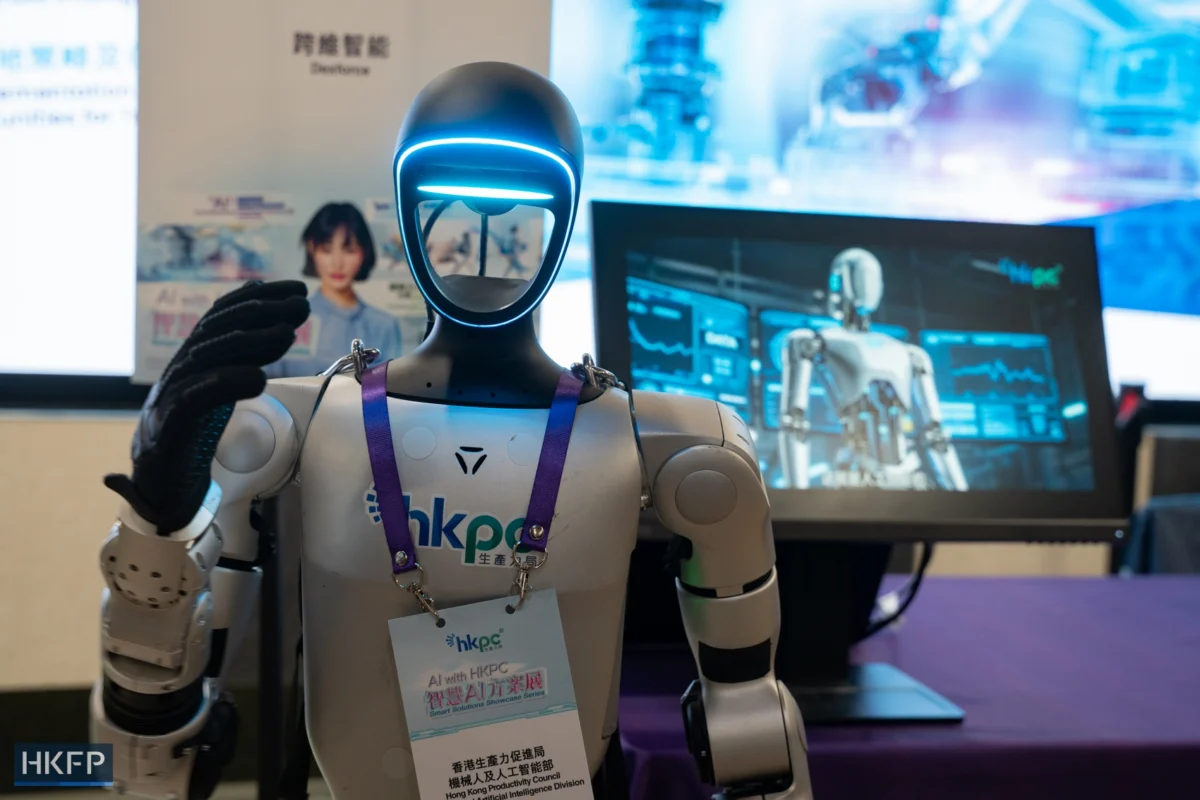
 Lina Hope