Evan Lee Salim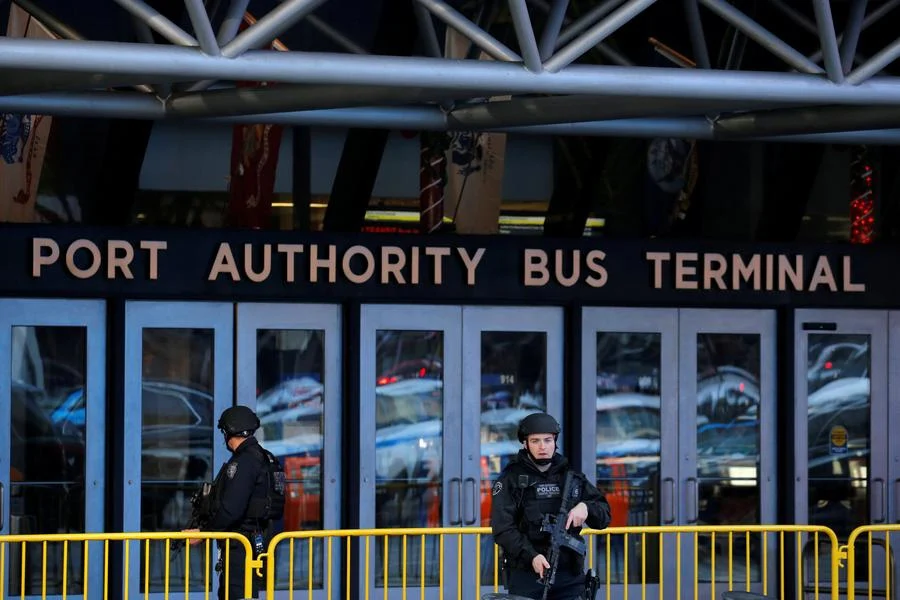
A calculated act of terror aimed at New York City’s bustling heart was thwarted Monday morning when a homemade explosive device partially detonated in a subway passageway beneath Midtown Manhattan, critically injuring the perpetrator and sending shockwaves of fear and disruption through the city’s busiest transit hub. The incident, which occurred during the peak of the morning rush hour, underscored the persistent threat of terrorism and highlighted the city’s vulnerability, even as authorities lauded the swift response that prevented further casualties.
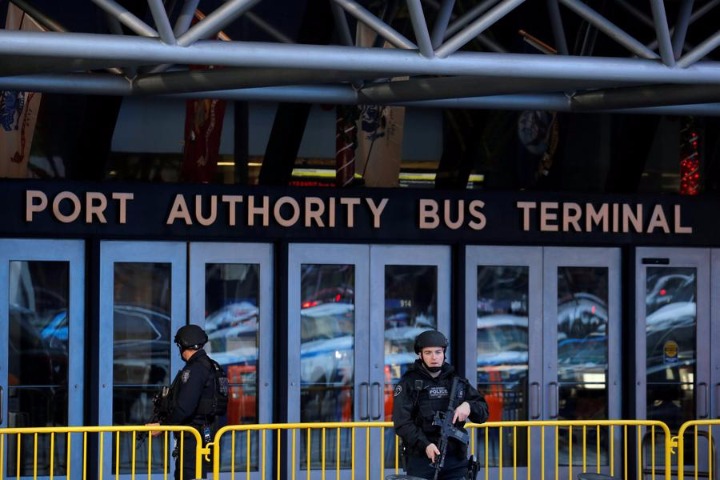
The explosion took place at approximately 7:20 a.m. in a pedestrian tunnel connecting Times Square with the Port Authority Bus Terminal, a nexus of transportation serving millions of commuters daily. The alleged bomber, identified by law enforcement officials as Akayed Ullah, a 27-year-old Bangladeshi national residing in Brooklyn, sustained severe injuries from the blast. Three other individuals, two commuters and a Port Authority police officer, sustained non-life-threatening injuries.
Chronology of a Terrifying Morning
The sequence of events unfolded rapidly on December 11, 2017, as New Yorkers navigated their daily commutes.
- 7:20 AM: A sudden, forceful explosion reverberated through the subway passage, a subterranean artery vital to the city’s infrastructure. The blast, described by witnesses as a muffled boom followed by smoke and panic, immediately triggered an emergency response.
- Immediate Aftermath: Commuters, caught off guard and disoriented, fled the scene, creating a chaotic exodus from the affected area. Port Authority police officers and other first responders were quickly on the scene, initiating security protocols and attending to the injured.
- Suspect Apprehended: Authorities identified and apprehended the alleged bomber, Akayed Ullah, who was found with the remnants of the explosive device still attached to his person. He was transported to Bellevue Hospital Center in serious condition.
- Investigation Launched: Federal and local law enforcement agencies, including the NYPD, FBI, and the Department of Homeland Security, immediately launched a full-scale investigation into the incident, treating it as an attempted terrorist attack.
- Official Briefings: Mayor Bill de Blasio and Governor Andrew Cuomo held press conferences to provide updates on the situation, reassure the public, and condemn the act of violence.
The Device and the Perpetrator
According to law enforcement officials, the device was a crudely constructed pipe bomb, affixed to Ullah’s body with Velcro and zip ties. The fact that it detonated prematurely and only partially suggested a lack of sophistication or a malfunction, preventing a potentially far more devastating outcome. The materials used, while not overly complex, were sufficient to cause significant harm.
Akayed Ullah, the alleged perpetrator, was reportedly a resident of Brooklyn, having emigrated from Bangladesh. His background and any potential ties to extremist ideologies were immediately scrutinized by investigators. Preliminary reports indicated that Ullah may have been inspired by extremist propaganda, a common modus operandi for individuals seeking to carry out attacks in Western countries. The investigation into his motives, associations, and any potential accomplices was ongoing.

Impact on the City’s Lifeline
The explosion sent shockwaves of fear and disruption through Manhattan’s core. The Port Authority Bus Terminal, one of the busiest transportation hubs in the United States, handles an estimated 250,000 passengers daily, with millions more passing through the surrounding subway stations. The incident forced the immediate closure of multiple subway lines and the terminal itself, paralyzing a critical artery of the city.
Commuters were evacuated, and surrounding streets were cordoned off, leading to significant traffic delays and widespread inconvenience. The psychological impact on New Yorkers, who have become accustomed to the specter of terrorism since the 9/11 attacks, was palpable. The incident served as a stark reminder that the city, despite its resilience, remains a potential target.
Monica Gannon, a commuter who had planned to take a bus to New Jersey at the time of the explosion, expressed her relief at having been delayed. "I’m glad I wasn’t there," she stated, her voice tinged with apprehension. "We were supposed to take a bus out at the time (when the accident happened), so I’m glad we waited. We are stuck here. Now we are waiting for all this to be over and go back home."

Another commuter, Alicia Carmona, recounted her terrifying experience of being evacuated from the terminal. "It was terrible, and I was so scared when I saw some people running," she said. Carmona, who had been waiting outside the bus terminal for approximately two hours after her evacuation, described how the incident disrupted her plans to pick up her niece from LaGuardia Airport. "I was thinking to take the subway instead, but the nearby subway stations are closed too." The cascading effects of the disruption underscored the interconnectedness of the city’s transportation network and its vulnerability to such attacks.
Official Responses and Statements
The swift and coordinated response from law enforcement and emergency services was widely praised. Mayor Bill de Blasio, speaking at a press conference shortly after the incident, unequivocally labeled the blast as an "attempted terrorist attack." He emphasized the city’s resolve and its commitment to remaining a symbol of freedom and diversity.
"Our lives revolve around the subway," Mayor de Blasio stated, his voice firm. "The choice of New York is always for a reason, because we are beacons of the world. And we show that a society of many backgrounds and many faiths can work. The terrorists want to undermine that. They yearn to attack New York City."

Governor Andrew Cuomo echoed the Mayor’s sentiments, highlighting the dedication of the first responders. "This was an attempted terrorist attack," Governor Cuomo said. "Thank God for the actions of the NYPD, who apprehended the suspect and prevented this from becoming a larger tragedy. We will not be intimidated." He also emphasized the importance of continued vigilance and cooperation between federal and local agencies.
The incident triggered a heightened state of alert across the city, with increased security measures implemented at transportation hubs and other public spaces. The FBI and Department of Homeland Security immediately initiated their protocols for investigating domestic terrorism, working closely with the NYPD to gather intelligence and assess any further threats.
Broader Implications and Analysis
The attempted bombing at the Port Authority Bus Terminal served as a chilling reminder of the persistent threat of terrorism in major urban centers. While the device was rudimentary and its impact limited, the intent was clear: to sow fear and disrupt the fabric of daily life in one of the world’s most iconic cities.

The choice of location, a critical transit hub, was strategic. Attacks on public transportation systems have been a hallmark of terrorist groups globally, aiming to maximize casualties and widespread panic. The fact that the device detonated prematurely, potentially due to a technical failure or the perpetrator’s own inexperience, likely prevented a far greater catastrophe.
This incident underscored several key points:
- The Evolving Threat Landscape: While large-scale, coordinated attacks may be more difficult to execute, the threat of "lone wolf" attackers or individuals inspired by extremist ideologies remains significant. These individuals may utilize readily available materials to construct improvised explosive devices (IEDs).
- The Resilience of New York City: New York has a history of confronting and overcoming acts of terrorism. The city’s response, characterized by a swift security response and resolute public statements, demonstrated its enduring strength and determination to resist intimidation.
- The Importance of Vigilance: The incident reinforced the critical need for public awareness and vigilance. Eyewitness accounts and the reporting of suspicious activity can play a crucial role in preventing attacks.
- The Role of Technology and Intelligence: The ability of law enforcement to quickly identify and apprehend the suspect highlights the importance of intelligence gathering, surveillance, and inter-agency cooperation in combating terrorism.
The investigation into Akayed Ullah’s background, motives, and any potential connections to extremist groups would be crucial in understanding the broader context of the attack and identifying any patterns that could help prevent future incidents. The incident also raised questions about immigration policies and the screening processes for individuals entering the country, particularly in light of Ullah’s Bangladeshi origin.
In the aftermath, New York City, while shaken, demonstrated its characteristic resilience. The city’s diverse population and its unwavering commitment to its values are its greatest strengths, and these were on full display in the wake of the attempted attack. The incident served as a somber reminder of the ongoing battle against terrorism, but also as a testament to the enduring spirit of a city that refuses to be cowed by violence. The investigation continued, with authorities determined to ensure that those responsible were brought to justice and that the city remained secure.


 Nana Wu
 Suro Senen