Ammar Sabilarrohman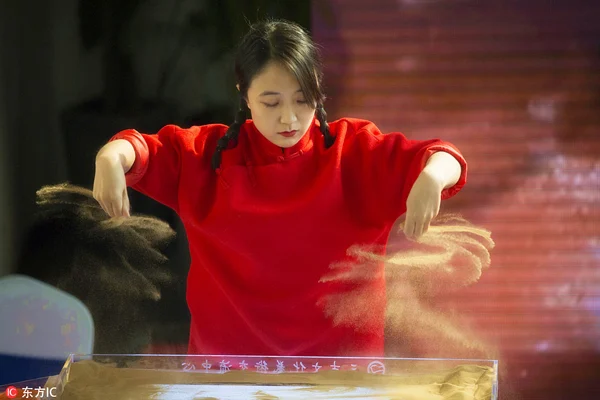
Nanjing, China – December 3, 2017, marked a significant cultural milestone for Nanjing as the city hosted its inaugural International Sand Painting Competition, a captivating event that celebrated the art form of "art on the fingertips" and showcased themes of idyllic life. The competition, which drew over one hundred registered artists and culminated with fifty sand painting virtuosos gracing the final stage, transformed the Jiangsu provincial capital into a vibrant hub of artistic expression and cross-cultural exchange. The event not only highlighted the unique ephemeral beauty of sand art but also provided a platform for artists to explore and interpret the concept of serene and harmonious living through their luminous creations.
The Genesis of a Unique Art Form
Sand painting, often described as "art on the fingertips," is a mesmerizing performance art where artists skillfully manipulate grains of sand on a light-permeated surface. The interplay of light, shadow, and the transient nature of sand creates dynamic and evocative imagery, often accompanied by music and narrative elements. This ancient art form, with roots tracing back to various cultures, has seen a resurgence in contemporary times, evolving into a sophisticated medium capable of conveying complex emotions and narratives. The choice of "idyllic life" as the central theme for this competition resonated deeply, offering artists a canvas to depict pastoral scenes, harmonious communities, personal tranquility, and the beauty of nature – elements that hold universal appeal.
A Journey from Registration to Revelation
The journey to the Nanjing International Sand Painting Competition began in September, when organizers officially opened registration. The overwhelming response, with over one hundred artists signifying their interest, underscored the growing global fascination with sand painting. This initial phase was crucial in identifying a diverse pool of talent, ranging from established professionals to emerging artists, each bringing their unique perspectives and techniques to the fore.
The subsequent selection process, though not explicitly detailed, would have involved a rigorous evaluation of submitted portfolios or preliminary works to narrow down the field to the fifty finalists. This ensured that the competition showcased a high caliber of artistry, capable of delivering a truly memorable visual spectacle. The culmination of this preparatory period was the final competition held on December 3rd, where these fifty artists presented their meticulously crafted sand paintings, transforming the venue into a temporary gallery of luminous dreams.
A Feast for the Senses: The Competition Unfolds
The competition itself was a vibrant testament to the power of sand as an artistic medium. Each of the fifty finalists had the opportunity to present their interpretation of "idyllic life." This theme, broad yet profound, allowed for a wide spectrum of creative expression. Some artists likely focused on bucolic landscapes, depicting rolling hills, tranquil lakes, and quaint villages bathed in soft light. Others might have explored the idyllic aspects of human connection, portraying scenes of families gathered, communities working in harmony, or moments of quiet contemplation. The use of light, a fundamental element in sand painting, would have been crucial in shaping the mood and atmosphere of each piece, with artists employing subtle shifts in intensity and color to enhance the emotional impact.
The accompanying music and any spoken narratives would have further enriched the experience, weaving a tapestry of sound and light that brought the sand creations to life. The ephemeral nature of sand painting adds an inherent poignancy to the art form; the masterpieces, created with such skill and dedication, exist only for a fleeting moment before being swept away, leaving a lasting impression on the audience. This transient quality often imbues sand art with a sense of profound beauty and encourages viewers to appreciate the present moment.
Supporting Data and Broader Context
While specific attendance figures or economic impact data for this inaugural event were not immediately available, the successful staging of such a specialized international competition in Nanjing speaks to the city’s growing prominence as a cultural destination. Nanjing, the capital of Jiangsu province, boasts a rich historical legacy as one of China’s ancient capitals and is a significant center for education, research, and arts. Hosting international cultural events like the sand painting competition aligns with the city’s broader strategy to enhance its global profile and attract diverse forms of artistic talent and tourism.
The global sand art market, though niche, has seen steady growth, driven by its unique visual appeal and its presence in various entertainment and educational contexts. International festivals, art exhibitions, and online platforms dedicated to sand art contribute to its increasing visibility. The inclusion of "idyllic life" as a theme is particularly relevant in the contemporary world, where many seek solace and inspiration in concepts of simplicity, nature, and inner peace amidst the fast-paced modern lifestyle. This theme likely resonated with both the participating artists and the audience, offering a moment of reflection and escapism.
Inferred Reactions and Potential Impact
While direct quotes from organizers or participants were not included in the initial report, one can infer a sense of excitement and accomplishment from the event’s successful execution. Organizers would have likely been pleased with the high level of artistic talent displayed and the positive reception from attendees. For the participating artists, the competition provided an invaluable platform to showcase their skills on an international stage, gain recognition, and connect with fellow artists. The exposure to different interpretations of the "idyllic life" theme would have also been a source of inspiration and learning.
The broader impact of the Nanjing International Sand Painting Competition extends beyond the immediate artistic spectacle. Such events contribute to Nanjing’s cultural diversification and enhance its reputation as a city that embraces and promotes unique art forms. It could also foster greater understanding and appreciation for sand painting as a legitimate and powerful artistic discipline. Furthermore, by drawing artists and art enthusiasts from around the world, the competition contributes to cultural exchange and strengthens international ties. The event may also inspire future sand painting events in Nanjing and other cities, potentially creating a more robust ecosystem for this captivating art form.
A Look Ahead
The successful conclusion of Nanjing’s first International Sand Painting Competition featuring idyllic life marks a promising beginning for this art form in the city. The event’s ability to attract a significant number of international participants and showcase a high standard of artistry suggests a strong potential for its future growth and development. As sand painting continues to capture the imagination of audiences worldwide, Nanjing has positioned itself as a key player in celebrating and advancing this luminous and ephemeral art. Future iterations of the competition could potentially explore new themes, attract even larger numbers of international artists, and further solidify Nanjing’s status as a vibrant center for global cultural exchange. The art of sand painting, with its unique ability to transform simple grains into breathtaking narratives, has found a welcoming and appreciative home in Nanjing.

 Asep Darmawan
 Rifan Muazin