Basiran
China’s annual imports from the Yamal natural gas project, situated in the resource-rich Arctic region, are poised to significantly enhance the nation’s energy security through a sustained increase in natural gas supplies. This development comes at a critical juncture, as China, particularly its northern provinces, grapples with a severe shortage of natural gas. The first export cargo of 173,000 cubic meters of super-chilled liquefied natural gas (LNG) from the Yamal facility’s Arctic terminal over the weekend marked a pivotal moment, signaling the commencement of commercial operations for one of the world’s most ambitious energy projects.
Addressing China’s Urgent Energy Needs
The urgency for increased gas supplies in China is underscored by the nation’s aggressive "Blue Sky" policy, a nationwide initiative aimed at curbing air pollution by transitioning from coal-fired heating and industrial processes to cleaner-burning natural gas. This environmental mandate, while crucial for public health and climate goals, has inadvertently led to unprecedented demand spikes for natural gas, particularly during the harsh winter months. Cities across northern China have experienced disruptions, with reports of curtailed heating and industrial shutdowns due as local governments scramble to secure adequate supplies. This scenario highlights China’s vulnerability to supply fluctuations and the imperative for diversifying its energy import portfolio.
Jiang Qi, general manager of CNPC Russia, a subsidiary of China National Petroleum Corp (CNPC) — the country’s largest oil and gas producer by annual output and a key investor in the Yamal project — emphasized the strategic importance of these imports. "China’s imports from the Yamal project play a significant role in substantially boosting China’s oil and gas reserves, ensuring a steady, long-term supply," Jiang stated. When fully operational, China is expected to receive more than 4 million metric tons of LNG from Russia’s Yamal project each year, a volume critical for mitigating the domestic supply deficit.
The Yamal LNG Project: A Landmark Arctic Endeavor
The Yamal LNG project, spearheaded by Russia’s Novatek and located on the Yamal Peninsula in the Arctic Circle, represents a monumental engineering and logistical achievement. With an estimated cost of $27 billion, the project is designed to tap into the vast South Tambey gas field, which holds approximately 926 billion cubic meters of natural gas. The facility comprises three liquefaction trains, each with a capacity of 5.5 million tons per annum (mtpa), bringing the total planned production capacity to 16.5 mtpa. The harsh Arctic environment presents unique challenges, requiring specialized infrastructure, including ice-class LNG carriers, and innovative construction techniques to operate efficiently in temperatures plummeting to -50 degrees Celsius.
CNPC’s involvement in the project dates back to September 2013 when it acquired a 20 percent stake in the venture for $5.4 billion. Other major shareholders include Novatek (50.1 percent), Total (20 percent), and the Silk Road Fund (9.9 percent), reflecting a broad international collaboration. This multi-national partnership underscores the global strategic interest in developing Arctic energy resources and establishing new trade routes.
A Timeline of Strategic Cooperation
The Yamal LNG project is a testament to the deepening energy cooperation between China and Russia, a relationship that has evolved significantly over the past two decades.
- Early 2000s: Initial discussions on major energy pipelines between the two nations commence, driven by China’s burgeoning energy demand and Russia’s desire to diversify its export markets beyond Europe.
- 2009: The first Sino-Russian crude oil transmission pipeline (Skovorodino-Mohe) becomes operational, marking a concrete step in long-term energy collaboration.
- September 2013: CNPC formalizes its commitment to the Yamal LNG project by acquiring a 20 percent stake from Novatek. This investment was a cornerstone of Russia’s pivot to Asia following geopolitical shifts in its traditional European markets.
- May 2014: Russia’s Gazprom and CNPC sign a landmark 30-year, $400 billion gas supply deal for the Power of Siberia pipeline, further cementing the long-term strategic energy partnership. This parallel project emphasizes the scale of bilateral energy commitments.
- December 2014: Financial close for the Yamal LNG project is achieved, with significant contributions from Chinese financial institutions, including the China Development Bank and Export-Import Bank of China.
- 2015-2017: Intensive construction phases for the Yamal project, including the fabrication of modular components, many of which are undertaken by Chinese enterprises. Development of the specialized fleet of Arc7 ice-class LNG carriers progresses.
- December 2017: The first liquefaction train of the Yamal LNG project officially commences operations, and the first export cargo is loaded, marking the project’s entry into the global LNG market.
This chronology highlights a deliberate and sustained effort by both nations to build a robust energy framework, with Yamal LNG emerging as a critical component alongside the crude oil and natural gas pipelines currently in operation or under construction.
Beyond Energy: The Northeast Passage and Technological Advancement
The Yamal project’s significance extends beyond merely supplying natural gas. It is a catalyst for the development and increased utilization of the Northeast Passage, also known as the Northern Sea Route (NSR), an Arctic sea lane directly linking China and Europe. Jiang Qi noted, "The project also promotes the construction of the Northeast Passage in the Arctic Ocean, a sea route directly linking China and Europe." This route offers a significantly shorter transit time compared to the traditional Suez Canal route, potentially cutting voyage durations by up to 15 days for shipments between Asian and European ports.
As many as 54 freight vessels had already traversed the passage prior to the full operation of Yamal LNG, demonstrating its growing viability. With the project’s expansion and increased LNG exports, more specialized ice-class carriers are expected to utilize the NSR, further solidifying its economic appeal and "significantly lowering freight costs between China and Europe," according to Jiang. This strategic maritime route holds immense potential for global trade and logistics, offering a new dimension to connectivity between East and West.
Moreover, the Yamal project has been instrumental in fostering technological advancement and industrial expertise within China. Many Chinese shipyards and manufacturing enterprises have actively participated in the project, accumulating invaluable technology and experience in oil and gas exploration and development in the challenging Arctic region. Jiang highlighted that the Yamal project has "helped Chinese enterprises in the manufacturing sector gain experience and technology to work in Arctic region."
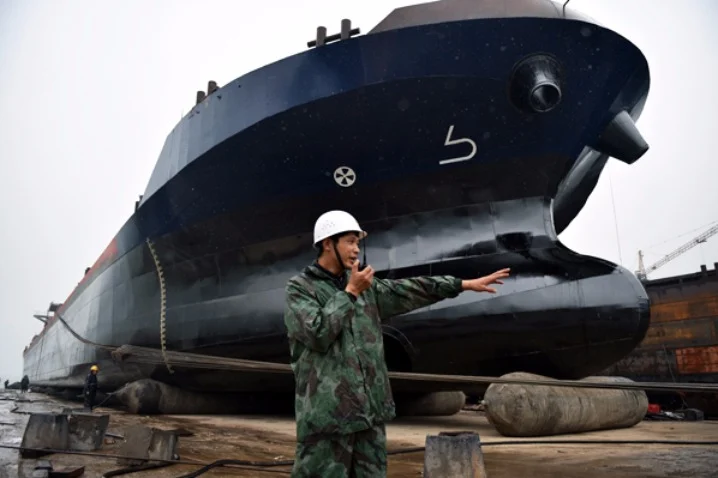
Specifically, Chinese enterprises were responsible for 85 percent of the project’s module construction, a complex process involving the fabrication of large components in controlled environments before transport and assembly on site. Furthermore, Chinese shipyards have built seven transport ships for the project, and Chinese entities are in charge of the operation of 14 out of the 15 specialized LNG carriers designed to navigate the icy Arctic waters. The scale of this involvement is substantial, with the contract amount for the project’s construction totaling $7.8 billion and the shipping contract amounting to $8.5 billion. This participation positions China as a significant player in Arctic industrial capabilities, a critical area for future resource development and trade.
Broader Implications and Future Outlook
The successful commissioning of Yamal LNG and its initial shipments to China carry multifaceted implications:
For China:
- Enhanced Energy Security: Diversifies gas sources away from traditional suppliers and transit routes, reducing reliance on pipeline gas from Central Asia and conventional LNG from the Middle East. This enhances geopolitical leverage and supply resilience.
- Cleaner Energy Transition: Provides a substantial volume of cleaner-burning fuel, supporting the national "Blue Sky" policy and efforts to reduce air pollution and carbon emissions from coal.
- Technological Leap: Advances China’s capabilities in Arctic engineering, shipbuilding, and logistics, fostering a new frontier for industrial development and expertise.
- Economic Benefits: Potential for reduced freight costs via the Northern Sea Route and strengthening of bilateral trade relations.
For Russia:
- Arctic Development: Solidifies Russia’s strategic ambitions in the Arctic, showcasing its ability to develop vast energy resources in extreme conditions.
- Market Diversification: Pivots gas exports towards fast-growing Asian markets, reducing dependence on the European market and enhancing Russia’s global energy market position.
- Geopolitical Alignment: Deepens the strategic partnership with China, creating a powerful energy and economic bloc.
- Technological Prestige: Demonstrates Russia’s leadership in icebreaking technology and Arctic logistics.
Global Energy Market Impact:
- LNG Supply Increase: Adds a significant volume of LNG to the global market, potentially influencing prices and supply dynamics.
- Arctic Trade Route: Accelerates the development of the Northern Sea Route as a viable alternative for international shipping, with implications for global trade patterns and infrastructure investment.
- Environmental Concerns: While LNG is cleaner than coal, its extraction and transport in the sensitive Arctic environment raise ongoing environmental concerns regarding potential spills, habitat disruption, and the carbon footprint of the entire supply chain.
As China’s drive for cleaner energy continues, the demand for natural gas is projected to remain robust. While Yamal LNG provides a crucial new supply stream, CNPC spokesman Qu Guangxue confirmed that the company "plans to continue negotiating with Central Asian nations for additional stocks to ensure adequate domestic natural gas supplies," indicating a strategy of diversified procurement to meet the nation’s escalating energy needs. The Yamal project, therefore, represents not an exclusive solution, but a critical pillar in China’s evolving, multi-pronged energy strategy, simultaneously addressing immediate supply shortages, fostering technological growth, and reshaping global trade routes. The ongoing development of the Arctic and the deepening energy alliance between China and Russia will undoubtedly remain a focal point for global energy and geopolitical observers for years to come.

 Evan Lee Salim
 Suro Senen