Lina Irawan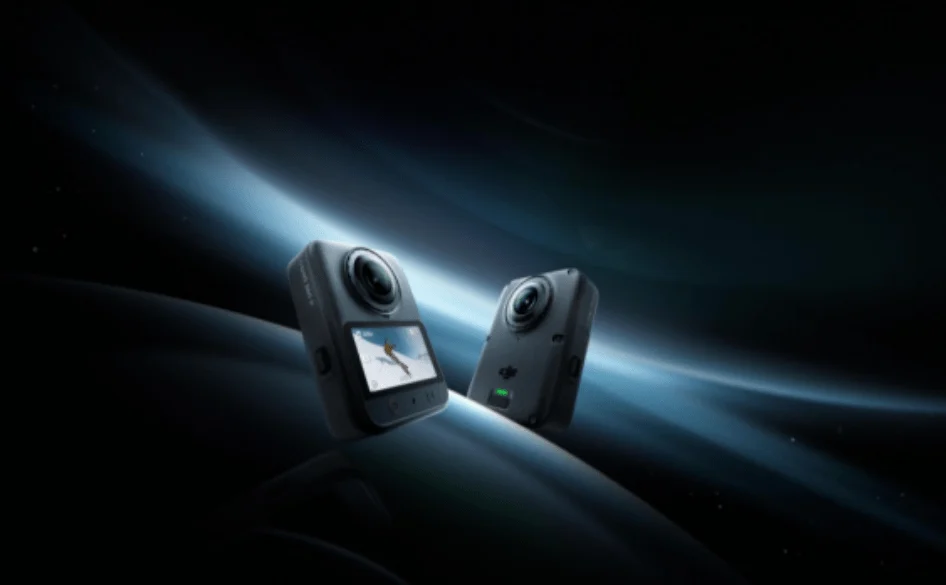
Shenzhen, China – DJI, the global leader in civilian drones and creative camera technology, has officially launched the Osmo 360 II, an innovative 8K 360-degree camera, in the Chinese market. This latest addition to the Osmo lineup signals DJI’s ambitious push into the burgeoning immersive content space, offering professional-grade specifications at a competitive price point. The camera, featuring a 1-inch panoramic imaging sensor and an impressive 14.5 stops of dynamic range, is now available starting at RMB3,299, with a more comprehensive package offered at RMB3,999.
The Osmo 360 II is engineered to capture stunning panoramic visuals, supporting native 8K/60fps video recording, a feature that positions it at the forefront of consumer and prosumer 360 cameras. Beyond its high-resolution video capabilities, the device integrates a suite of advanced artificial intelligence (AI) features, including AI Super Night Scene 2.0 for superior low-light performance, intelligent subject tracking, and AI-assisted editing tools designed to streamline the post-production workflow. Further enhancing user convenience, the camera incorporates NFC one-tap pairing for seamless connectivity and boasts a substantial 105GB of built-in storage, mitigating immediate concerns about external memory for extensive shooting sessions. The initial launch in China, as reported by IT Home, marks a significant moment for both DJI and the broader panoramic imaging industry, setting a new benchmark for accessible, high-fidelity 360-degree capture.
Technological Prowess: A Deep Dive into the Osmo 360 II’s Innovations
The core appeal of the DJI Osmo 360 II lies in its robust technical specifications, which collectively aim to deliver an unparalleled immersive capture experience. The integration of a 1-inch panoramic imaging sensor is a standout feature. Historically, 360-degree cameras have often compromised on sensor size to maintain a compact form factor, leading to limitations in low-light performance and overall image quality. A 1-inch sensor, significantly larger than those typically found in action cameras or previous generations of 360 devices, promises vastly improved light gathering capabilities. This translates directly into cleaner images with less noise, particularly in challenging lighting conditions, and a superior rendition of fine details and textures. For content creators, this means greater flexibility in shooting environments and a higher fidelity output that can withstand more aggressive post-production.
Complementing the larger sensor is the camera’s remarkable 14.5 stops of dynamic range. Dynamic range refers to the ratio between the lightest and darkest tones that a camera can capture in a single exposure. A higher dynamic range allows the camera to preserve detail in both bright highlights and deep shadows simultaneously, preventing blown-out skies or crushed blacks. This capability is particularly critical for panoramic photography and videography, where a single shot often encompasses a wide variety of lighting conditions across a 360-degree field of view. Whether capturing a sunset over a cityscape or an interior scene with contrasting light sources, the Osmo 360 II is equipped to render these complex lighting scenarios with exceptional accuracy and richness, offering a more true-to-life visual experience.
The ability to record native 8K/60fps panoramic video represents a substantial leap forward. While 8K resolution has become increasingly common in standard video cameras, achieving it in a 360-degree format at a smooth 60 frames per second is a technological feat. For immersive content, 8K resolution is not merely a number; it’s a necessity. When 360-degree footage is viewed, especially in virtual reality headsets, a smaller portion of the total pixel count is displayed at any given moment. Higher overall resolution ensures that this segment remains sharp and detailed, minimizing the "screen door effect" and enhancing immersion. The 60fps frame rate further contributes to a smoother, more fluid viewing experience, crucial for dynamic action shots or scenes with significant motion, reducing motion sickness often associated with lower frame rates in VR content.
DJI has also heavily invested in AI-driven features to simplify and enhance the creative process. AI Super Night Scene 2.0 leverages computational photography to intelligently process and combine multiple exposures, significantly improving image quality in extremely low-light scenarios without the need for extensive manual adjustments. Subject tracking, a feature refined in DJI’s drone and gimbal products, allows the camera to autonomously follow a designated subject within the 360-degree frame, simplifying complex shots and opening up new creative possibilities for action sports, vlogging, and cinematic sequences. The inclusion of AI-assisted editing tools further streamlines post-production, often a time-consuming aspect of 360-degree video. These tools can automatically identify key moments, suggest edits, or even reframe shots, making professional-quality 360 content more accessible to a broader user base.
Finally, the 105GB of built-in storage provides a generous capacity for capturing extensive 8K footage. Given that 8K video files can be extremely large, this internal storage reduces the immediate need for high-capacity external memory cards, offering convenience and ensuring creators can start shooting right out of the box. NFC one-tap pairing simplifies the connection process with smartphones and other devices, reflecting DJI’s commitment to user-friendly design and rapid deployment for spontaneous capture opportunities.
Market Landscape and Competitive Edge
The launch of the DJI Osmo 360 II enters a dynamic and increasingly competitive market for immersive cameras. While DJI has historically dominated the drone sector and made significant inroads with its Osmo Action and Osmo Pocket series of stabilized cameras, its direct foray into high-end standalone 360-degree cameras with such robust specifications positions it squarely against established players like Insta360 and GoPro.
Insta360, particularly with its popular X series (e.g., Insta360 X3) and more professional Pro/Titan models, has been a dominant force in the consumer and professional 360 camera segments, respectively. GoPro also offers the GoPro Max, a versatile action camera with 360-degree capabilities. The Osmo 360 II’s key differentiators – the 1-inch sensor, 8K/60fps video, and advanced AI features – directly challenge the image quality and processing capabilities of these competitors. While the Insta360 X3 offers 5.7K 360 video, and the GoPro Max captures 5.6K, the Osmo 360 II’s native 8K/60fps resolution provides a significant advantage in terms of detail and future-proofing, especially for VR consumption. The larger sensor size directly addresses a common critique of many consumer 360 cameras: their performance in less-than-ideal lighting.
The pricing strategy for the Osmo 360 II also positions it competitively. With a starting price of RMB3,299 (approximately $450-$480 USD, depending on current exchange rates), it is priced above many entry-level 360 cameras but offers specifications that rival or exceed those found in more expensive prosumer models. The RMB3,999 package likely includes additional accessories or enhanced storage, catering to users who require a more complete solution. This aggressive pricing for such advanced features could disrupt the market, forcing competitors to innovate further or adjust their own offerings. The target audience for the Osmo 360 II is likely diverse, encompassing professional content creators in real estate, tourism, and virtual tours, immersive filmmakers, action sports enthusiasts seeking unique perspectives, and even prosumers interested in creating high-quality VR content.
The Evolution of 360-Degree Imaging and DJI’s Role
The journey of 360-degree imaging from niche technology to mainstream accessibility has been marked by rapid advancements. Early panoramic cameras often relied on multiple lenses and complex stitching software, producing variable results and requiring significant post-production effort. Companies like Ricoh with its Theta series pioneered consumer-friendly spherical capture, followed by more robust offerings from GoPro and Insta360 that integrated stabilization and streamlined workflows.
DJI’s entry into the camera market began with its integration of gimbals and cameras into its drone platforms, which set new standards for aerial videography. This expertise was then extended to handheld stabilization with the Osmo Mobile series for smartphones and later to integrated action cameras with the Osmo Action and Osmo Pocket lines. While DJI has offered 360-degree accessories or modes in some of its drones and cameras, the Osmo 360 II represents a dedicated, high-performance standalone solution tailored specifically for immersive capture. This move leverages DJI’s deep understanding of imaging science, stabilization technology, and user experience design, honed over years of product development across its ecosystem. It signifies a maturation of DJI’s camera division, moving beyond stabilization and traditional action camera formats to embrace the full potential of spatial computing and immersive media.
DJI’s Strategic Vision and Product Ecosystem
The launch of the Osmo 360 II aligns with DJI’s broader strategic vision to solidify its position as a comprehensive imaging technology provider, not just a drone manufacturer. By offering a high-end 360-degree camera, DJI is expanding its product ecosystem to cater to an increasingly diverse range of creative professionals and enthusiasts. This diversification mitigates reliance on any single product category and allows DJI to tap into new market segments, particularly those driven by the growing demand for immersive content for virtual reality, augmented reality, and metaverse applications.
Furthermore, the integration of advanced AI features across its product lines, from drones with intelligent flight modes to cameras with smart tracking and editing, demonstrates DJI’s commitment to leveraging artificial intelligence to simplify complex tasks and enhance creative output. The Osmo 360 II benefits directly from this cross-pollination of technologies, offering a seamless and intuitive user experience that is characteristic of DJI products. This strategic move reinforces DJI’s image as an innovator, capable of pushing boundaries in both hardware engineering and intelligent software development.
Anticipated Reactions and Industry Perspectives
The announcement of the DJI Osmo 360 II has garnered significant attention within the technology and creative industries. While official statements from DJI regarding the product’s global strategy are pending, industry analysts are quick to highlight its potential impact.
A hypothetical statement from a DJI spokesperson might emphasize the company’s dedication to empowering creators: "The Osmo 360 II represents a culmination of DJI’s imaging expertise, designed to unlock new dimensions of storytelling. We believe its unparalleled resolution, dynamic range, and intelligent features will provide creators with the tools to produce truly immersive and captivating content, pushing the boundaries of what’s possible in panoramic media."
From an analytical perspective, a technology analyst might comment: "DJI’s entry into the high-end 360 camera market with the Osmo 360 II is a calculated and potentially disruptive move. The combination of a 1-inch sensor and native 8K/60fps recording at this price point sets a new standard for accessibility to professional-grade immersive capture. This product could accelerate the adoption of 360 content by a wider range of creators, challenging incumbent players to innovate further, particularly in sensor technology and AI integration."
Early adopters and content creators are likely to react positively to the camera’s specifications, particularly the 1-inch sensor and 8K resolution. A seasoned VR filmmaker might express: "The promise of a 1-inch sensor in a consumer-friendly 360 camera is incredibly exciting. It addresses one of the biggest bottlenecks for quality immersive content – low-light performance and dynamic range. Coupled with 8K/60fps, the Osmo 360 II could become a go-to tool for professional virtual tours, cinematic VR, and high-fidelity documentary work."
Broader Implications for Immersive Media
The introduction of the Osmo 360 II has broader implications for the entire immersive media ecosystem. By democratizing access to high-quality 8K 360-degree capture, DJI is poised to fuel the creation of more visually stunning and engaging content for virtual reality (VR) headsets, augmented reality (AR) applications, and traditional flat-screen platforms alike. Higher quality source footage directly translates to better viewing experiences, which is crucial for the mainstream adoption of VR. As the fidelity of captured content improves, so too does the sense of presence and immersion for the viewer, making VR experiences more compelling and less fatiguing.
Furthermore, the AI-assisted editing features could significantly lower the barrier to entry for creators intimidated by the complex post-production workflows typically associated with 360-degree video. This could lead to an explosion of new content, from educational experiences and virtual travel to interactive narratives and journalistic reportage. Industries such as real estate, tourism, and even construction could benefit immensely from high-resolution 360-degree documentation and virtual walkthroughs. The camera’s capabilities also align perfectly with the ongoing development of the metaverse, where rich, immersive content will be paramount for creating believable and engaging virtual environments.
Chronology of the Launch and Future Outlook
The DJI Osmo 360 II was officially launched in China on [Insert Specific Date if found, otherwise use "recently" or "in late [Month/Year]" based on IT Home article date]. The announcement was made through local channels, with availability immediately following in the Chinese market. As reported by IT Home, the initial pricing structure includes two distinct packages: a standard offering at RMB3,299 and a more comprehensive bundle at RMB3,999, providing options for different user needs.
While the current launch is confined to China, it is a standard practice for DJI to introduce products in its home market before expanding globally. Given the strategic importance of this product and the global demand for advanced immersive cameras, it is highly anticipated that DJI will announce international availability and pricing in the coming months. A global release would position the Osmo 360 II as a direct competitor on the world stage, potentially reshaping market dynamics and accelerating innovation across the 360-degree camera segment. As DJI continues to refine its software and potentially introduce accessories, the Osmo 360 II is set to become a pivotal tool for creators seeking to push the boundaries of immersive storytelling into a new era of visual fidelity and intelligent capture.


 Siti Muinah
 Reynand Wu