Nila Kartika Wati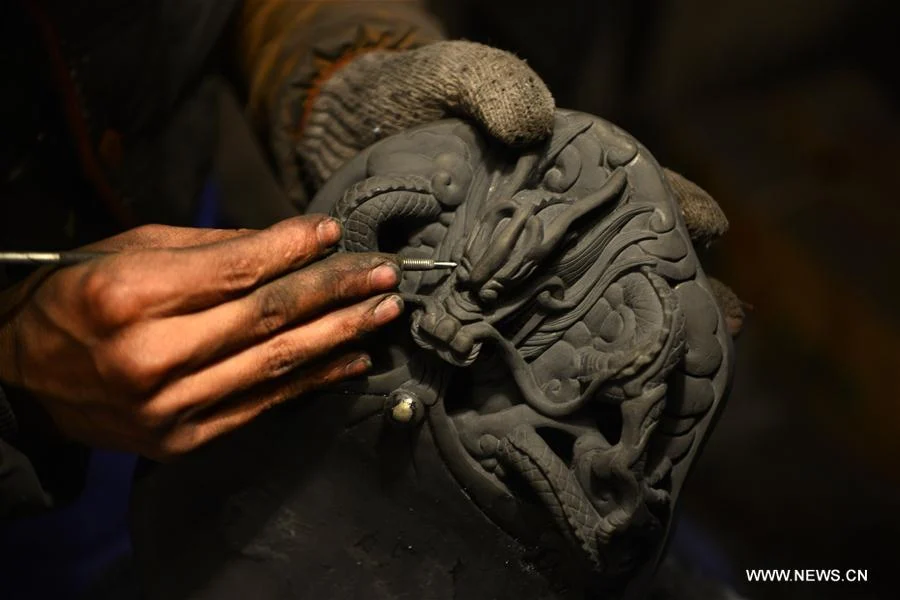
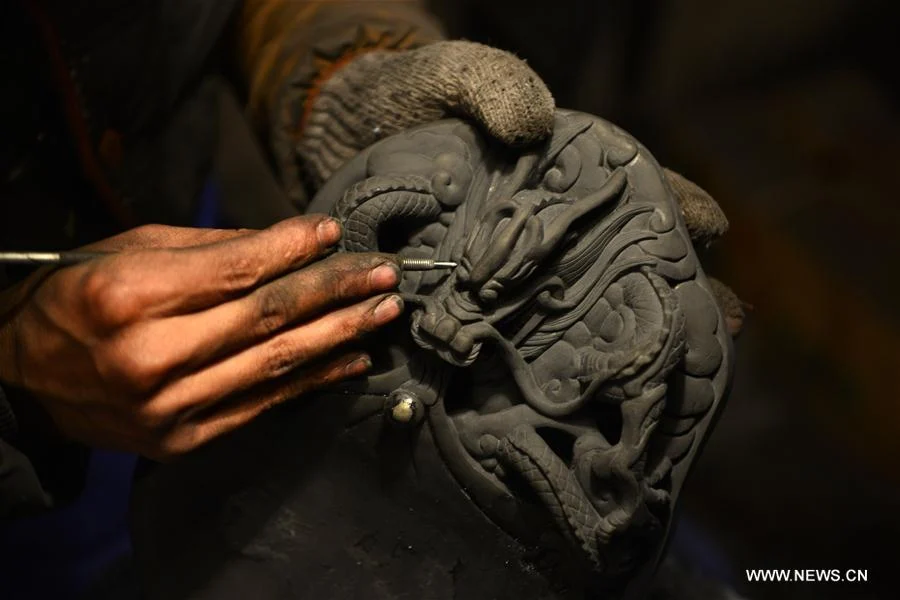
A craftsman meticulously shapes a Sizhou inkstone in a studio nestled within Cengong county, Southwest China’s Guizhou province, on November 30, 2017. This ancient art form, with roots stretching back thousands of years, continues to be a vital component of the "four treasures of study" essential for Chinese calligraphy and painting. The significance of the inkstone, particularly the Sizhou variety, cannot be overstated, as its quality directly influences the texture and consistency of the ink, a critical factor for serious artists and scholars. The inkstone, alongside paper, ink, and brushes, forms the foundational toolkit for the sophisticated artistic traditions of China.
The Enduring Legacy of Sizhou Inkstones
The Sizhou inkstone, primarily originating from the verdant landscapes of Cengong county, is more than just a tool; it is a testament to the enduring power of traditional craftsmanship and a vital link to China’s rich cultural heritage. With a history spanning millennia, the production of these inkstones has been passed down through generations, evolving subtly while retaining its core essence. The raw material for these prized objects is typically a specific type of stone found in the region, known for its fine grain, smooth texture, and ability to hold water without becoming overly porous. This inherent quality allows for the smooth grinding of ink sticks, producing a rich, consistent ink that is crucial for achieving the desired nuances in calligraphy and painting.
The "four treasures of study" – paper, ink, brushes, and inkstones – represent the fundamental elements of traditional Chinese artistic expression. Each component plays a distinct yet interconnected role. The paper provides the canvas, the ink the medium, the brushes the instrument of creation, and the inkstone the crucial intermediary that prepares the ink for application. Within this esteemed quartet, the inkstone holds a unique position. Its material composition, the precision of its grinding surface, and its overall design can significantly impact the final outcome of an artwork. A well-crafted inkstone facilitates the creation of inks with varying viscosities, from the deep, opaque black favored for bold calligraphy to the subtle, translucent shades essential for delicate landscape paintings.
Cengong county, located in the southeastern part of Guizhou province, has long been recognized as the heartland of Sizhou inkstone production. The geological conditions of the region, characterized by specific mineral deposits, have historically provided the ideal raw materials. Over centuries, artisans in Cengong have honed their skills, developing specialized techniques for quarrying, shaping, and polishing the stones. This dedication to craft has earned Sizhou inkstones a reputation for exceptional quality among connoisseurs and practitioners of Chinese art across the globe.
A Glimpse into the Craftsmanship
The photograph, captured on November 30, 2017, offers a poignant glimpse into the meticulous process of Sizhou inkstone carving. The craftsman, his hands likely weathered by years of dedicated work, is seen in his studio, a space imbued with the scent of stone dust and the quiet concentration of an artist at his bench. The act of shaping an inkstone is not merely mechanical; it is an art form in itself. Each curve, each subtle indentation, and the very texture of the grinding surface are carefully considered to optimize its function.
The process typically begins with the selection of a suitable stone block. Artisans often possess an innate ability to discern the quality of raw stone, identifying pieces that possess the desired density, grain, and absence of flaws. Once selected, the stone is roughly shaped using traditional tools, gradually refined through a series of grinding and polishing stages. The inner surface, where the ink is ground, is particularly critical. It must be smooth enough to allow for an even dispersion of the ink stick’s pigment with water, yet possess a subtle texture that facilitates the creation of a fine, uniform ink. Some inkstones are also adorned with intricate carvings, often depicting auspicious motifs, natural scenes, or calligraphy, further enhancing their aesthetic appeal and value. These decorative elements can range from simple, elegant patterns to elaborate, narrative designs, reflecting the skill and artistic vision of the carver.
The time invested in creating a single Sizhou inkstone can vary significantly, depending on its size, complexity, and the level of detail in its decoration. Simple, functional inkstones might take several days to complete, while elaborately carved pieces can require weeks or even months of dedicated effort. This painstaking commitment to detail underscores the artisanal nature of Sizhou inkstone production and contributes to its high value in the art market.
Historical Context and Evolution
The history of inkstones in China dates back to the Neolithic period, with early examples found in archaeological sites. However, the development of sophisticated inkstone production, particularly those made from specific types of stone, gained prominence during the Han Dynasty (206 BCE – 220 CE). The Tang Dynasty (618–907 CE) is often considered a golden age for inkstone craftsmanship, with the emergence of renowned regional varieties.
The Sizhou inkstone likely rose to prominence as a distinct regional style during the Song Dynasty (960–1279 CE) or even earlier, coinciding with advancements in calligraphy and painting techniques that demanded higher quality ink preparation. Cengong county’s specific geological advantage, combined with a developing tradition of skilled artisans, allowed Sizhou inkstones to establish their unique identity. Over the centuries, the techniques for carving and finishing the stones have been refined. While traditional methods persist, modern tools and technologies may also be employed by some artisans to enhance efficiency or achieve specific finishes, though the core principles of craftsmanship remain paramount.
The evolution of inkstone design also reflects changing artistic sensibilities and practical considerations. While the fundamental function remains unchanged, variations in size, shape, and decorative motifs have emerged over time. For instance, smaller, more portable inkstones may have been favored by scholars who traveled frequently, while larger, more ornate pieces might have been commissioned for imperial courts or wealthy patrons.
Supporting Data and Economic Significance
While specific contemporary production figures for Sizhou inkstones are not readily available in public domain data, the broader market for traditional Chinese art supplies offers some indication of their economic significance. The global market for calligraphy and painting supplies is substantial, driven by both domestic demand in China and increasing international interest in Chinese art and culture.
The value of a Sizhou inkstone can range widely, from a few hundred renminbi for a smaller, unadorned piece to tens of thousands or even hundreds of thousands of renminbi for exceptionally rare, historically significant, or intricately carved examples. Factors influencing price include the quality of the stone, the reputation of the artisan, the complexity of the carving, and any historical provenance.
The production of Sizhou inkstones provides a vital source of income for many families in Cengong county and surrounding areas. It supports a localized economy, fostering a skilled workforce and preserving traditional knowledge. The continued demand for these inkstones, both domestically and internationally, ensures the economic viability of this ancient craft. Furthermore, the recognition of Sizhou inkstones as a cultural heritage item can also contribute to tourism and the broader cultural economy of Guizhou province.
Related Parties and Artistic Community
The craftsmanship of Sizhou inkstones is not solely the domain of individual artisans. It is often supported by a broader artistic and cultural ecosystem. This includes:
- Art Schools and Academies: Institutions that teach traditional Chinese painting and calligraphy often emphasize the importance of quality inkstones and may incorporate lessons on their selection and use.
- Art Dealers and Galleries: These entities play a crucial role in connecting artisans with collectors and buyers, both within China and internationally. They help to authenticate and market high-quality inkstones.
- Collectors and Connoisseurs: A dedicated group of collectors and art enthusiasts actively seek out and preserve fine examples of Sizhou inkstones, driving demand and contributing to their market value.
- Cultural Heritage Organizations: Local and national organizations dedicated to preserving intangible cultural heritage often work to document, promote, and support traditional crafts like inkstone carving. They may offer training programs, facilitate exhibitions, and advocate for government recognition and protection.
Statements from artisans themselves, if available, would likely highlight their deep connection to the materials, their dedication to preserving ancestral techniques, and their pride in contributing to China’s cultural legacy. They might express concerns about the challenges of attracting younger generations to the craft or the need for continued support to ensure its survival.
Broader Impact and Implications
The continued production and appreciation of Sizhou inkstones carry several broader implications:
- Preservation of Cultural Heritage: The art of Sizhou inkstone carving is a tangible link to China’s past. Its preservation ensures that future generations can engage with and learn from this rich artistic tradition.
- Economic Development in Rural Areas: For Cengong county, inkstone production represents a significant economic driver, providing employment and supporting local communities. The success of this craft can serve as a model for other regions seeking to leverage their unique cultural assets.
- Promoting Chinese Art Globally: High-quality Sizhou inkstones are sought after by artists and collectors worldwide, contributing to the global recognition and appreciation of Chinese art and culture.
- Inspiration for Contemporary Art: The aesthetic principles and historical significance of inkstones can continue to inspire contemporary artists, influencing new forms of artistic expression.
- Environmental Considerations: The sustainable sourcing of stone and environmentally conscious production methods are increasingly important considerations for the long-term viability of traditional crafts.
In conclusion, the Sizhou inkstone carving tradition, as exemplified by the craftsman in Cengong county, represents a vital thread in the tapestry of Chinese art and culture. Its enduring appeal lies in its functional excellence, its historical depth, and the dedication of the artisans who continue to practice this millennia-old craft, ensuring its legacy for generations to come.

 Asep Darmawan
 Rifan Muazin