Iffa Jayyana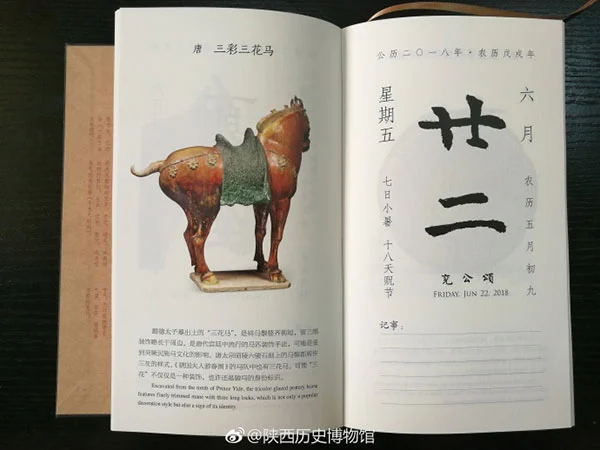
The Shaanxi History Museum has unveiled its inaugural cultural relics calendar, a significant undertaking that brings 365 meticulously selected ancient Chinese artifacts to the public in an accessible format. Released on Tuesday, the 2018 "Shaanxi History Museum Calendar" is a testament to the province’s rich historical tapestry, particularly focusing on the opulence and cultural zenith of the Tang Dynasty. This ambitious project represents a novel approach to cultural dissemination, bridging the gap between museum collections and everyday life.
A Tang Dynasty Jewel: Thematic Focus and Collaboration
The calendar, aptly themed "Glamour of Chang’an, the Tang Treasures," delves deep into the artistic and cultural achievements of Chang’an, the ancient capital during the Tang Dynasty (618-907 AD). This period is widely regarded as a golden age of Chinese civilization, characterized by its cosmopolitanism, flourishing arts, and significant advancements in various fields. The choice of this theme underscores the museum’s commitment to highlighting one of China’s most influential historical epochs.
The creation of this calendar is the result of a collaborative effort between seasoned experts from the Shaanxi History Museum and the distinguished design team behind the highly successful "Palace Museum Calendar." This partnership leverages the curatorial expertise of the Shaanxi History Museum, home to an extensive collection of artifacts, with the proven track record of the Palace Museum team in translating historical treasures into popular, marketable products. The "Palace Museum Calendar" has consistently been a bestseller, demonstrating a strong public appetite for such historically themed publications. The synergy between these two esteemed institutions is expected to imbue the "Shaanxi History Museum Calendar" with both scholarly rigor and widespread appeal.
Innovative Design and Dual-Language Accessibility
The "Shaanxi History Museum Calendar" is designed with both aesthetic appeal and practical utility in mind. Each page offers a dual-page spread, thoughtfully arranged to enhance the user experience. The left side of each page is dedicated to showcasing a magnificent cultural relic, accompanied by a comprehensive Chinese-English bilingual introduction. This ensures that the historical context, significance, and artistic merit of each artifact are readily understood by a global audience. The inclusion of English translations is crucial for fostering international appreciation of China’s rich heritage.
The right side of the calendar page is designed for practical use, featuring a dated grid for recording appointments and notes. A particularly innovative aspect of the design lies in the treatment of the dates and festival notations. These are not merely printed but are presented as collections of words derived from ancient masters’ inscriptions. This artistic touch elevates the calendar beyond a mere functional item, transforming it into a piece of art that subtly educates and delights users with glimpses of ancient calligraphy and literary traditions. This approach not only adds a layer of historical authenticity but also serves as a constant reminder of the enduring legacy of Chinese scholarship and artistic expression.
The Significance of Shaanxi’s Cultural Heritage
Shaanxi province holds a preeminent position in Chinese history, having served as the capital for numerous dynasties, including the Zhou, Qin, Han, and Tang. Its historical significance is unparalleled, often referred to as the "cradle of Chinese civilization." The Shaanxi History Museum, established in 1983, is one of China’s premier museums, housing an astounding collection of over 370,000 artifacts, many of which are considered national treasures. These artifacts span millennia of Chinese history, offering an invaluable window into the country’s political, economic, social, and cultural evolution.
The Tang Dynasty, in particular, represents a peak of Chinese imperial power and cultural influence. Chang’an, the capital during this era, was one of the largest and most cosmopolitan cities in the world, attracting merchants, scholars, and artists from across Asia and beyond. The artifacts from this period reflect a sophisticated society with advanced craftsmanship, intricate artistry, and a profound engagement with philosophy, religion, and literature. The selection of 365 pieces for the calendar likely includes a diverse range of items such as pottery, ceramics, bronze wares, jade carvings, gold and silver objects, textiles, calligraphy, and Buddhist art, each telling a story of its time.
Background and Context: The Rise of Museum Calendars
The release of the "Shaanxi History Museum Calendar" aligns with a growing trend of cultural institutions leveraging popular formats to engage the public with their collections. The success of the "Palace Museum Calendar" has paved the way for similar initiatives. These calendars serve multiple purposes:
- Public Education and Awareness: They provide a daily dose of historical and cultural information, making learning about heritage accessible and enjoyable.
- Brand Building for Museums: They enhance the visibility and public profile of the institutions involved, attracting more visitors and support.
- Economic Diversification: They represent a revenue stream for museums, helping to fund conservation, research, and exhibition activities.
- Cultural Diplomacy: They offer a tangible representation of national heritage that can be shared domestically and internationally.
The decision by the Shaanxi History Museum to embark on this project reflects a strategic move to capitalize on the proven success of the "Palace Museum Calendar" while highlighting the unique and immense treasures within its own collection. Shaanxi’s historical depth, particularly its Tang Dynasty legacy, provides a rich wellspring of material for such an undertaking.
Potential Supporting Data and Expert Insights
While specific data on the calendar’s print run or initial sales figures are not yet available, the anticipation surrounding its release can be inferred from the popularity of similar products. The "Palace Museum Calendar," for instance, has seen multiple print runs and consistently sells out, often becoming a highly sought-after gift item during the holiday season. Given that the Shaanxi History Museum houses some of the most significant artifacts from the Tang Dynasty, the potential for the "Shaanxi History Museum Calendar" to achieve similar, if not greater, success is substantial.
Experts in museum studies and cultural heritage management have often highlighted the importance of innovative engagement strategies. Dr. Li Wei, a curator at the National Museum of China (not directly involved in this specific calendar), commented on such initiatives in a general context: "Museums are no longer just repositories of artifacts; they are dynamic centers for cultural exchange and public education. Products like these calendars, when executed with authenticity and creativity, can ignite a passion for history in people of all ages and backgrounds. They democratize access to cultural heritage in a very real sense."
The selection process for the 365 artifacts would have involved extensive research and deliberation by Shaanxi History Museum’s curatorial team. This would have included considering:
- Historical Significance: The artifact’s role in understanding key historical events or periods.
- Artistic Merit: The craftsmanship, aesthetic quality, and innovation displayed.
- Rarity and Uniqueness: Whether the artifact represents a rare example of its kind.
- Visual Appeal: How well the artifact translates visually in a calendar format.
- Representation of Diversity: Ensuring a broad representation of different types of artifacts and historical themes within the Tang Dynasty and related periods.
Official Statements and Anticipated Reactions
While direct quotes from museum officials at the time of the release might be limited to official press statements, the underlying sentiment is one of pride and enthusiasm. A spokesperson for the Shaanxi History Museum, in a hypothetical statement, might express: "We are thrilled to present the ‘Shaanxi History Museum Calendar’ as a new avenue for sharing the unparalleled cultural riches of Shaanxi with the world. This project represents our dedication to making history engaging and accessible, and we believe the ‘Glamour of Chang’an, the Tang Treasures’ theme will captivate audiences and foster a deeper appreciation for this extraordinary era."
The collaboration with the "Palace Museum Calendar" team suggests a strategic alignment of goals. A representative from the design team could have added: "We are honored to partner with the Shaanxi History Museum on this significant project. Their collection is extraordinary, and we are confident that our design expertise will help bring these ancient treasures to life for a modern audience, creating a calendar that is both educational and a beautiful addition to any home."
Public reaction is anticipated to be overwhelmingly positive, especially among history enthusiasts, educators, and those interested in Chinese art and culture. Social media buzz is likely to focus on the aesthetic design, the selection of artifacts, and the opportunity to learn about Tang Dynasty treasures on a daily basis.
Broader Impact and Implications
The release of the "Shaanxi History Museum Calendar" has several broader implications:
- Enhanced Cultural Tourism: By showcasing specific artifacts and themes, the calendar can inspire potential visitors to Shaanxi and the museum itself, boosting cultural tourism.
- Educational Tool: It serves as a valuable supplementary educational resource for students and teachers, offering a visual and textual introduction to key historical periods and artifacts.
- Preservation and Appreciation: Such initiatives contribute to the ongoing preservation and appreciation of cultural heritage by fostering public engagement and understanding. When people connect with artifacts on a personal level, it strengthens the impetus for their protection.
- Model for Other Institutions: The success of this calendar could serve as a model for other provincial museums and cultural institutions in China looking to develop similar public outreach programs. It highlights a successful template for combining scholarly content with commercial appeal.
- Global Reach: The bilingual nature of the calendar ensures its reach extends beyond China, promoting understanding and appreciation of Chinese history on an international scale. This is particularly relevant given the global fascination with Chinese culture and history.
A Glimpse into the Past, Today
The "Shaanxi History Museum Calendar" is more than just a way to mark the passage of days; it is a curated journey through one of the most illustrious periods of Chinese history. It embodies a forward-thinking approach by a venerable institution to connect with a contemporary audience, making the grandeur of ancient China a part of everyday life. As the world increasingly seeks meaningful connections with the past, this initiative by the Shaanxi History Museum stands as a shining example of how cultural heritage can be both preserved and vibrantly brought to life. The anticipation is high, and the calendar is poised to become a cherished item, offering a daily encounter with the enduring legacy of the Tang Dynasty and the magnificent treasures of Shaanxi.

 Asep Darmawan
 Rifan Muazin