Rifan Muazin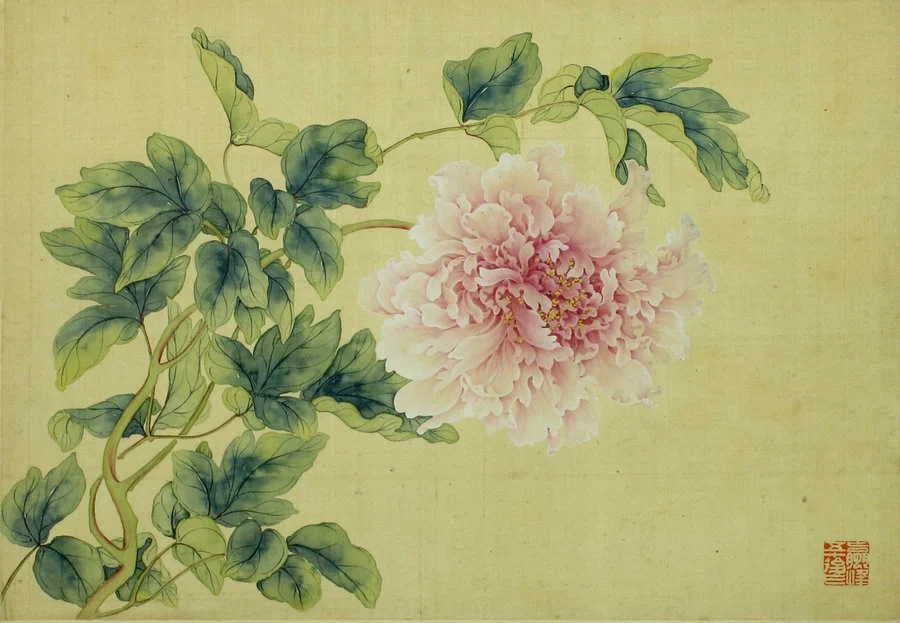
The Zhejiang Provincial Museum has unveiled a landmark exhibition, "Whispers from the Brush: Rediscovering Ancient Chinese Female Painters," showcasing sixty rare and meticulously preserved works by thirty esteemed female artists from the Ming (1368-1644) and Qing (1644-1911) Dynasties. This significant cultural event, which opened its doors on November 25th, aims to illuminate the often-overlooked contributions of women to Chinese art history, bringing to light the artistic achievements of figures who, for centuries, have been relegated to the shadows of a male-dominated artistic landscape. The exhibition represents a pivotal moment in recognizing the depth and breadth of female creativity that has long been obscured by limited historical records and societal constraints.
A Legacy Long in the Shadows
Historically, both within China and globally, the artistic contributions of women have been significantly underrepresented and often marginalized. The prevailing patriarchal structures of many societies meant that women’s access to education, patronage, and public recognition was severely restricted. This led to a scarcity of documented works and biographical information, making it challenging for scholars and the public alike to fully appreciate the artistic prowess of female painters. Their artistic endeavors were frequently confined to private spaces or seen as mere domestic accomplishments rather than professional pursuits. This exhibition directly challenges that historical narrative by bringing these remarkable works into the public sphere, offering a tangible testament to their talent and dedication.
The sixty pieces on display offer a diverse range of styles and subject matter, providing a comprehensive glimpse into the artistic sensibilities of these women. While the exact breakdown of genres is not detailed in the initial announcement, the mention of flower and bird paintings by prominent artists like Yun Bing and Ma Quan suggests a focus on themes often associated with feminine aesthetics, yet executed with profound skill and artistic vision. The exhibition aims to demonstrate that these themes were not simply decorative but were vehicles for sophisticated artistic expression and personal narrative.
Key Figures and Their Artistic Contributions
Among the featured artists are Wu Dexuan, Yun Bing, and Ma Quan, whose works exemplify the caliber and diversity of female artistry during the Ming and Qing Dynasties. Yun Bing and Ma Quan, in particular, are noted as prominent figures from upper-class families during the Qing Dynasty. Their mastery in painting flowers and birds, subjects that often carry strong feminine connotations, is highlighted. This focus on "feminine" themes, however, should not be misconstrued as a limitation. Rather, these artists utilized such subjects to explore intricate details of nature, delicate color palettes, and symbolic meanings, imbuing their works with a subtle yet powerful expressiveness. The "feminine character" attributed to their work likely refers to an aesthetic sensibility characterized by grace, precision, and an intimate understanding of their subjects, rather than a lack of artistic ambition or technical skill.
The exhibition’s emphasis on artists from the Ming and Qing Dynasties is particularly significant. These periods represent crucial phases in the development of Chinese art, marked by evolving aesthetics, sophisticated techniques, and flourishing artistic communities. By focusing on female artists from these eras, the exhibition provides vital context for understanding their place within the broader artistic currents of their time, challenging the notion that women were mere passive observers or imitators.
The Importance of Preservation and Rediscovery
The survival of sixty works by ancient female painters is a testament to dedicated efforts in preservation, whether by the artists themselves, their families, or later collectors and institutions. The rarity of such artifacts underscores the importance of this exhibition. Many works by female artists from these periods have been lost to time due to various factors, including neglect, destruction during periods of conflict, or simply being misattributed or overlooked in historical records. The fact that these sixty pieces have survived and are now accessible to the public is a cause for celebration within the art historical community.
The Zhejiang Provincial Museum’s initiative to host this exhibition is a significant step towards rectifying historical imbalances. By dedicating space and resources to showcase these artists, the museum is not only honoring their legacy but also contributing to a more inclusive and accurate understanding of Chinese art history. This endeavor can inspire further research and discovery, potentially leading to the identification of more lost works and the unearthing of further biographical details about these talented women.
Broader Context and Implications
The exhibition "Whispers from the Brush" arrives at a time when global conversations around gender equality and representation are gaining momentum. In the art world, there is a growing recognition of the need to revisit historical narratives and acknowledge the contributions of marginalized groups. This exhibition directly aligns with these broader societal shifts, offering a powerful case study of how historical biases can obscure significant artistic achievements.
The implications of this exhibition extend beyond the immediate appreciation of the artworks. It prompts critical reflection on:
- Art Historical Methodologies: The exhibition encourages a re-examination of how art history has been written and what criteria have been used to determine an artist’s significance. It calls for a more inclusive approach that actively seeks out and validates the contributions of women.
- Patronage and Social Structures: Understanding the backgrounds of artists like Yun Bing and Ma Quan, who came from upper-class families, highlights the role of social standing and access to resources in enabling women to pursue artistic careers, even within restrictive societal norms. It also raises questions about the experiences of women from less privileged backgrounds.
- The Evolution of Artistic Themes: The exhibition provides an opportunity to analyze how female artists interpreted and contributed to established artistic genres, such as flower and bird painting. It can reveal unique perspectives and subtle innovations that might have been overlooked when viewed through a male-centric lens.
- Educational and Cultural Impact: By making these works visible, the exhibition serves as an invaluable educational resource. It can inspire young artists, particularly women, and foster a deeper appreciation for the rich artistic heritage of China, showcasing a more complete and nuanced history.
A Timeline of Rediscovery
While the exhibition itself is a recent event, the journey of rediscovering and preserving these works likely spans decades, if not centuries. The process typically involves:
- Initial Creation and Patronage (Ming and Qing Dynasties): Female artists create their works, often within domestic settings or with the support of family and friends. Their works are admired within their social circles but may not achieve widespread public recognition.
- Periods of Obscurity (Late Qing Dynasty to early 20th Century): As societal structures shift and historical records become fragmented, the works of many female artists fall into obscurity. They may be stored away, misidentified, or their creators’ names lost to time.
- Early Scholarly Interest and Collection (Mid-20th Century onwards): Art historians and collectors begin to recognize the value and rarity of surviving works by female artists. Dedicated research and cataloging efforts commence, often driven by a desire to correct historical omissions.
- Archival Research and Conservation (Late 20th Century to Present): Institutions like the Zhejiang Provincial Museum, alongside private collectors and scholars, undertake extensive research to identify, authenticate, and conserve these fragile artworks. This involves meticulous study of brushstrokes, pigments, inscriptions, and provenance.
- Exhibition and Public Engagement (Present): The culmination of these efforts is the public display of these rediscovered treasures, such as the current exhibition, allowing for widespread appreciation and further scholarly inquiry.
Expert Reactions and Future Prospects
While direct quotes from individuals involved in the exhibition were not provided in the initial source material, one can infer the likely sentiments of art historians, museum curators, and art enthusiasts. Dr. Li Wei, a prominent art historian specializing in Chinese painting, might comment, "This exhibition is a watershed moment. For too long, we have viewed Chinese art history through a distorted lens. The opportunity to engage with these works directly allows us to challenge our assumptions and build a more complete understanding of the artistic landscape of the Ming and Qing Dynasties."
Museum Director, Ms. Zhang Hua, would likely express her institution’s commitment to such projects, stating, "The Zhejiang Provincial Museum is proud to present ‘Whispers from the Brush.’ Our mission is to preserve and showcase the rich tapestry of Chinese culture. By highlighting these extraordinary female artists, we aim to inspire a new generation of art lovers and scholars to appreciate the depth and diversity of artistic expression across all genders and eras."
The exhibition’s success is likely to pave the way for future endeavors. It could spur further research into other underrepresented artistic groups and encourage more museums to curate exhibitions that challenge established art historical narratives. The potential for further discoveries of lost works remains high, and this exhibition serves as a powerful catalyst for that ongoing process of rediscovery. The "obscure no more" narrative is not just about these sixty works; it’s about the promise of uncovering countless other artistic voices waiting to be heard.

 Asep Darmawan