
 Nana Muazin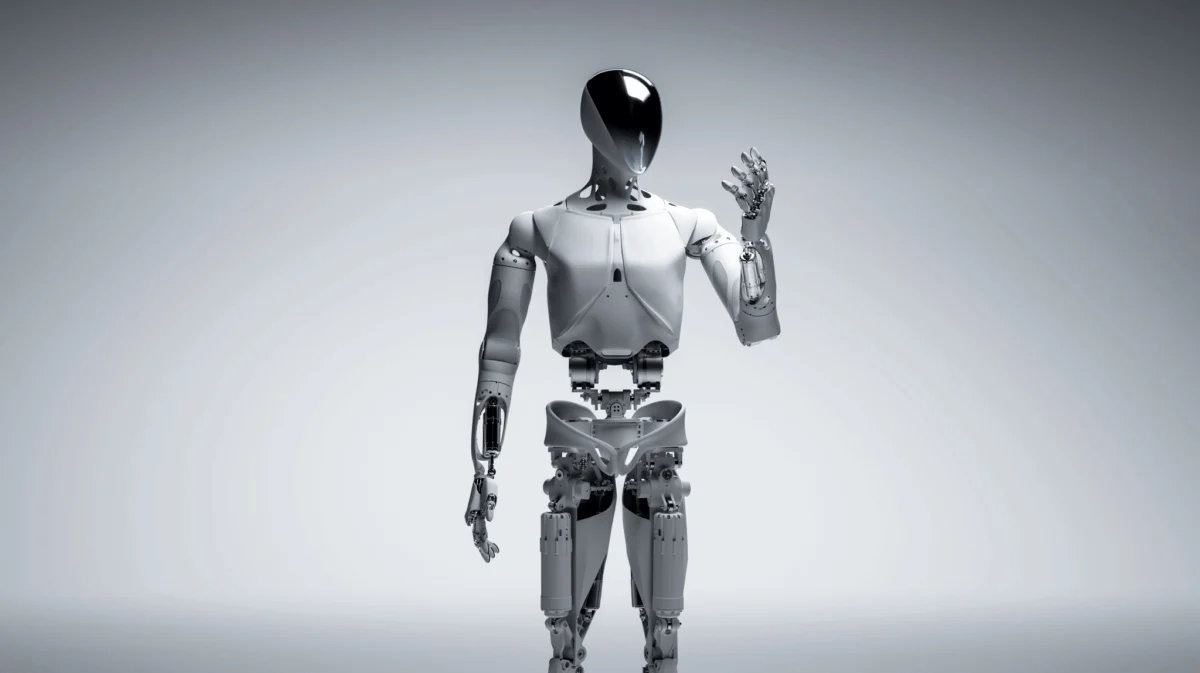
Beijing has accused the United States of actively seeking to "suppress" Chinese companies, following Washington’s recent imposition of a ban on the import of humanoid and quadruped robots manufactured abroad. This move marks a significant escalation in the ongoing technological and economic rivalry between the world’s two largest economies, extending the scope of national security concerns into the rapidly evolving field of advanced robotics.
Escalating Tech Tensions and the Robotics Sector
The latest action, announced on Tuesday by the US Federal Communications Commission (FCC), adds "advanced robotic devices" to a growing list of items banned on national security grounds. Specifically, the ban targets "mobile robots" designed to mimic human and animal locomotion, encompassing bipedal humanoid robots and quadrupedal models. This decision comes at a time when China has rapidly advanced its capabilities in the robotics sector, with Chinese companies becoming major players in the global market for these sophisticated machines. Most humanoid robots sold in the United States, particularly those used in industrial applications, are currently imported, with a significant portion originating from China.
The FCC’s ruling, based on findings from a White House-convened task force, asserts that foreign-built robots pose "a cybersecurity risk that threatens the security of critical infrastructure" and "the safety and security" of US residents. This broad justification highlights Washington’s expanding definition of national security to encompass digital vulnerabilities and supply chain integrity, especially concerning technologies that could have dual-use applications—serving both civilian and military purposes. The White House task force’s assessment underscored concerns that advanced robots, equipped with sophisticated sensors, cameras, and network connectivity, could potentially be exploited for espionage, data exfiltration, or disruption of critical systems if controlled by adversarial foreign entities.

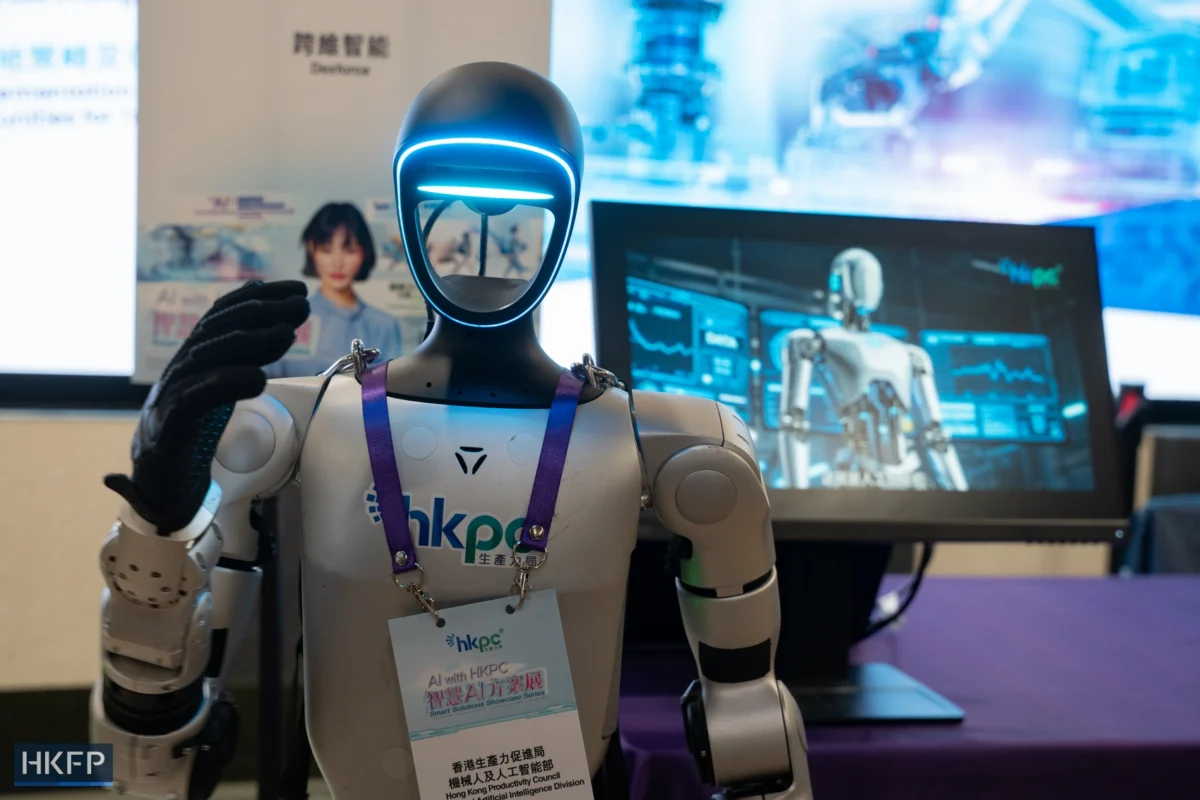
China’s robotics industry has experienced explosive growth over the past decade, fueled by substantial government investment, ambitious national strategies like "Made in China 2025," and a vast domestic market. Chinese firms have demonstrated remarkable innovation in areas ranging from industrial automation to service robotics and advanced humanoid prototypes. Robots of various shapes and sizes are now ubiquitous across China, deployed in diverse environments from manufacturing plants and logistics warehouses to hotels, shopping centers, and even public security. This rapid advancement has positioned China as a formidable competitor, and in many segments, a leader, in the global robotics landscape, making its products highly competitive in international markets, including the United States.
Beijing’s Vehement Opposition and Counter-Measures
In response to the FCC’s ban, Beijing’s Foreign Ministry spokesperson, Mao Ning, voiced strong condemnation on Wednesday. Speaking at a regular news conference, Mao stated that China "firmly opposed" the US Federal Communications Commission’s decision. She accused the United States of "overstretching the concept of national security to suppress Chinese companies," a familiar refrain in Beijing’s criticisms of previous US tech restrictions.
Mao Ning emphasized that Beijing views the ban as a protectionist measure designed to hinder China’s technological progress and undermine its companies’ global competitiveness rather than genuinely address security concerns. "China has always firmly opposed the US overstretching the concept of national security to suppress Chinese companies," she reiterated. The spokesperson further warned that Beijing would "take necessary measures to safeguard the rights and interests of Chinese companies." While the specifics of these "necessary measures" were not detailed, past responses to US sanctions have included retaliatory tariffs, export controls on critical materials, and the establishment of an "unreliable entity list."
Mao Ning also cautioned that such protectionist policies ultimately harm the very nation implementing them. "Protectionism cannot enhance US competitiveness. It will only harm the interests of American companies and consumers," she asserted. This argument suggests that the ban could lead to higher costs for US businesses that rely on imported robots for efficiency, limit consumer choices, and potentially slow down technological adoption within the United States by restricting access to innovative and cost-effective foreign solutions. The implicit message is that by isolating itself from a significant source of advanced robotics, the US risks falling behind in a critical technological race.

The US Rationale: National Security Concerns and Vulnerabilities
The FCC’s decision is rooted in a comprehensive assessment by a White House task force, which identified several key vulnerabilities associated with foreign-built advanced robots. The primary concern revolves around cybersecurity risks. Modern robots are complex systems equipped with numerous sensors (cameras, microphones, lidar), sophisticated processors, and extensive connectivity features (Wi-Fi, Bluetooth, 5G). These capabilities, while enabling advanced functions, also create potential vectors for cyberattacks.
The task force’s findings suggest that robots manufactured by entities linked to adversarial governments could contain hidden backdoors, compromised firmware, or vulnerabilities that could be exploited for various nefarious purposes. These could include:
- Espionage and Data Exfiltration: Robots deployed in sensitive industrial facilities, research labs, or government buildings could collect proprietary data, intellectual property, or classified information and transmit it to foreign actors.
- Surveillance: Robots equipped with high-resolution cameras and audio recording capabilities could be used for pervasive surveillance, gathering intelligence on individuals, operations, or environments.
- Disruption of Critical Infrastructure: If integrated into critical infrastructure (e.g., power grids, logistics hubs, manufacturing lines), compromised robots could be remotely controlled to cause malfunctions, sabotage operations, or create widespread disruption, posing a direct threat to national security and public safety.
- Supply Chain Risks: The complex global supply chains for robotic components mean that vulnerabilities could be introduced at various stages of manufacturing, making detection difficult.
Furthermore, the FCC’s broad definition of "advanced robotic devices" and "mobile robots" highlights a concern beyond just data theft. The ability of these robots to operate autonomously and interact with physical environments means a compromised unit could pose physical safety risks, particularly if deployed in close proximity to humans in factories, warehouses, or even public spaces. The increasing sophistication of AI-powered robots, capable of learning and adapting, further amplifies these concerns, as their behavior could become unpredictable if manipulated by external actors.
A Pattern of Restriction: Prior US Actions
The ban on advanced robotic device imports is not an isolated incident but rather the latest move in a series of actions taken by the US government to curb the influence of Chinese technology companies perceived as national security threats. This policy trajectory reflects a growing bipartisan consensus in Washington regarding the strategic competition with China.

Chronology of Key US Restrictions:
- 2019 – Huawei: The US Commerce Department added Huawei to its Entity List, effectively barring US companies from selling technology and software to the Chinese telecom giant without a special license. This move, citing national security concerns over Huawei’s alleged ties to the Chinese government and military, severely impacted the company’s smartphone and networking equipment businesses.
- 2020 – TikTok and WeChat: The Trump administration attempted to ban TikTok and WeChat, citing concerns about data security and potential Chinese government access to user data. While these bans faced legal challenges and were later reviewed by the Biden administration, they underscored the US focus on data-intensive applications.
- 2020 – China Telecom and other state-owned enterprises: The FCC revoked China Telecom Americas’ authorization to operate in the US, citing national security risks. Similar actions were taken against other Chinese state-owned carriers.
- 2021 – Certain Drones: Specific types of drones manufactured by Chinese companies, particularly DJI, the world’s largest drone maker, were added to various US government blacklists or faced restrictions on use by federal agencies due to concerns over data security and potential surveillance.
- 2022 – Semiconductor Export Controls: The Biden administration implemented sweeping export controls aimed at restricting China’s access to advanced semiconductors and chip-making equipment, a move designed to slow China’s progress in AI and high-performance computing, critical for advanced robotics.
These preceding actions establish a clear pattern: the US is systematically targeting Chinese companies and technologies across various sectors, from telecommunications infrastructure and consumer applications to critical components and now, advanced robotic systems. The underlying theme remains consistent – safeguarding US national security, economic competitiveness, and technological leadership against what Washington perceives as threats emanating from China’s state-backed technological ambitions.
The Global Robotics Market and China’s Dominance
The global robotics market is a rapidly expanding industry, projected to reach hundreds of billions of dollars in value within the next decade. Analysts estimate that the industrial robotics market alone could exceed $70 billion by 2028, with service robotics growing even faster. China has emerged as a dominant force in this growth, driven by its vast manufacturing base, a pressing need for automation to offset rising labor costs, and aggressive government support for R&D and market penetration.
Key Data Points on China’s Robotics Sector:

- Largest Market: China has been the world’s largest market for industrial robots for several years, with an installed base and annual installations far exceeding any other country.
- Domestic Production: While initially relying on foreign imports, Chinese companies have rapidly scaled up domestic production, becoming major exporters of both industrial and service robots.
- Investment in AI: China’s national strategy prioritizes AI development, which is intrinsically linked to advanced robotics. Significant government and private sector investment is pouring into AI research, chip design, and robotics startups.
- Diverse Applications: Chinese robots are found in an extensive range of applications, from precision manufacturing and logistics automation (e.g., autonomous mobile robots in warehouses) to healthcare, education, and entertainment. The image accompanying the original article, featuring an X-Peng humanoid robot, highlights China’s foray into the advanced humanoid segment, an area with immense future potential for both industrial and social applications.
- Competitive Pricing: Chinese manufacturers often offer highly competitive pricing, making their robotic solutions attractive to businesses worldwide, including those in the United States, seeking to automate operations efficiently.
The US market, while a leader in robotics research and development, particularly in software and AI, has historically relied on imports for a significant portion of its robotic hardware, especially in industrial applications. This reliance, coupled with China’s growing market share and technological sophistication, has likely fueled the US government’s concerns about supply chain vulnerabilities and the potential for foreign control over critical automation technologies.
Economic Fallout and Industry Implications
The US ban on Chinese humanoid and quadruped robots carries substantial economic and industrial implications for both nations and the broader global economy.
Impact on US Businesses and Consumers:
- Increased Costs: US companies that currently utilize or plan to integrate Chinese-made robots, particularly in manufacturing and logistics, may face higher costs. Replacing these with alternative suppliers, often from Japan, Germany, or domestic US producers, could involve more expensive hardware, re-tooling expenses, and potentially slower deployment.
- Supply Chain Disruptions: The immediate ban could disrupt existing supply chains for US businesses, particularly those with contracts for Chinese robotic systems or components. This could lead to production delays and operational inefficiencies.
- Limited Innovation/Choice: Restricting access to a significant source of innovation and competitive pricing could limit choices for US businesses and potentially stifle the pace of technological adoption in certain sectors. Mao Ning’s point about harming American companies and consumers underscores this concern.
- Impact on Specific Sectors: Industries heavily reliant on automation, such as automotive manufacturing, warehousing, and e-commerce fulfillment, which often use mobile robots in confined spaces, could feel a direct impact.
Impact on Chinese Companies:

- Market Loss: Chinese robotics companies will lose access to a lucrative and technologically advanced market, forcing them to pivot strategies.
- Diversification: They may intensify efforts to diversify their export markets, focusing on regions like Southeast Asia, Latin America, Africa, and parts of Europe that may not impose similar restrictions.
- Domestic Focus: Increased emphasis on the vast domestic Chinese market will likely continue, with government support aimed at insulating these companies from foreign sanctions.
- R&D Acceleration: The ban could paradoxically spur Chinese companies to accelerate indigenous research and development, aiming for complete self-sufficiency in critical robotic components and software to mitigate future vulnerabilities.
Broader Global Impact:
- Global Supply Chain Restructuring: The ban will likely accelerate global efforts towards supply chain diversification, as countries and companies seek to reduce dependence on any single nation for critical technologies. This could lead to regionalized supply chains and increased investment in domestic manufacturing capabilities.
- Trade Tensions: This move will undoubtedly exacerbate US-China trade tensions, potentially leading to further retaliatory measures from Beijing, impacting other sectors.
- Technological Decoupling: The ban is another step towards the "technological decoupling" of the US and Chinese economies, where two distinct and potentially incompatible technological ecosystems emerge.
The Future of Technological Decoupling
The ban on advanced robotic device imports is a stark indicator of the deepening technological divide between the United States and China. It signifies a broadening of national security concerns beyond traditional military hardware and telecommunications to encompass emerging and foundational technologies like robotics and artificial intelligence. This trajectory suggests that both nations are increasingly preparing for a future where critical technological dependencies on the other are minimized.
This ongoing "tech war" carries profound implications for global innovation, economic integration, and international cooperation. It risks creating fragmented technological standards, hindering collaborative research, and potentially raising the cost of technology worldwide as economies are forced to duplicate efforts and choose between competing systems. The pursuit of technological sovereignty, while understandable from a national security perspective, could ultimately slow down the overall pace of human progress in fields that thrive on open exchange and global collaboration.
As the US and China continue to vie for leadership in key technological domains, the robotics sector, with its dual-use potential and critical role in future economies, will remain a central battleground. Beijing’s accusation of "suppression" underscores its perception that these bans are not merely about security but about economic containment, setting the stage for continued friction and strategic maneuvers in the years to come. The world watches closely as these two technological titans navigate a future increasingly defined by competition rather than cooperation in the digital and automated frontier.

 Ali Ikhwan
 Raul Delapena Setiawan