Muslim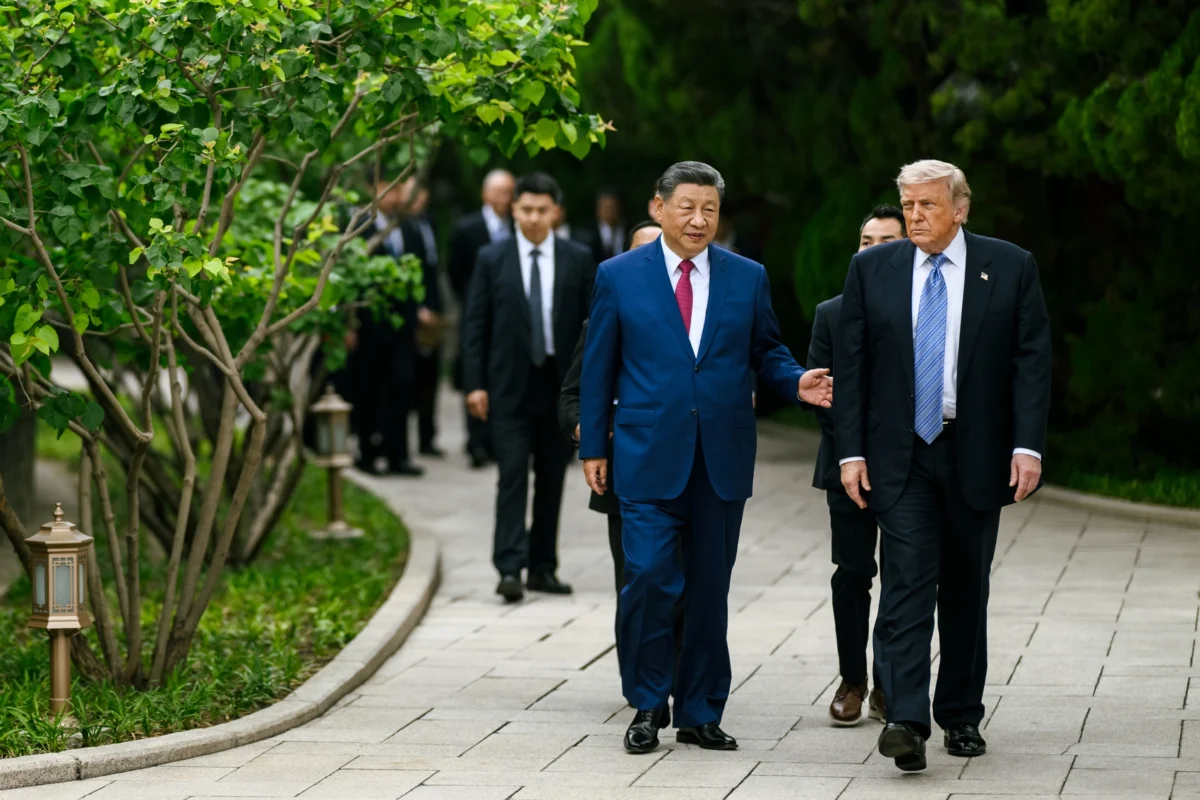
Beijing’s top trade official conveyed "serious concern" to his American counterparts on Thursday regarding Washington’s recent imposition of economic and trade restrictions, according to reports from state media. This high-stakes diplomatic exchange underscores a significant re-escalation in the complex economic relationship between the world’s two largest economies, coming just months after a fragile truce was brokered in a protracted trade war. The virtual meeting involved Chinese Vice Premier He Lifeng, US Treasury Secretary Scott Bessent, and US Trade Representative Jamieson Greer, setting the stage for potentially fraught discussions ahead of a planned September summit between the nations’ leaders.
Recent Escalations and US Actions
The latest round of trade friction ignited last week with the United States imposing new tariffs on goods from China and 59 other trading partners. These duties were specifically linked to allegations of forced labor, a highly sensitive issue that Beijing vehemently denies. China immediately condemned these tariffs, warning Washington against initiating another full-blown trade war. The move represents a broadening of the US approach, shifting from solely economic imbalances to include human rights concerns as a central pillar of its trade policy. This expansion of scope complicates any potential resolution, adding a layer of ethical and political contention to already thorny economic disputes.

Adding to the tensions, the United States separately announced a ban on the import of humanoid and quadruped robots manufactured abroad, a move China explicitly accused Washington of using to "suppress" its burgeoning technology companies. This action, distinct from the broader tariffs, highlights the growing technological rivalry between the two powers. The US rationale for such bans often cites national security concerns, intellectual property protection, and preventing its adversaries from gaining a technological edge. China, however, views these restrictions as a concerted effort to impede its economic development and stifle innovation in critical future industries, particularly in advanced robotics and artificial intelligence where Chinese firms have made significant strides.
The High-Level Dialogue
During the video call on Thursday, Xinhua, China’s official state news agency, reported that "the Chinese side expressed serious concern over recent US economic and trade restrictions against China." The agency characterized the dialogue as "candid, in-depth and constructive," indicating that despite the strong rhetoric, both sides maintained an open channel for communication. Discussions reportedly focused on "maintaining stable economic and trade ties" and "properly addressing mutual concerns in the next phase," suggesting an ongoing effort to manage, if not resolve, the deepening disagreements.
US Treasury Secretary Scott Bessent, in a statement released on social media following the call, confirmed the engagement. He emphasized that Washington expects China "to fully meet its commitments on rare earths and US agricultural products." These commitments are remnants of the "Phase One" trade deal signed in late 2019, which aimed to address some of the imbalances that fueled the initial trade war. Bessent further stated, "We also discussed implementation of the Trade and Investment Boards as a mechanism to secure concrete progress toward a more balanced, fair, and constructive US-China economic relationship." The proposal for "Trade and Investment Boards" suggests a desire for structured, ongoing dialogue to tackle complex economic issues, potentially offering a more consistent framework than ad-hoc negotiations. However, the effectiveness of such boards will heavily depend on the political will and flexibility of both sides.

Historical Context: The Lingering Trade War
The current resurgence of trade tensions is deeply rooted in a period of intense economic conflict that dominated global headlines for much of 2018 and 2019. During this time, the United States, under President Donald Trump, initiated a series of tariffs on billions of dollars worth of Chinese goods, citing unfair trade practices, intellectual property theft, and a massive trade deficit. Beijing retaliated with its own duties on American products, particularly targeting agricultural goods and other sectors crucial to US exports. This tit-for-tat escalation significantly disrupted global supply chains, rattled financial markets, and created uncertainty for businesses worldwide.
A fragile truce was eventually reached in October "last year" (referring to the year prior to the article’s implied setting of 2026), culminating in the signing of the "Phase One" trade deal in early 2020. This agreement saw China commit to purchasing an additional $200 billion in US goods and services over two years, including substantial quantities of agricultural products, manufactured goods, energy, and services. It also included provisions on intellectual property protection, technology transfer, and currency practices. While hailed by the Trump administration as a significant step towards rebalancing trade, critics noted that many structural issues, such as industrial subsidies and market access barriers, remained largely unaddressed, leaving the underlying tensions unresolved. The deal provided a temporary respite, but the foundational disagreements that sparked the trade war continued to simmer beneath the surface, poised to reignite as new points of friction emerged.
Underlying US Concerns and Policy Shifts
The recent US actions reflect a multifaceted strategy driven by both economic and geopolitical considerations. The "forced labor concerns" cited for the new tariffs are a significant example of Washington integrating human rights into its trade policy. Specifically, the US has increasingly targeted goods produced in China’s Xinjiang region, where the government is accused of widespread human rights abuses, including the forced labor of Uyghur Muslims and other ethnic minorities. Legislation like the Uyghur Forced Labor Prevention Act (UFLPA) in the US presumes that all goods produced in Xinjiang are made with forced labor unless proven otherwise, placing a significant burden on importers. This policy shift underscores a broader Western push to hold China accountable for its human rights record, directly impacting trade flows and challenging Beijing’s internal governance narrative.

Beyond human rights, the ban on advanced robotics imports highlights a deepening technological competition. The US views China’s rapid advancements in artificial intelligence, robotics, and other critical technologies as a national security threat and a challenge to its global technological leadership. Concerns over intellectual property theft, state-sponsored cyber espionage, and the potential for dual-use technologies (civilian and military applications) drive US efforts to "de-risk" or "decouple" its supply chains from China in strategic sectors. This includes restrictions on semiconductor technology, telecommunications equipment, and now, advanced robotics, reflecting a strategic pivot to contain China’s technological rise.
Economically, the US continues to press for a more "balanced, fair, and constructive" relationship, as articulated by Secretary Bessent. While the Phase One deal aimed to address the trade deficit through increased Chinese purchases, the overall structural imbalances, such as China’s extensive state subsidies for its industries, limited market access for foreign companies, and discriminatory regulatory practices, remain contentious. The US argues that these practices create an uneven playing field, disadvantaging American businesses and contributing to persistent trade deficits, which in recent years have still run into hundreds of billions of dollars annually.
China’s Perspective and Counterarguments
From Beijing’s vantage point, the latest US restrictions are seen as thinly veiled attempts at economic containment and political interference. China vehemently denies allegations of forced labor, particularly in Xinjiang, characterizing them as fabrications designed to smear its image and impede its development. Beijing views these accusations as an infringement on its sovereignty and an internal affair. The Chinese government maintains that its policies in Xinjiang are aimed at poverty alleviation, counter-terrorism, and vocational training, not forced labor.

Regarding the robot import ban and other technological restrictions, China has consistently accused the United States of protectionism and of attempting to "suppress" Chinese companies. Chinese officials argue that these actions violate principles of free trade and fair competition, creating an unjust barrier to global technological advancement. Beijing often highlights its own commitment to open markets and global cooperation, while simultaneously asserting its right to develop indigenous technological capabilities. China has also warned against the dangers of "decoupling," arguing that it would harm global economic recovery and undermine the interconnectedness of the world economy. The potential for retaliatory measures from China, though not yet specified, remains a significant concern for US industries.
Broader Economic and Geopolitical Implications
The renewed US-China trade tensions carry significant implications for the global economy. Companies with complex international supply chains are once again facing uncertainty, potentially leading to increased costs, diversification efforts away from China, and investment delays. Industries heavily reliant on US-China trade, such as agriculture, electronics, and manufacturing, are particularly vulnerable. For instance, the US agricultural sector, which saw a surge in sales to China under the Phase One deal, faces renewed risks if Beijing opts for retaliatory tariffs or reduces purchases. Similarly, US tech companies operating in China could face heightened regulatory scrutiny or consumer backlash.
Geopolitically, the escalating economic friction complicates broader international relations. Allies of the United States and China are often caught in the middle, pressured to choose sides or navigate a increasingly fragmented global economic landscape. The emphasis on human rights in trade policy also sets a precedent, potentially leading to similar actions from other Western nations, further isolating China on certain issues. Moreover, the focus on technological competition fuels a broader strategic rivalry, impacting areas from cybersecurity to space exploration and shaping the future of global innovation and governance.

Looking Ahead: The September Summit
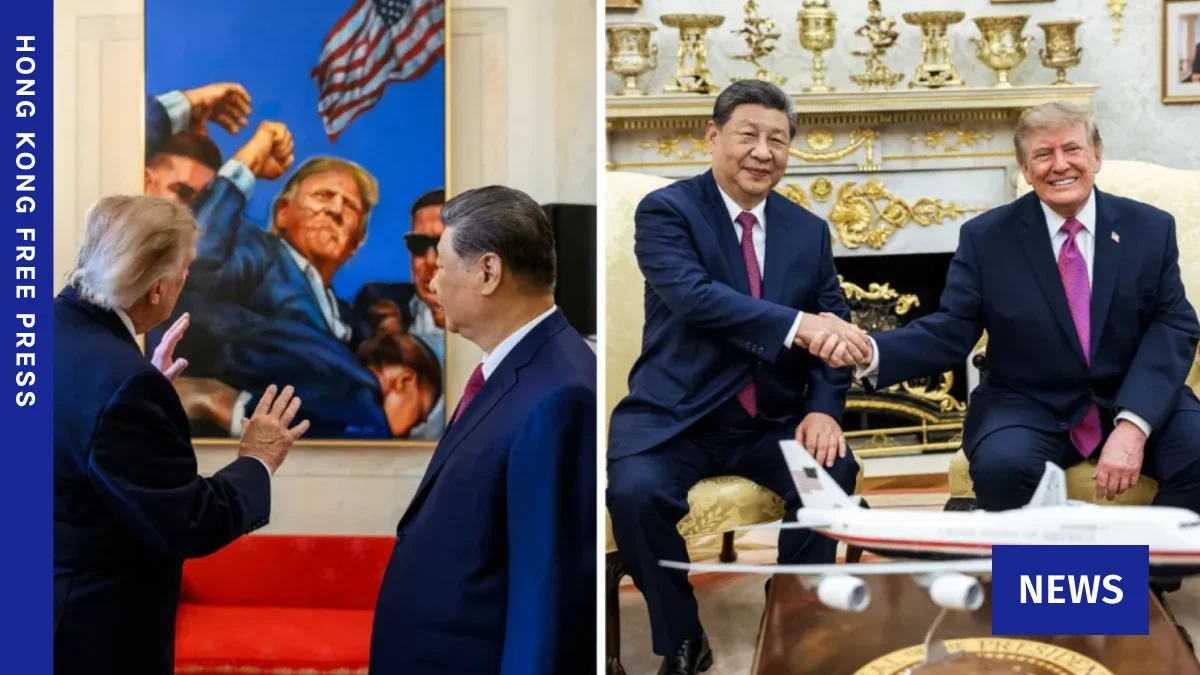
All eyes are now on the anticipated September meeting between US President Donald Trump and Chinese President Xi Jinping. This summit, extended following President Trump’s trip to Beijing in May (as referenced in the original article’s implied future setting of 2026), is poised to be a pivotal moment for US-China relations. Treasury Secretary Bessent’s characterization of the recent video call as "part of the preparation for the expected September meeting" underscores the high stakes involved.
The agenda for the summit will undoubtedly be dominated by the very issues discussed in the recent high-level dialogue: the new US tariffs and the forced labor concerns, the robot import ban and technological competition, and China’s commitments under the Phase One deal regarding rare earths and agricultural purchases. Both leaders will face immense pressure to demonstrate strength to their domestic audiences while also seeking a pragmatic path forward to prevent a full-blown economic confrontation. The outcome could range from a renewed effort at de-escalation, potentially involving compromises on specific trade measures or a commitment to structured dialogues like the proposed "Trade and Investment Boards," to a further hardening of positions that could plunge the world into a deeper economic rivalry. The delicate balance between confrontation and cooperation will define the tone of the summit and, by extension, the trajectory of the crucial US-China relationship for years to come.

 Jia Lissa
 Azzam Bilal Chamdy