 Basiran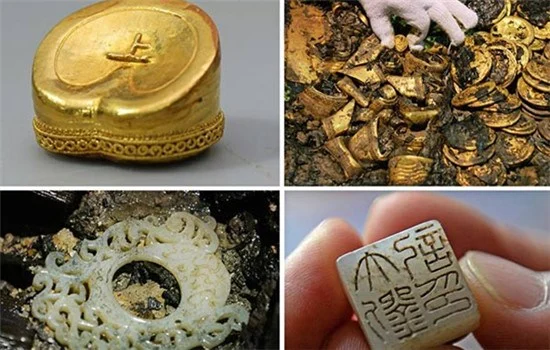
Nanchang, Jiangxi Province – Chinese authorities have officially sanctioned a plan to transform the historically significant tomb of the Marquis of Haihun into a national-level archeological relics park, marking a pivotal moment in the preservation and public accessibility of one of China’s most remarkable ancient sites. The announcement, made by the management office of the Haihunhou site on Monday, signifies a commitment to safeguarding this invaluable window into the Western Han Dynasty for future generations.
The tomb, discovered near Nanchang, the capital of East China’s Jiangxi province, is a testament to the grandeur and complexity of the Western Han Dynasty, a period spanning from 206 BC to 25 AD. Its unique status as one of the rare imperial tombs to have remained largely undisturbed by looters makes it an archeological treasure trove of unparalleled significance. The decision to establish a dedicated park underscores the national importance attached to the site and its potential to deepen our understanding of Chinese history.
A Journey of Discovery and Preservation
The genesis of this ambitious project can be traced back to March of the current year, when the State Administration of Cultural Heritage initiated a comprehensive assessment of the Haihunhou site. This rigorous evaluation paved the way for the recent approval of the park construction plan, signaling a coordinated effort between national heritage authorities and local governance. The proposed park is slated to encompass a sprawling area of 12.46 square kilometers, a significant expanse designed to not only protect the tomb itself but also its surrounding environment. The commitment to preserving the tomb in its original context, situated alongside the picturesque Poyang Lake – China’s largest freshwater lake – highlights a thoughtful approach to heritage management, emphasizing the integration of historical preservation with natural landscape conservation.
The extensive excavation of the Marquis of Haihun’s tomb commenced in 2011, a decade-long endeavor that has yielded an astonishing array of artifacts. The remains of Liu He, the Marquis of Haihun, were located within a coffin in an inner chamber and were carefully removed in January 2016. These remains are currently undergoing further in-depth research, a process vital for unlocking the secrets of his life and the era he inhabited. To date, the excavation has unearthed an extraordinary collection exceeding 10,000 artifacts, offering an unprecedented glimpse into the material culture, political intrigues, and daily life of the Western Han elite.
Unearthing a Dynasty’s Riches: The Significance of the Artifacts
The artifacts recovered from the Haihunhou tomb are not merely objects; they are tangible links to a pivotal period in Chinese history. Among the most notable finds are:
- Hoof-shaped ingots: These distinctively shaped gold items are believed to have served as a form of currency or valuable offerings, providing insights into the economic practices of the time. The sheer quantity and intricate craftsmanship of these ingots speak volumes about the wealth and status of the Marquis.
- Gold cakes: Similar to the ingots, these flat pieces of gold further underscore the immense wealth accumulated by the tomb’s occupant. Their presence suggests elaborate burial rituals and the desire to accompany the deceased into the afterlife with substantial material provisions.
- A jade seal: Jade held profound symbolic and ritualistic importance in ancient China, often associated with imperial authority, virtue, and immortality. The discovery of a jade seal strongly suggests the Marquis’s high position and potential connections to the imperial court. The quality and artistry of the seal are likely to offer clues about the lapidary skills of the period.
- A jade pendant: Jade pendants were common adornments, worn for both aesthetic and perceived protective or spiritual reasons. The specific design and craftsmanship of this pendant can reveal stylistic trends and symbolic meanings prevalent during the Western Han Dynasty.
Beyond these highlighted items, the thousands of other unearthed objects include bronze wares, pottery, lacquerware, textiles, and numerous other precious materials. Each piece contributes to a mosaic that is gradually reconstructing the life of Liu He, his rise and fall within the political landscape, and the broader societal structures of the Western Han era. The meticulous documentation and conservation of these artifacts are paramount to their scientific and historical value.
Historical Context: The Marquis of Haihun and the Western Han Dynasty
To fully appreciate the significance of the Haihunhou tomb, it is essential to understand its historical backdrop. The Western Han Dynasty, established by Liu Bang (Emperor Gaozu) after the fall of the Qin Dynasty, ushered in a period of relative stability, economic prosperity, and cultural flourishing. This era saw the consolidation of imperial power, the expansion of the Silk Road, and the development of sophisticated administrative and philosophical systems.
Liu He, the Marquis of Haihun, occupies a peculiar and often debated place in Han history. He was briefly enthroned as Emperor of the Han Dynasty in 74 BC, but his reign was notoriously short-lived, lasting only 27 days. He was subsequently deposed and stripped of his imperial title, banished, and later granted the title of Marquis of Haihun. The reasons for his deposition remain a subject of historical scrutiny, with accounts often pointing to his alleged profligacy, erratic behavior, and defiance of court etiquette. Despite his truncated imperial career, his posthumous status as a marquis of a significant fiefdom meant he was afforded a burial befitting his rank, leading to the creation of the elaborate tomb now under preservation.
The discovery of an unlooted tomb of such prominence offers an exceptional opportunity to study not only the burial practices and material wealth of a high-ranking noble but also to gain insights into the political machinations and social hierarchies of the Western Han court. The artifacts can illuminate aspects of trade, craftsmanship, religious beliefs, and the artistic achievements of a civilization that laid the foundations for much of subsequent Chinese history.
Broader Implications: Cultural Heritage and Tourism
The establishment of the Marquis of Haihun tomb as a national-level cultural relics park carries significant implications beyond archeological research. It represents a strategic move to:
- Enhance Cultural Heritage Protection: By designating the site as a national park, the Chinese government signals a reinforced commitment to its long-term preservation and protection against any future threats, be it environmental or human-induced. This formal status often comes with increased funding, specialized management, and stricter regulations.
- Promote Public Education and Awareness: A well-developed cultural relics park serves as a vital educational resource. It allows the public to engage with history in a tangible and immersive way, fostering a greater appreciation for China’s rich cultural heritage. Interpretive centers, guided tours, and educational programs can transform the site into a dynamic learning environment.
- Boost Regional Tourism: Archeological sites of this caliber have the potential to become significant tourist attractions. The Haihunhou park could draw domestic and international visitors, contributing to the local economy of Jiangxi province through job creation, hospitality services, and related businesses. This economic benefit, however, must be carefully managed to ensure it does not compromise the integrity of the heritage site.
- Foster International Exchange and Collaboration: The unveiling of such a significant discovery can also open doors for international scholarly collaboration, museum exhibitions, and the sharing of best practices in archeological research and heritage management.
The successful transformation of the Haihunhou tomb into a national park will require meticulous planning and execution. This includes not only the physical preservation of the archeological remains but also the development of visitor infrastructure, interpretation strategies, and a sustainable management framework. The proximity to Poyang Lake presents both an opportunity for scenic integration and a challenge for environmental management, requiring careful consideration of the lake’s ecosystem.
As research continues and the park development progresses, the Haihunhou tomb is poised to become a landmark of national pride and a globally recognized symbol of China’s enduring historical legacy. The careful balance between scientific investigation, preservation, and public access will be key to realizing the full potential of this extraordinary archeological find.

 Asep Darmawan
 Rifan Muazin