Nila Kartika Wati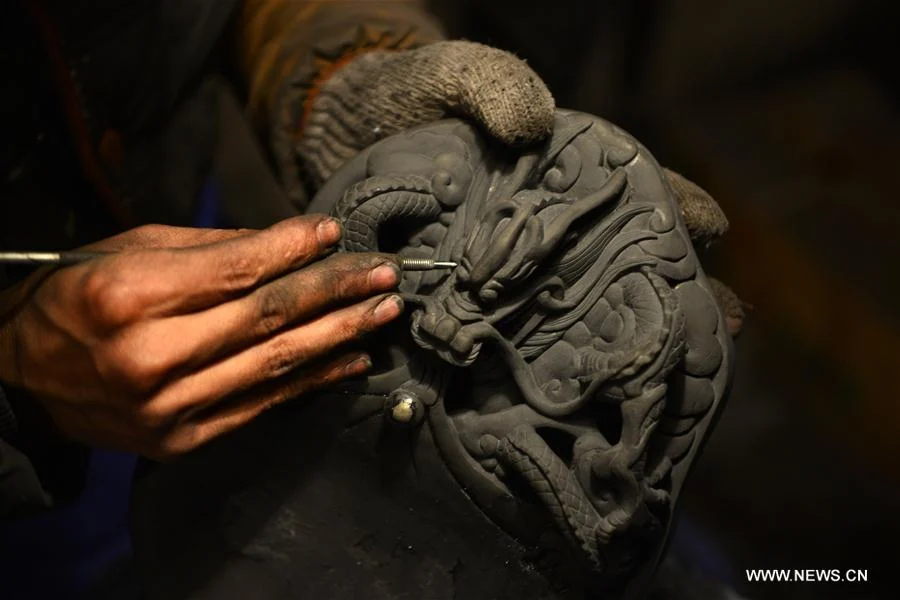
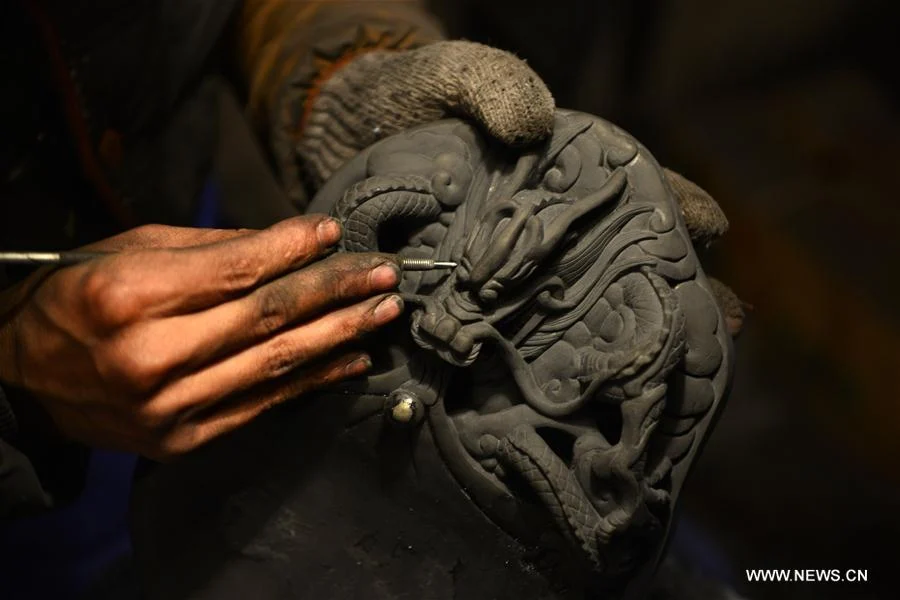
In a tranquil studio nestled within Cengong county, Southwest China’s Guizhou province, a craftsman meticulously shapes a Sizhou inkstone on November 30, 2017. This ancient art form, deeply rooted in the region’s cultural heritage, continues to thrive, preserving a tradition that has spanned millennia and remains vital to the practice of Chinese calligraphy and painting. The Sizhou inkstone, primarily originating from Cengong, is not merely a tool but a critical component of the "four treasures of study," alongside paper, ink, and brushes, influencing the very texture and quality of the ink used by artists. The meticulous process, evident in the artisan’s focused attention, underscores the profound connection between the material and the artistic outcome, a testament to an enduring legacy of craftsmanship.
The Enduring Significance of the Inkstone in Chinese Art
For centuries, the inkstone has held a revered position in the realm of Chinese arts and scholarship. It is not an exaggeration to state that the quality of the inkstone is as crucial as the ink itself for serious calligraphers and painters. The subtle variations in the stone’s composition and texture directly impact how ink is ground, the fineness of its particles, and ultimately, the richness and flow of the ink when applied to paper. A superior inkstone facilitates the creation of a smooth, consistent ink, essential for capturing the nuanced strokes and expressive qualities that define masterful calligraphy and painting. The "four treasures of study" – paper, ink, brushes, and inkstones – are the foundational elements of this artistic tradition, and the inkstone serves as the indispensable crucible where ink is prepared for its transformative journey onto the canvas. The Sizhou inkstone, with its specific geological origins and traditional crafting methods, embodies this critical role, carrying with it a history of dedication and artisanal excellence.
A Legacy Etched in Stone: The History of Sizhou Inkstones
The history of Sizhou inkstone carving in Cengong county stretches back thousands of years, a testament to the enduring appeal and functional excellence of this particular type of inkstone. While precise origins are often shrouded in the mists of time, archaeological evidence and historical texts suggest that inkstone production in the region dates back to at least the Han Dynasty (206 BCE – 220 CE), with significant advancements and recognition occurring during later dynasties. The unique geological formations in Guizhou, particularly around Cengong, yield a type of stone that possesses the ideal properties for inkstone creation. This stone is known for its fine grain, hardness, and ability to hold water without becoming overly porous, allowing for the efficient grinding of ink sticks into a smooth, consistent paste.
Over generations, the craft of Sizhou inkstone carving has been passed down through families and apprenticeships, evolving with both traditional techniques and subtle innovations. Each inkstone is a product of a long and labor-intensive process. It begins with the careful selection of raw stone, followed by shaping, polishing, and often intricate carving of decorative motifs. These carvings are not merely aesthetic; they can also serve functional purposes, such as aiding in the retention of ink or water. The craftsmanship involved reflects a deep understanding of the material and the demands of artistic application. The recognition of Sizhou inkstones as a significant contribution to Chinese art is not new; they have historically been prized by scholars, officials, and artists across the empire, often finding their way into imperial collections and esteemed private libraries.
The Craftsmanship Unveiled: A Glimpse into the Studio
The image captured on November 30, 2017, offers a poignant snapshot of this living heritage. The craftsman, his hands weathered and skilled, is engaged in the delicate process of shaping a Sizhou inkstone. His studio, likely filled with the subtle aroma of stone dust and perhaps lingering traces of ink, represents a sanctuary of tradition. The tools of his trade, honed through years of use, are extensions of his own hands, guiding the transformation of raw material into an object of both utility and beauty.
The process of creating a Sizhou inkstone typically involves several stages:
- Stone Quarrying and Selection: High-quality stone is identified and extracted from local quarries. The geological composition of the stone is paramount, with specific layers and textures being favored for their grinding properties.
- Rough Shaping: The raw stone is roughly shaped into the desired form, often with a concave grinding surface.
- Polishing: This is a critical stage where the surface of the inkstone is meticulously polished to achieve the optimal smoothness. This can involve using progressively finer abrasives, a process that can take weeks or even months for particularly intricate pieces.
- Carving and Decoration: Once the basic form is achieved, artisans may meticulously carve decorative motifs. These often feature auspicious symbols, landscapes, or calligraphy, reflecting the cultural context and the personal aesthetic of the craftsman.
- Finishing: The final touches are applied, ensuring the inkstone is ready for use.
The skill required is immense, demanding not only technical proficiency but also a deep understanding of the stone’s properties and the needs of the end-user. The subtle variations in the stone – its color, grain, and hardness – all contribute to the unique character of each inkstone.
Supporting Data: The Economic and Cultural Footprint of Sizhou Inkstones
While precise up-to-the-minute economic data for a niche craft like Sizhou inkstone carving can be challenging to isolate, its significance can be inferred from broader trends in Chinese cultural heritage preservation and the art market. Guizhou province, and specifically Cengong county, has been actively promoting its traditional crafts as part of its cultural tourism and economic development strategies.
- Historical Recognition: Sizhou inkstones have a long history of being recognized for their quality. During imperial times, they were often presented as tribute. In more recent history, they have been designated as intangible cultural heritage items in China, signifying their importance and the need for preservation.
- Art Market Value: High-quality, antique, or artist-signed Sizhou inkstones can command significant prices in the art market. While mass-produced or less refined pieces might be more affordable, those that exemplify exceptional craftsmanship and historical provenance are highly sought after by collectors.
- Local Economy: The production of Sizhou inkstones provides employment for skilled artisans and contributes to the local economy of Cengong county. It supports a chain of related activities, from stone quarrying and material processing to the sale and marketing of finished products.
- Cultural Tourism: As awareness of the craft grows, Sizhou inkstones become an attraction for cultural tourism, drawing visitors interested in traditional Chinese arts and crafts. This can further stimulate local economic activity and provide a platform for artisans to showcase their work.
- Preservation Efforts: The Chinese government and local authorities have implemented various programs to support the preservation of traditional crafts like inkstone carving. These can include funding for training programs, subsidies for artisans, and support for establishing workshops and exhibitions.
Broader Impact and Implications: Preserving a Cultural Cornerstone
The continued dedication to Sizhou inkstone carving has profound implications that extend beyond the immediate artistic community.
- Cultural Heritage Preservation: In an era of rapid modernization and globalization, the preservation of traditional crafts like inkstone carving is crucial for maintaining cultural identity. These crafts are tangible links to the past, embodying the knowledge, skills, and aesthetic values of previous generations. The efforts to sustain Sizhou inkstone production ensure that this unique aspect of Chinese heritage is not lost.
- Artistic Innovation and Continuity: While rooted in tradition, the craft also allows for innovation. Contemporary artisans may adapt designs, explore new material treatments, or integrate modern tools while respecting the core principles of the art form. This ensures the craft remains relevant and can inspire new generations of artists.
- Economic Diversification: For regions like Cengong county, traditional crafts offer a pathway for economic diversification, providing sustainable livelihoods for local communities and reducing reliance on more conventional industries.
- Educational Value: The art of inkstone carving offers significant educational value, teaching patience, precision, and an appreciation for material science and aesthetics. It can serve as a model for skill development and the pursuit of excellence.
- Global Appreciation: As China’s cultural influence grows internationally, traditional arts like calligraphy and painting, and by extension their essential tools like the Sizhou inkstone, gain wider appreciation. This can foster cross-cultural understanding and exchange.
The image of the craftsman at work in Cengong county is more than just a depiction of an artisan at his task; it is a symbol of resilience, dedication, and the enduring power of human artistry. The Sizhou inkstone, a seemingly humble object, carries within it thousands of years of history, a testament to the meticulous skill of generations of craftsmen, and a vital component of one of the world’s most revered artistic traditions. Its continued production is a quiet but powerful affirmation of the value placed on heritage, quality, and the profound connection between material and artistic expression.

 Asep Darmawan
 Rifan Muazin