Neng Nana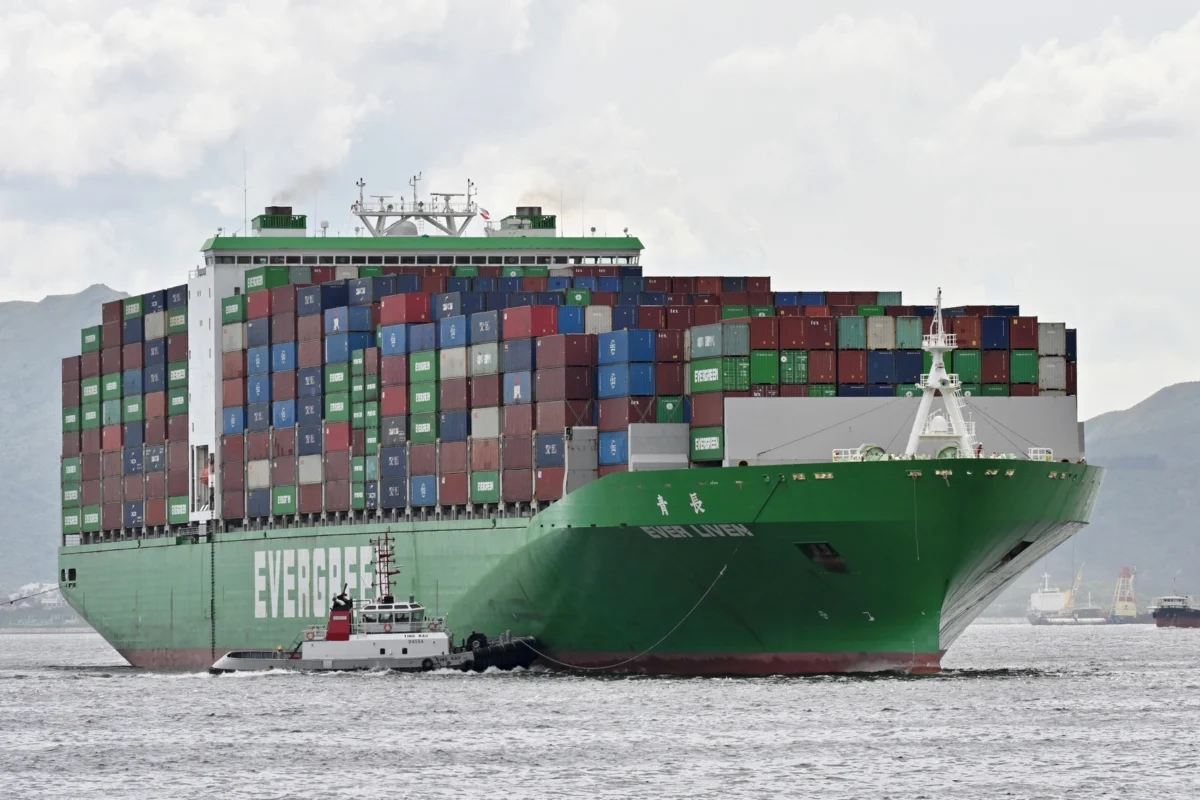
China’s economic engine roared to life in July, with both exports and imports registering significant year-on-year increases, official data released on Friday confirmed. This surge underscores the manufacturing powerhouse’s crucial role in the global supply chain, particularly as it capitalizes on an unprecedented worldwide boom in artificial intelligence (AI) technologies, which has substantially lifted overseas demand for its sophisticated tech products. The robust trade performance provides a critical bulwark against persistent domestic economic headwinds, including a prolonged slump in consumer confidence and a challenging property sector.
Unpacking the July Trade Figures
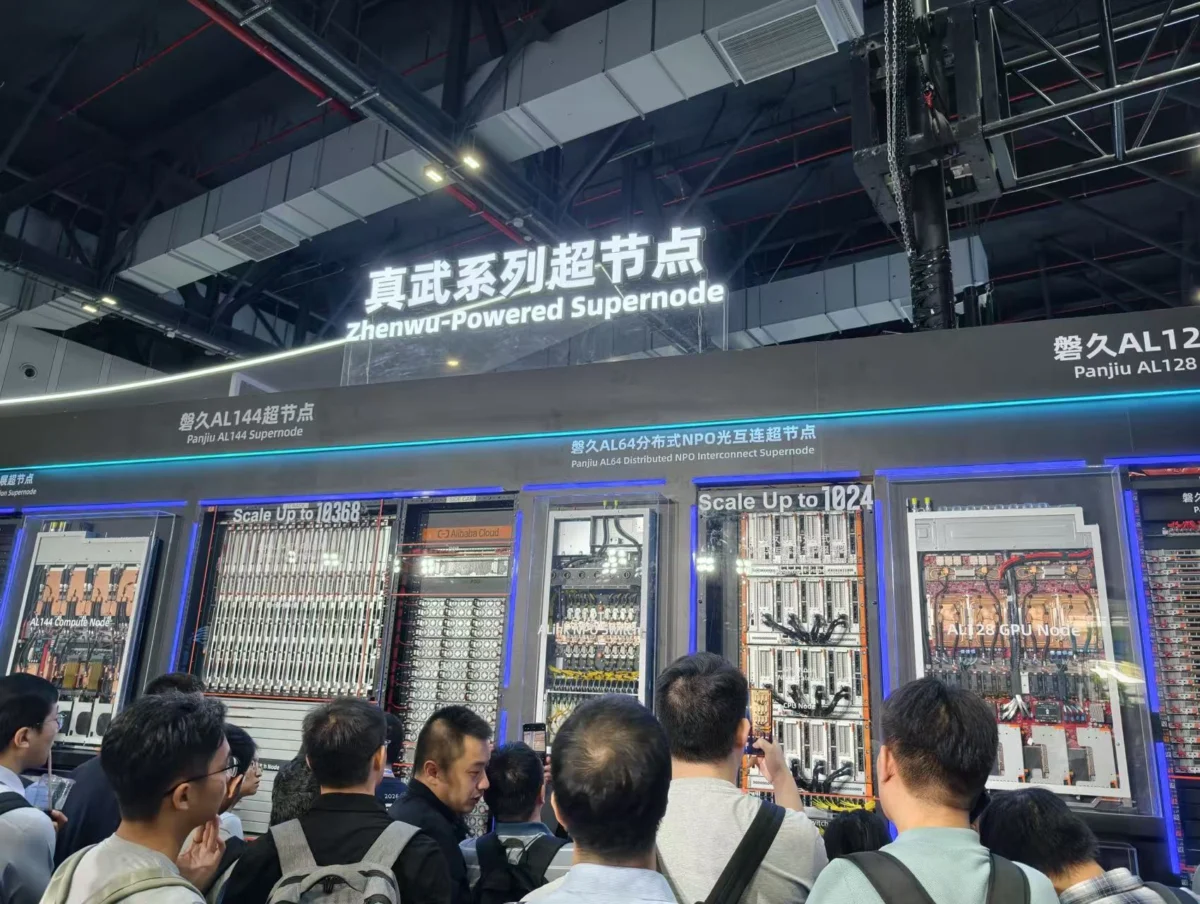
The General Administration of Customs (GAC) reported a remarkable 23.9 percent climb in exports for July, comfortably surpassing the 23.0 percent forecast by analysts polled by Bloomberg. This export vitality was not evenly distributed across all sectors but was notably concentrated in high-tech and "green tech" segments. A standout performer was the overseas shipment of computers and related components, which experienced a staggering 45.2 percent jump year-on-year during the first seven months of the year. This specific growth trajectory highlights the intense global scramble to build out artificial intelligence infrastructure, from advanced data centers to specialized processing units, with China playing a pivotal role in supplying the necessary hardware and components.

Imports also demonstrated strength, increasing by 27.5 percent in July. While impressive, this figure did show a deceleration compared to the 36 percent surge recorded in June and fell short of Bloomberg’s forecast of 29.5 percent growth. Despite this slight moderation, the continued expansion in imports, even against a backdrop of subdued domestic consumption indicators, suggests that Chinese industries are actively acquiring raw materials, intermediate goods, and potentially some advanced machinery necessary to fuel their manufacturing capabilities, especially for export-oriented production. This dynamic illustrates a two-speed economy, where the external sector thrives, providing a much-needed counterbalance to internal demand challenges.
The Enduring Trade Surplus and International Scrutiny
The robust export performance has ensured that China’s massive trade surplus remains firmly on track to match, if not exceed, the historic figure recorded last year. In 2023, the world’s second-largest economy achieved an unprecedented trade surplus of nearly US$1.2 trillion, a staggering sum that significantly bolstered its manufacturing sector and provided a cushion against weaknesses in domestic consumption. As of the end of July this year, the trade surplus had already reached US$687 billion, indicating a sustained pattern of exporting significantly more goods and services than it imports.
This widening trade gap has increasingly become a point of contention and concern for major trading partners, particularly in Europe and North America. European leaders, in particular, have voiced growing anxieties about what they perceive as a "flood" of Chinese exports. They argue that these competitively priced goods, ranging from electric vehicles and solar panels to machinery and consumer electronics, are squeezing out local manufacturers, leading to job losses and undermining industrial capacity within the European Union. Critics often point to alleged state subsidies and other non-market interventions that they claim give Chinese firms an unfair advantage, exacerbating industrial overcapacity in key sectors.

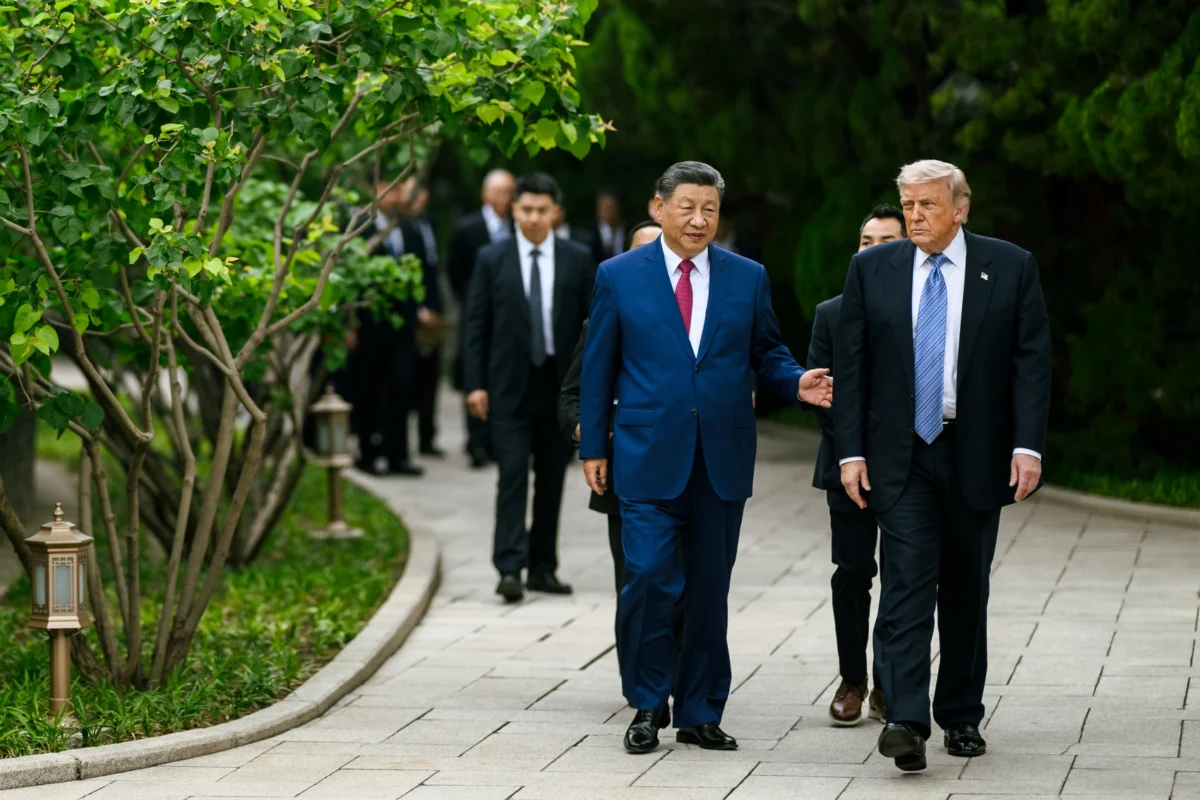
Beijing, for its part, has consistently refuted claims of deliberately pursuing a trade surplus. Chinese officials maintain that the surplus is a natural outcome of its vast manufacturing capabilities, efficient supply chains, and global demand for its products. However, recognizing the escalating international pressure, the Communist Party’s Politburo, the country’s highest decision-making body chaired by President Xi Jinping, called for a more "balanced" trade development at a crucial meeting late last month. This directive signals a potential shift in rhetoric, acknowledging the need to address international concerns, although concrete policy changes to significantly alter the trade balance remain to be seen.
Zhiwei Zhang, president and chief economist at Pinpoint Asset Management, highlighted the ongoing importance of trade in sustaining the Chinese economy. "Export growth continued to support the economy in July," Zhang noted, adding a prescient observation: "I expect intense negotiations between China and [its] major trading partners in coming months on what can be done to make trade more balanced." These negotiations are likely to involve discussions on market access, intellectual property rights, industrial subsidies, and potentially a re-evaluation of trade practices.
The AI Boom: A Driving Force for Chinese Tech Exports
The global artificial intelligence revolution is undoubtedly a primary catalyst behind China’s soaring tech exports. As companies worldwide invest heavily in AI research, development, and deployment, the demand for specialized hardware and infrastructure has skyrocketed. China, with its sophisticated manufacturing ecosystem and significant investments in semiconductor and electronics production, is uniquely positioned to meet this demand.

Key products driving this export surge include:
- Data Processing Equipment: This encompasses high-performance servers, graphics processing units (GPUs), and specialized AI accelerators essential for training large language models and running complex AI algorithms. Chinese manufacturers have become adept at producing these components, often integrating them into complete server racks or data center solutions.
- Related Components: Beyond finished products, China exports a vast array of components, including printed circuit boards (PCBs), memory modules, cooling systems, power supplies, and various electronic sub-assemblies that are integral to AI hardware.
- Networking Gear: The expansion of AI infrastructure necessitates robust networking capabilities, from high-speed switches to fiber optic components, another area where Chinese firms have a strong presence.
- Green Tech Synergy: Julian Evans-Pritchard of Capital Economics specifically mentioned "soaring global demand for electronics and green tech products." This synergy is critical; AI applications, particularly large-scale data centers, are energy-intensive. The global push for sustainability means that AI infrastructure often incorporates energy-efficient designs and relies on renewable energy sources. China is a dominant global supplier of solar panels, wind turbines, and electric vehicle (EV) batteries, components that underpin a greener AI ecosystem. The demand for these green tech products further diversifies and strengthens China’s export portfolio.
This symbiotic relationship between the AI boom and China’s manufacturing prowess underscores its indispensable role in the current technological landscape, even as geopolitical forces seek to decouple supply chains.
Navigating the Turbulent Waters of China-US Trade Relations
The impressive trade figures emerge against a backdrop of persistent and often escalating trade frictions between Beijing and Washington, the world’s two largest economies. Despite efforts to ease tensions, the trade relationship remains fraught with challenges, characterized by a lingering "trade war" that began in earnest during the Trump administration.

A Brief Chronology of US-China Trade Tensions:
- 2018-2019: The Trump administration initiates tariffs on billions of dollars worth of Chinese goods, citing unfair trade practices, intellectual property theft, and forced technology transfers. China retaliates with its own tariffs on US products.
- January 2020: The two nations sign a "Phase One" trade deal, which sees China commit to purchasing more US agricultural and manufactured goods, and the US reduce some tariffs, though many remain in place.
- Post-2020: Despite the Phase One deal, tensions persist and evolve. The focus shifts from broad tariffs to targeted restrictions on high-tech sectors, particularly semiconductors and AI, driven by US national security concerns.
- Recent Flare-up: Just days before the July trade data release, a fresh wave of actions highlighted the ongoing friction. Washington imposed new sanctions on Chinese entities, citing concerns over forced labor practices in certain regions and national security risks associated with advanced technology. In retaliation, Beijing announced restrictions on drone exports to the United States and blacklisted six US firms, accusing them of undermining China’s national security interests.
Despite these tensions, China’s shipments to the United States surprisingly rose by 17 percent year-on-year last month. This indicates that economic interdependencies, particularly in consumer goods and certain tech components, remain strong, even as governments attempt to diversify or restrict trade in strategic areas. This robust export performance to the US contributed to China’s trade surplus with its superpower rival reaching nearly US$171 billion through the end of July, according to official data.
The complex dance between economic interdependence and geopolitical rivalry will undergo further intense scrutiny in the coming weeks. Officials are currently preparing for a scheduled state visit by President Xi Jinping to the United States in late September. This high-stakes meeting is expected to cover a wide range of contentious issues, from trade imbalances and technology restrictions to regional security and human rights. The trajectory of the global economy and the future of technological development could hinge on the outcomes of these critical discussions.
Broader Implications for China’s Economy and the Global Landscape

The July trade data presents a multifaceted picture for China. While the export boom, particularly in tech and green energy sectors, provides a significant tailwind, it also highlights an imbalance within the economy. The "prolonged slump in domestic consumption" remains a key challenge, driven by factors such as:
- Real Estate Crisis: The ongoing downturn in the property sector has eroded household wealth and consumer confidence.
- Youth Unemployment: Elevated rates of youth unemployment dampen overall consumer spending.
- Post-Pandemic Recovery: The anticipated robust rebound in consumer spending after the stringent zero-COVID policies has been weaker than expected.
- Structural Issues: Longer-term demographic shifts and a preference for savings over consumption also play a role.
In this context, the strong external demand acts as a vital safety valve, sustaining manufacturing output and employment, thereby preventing a more severe economic slowdown. However, an over-reliance on exports also exposes China to global economic fluctuations and geopolitical risks. Should global demand for AI hardware or green tech products soften, or should trade protectionism intensify, China’s economic stability could be jeopardized.
Furthermore, the "yawning gap" of the trade surplus, particularly with Europe, risks exacerbating protectionist sentiments. If European manufacturers continue to feel the pressure from Chinese imports, calls for tariffs, anti-dumping duties, and other trade barriers could intensify, potentially leading to a fragmentation of global trade. Beijing’s stated aim for "balanced" trade development, therefore, is not merely a diplomatic gesture but an acknowledgement of the economic and political realities of its position as the world’s largest trading nation. Achieving this balance will require strategic policy adjustments, potentially including efforts to stimulate domestic consumption more aggressively, further open up its own markets, and address the root causes of international trade grievances.
The global AI boom, while a boon for China’s current trade performance, also raises questions about technological competition and supply chain resilience. As nations race to develop indigenous AI capabilities, the demand for sophisticated chips and components could lead to further restrictions on technology transfer and increased scrutiny of companies involved in critical AI supply chains.

In conclusion, China’s July trade figures paint a picture of resilience and strategic advantage in key technological sectors, driven by the insatiable global appetite for AI infrastructure. This export-led growth provides crucial support for the Chinese economy amidst domestic challenges. However, the accompanying surge in its trade surplus and the ongoing tensions with major trading partners, particularly the United States, underscore the complex and often contradictory forces shaping China’s economic trajectory in the 21st century. The path ahead will be defined by a delicate balance between leveraging global demand, managing internal economic reforms, and navigating an increasingly fragmented and politicized international trade landscape.


 Reynand Wu
 Evan Lee Salim